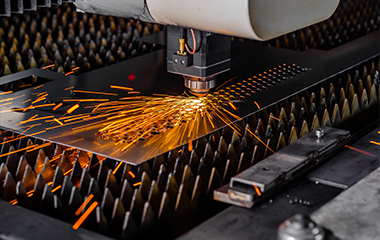
laser cutting carbon steel
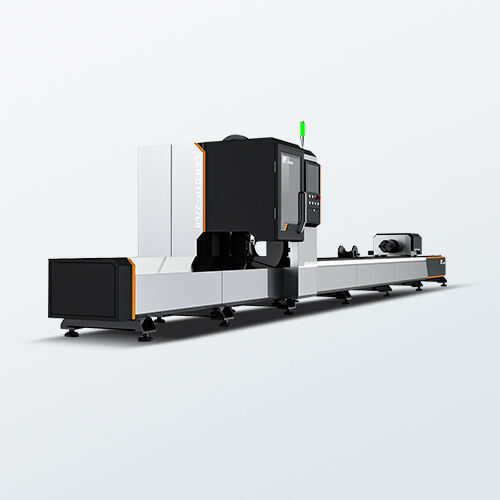
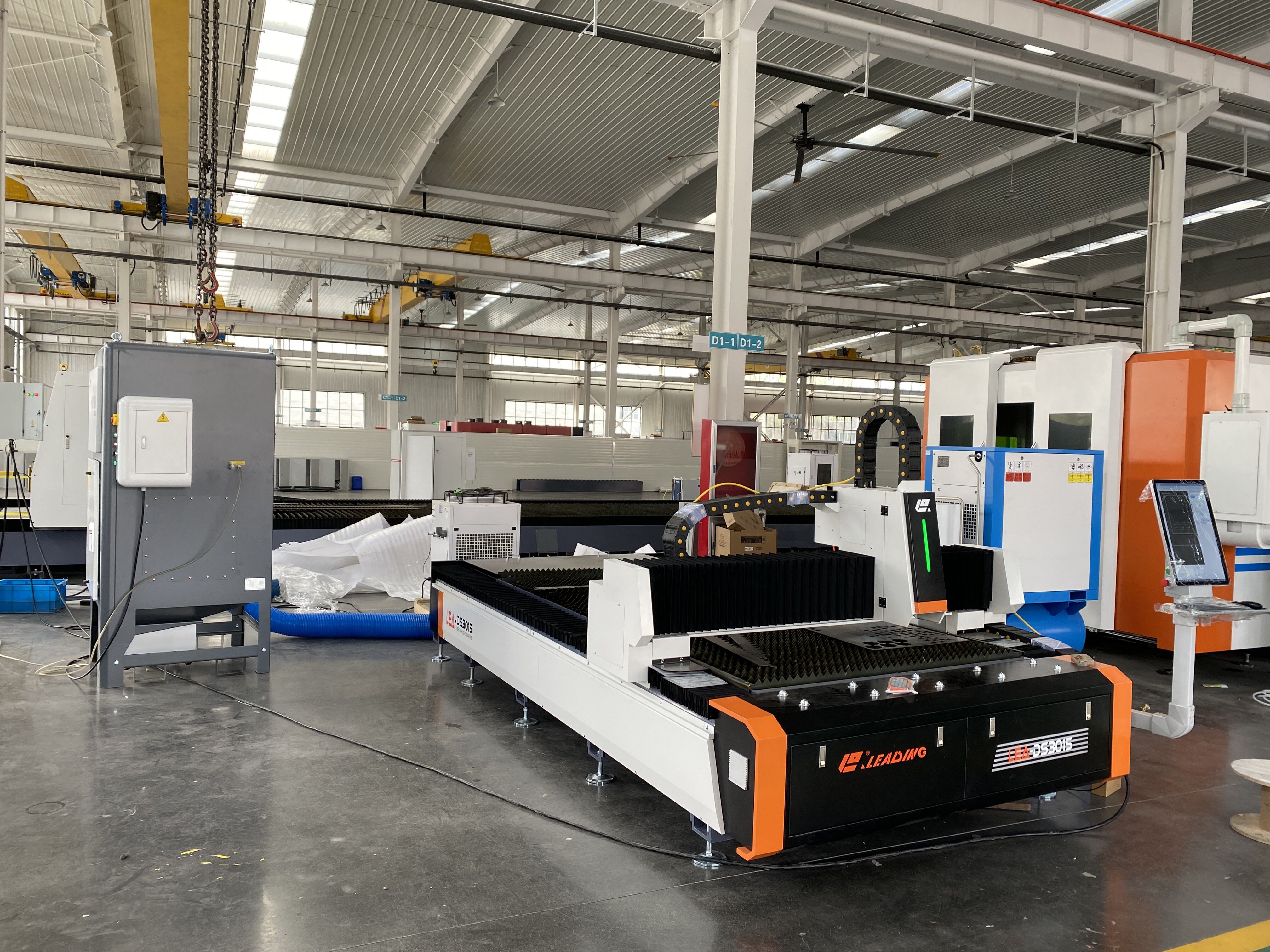
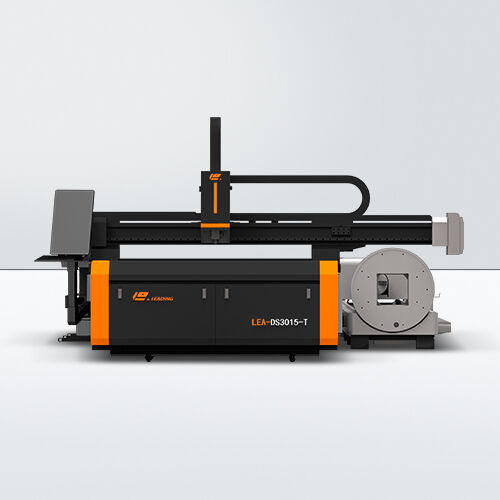
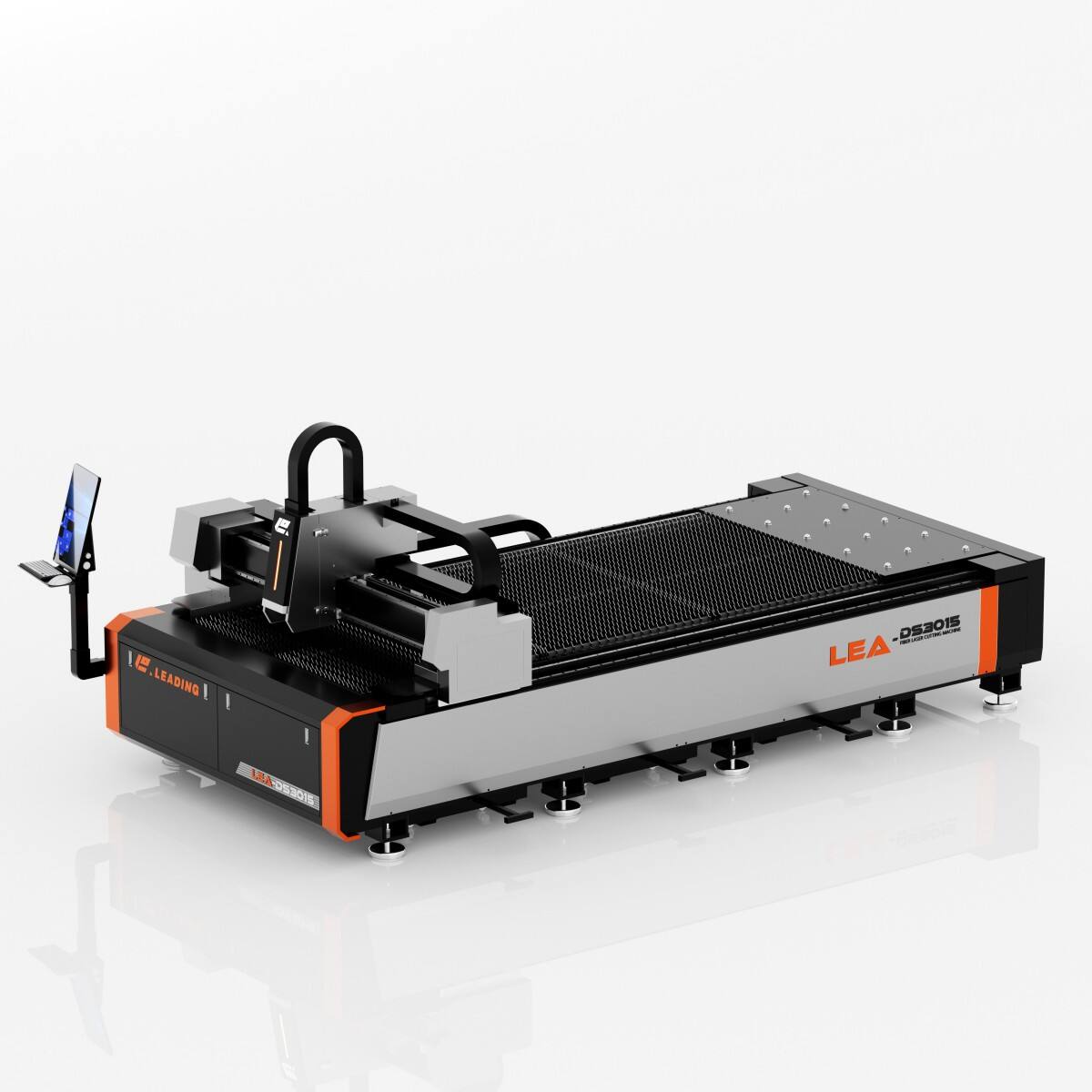
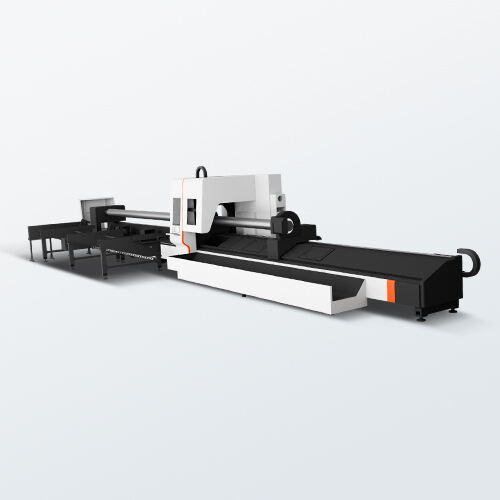
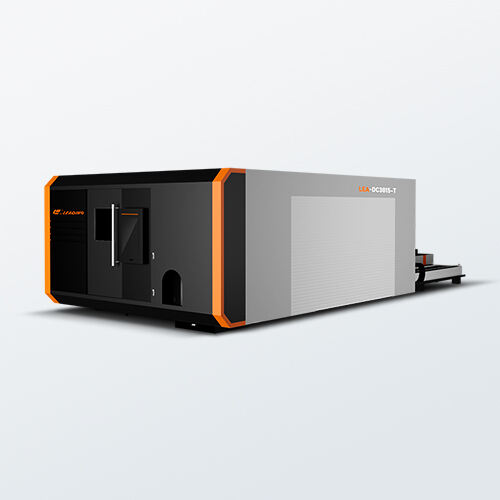
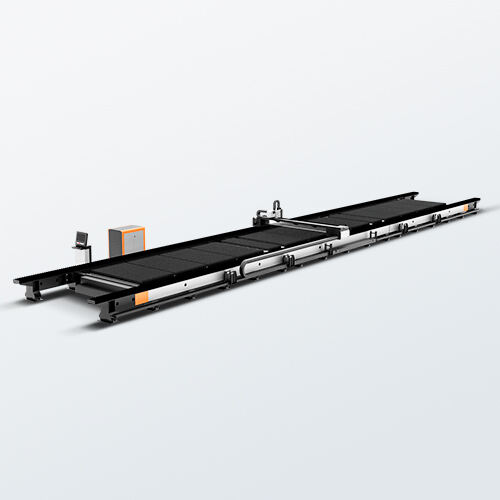
Laser cutting carbon steel represents a revolutionary manufacturing technology that has transformed how industries process one of the most widely used materials in construction, automotive, and fabrication sectors. This advanced cutting method utilizes concentrated laser beams to achieve precise, clean cuts through carbon steel sheets and plates of varying thicknesses. The process works by focusing a high-powered laser beam onto the carbon steel surface, creating an intense heat zone that melts, burns, or vaporizes the material along predetermined cutting paths. Modern laser cutting carbon steel systems incorporate sophisticated computer numerical control (CNC) technology, enabling operators to execute complex designs with exceptional accuracy and repeatability. The main functions of laser cutting carbon steel include straight-line cutting, intricate pattern creation, beveling, and engraving operations. These systems can handle carbon steel materials ranging from thin gauge sheets to thick plates, typically processing materials up to several inches thick depending on laser power specifications. Technological features of laser cutting carbon steel include real-time beam positioning, automatic focus adjustment, and integrated material handling systems that streamline production workflows. The cutting process generates minimal mechanical stress on workpieces, preserving material integrity while producing smooth, burr-free edges that often require no secondary finishing operations. Applications span numerous industries including architectural metalwork, industrial machinery manufacturing, automotive component production, shipbuilding, and custom fabrication services. The versatility of laser cutting carbon steel makes it ideal for producing everything from decorative panels and signage to precision mechanical parts and structural components. Quality control systems monitor cutting parameters continuously, ensuring consistent results across production runs while maintaining tight dimensional tolerances essential for modern manufacturing requirements.

 EN
EN