
 EN
EN
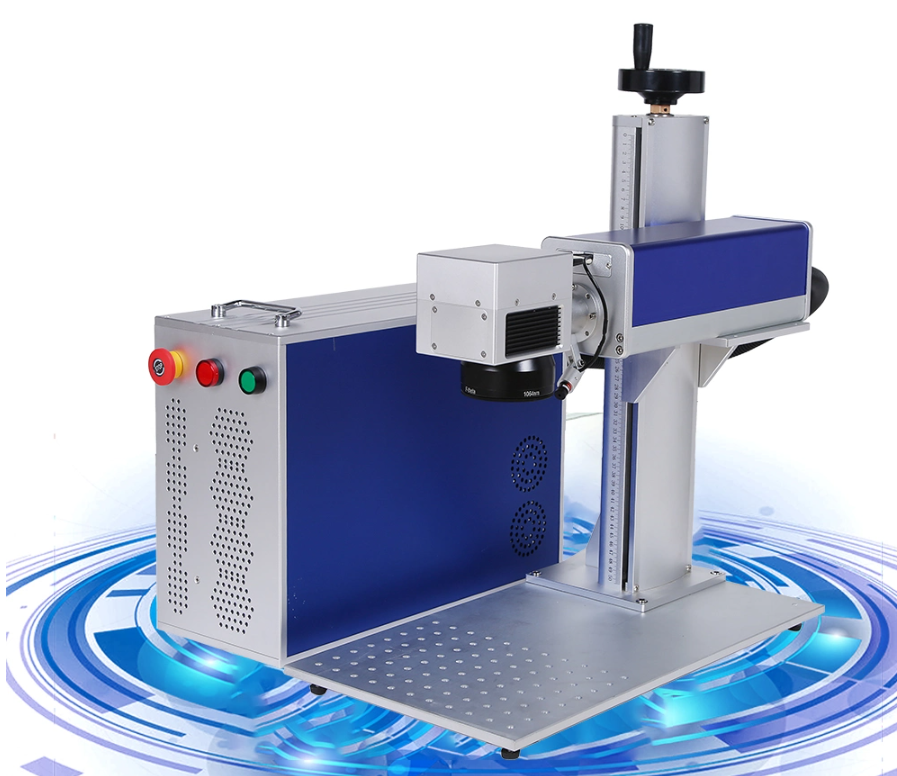
The demand for precision marking solutions in metal fabrication has reached unprecedented levels across industries worldwide. Modern manufacturing processes require permanent, high-quality identification systems that can withstand harsh environmental conditions while maintaining exceptional clarity and durability. Laser marking metal technology has emerged as the definitive solution for businesses seeking reliable, cost-effective marking capabilities that deliver consistent results across diverse metal substrates and applications.
Professional laser marking metal equipment represents a significant investment that requires careful consideration of technical specifications, operational requirements, and long-term business objectives. The selection process involves evaluating multiple factors including laser power output, marking speed capabilities, material compatibility, software integration features, and maintenance requirements. Understanding these critical elements ensures optimal equipment selection that aligns with specific production needs and quality standards.
Advanced Laser Technology for Metal Applications
Fiber Laser Systems for Precision Marking
Fiber laser technology has revolutionized laser marking metal applications through superior beam quality, enhanced energy efficiency, and exceptional marking precision. These systems utilize rare-earth-doped optical fibers to generate laser light with wavelengths specifically optimized for metal absorption characteristics. The resulting high-contrast marks exhibit excellent durability and resist fading under extreme temperature variations and chemical exposure conditions commonly encountered in industrial environments.
The inherent advantages of fiber laser systems include minimal maintenance requirements, extended operational lifespans exceeding 100,000 hours, and consistent power output stability throughout the equipment lifecycle. Modern fiber laser marking metal systems incorporate advanced beam delivery mechanisms that ensure uniform energy distribution across the entire marking field, resulting in consistent mark quality regardless of position within the working area.
CO2 Laser Integration for Specialized Applications
While fiber lasers dominate most laser marking metal applications, CO2 laser systems provide unique advantages for specific material types and marking requirements. These systems excel in applications requiring deep engraving capabilities or when working with certain metal alloys that exhibit enhanced absorption characteristics at CO2 wavelengths. The versatility of CO2 systems enables seamless transitions between metal marking and organic material processing within integrated production environments.
Advanced CO2 laser marking metal configurations incorporate sophisticated cooling systems and precision optics that maintain optimal beam characteristics throughout extended operational periods. The integration of computerized control systems enables precise parameter adjustment for different metal types, ensuring optimal marking quality while minimizing thermal stress effects that could compromise material integrity or dimensional accuracy.
Industrial Applications and Market Sectors
Automotive Industry Requirements
The automotive sector represents one of the largest markets for laser marking metal technology, driven by stringent traceability requirements and quality control standards. Vehicle components require permanent identification markings that remain legible throughout the product lifecycle while withstanding exposure to oils, fuels, temperature extremes, and mechanical stress. Laser marking metal systems provide the reliability and precision necessary to meet these demanding specifications.
Automotive applications encompass engine components, transmission parts, chassis elements, and safety-critical components that require comprehensive tracking throughout manufacturing and service lifecycles. The ability to create high-resolution markings with complex alphanumeric codes, barcodes, and DataMatrix symbols enables seamless integration with automated quality control systems and inventory management platforms.
Medical Device Manufacturing Standards
Medical device manufacturing presents unique challenges for laser marking metal applications due to strict biocompatibility requirements and regulatory compliance standards. Surgical instruments, implantable devices, and diagnostic equipment require marking solutions that maintain sterility while providing permanent identification throughout sterilization cycles and extended use periods.
Advanced laser marking metal systems designed for medical applications incorporate specialized parameters that minimize heat-affected zones and surface contamination while achieving the marking depth and contrast required for regulatory compliance. The precision control capabilities enable creation of microscopic markings on miniaturized components without compromising structural integrity or surface finish quality.
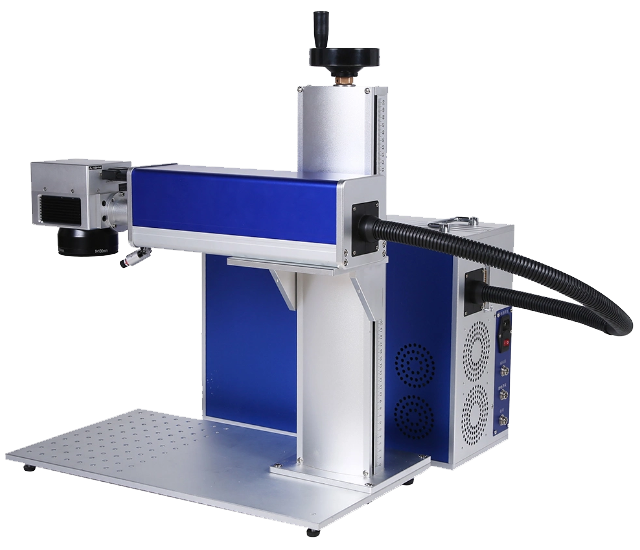
Equipment Selection and Procurement Strategies
Technical Specification Evaluation
Selecting appropriate laser marking metal equipment requires comprehensive evaluation of technical specifications aligned with specific application requirements and production objectives. Key parameters include laser power output, pulse frequency control, marking field dimensions, positioning accuracy, and processing speed capabilities. Understanding the relationship between these specifications and desired marking characteristics enables informed equipment selection decisions.
Modern laser marking metal systems incorporate sophisticated software platforms that provide extensive parameter control and marking pattern customization capabilities. Integration with CAD software, database systems, and production management platforms enables seamless workflow integration while maintaining consistent quality standards across diverse production requirements.
Vendor Assessment and Support Services
Comprehensive vendor evaluation extends beyond equipment specifications to encompass technical support capabilities, training programs, maintenance services, and long-term parts availability. Established manufacturers with proven track records in laser marking metal applications provide valuable expertise and ongoing support that contributes significantly to operational success and equipment longevity.
Professional installation services, operator training programs, and preventive maintenance protocols ensure optimal equipment performance while minimizing unexpected downtime. Access to application engineering support enables optimization of marking parameters for specific materials and requirements, maximizing productivity and quality outcomes throughout the equipment lifecycle.
Cost Analysis and Return on Investment
Initial Investment Considerations
The financial evaluation of laser marking metal equipment encompasses initial purchase costs, installation expenses, training investments, and ongoing operational expenses. While high-quality systems require substantial initial investment, the long-term benefits including reduced consumable costs, minimal maintenance requirements, and enhanced productivity typically result in attractive return on investment timelines.
Comparative analysis should include total cost of ownership calculations that account for energy consumption, maintenance schedules, consumable replacement costs, and expected equipment lifespan. Modern laser marking metal systems demonstrate exceptional energy efficiency and reliability that contribute to favorable operating cost profiles compared to alternative marking technologies.
Productivity and Quality Benefits
The implementation of advanced laser marking metal technology delivers measurable productivity improvements through increased processing speeds, reduced setup times, and elimination of consumable material requirements. Automated marking processes reduce labor costs while improving consistency and quality control compared to manual marking methods or traditional mechanical engraving techniques.
Quality improvements include superior mark durability, enhanced readability, and consistent reproduction of complex marking patterns regardless of production volume. The ability to create variable data markings enables implementation of sophisticated traceability systems that provide comprehensive product tracking capabilities throughout manufacturing and distribution processes.
Maintenance and Operational Excellence
Preventive Maintenance Protocols
Maintaining optimal performance of laser marking metal equipment requires implementation of systematic preventive maintenance protocols that address critical system components and operational parameters. Regular inspection schedules, cleaning procedures, and component replacement protocols ensure consistent marking quality while extending equipment lifespan and minimizing unexpected failures.
Modern systems incorporate diagnostic monitoring capabilities that provide real-time performance feedback and predictive maintenance alerts. These features enable proactive maintenance scheduling that minimizes production disruptions while ensuring optimal marking quality throughout extended operational periods.
Operator Training and Safety Compliance
Comprehensive operator training programs ensure safe and efficient operation of laser marking metal equipment while maximizing productivity and quality outcomes. Training curricula address laser safety protocols, equipment operation procedures, parameter optimization techniques, and troubleshooting methodologies that enable operators to achieve consistent results across diverse applications.
Safety compliance requirements for laser marking metal operations include proper ventilation systems, personal protective equipment protocols, and emergency response procedures. Understanding and implementing appropriate safety measures ensures regulatory compliance while protecting personnel and maintaining optimal working conditions for sustained productivity.
FAQ
What factors determine the optimal laser power for metal marking applications
Laser power selection for metal marking applications depends on material type, marking depth requirements, processing speed objectives, and desired mark characteristics. Harder metals typically require higher power levels to achieve adequate penetration, while softer materials may require lower power settings to prevent excessive heat buildup. Most industrial laser marking metal applications utilize systems ranging from 20 watts to 50 watts, with higher power options available for demanding applications requiring deep engraving or high-speed processing capabilities.
How does marking speed affect quality in laser metal processing
Marking speed significantly influences the quality and characteristics of laser marking metal results through its impact on energy density and thermal effects. Slower speeds generally produce deeper, more pronounced marks with enhanced contrast, while higher speeds create lighter surface markings with minimal thermal impact. Optimal speed settings balance productivity requirements with quality specifications, and modern systems provide precise speed control that enables fine-tuning for specific material types and marking objectives.
What maintenance intervals are recommended for industrial laser marking systems
Recommended maintenance intervals for laser marking metal equipment vary based on operational intensity and environmental conditions, but typically include daily cleaning of optics and work surfaces, weekly inspection of cooling systems and ventilation components, and monthly comprehensive system diagnostics. Annual professional maintenance services should address internal optical alignment, laser source performance verification, and software updates. Proper maintenance scheduling ensures consistent performance and extends equipment lifespan while minimizing unexpected downtime costs.
Can laser marking systems handle multiple metal types without parameter changes
Advanced laser marking metal systems incorporate programmable parameter libraries that enable automatic adjustment for different metal types and thicknesses through software-controlled settings. Modern systems can store hundreds of material-specific parameter sets that optimize laser power, pulse frequency, and scanning speed for consistent results across diverse materials. This capability enables efficient production of mixed-material batches without manual parameter adjustment, significantly improving productivity and reducing operator training requirements for multi-material applications.
Table of Contents
- Advanced Laser Technology for Metal Applications
- Industrial Applications and Market Sectors
- Equipment Selection and Procurement Strategies
- Cost Analysis and Return on Investment
- Maintenance and Operational Excellence
-
FAQ
- What factors determine the optimal laser power for metal marking applications
- How does marking speed affect quality in laser metal processing
- What maintenance intervals are recommended for industrial laser marking systems
- Can laser marking systems handle multiple metal types without parameter changes