steel laser machine
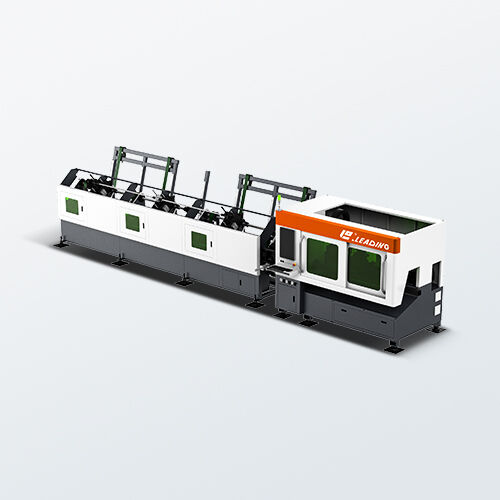
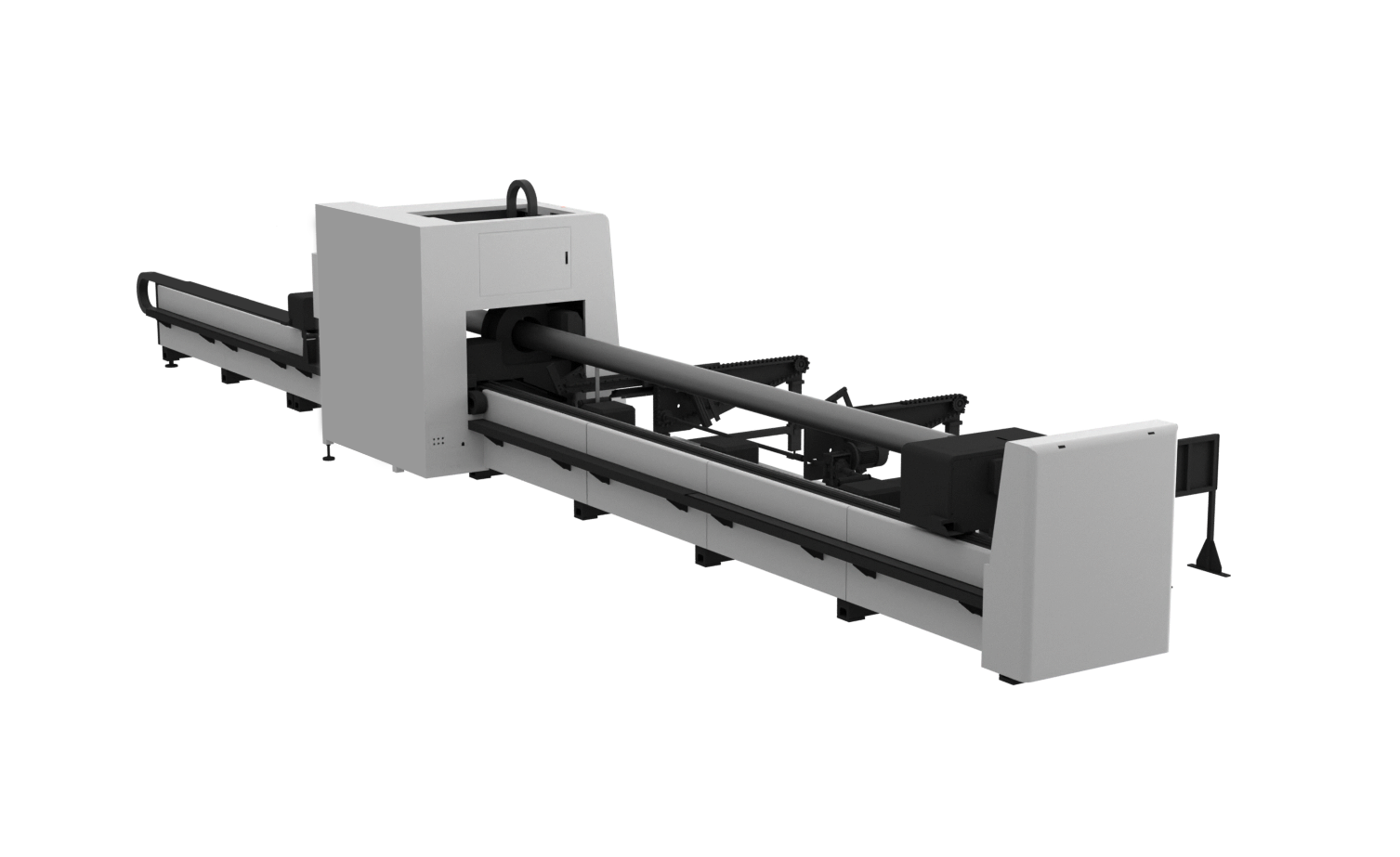
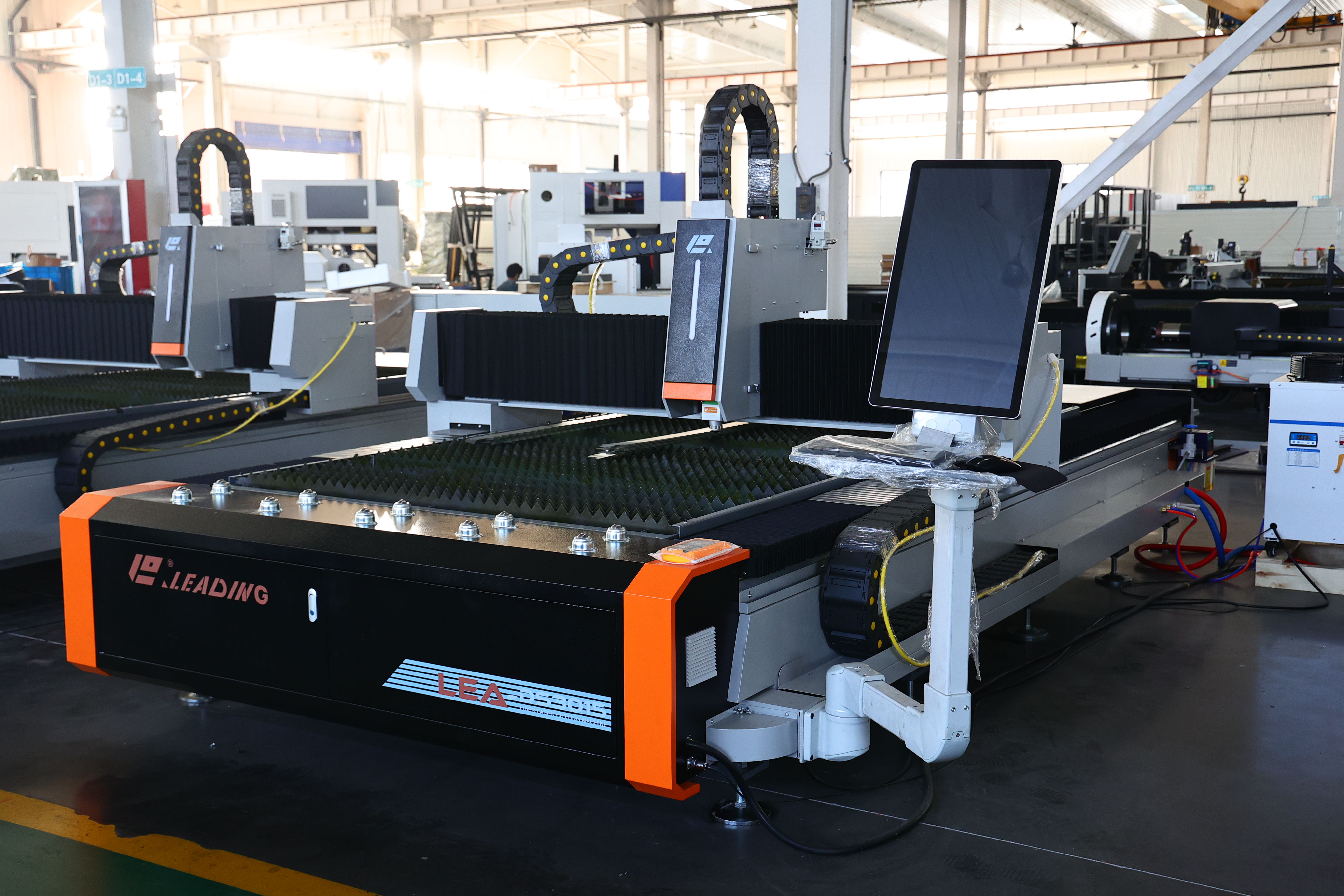
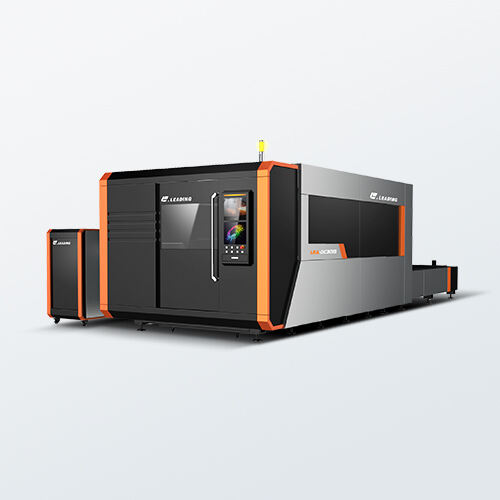
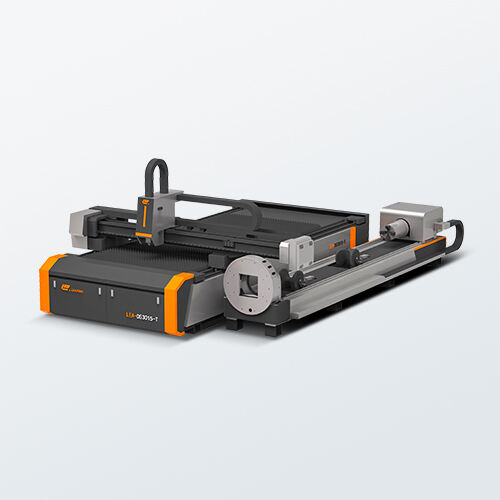
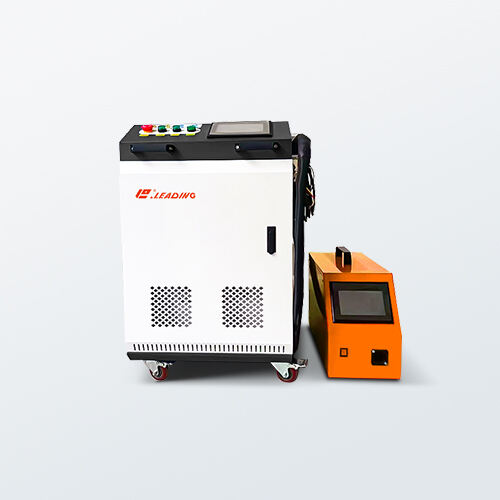
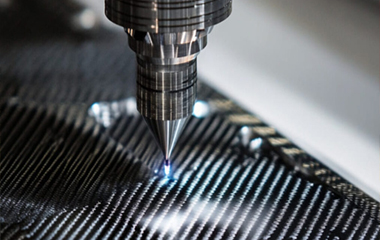
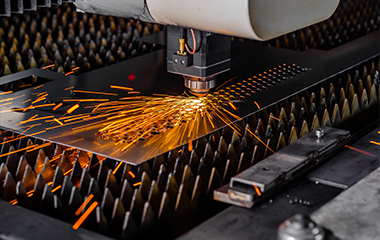
The steel laser machine represents a revolutionary advancement in metal fabrication technology, combining precision, efficiency, and versatility in a single cutting-edge system. This sophisticated equipment utilizes high-powered laser beams to cut, engrave, weld, and shape steel materials with unprecedented accuracy and speed. Modern steel laser machines employ fiber laser technology, which generates concentrated light beams through optical fibers, delivering exceptional power density that can effortlessly penetrate various steel thicknesses. The core functionality of a steel laser machine centers around its ability to focus intense laser energy onto a specific point, creating temperatures exceeding 10,000 degrees Celsius. This extreme heat instantly melts and vaporizes steel material along predetermined cutting paths, controlled by advanced Computer Numerical Control (CNC) systems. The machine's technological features include automatic material handling systems, real-time quality monitoring sensors, and adaptive power control mechanisms that adjust laser intensity based on material properties. These steel laser machines can process diverse steel types, from mild carbon steel to high-strength alloys, stainless steel, and specialty metals. The cutting thickness capability ranges from ultra-thin sheets measuring 0.1mm to heavy plates exceeding 40mm thick. Applications span numerous industries including automotive manufacturing, aerospace component production, construction equipment fabrication, shipbuilding, architectural metalwork, and precision instrument manufacturing. The steel laser machine operates with remarkable repeatability, ensuring consistent quality across large production runs. Advanced software integration enables seamless workflow management, from design import to final product delivery. Modern systems incorporate safety features such as enclosed cutting chambers, fume extraction systems, and emergency shutdown protocols. The technology continues evolving with developments in artificial intelligence integration, predictive maintenance capabilities, and enhanced automation features that reduce operator intervention while maximizing productivity and material utilization efficiency.

 EN
EN