Comprehensive Material Compatibility and Versatility
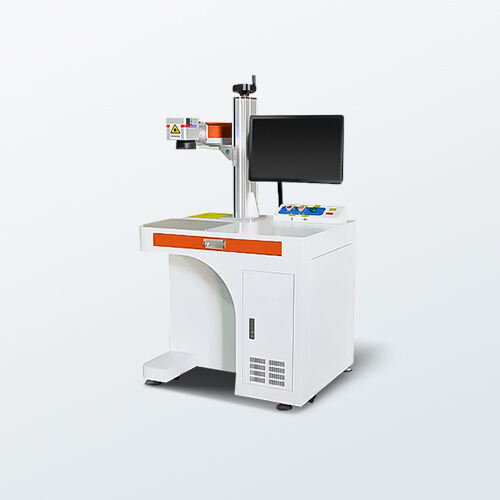
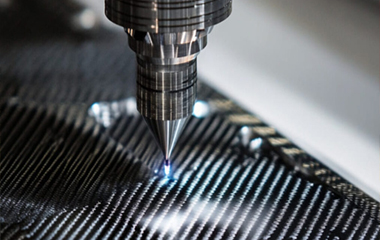
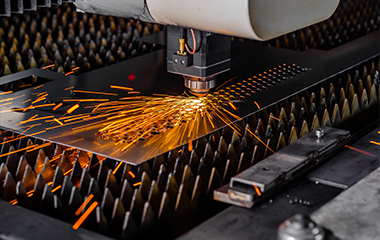
The fiber laser printing machine demonstrates remarkable versatility through its ability to mark virtually any material with consistent quality, making it an ideal solution for diverse manufacturing environments and multi-material production requirements. This comprehensive material compatibility eliminates the need for multiple marking systems, reducing equipment investments and simplifying production workflows while ensuring uniform marking quality across different substrates. Metals respond exceptionally well to fiber laser processing, with the ability to create permanent marks on stainless steel, aluminum, titanium, brass, copper, and exotic alloys used in aerospace and medical applications. The controlled heat application enables various marking effects on metals, from subtle annealing that changes surface color without material removal to precise engraving that creates tactile depth for enhanced durability and readability. Plastic materials, including engineering plastics like PEEK, polycarbonate, and nylon, can be marked with exceptional clarity, producing high-contrast results that resist environmental degradation and chemical exposure. The fiber laser printing machine accommodates varying plastic formulations, from rigid thermoplastics to flexible elastomers, adjusting processing parameters automatically to achieve optimal results without material damage or distortion. Ceramic and glass materials, traditionally challenging for marking applications, respond excellently to fiber laser processing, enabling permanent identification on components ranging from electronic substrates to decorative items. The versatility extends to composite materials increasingly used in automotive and aerospace applications, where the fiber laser printing machine can mark carbon fiber reinforced plastics and other advanced composites without compromising structural integrity. Coating compatibility ensures successful marking on painted, anodized, or plated surfaces, with options for coating removal to expose base material or surface modification that maintains coating integrity. The adaptability to different material thicknesses, from thin films to thick sections, makes the fiber laser printing machine suitable for marking components ranging from delicate electronic circuits to robust industrial machinery parts. Multi-material assemblies can be marked in single operations, applying appropriate parameters to each material type automatically based on pre-programmed settings that optimize results while maintaining processing efficiency.

 EN
EN