Outstanding Versatility and Material Compatibility
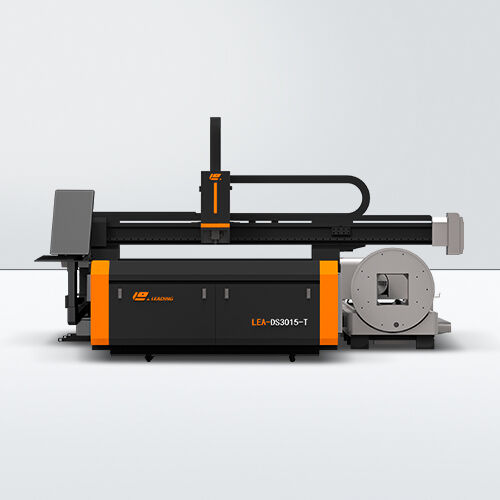
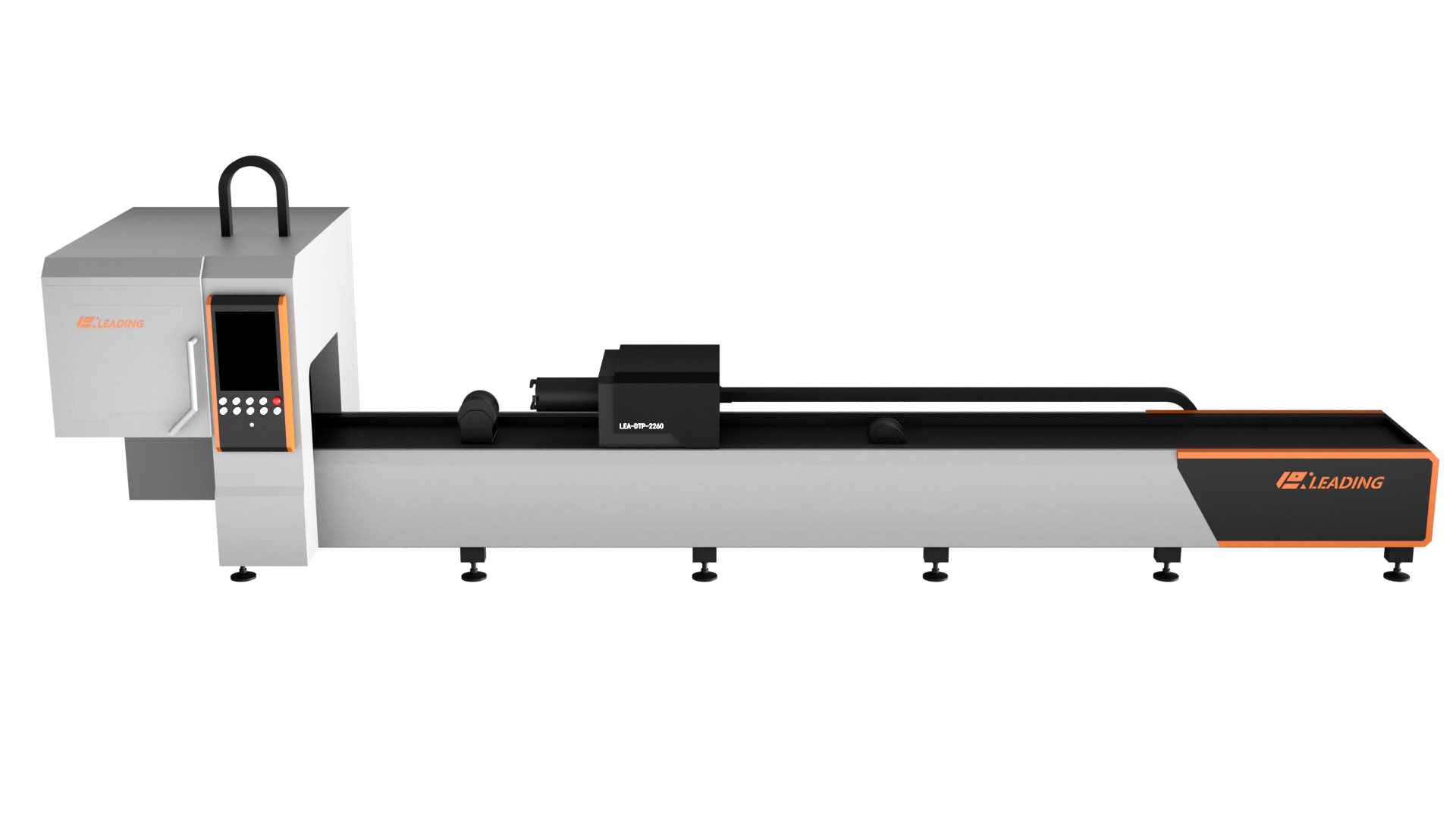
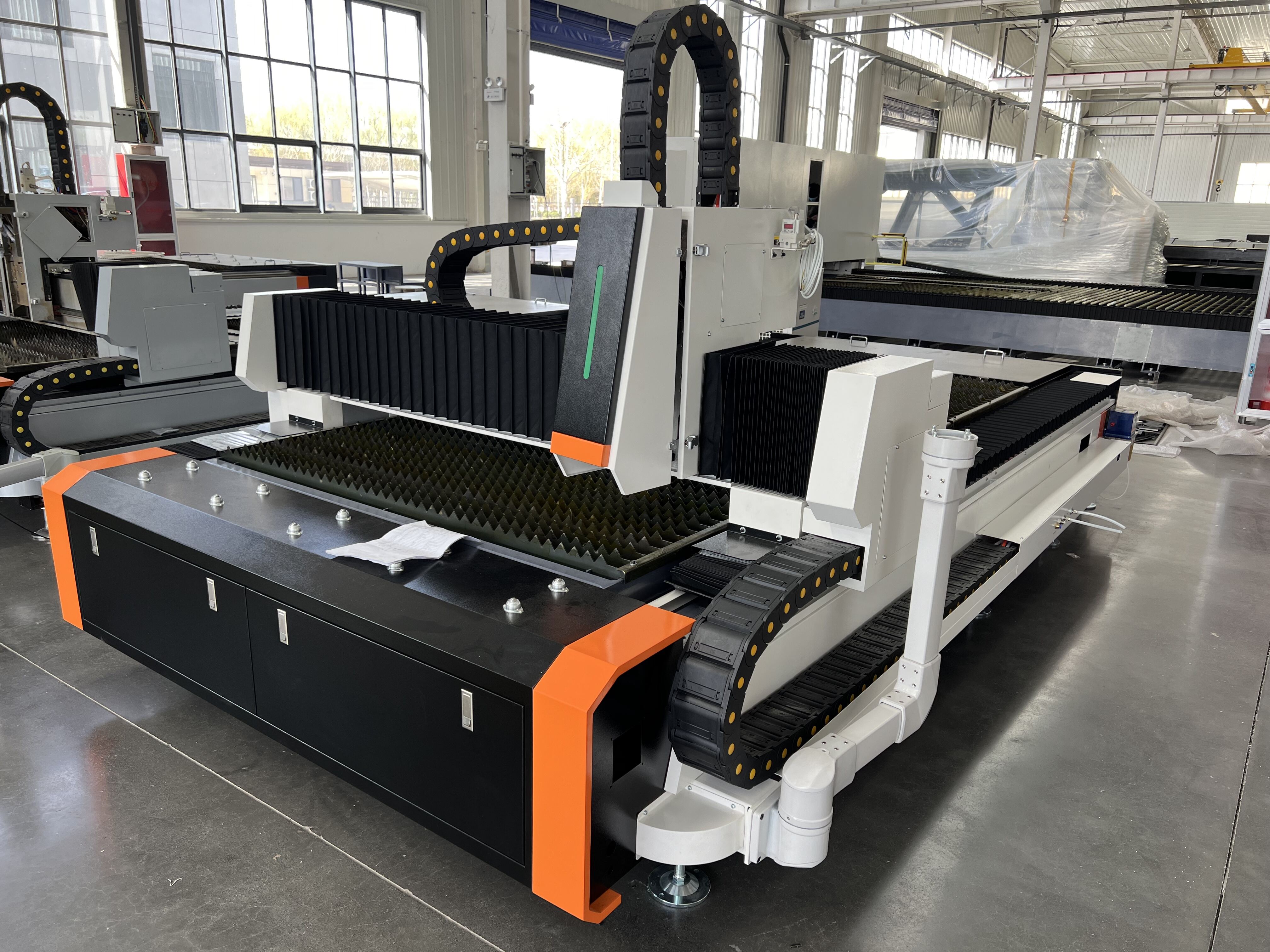
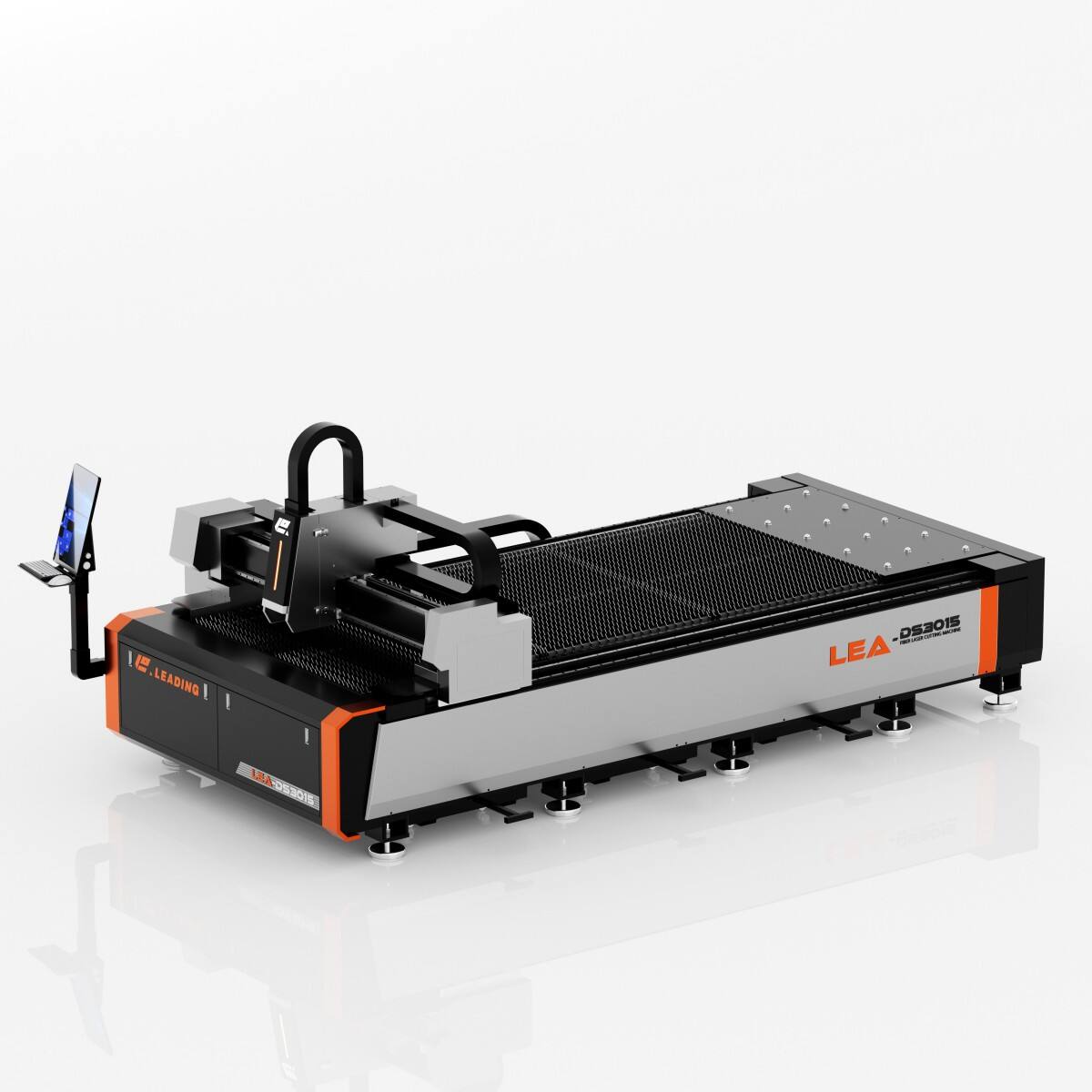
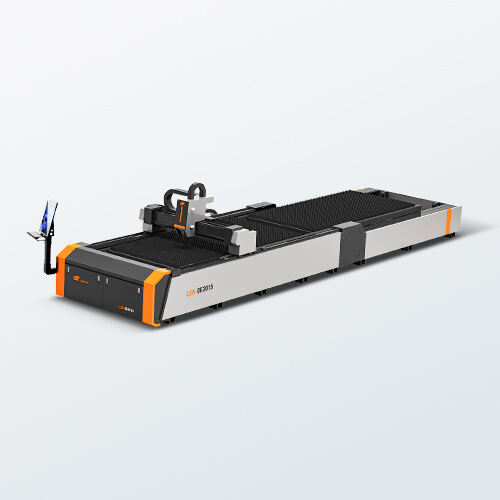
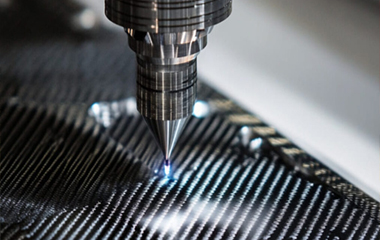
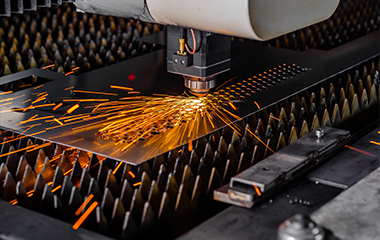
The cheap fibre laser demonstrates remarkable versatility that enables businesses to expand their service offerings and market reach through comprehensive material processing capabilities. This adaptability stems from advanced wavelength technology that optimizes performance across diverse material types including stainless steel, aluminum, carbon steel, brass, copper, and various alloys. The system processes materials ranging from thin sheets to thick plates without requiring equipment modifications or specialized tooling changes. Plastic materials respond excellently to cheap fibre laser processing, enabling clean cuts and precise engraving on acrylic, polycarbonate, ABS, and numerous other polymers commonly used in manufacturing applications. Ceramic and composite materials also process effectively, opening opportunities in aerospace, automotive, and high-tech industries where these advanced materials are increasingly prevalent. The technology handles both cutting and engraving operations seamlessly, allowing operators to switch between applications without machine reconfiguration or extensive setup procedures. Surface marking and etching capabilities enable permanent identification systems, serial numbering, and decorative applications that add value to finished products. Thickness capacity ranges from delicate foils to substantial plates several inches thick, providing flexibility for diverse project requirements without limitations. The cheap fibre laser maintains consistent quality across this entire range of applications, ensuring reliable results regardless of material type or thickness specifications. Programming flexibility allows for complex multi-step operations that combine cutting, engraving, and marking in single automated sequences. This capability reduces handling requirements and processing time while maintaining precise registration between different operation types. Custom applications can be developed quickly through user-friendly software interfaces that accommodate unique project requirements and specialized processing needs. The technology supports both prototype development and production manufacturing, enabling smooth transitions from initial design concepts through full-scale manufacturing implementation without equipment changes or capability limitations.

 EN
EN