small fiber laser engraver
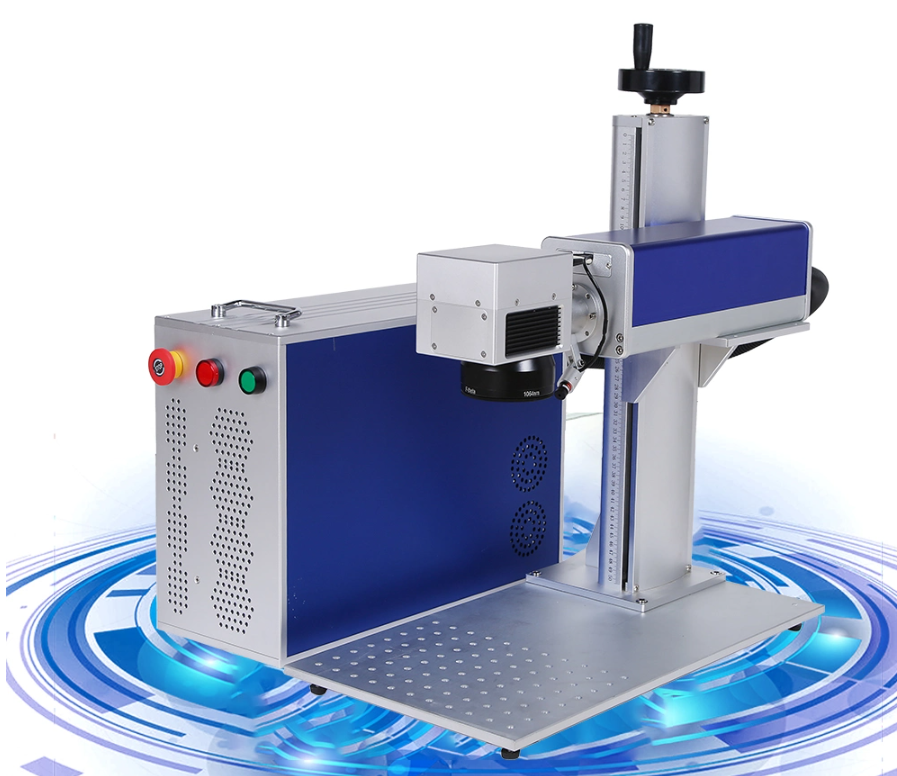
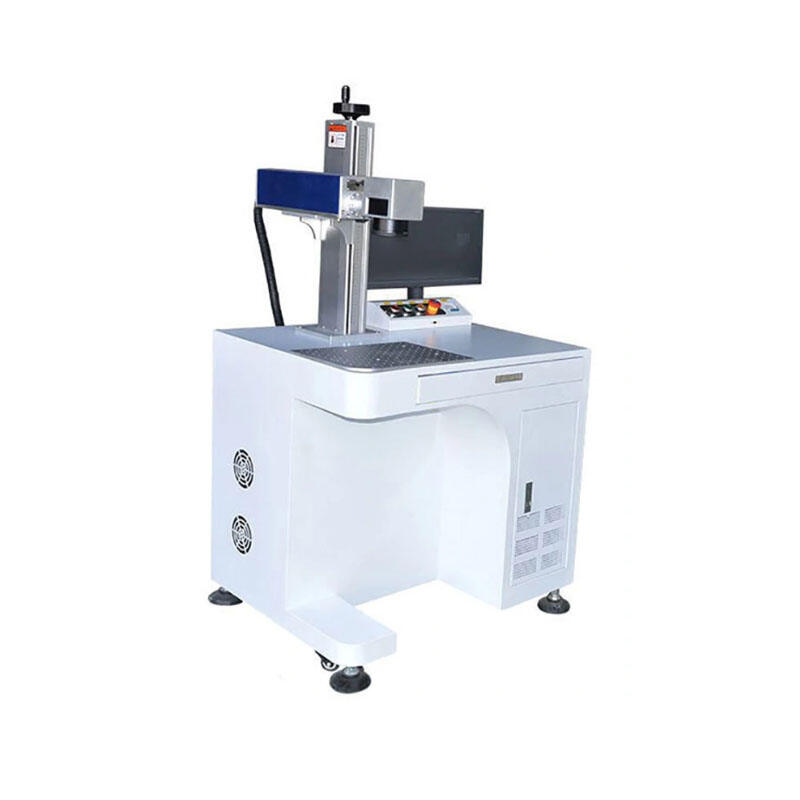
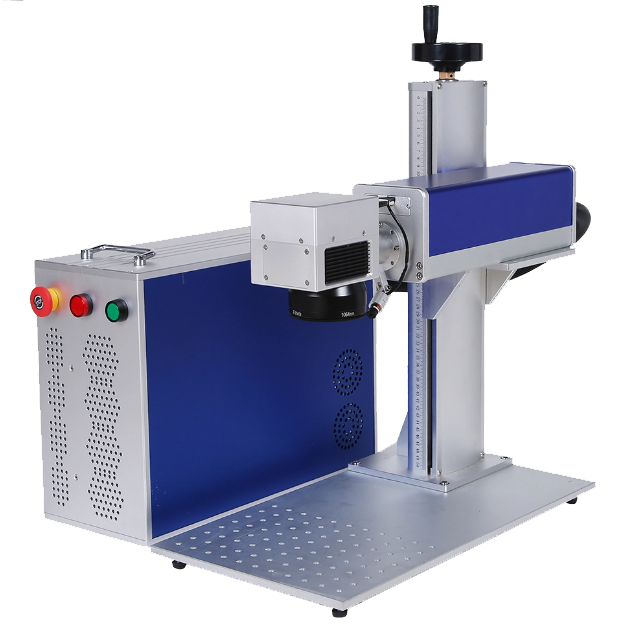
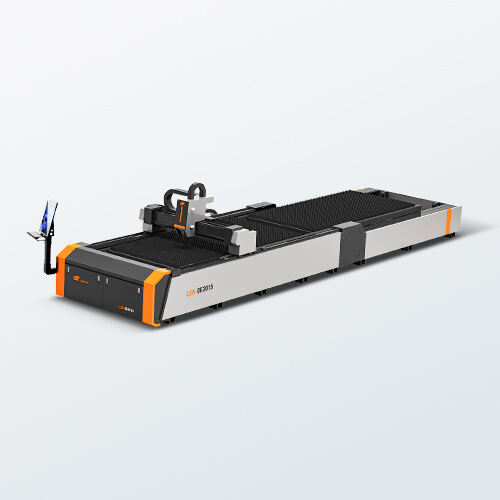
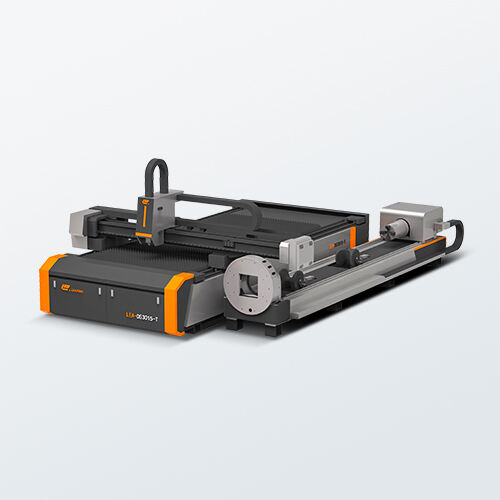
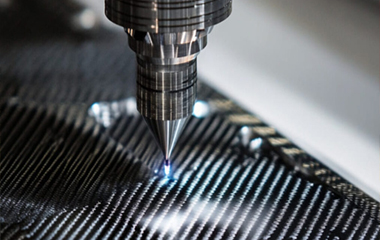
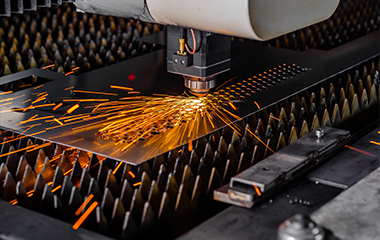
A small fiber laser engraver represents cutting-edge precision technology that transforms how businesses and individuals approach material marking, engraving, and etching processes. This compact yet powerful device utilizes fiber laser technology to deliver exceptional results across diverse materials including metals, plastics, ceramics, and various composites. The small fiber laser engraver operates through concentrated light beam emission that creates permanent markings without physical contact with the workpiece surface. The system generates infrared wavelengths typically around 1064 nanometers, providing optimal absorption rates for most materials. Core functionality encompasses text engraving, logo creation, serial number marking, barcode generation, and intricate pattern designs with microscopic precision. The technological framework incorporates advanced galvanometer scanning systems that enable rapid beam positioning and exceptional accuracy control. Modern small fiber laser engraver units feature user-friendly software interfaces that support various file formats including vector graphics, bitmap images, and CAD drawings. Temperature management systems ensure consistent performance during extended operation periods while maintaining beam quality standards. The engraving process generates minimal heat affected zones, preserving material integrity and producing clean, crisp results. Industrial applications span automotive component marking, medical device identification, jewelry personalization, electronics manufacturing, and aerospace part traceability. Small businesses leverage these systems for custom signage production, promotional item personalization, and specialty manufacturing services. The compact design facilitates integration into existing production workflows without requiring extensive facility modifications. Safety features include protective enclosures, emergency stop mechanisms, and interlock systems that prevent accidental exposure to laser radiation. Maintenance requirements remain minimal due to solid-state construction and absence of consumable components typically found in alternative marking technologies.

 EN
EN