Professional Fiber Laser Metal Engraver - High-Precision Industrial Marking Solutions

All Categories

Get a Free Quote

Our representative will contact you soon.
Name
Mobile
Email
Company Name
Message
0/1000

fiber laser metal engraver

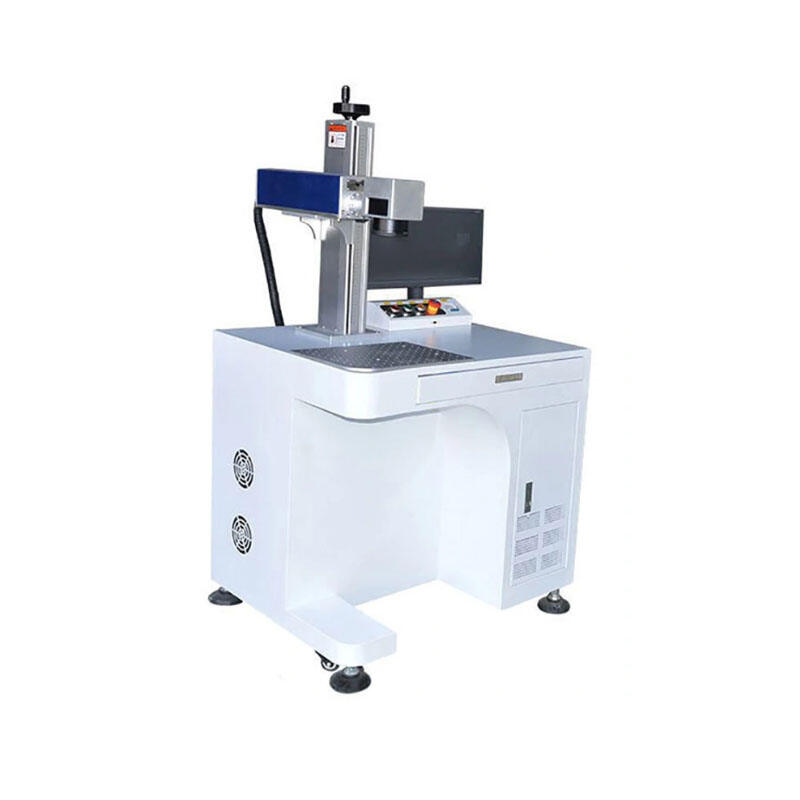
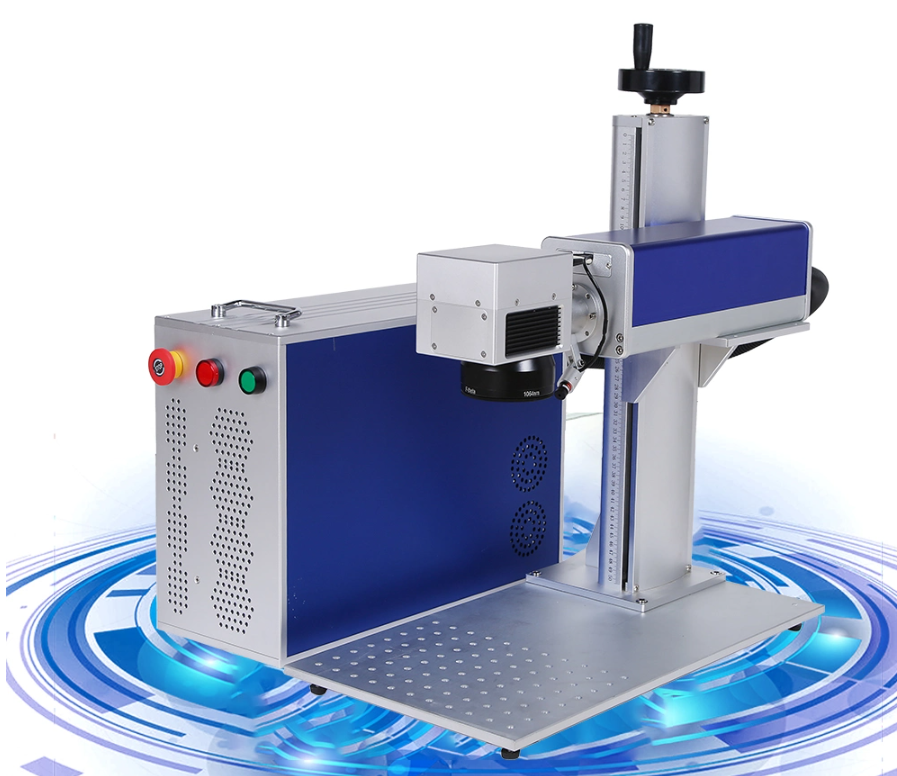
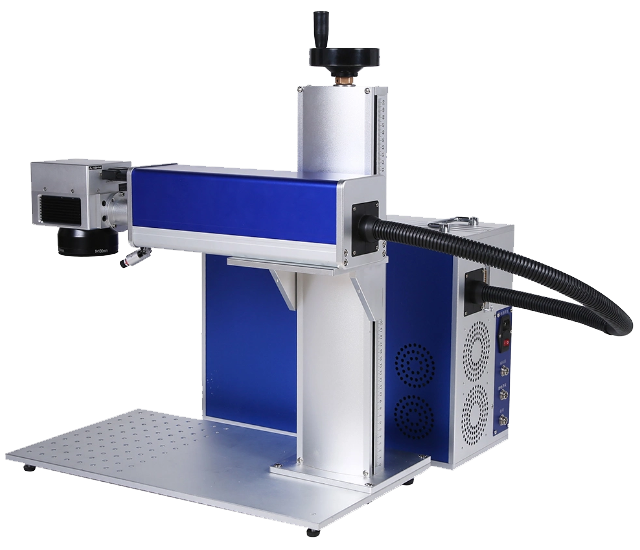
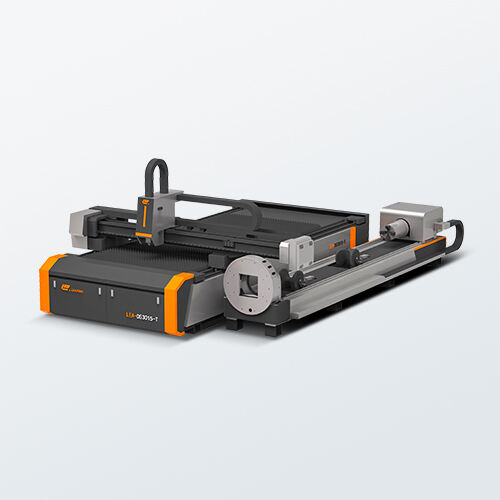
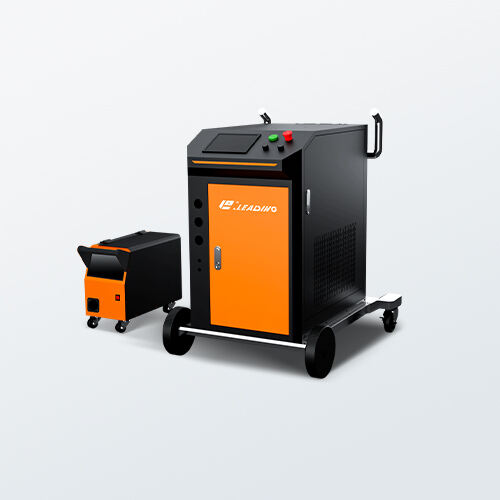
A fiber laser metal engraver represents cutting-edge technology that revolutionizes metal marking and engraving processes across numerous industries. This sophisticated equipment utilizes fiber laser technology to create permanent, high-quality markings on various metal surfaces with exceptional precision and speed. The fiber laser metal engraver operates by generating a concentrated beam of light through optical fibers, which delivers intense energy to the metal surface, causing controlled material removal or modification. This process ensures superior marking quality while maintaining the structural integrity of the workpiece. The main functions of a fiber laser metal engraver include deep engraving, surface etching, serial number marking, logo creation, and barcode generation on metals such as steel, aluminum, brass, copper, and titanium. The technological features encompass advanced beam control systems, computer numerical control integration, and sophisticated cooling mechanisms that ensure consistent performance. Modern fiber laser metal engraver systems incorporate user-friendly software interfaces that allow operators to create complex designs, adjust parameters, and monitor the engraving process in real-time. The applications span across automotive manufacturing, aerospace industry, medical device production, jewelry creation, tool marking, and industrial component identification. These versatile machines excel in producing everything from intricate decorative patterns to functional industrial markings that meet strict regulatory requirements. The fiber laser metal engraver technology offers remarkable flexibility in terms of marking depth, line width, and pattern complexity, making it suitable for both mass production and custom applications. Whether creating serial numbers for traceability, adding decorative elements to jewelry, or marking safety information on industrial equipment, the fiber laser metal engraver delivers consistent, professional results that withstand environmental challenges and maintain clarity over extended periods.


New Product Releases

The fiber laser metal engraver delivers numerous practical benefits that directly impact productivity and profitability for businesses across various sectors. First, this technology provides exceptional speed and efficiency, completing marking tasks significantly faster than traditional engraving methods. The fiber laser metal engraver operates at remarkable speeds while maintaining consistent quality, allowing manufacturers to increase throughput without compromising precision. This enhanced productivity translates into reduced labor costs and faster turnaround times for customer orders. Second, the precision capabilities of a fiber laser metal engraver surpass conventional marking techniques, creating clean, sharp lines with minimal heat-affected zones. This precision ensures that delicate components maintain their structural integrity while receiving permanent markings that resist fading, scratching, or wearing away over time. Third, operational costs remain significantly lower compared to alternative marking solutions. The fiber laser metal engraver requires minimal maintenance, consumes less energy, and eliminates the need for consumable materials like inks, chemicals, or replacement parts. This cost-effectiveness makes the technology attractive for both high-volume production facilities and smaller workshops. Fourth, versatility represents another major advantage, as the fiber laser metal engraver handles various metal types and thicknesses without requiring tool changes or extensive setup modifications. Operators can switch between different materials and marking requirements quickly, maximizing machine utilization and reducing downtime. Fifth, the environmental benefits include zero waste production, no harmful emissions, and reduced material consumption, aligning with modern sustainability goals. The fiber laser metal engraver operates cleanly without generating chemical waste or requiring disposal of consumable materials. Sixth, the technology offers superior repeatability and consistency, ensuring that every marked piece meets identical quality standards regardless of production volume. This reliability reduces quality control costs and minimizes rejection rates, contributing to overall operational efficiency and customer satisfaction.

Latest News

5 Undeniable Advantages of Fiber Laser Cutters Over CO2 & Plasma

20

Oct

5 Undeniable Advantages of Fiber Laser Cutters Over CO2 & Plasma

View More
Beyond Metal: Fiber Laser Cutting in Aerospace & Automotive Composites

20

Oct

Beyond Metal: Fiber Laser Cutting in Aerospace & Automotive Composites

View More
Your 5-Point Checklist for Choosing the Right Fiber Laser Cutter

20

Oct

Your 5-Point Checklist for Choosing the Right Fiber Laser Cutter

View More

Get a Free Quote

Our representative will contact you soon.
Name
Mobile
Email
Company Name
Message
0/1000

fiber laser metal engraver

Unmatched Precision and Quality Control

Unmatched Precision and Quality Control

The fiber laser metal engraver stands out in the marketplace due to its extraordinary precision capabilities that consistently deliver superior marking quality across diverse applications. This advanced technology achieves remarkably fine line widths, often reaching resolutions as precise as 0.01mm, enabling the creation of intricate designs, complex patterns, and detailed text that would be impossible with conventional marking methods. The precision advantage of a fiber laser metal engraver stems from its sophisticated beam control system, which maintains consistent focus and energy distribution throughout the entire marking process. This level of control ensures that every character, line, and symbol appears with identical clarity and depth, regardless of the marking sequence or position on the workpiece. Manufacturing facilities benefit tremendously from this precision because it enables them to create high-density information markings, such as detailed QR codes, complex serial numbers, and multi-line text blocks, without compromising readability or scanning reliability. The fiber laser metal engraver technology also provides exceptional control over marking depth, allowing operators to create everything from subtle surface etchings for aesthetic purposes to deep engravings for permanent identification requirements. This versatility proves invaluable in industries where marking specifications vary significantly between different components or regulatory requirements. Quality control becomes more manageable and reliable when using a fiber laser metal engraver because the consistent results eliminate variations that typically occur with manual or mechanical marking processes. The technology produces uniform character heights, consistent line weights, and predictable marking depths that meet strict manufacturing standards and customer specifications. Additionally, the precision capabilities extend to edge quality, where the fiber laser metal engraver creates clean, burr-free edges that require no additional finishing operations, reducing production time and costs while improving the overall appearance of marked components.
Maximum Operational Efficiency and Cost Savings

Maximum Operational Efficiency and Cost Savings

Operational efficiency represents a cornerstone benefit of implementing fiber laser metal engraver technology, delivering substantial cost savings and productivity improvements that directly impact business profitability. The fiber laser metal engraver operates at exceptional speeds, completing marking tasks in fractions of the time required by traditional methods, which translates into higher throughput and increased production capacity without additional labor investment. This speed advantage becomes particularly valuable in high-volume manufacturing environments where marking represents a potential bottleneck in the production process. The efficiency gains extend beyond mere speed, encompassing reduced setup times, minimal material waste, and streamlined workflow integration that optimizes overall manufacturing operations. Unlike conventional marking systems that require frequent tool changes, material replacements, or extensive setup procedures, the fiber laser metal engraver maintains consistent performance with minimal operator intervention, allowing skilled personnel to focus on higher-value activities. Energy consumption efficiency provides another significant cost advantage, as the fiber laser metal engraver typically uses 70-80% less electricity compared to alternative marking technologies, resulting in substantial utility cost reductions over the equipment's operational lifetime. Maintenance requirements remain minimal due to the solid-state design of fiber laser technology, which eliminates moving parts and reduces wear components that typically require regular replacement in mechanical systems. This reliability advantage translates into reduced downtime, lower maintenance costs, and improved production scheduling predictability. The fiber laser metal engraver also eliminates ongoing consumable costs associated with inks, stencils, chemicals, or replacement tools, creating a more predictable operating cost structure that simplifies budget planning and improves profit margins. Return on investment calculations consistently favor fiber laser metal engraver implementation because the combination of increased productivity, reduced operating costs, and improved quality control creates multiple revenue enhancement opportunities while simultaneously reducing various expense categories that impact overall profitability.
Exceptional Versatility and Application Flexibility

Exceptional Versatility and Application Flexibility

The remarkable versatility of fiber laser metal engraver technology enables businesses to address diverse marking requirements with a single, adaptable solution that grows with changing production needs and market demands. This flexibility represents a significant competitive advantage because the fiber laser metal engraver handles an extensive range of metal materials, including stainless steel, aluminum, brass, copper, titanium, and various alloy compositions, without requiring specialized tooling or setup modifications. Material thickness compatibility spans from ultra-thin foils to substantial plate materials, allowing manufacturers to use the same fiber laser metal engraver for different product lines and component types. The versatility extends to marking applications, where the technology seamlessly transitions between surface etching, deep engraving, annealing, and ablation processes based on specific requirements and material characteristics. This adaptability proves invaluable for contract manufacturers and job shops that serve multiple industries with varying marking specifications and quality standards. Design flexibility represents another crucial aspect of fiber laser metal engraver versatility, enabling operators to create complex graphics, detailed logos, sequential numbering, variable data marking, and custom patterns without programming limitations or design restrictions. The technology accommodates both vector and raster graphics, supports multiple file formats, and integrates with popular design software platforms, ensuring compatibility with existing workflows and design processes. Production flexibility allows the fiber laser metal engraver to handle everything from prototype quantities to high-volume production runs with identical setup procedures and quality results, making it suitable for companies with fluctuating demand patterns or seasonal production variations. Integration capabilities enable the fiber laser metal engraver to connect with automated production systems, robotic handling equipment, and manufacturing execution systems, supporting both standalone operations and fully integrated manufacturing environments. This integration flexibility ensures that the technology adapts to existing production infrastructure while providing pathways for future automation and digital manufacturing initiatives that enhance overall operational efficiency and competitiveness.

Get a Free Quote

Our representative will contact you soon.
Name
Mobile
Email
Company Name
Message
0/1000