Exceptional Versatility and Adaptability for Diverse Metal Marking Applications
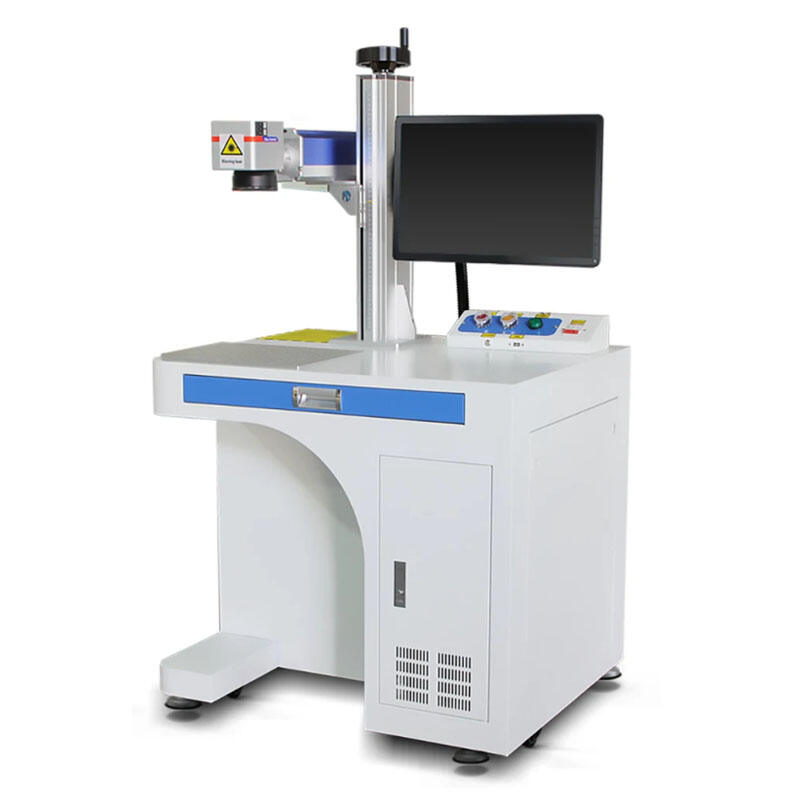
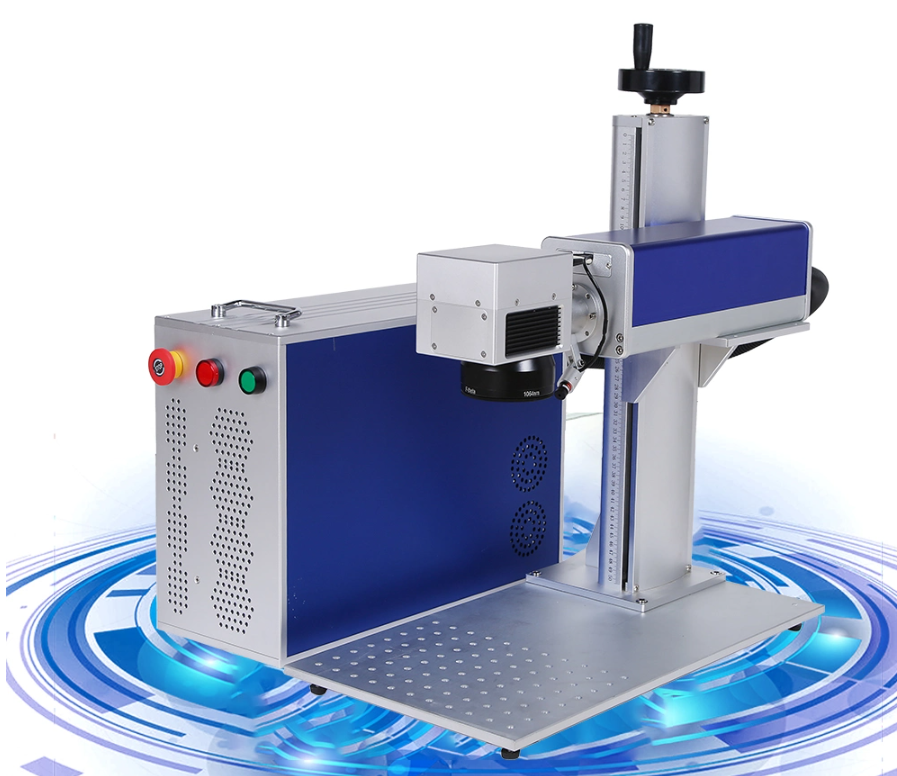
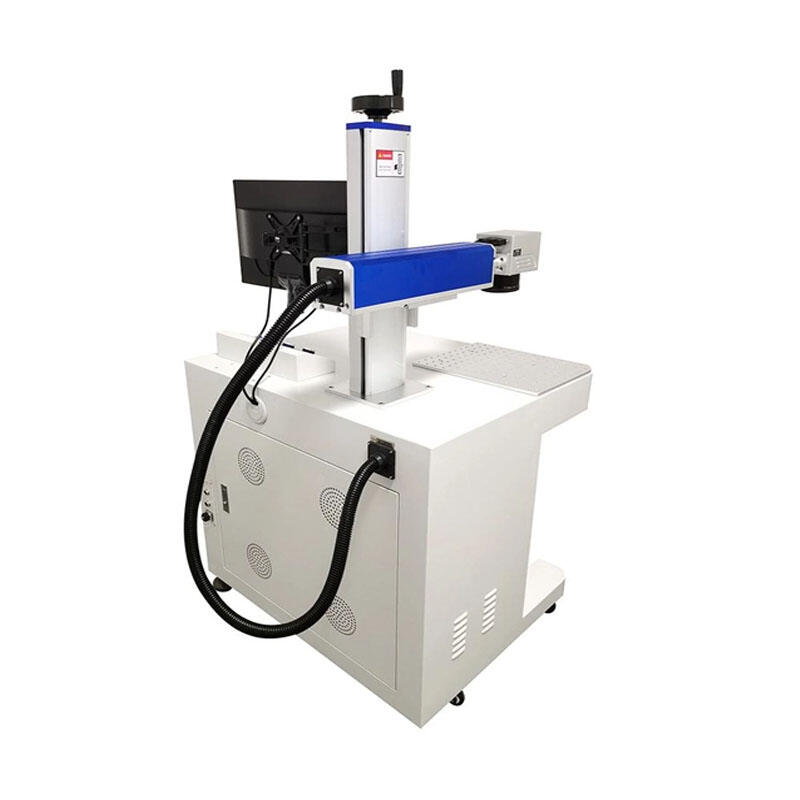
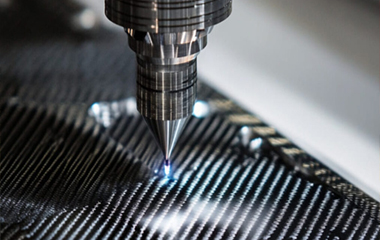
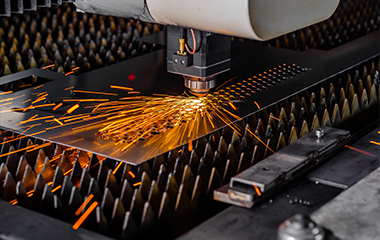
The small laser marking machine for metal demonstrates remarkable versatility that enables manufacturers to address diverse marking requirements across multiple industries and applications with a single, adaptable system. This versatility begins with broad material compatibility, supporting virtually all metal types including stainless steel, aluminum, brass, copper, titanium, gold, silver, and various alloys without requiring specialized tooling or consumables. The adaptability extends to accommodating different material thicknesses, surface finishes, and geometric configurations, from thin metal sheets to thick structural components and from polished surfaces to textured finishes. The small laser marking machine for metal offers multiple marking modes including surface etching for aesthetic applications, deep engraving for permanent identification, annealing for contrast marking without material removal, and ablation for coating removal applications. This flexibility enables manufacturers to optimize marking approaches for specific requirements while maintaining consistent quality standards. Software versatility allows the system to process various file formats including CAD drawings, vector graphics, and bitmap images, ensuring compatibility with existing design workflows and enabling rapid implementation of marking changes. The small laser marking machine for metal supports diverse marking content including text, logos, barcodes, QR codes, serial numbers, date codes, and complex geometric patterns, accommodating both functional identification needs and decorative applications. Parameter adjustment capabilities enable fine-tuning of marking characteristics such as depth, contrast, and surface finish to meet specific customer requirements or regulatory standards. The system adapts seamlessly to different production environments, from high-volume automated lines to low-volume custom manufacturing operations, supporting both continuous operation and intermittent batch processing. Integration flexibility allows the small laser marking machine for metal to function as a standalone workstation or integrate into automated production systems through standard industrial communication protocols. This versatility reduces equipment investment requirements since manufacturers can address multiple marking applications with a single system rather than investing in specialized equipment for each application type, maximizing return on investment while maintaining operational flexibility for future requirements.

 EN
EN