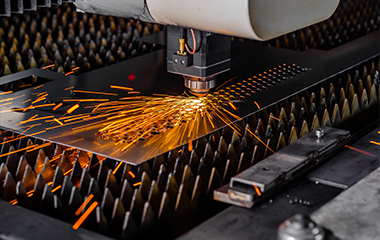
Versatile Material Compatibility and Applications
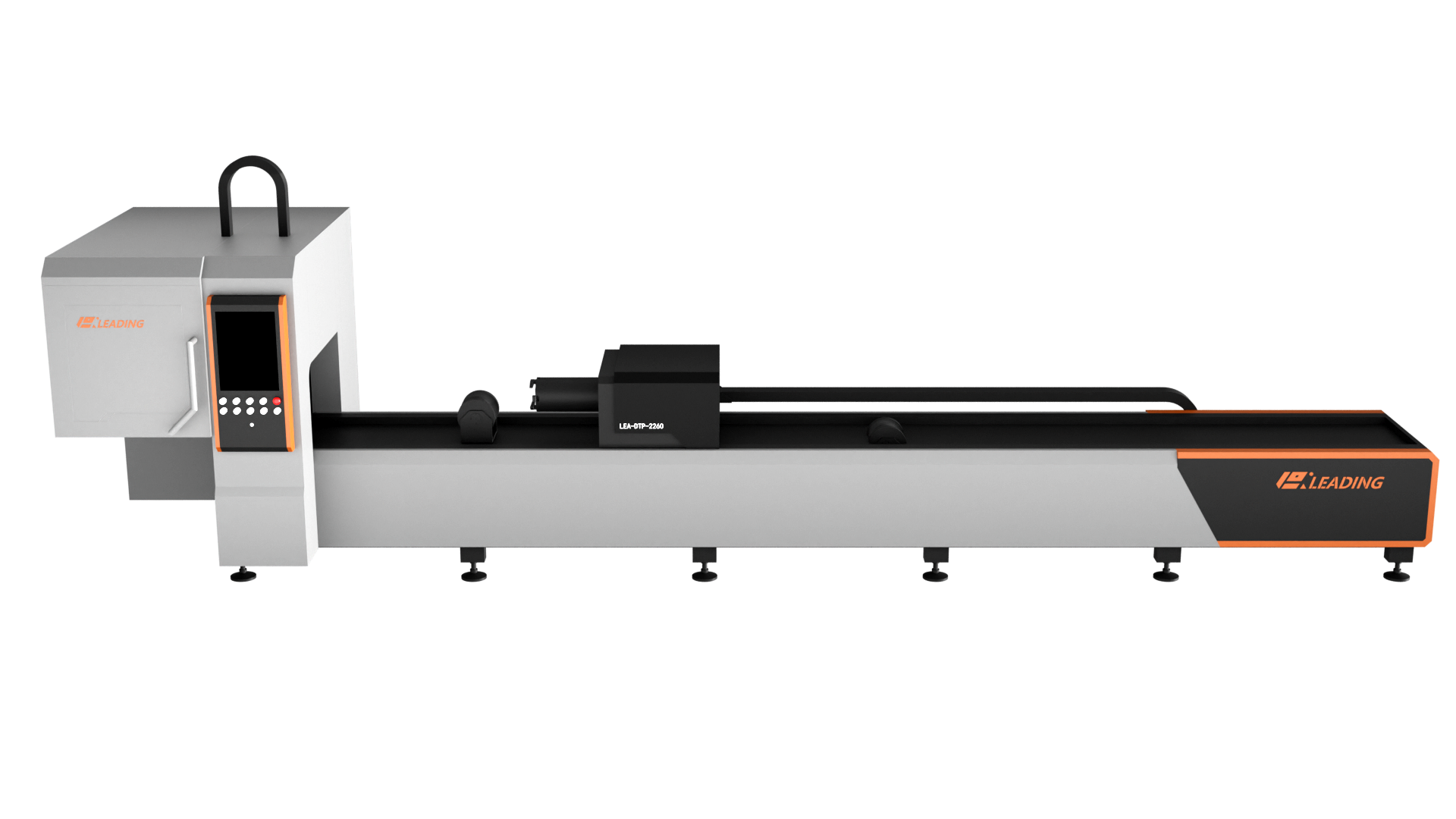
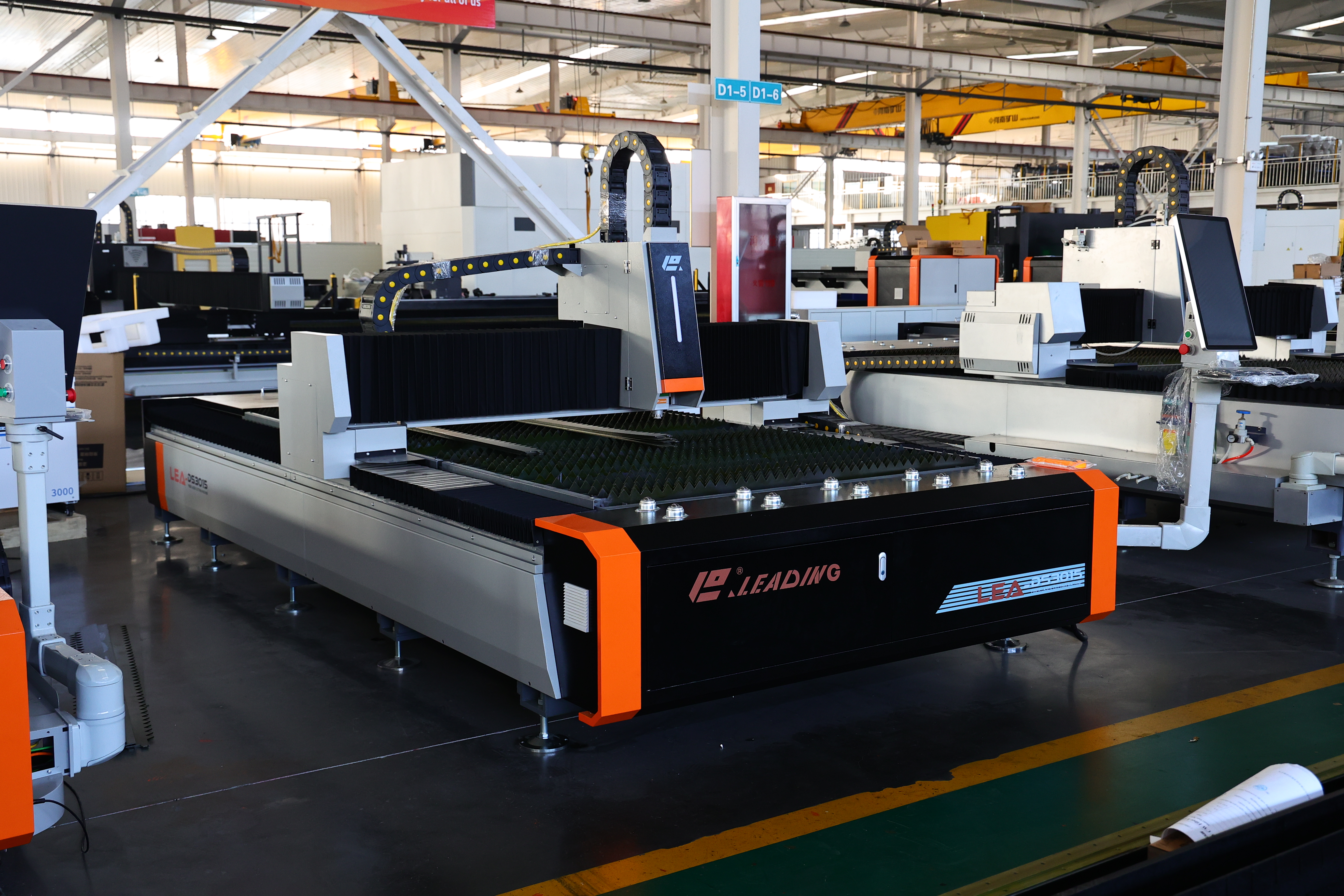
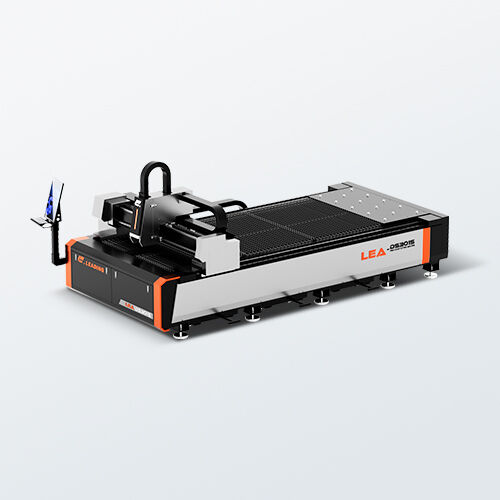
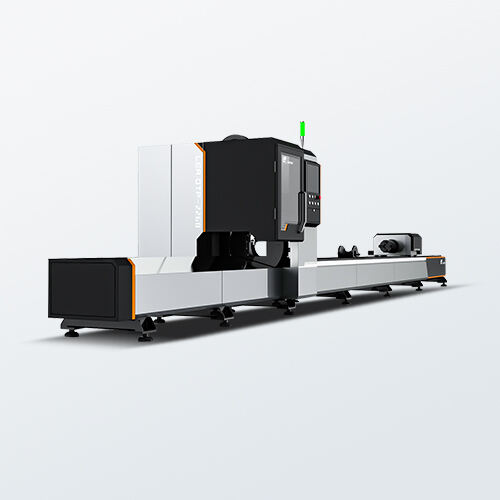
The remarkable versatility of fiber laser cutting aluminum technology extends across an extensive range of aluminum alloys, thicknesses, and surface treatments, making it the preferred choice for diverse industrial applications spanning multiple sectors. Fiber laser cutting aluminum systems excel at processing pure aluminum, aluminum-magnesium alloys, aluminum-silicon combinations, and specialized aerospace-grade alloys with equal effectiveness, accommodating the specific requirements of different industries and applications. The thickness range capability of modern fiber laser cutting aluminum equipment spans from ultra-thin foils measuring just 0.1 millimeters to substantial plates exceeding 25 millimeters thick, providing solutions for applications ranging from delicate electronics housings to heavy industrial components. Surface treatment compatibility represents another significant advantage of fiber laser cutting aluminum technology, as these systems effectively process anodized aluminum, painted surfaces, powder-coated materials, and various protective films without compromising cutting quality or edge finish. The non-discriminatory nature of fiber laser cutting aluminum toward different aluminum tempers enables processing of soft annealed materials, work-hardened alloys, and heat-treated components with consistent results. Specialized aluminum grades used in aerospace applications, including high-strength 7000 series alloys and corrosion-resistant marine-grade materials, respond excellently to fiber laser cutting aluminum processes. The automotive industry benefits tremendously from fiber laser cutting aluminum capabilities, particularly for processing the increasingly popular aluminum body panels, chassis components, and lightweight structural elements. Architectural applications leverage the precision of fiber laser cutting aluminum for creating decorative panels, building facades, and ornamental elements that require both functional performance and aesthetic appeal. Electronics manufacturing utilizes fiber laser cutting aluminum for producing heat sinks, enclosures, and precision brackets where thermal management and electromagnetic shielding properties are critical. The food processing industry relies on fiber laser cutting aluminum for sanitary equipment, conveyor components, and packaging machinery where cleanliness and corrosion resistance are paramount. Marine applications benefit from the ability of fiber laser cutting aluminum to process salt-water resistant alloys for boat hulls, deck components, and marine hardware. The renewable energy sector employs fiber laser cutting aluminum for solar panel frames, wind turbine components, and energy storage system housings. Medical device manufacturing utilizes the precision and cleanliness of fiber laser cutting aluminum for producing surgical instruments, implant components, and diagnostic equipment housings that must meet stringent regulatory requirements.

 EN
EN