Exceptional Material Versatility and Processing Capabilities
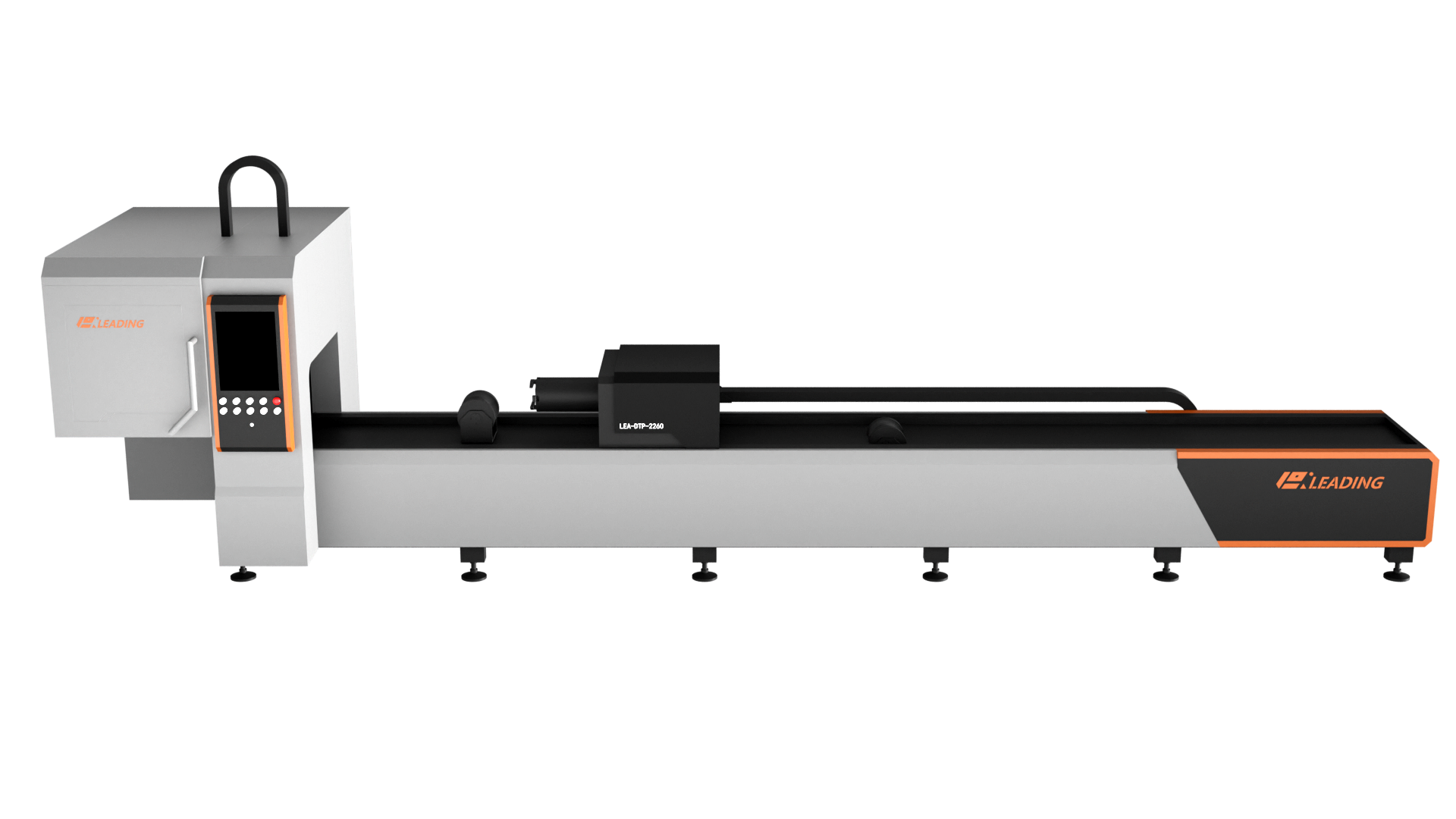
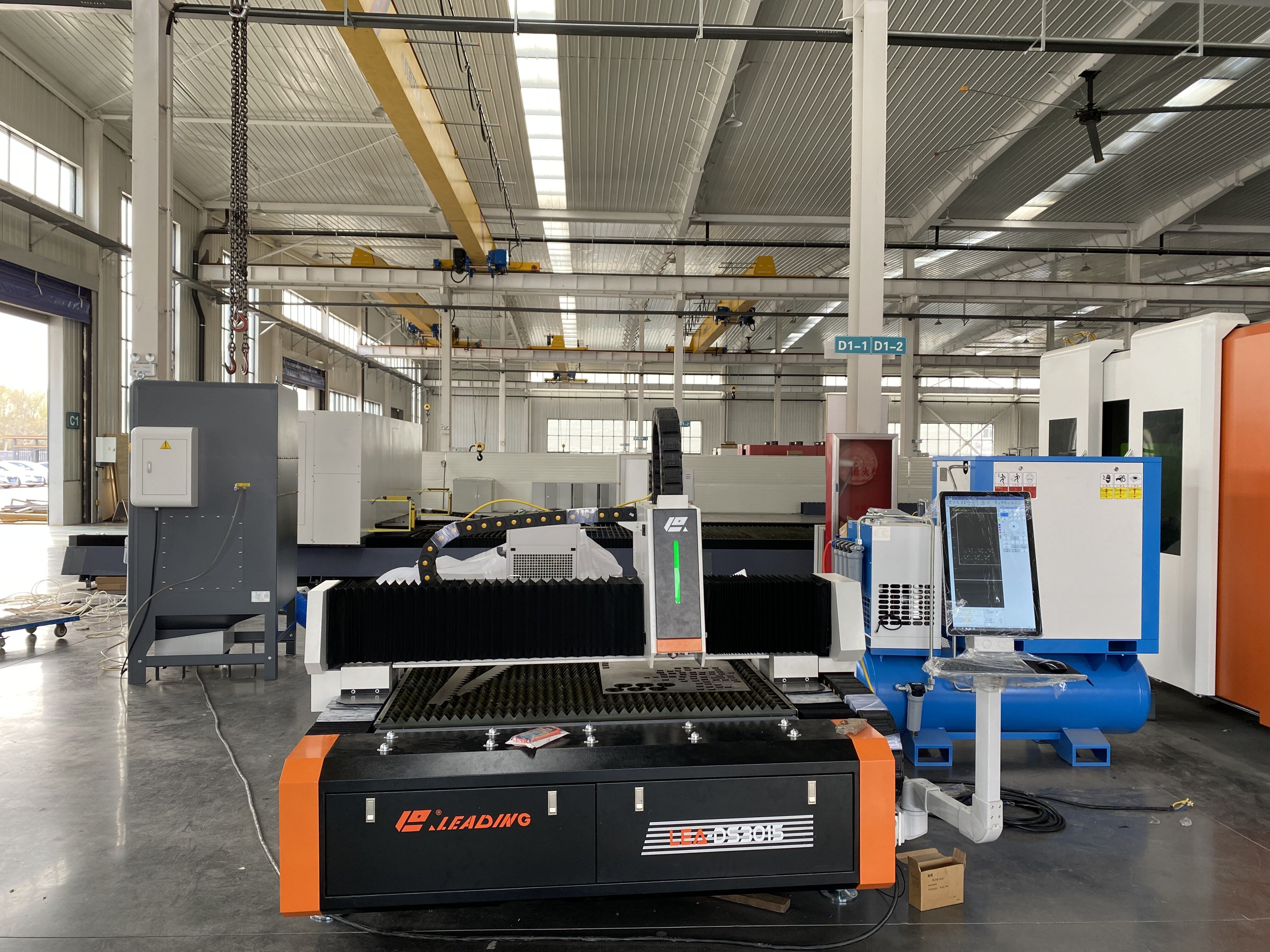
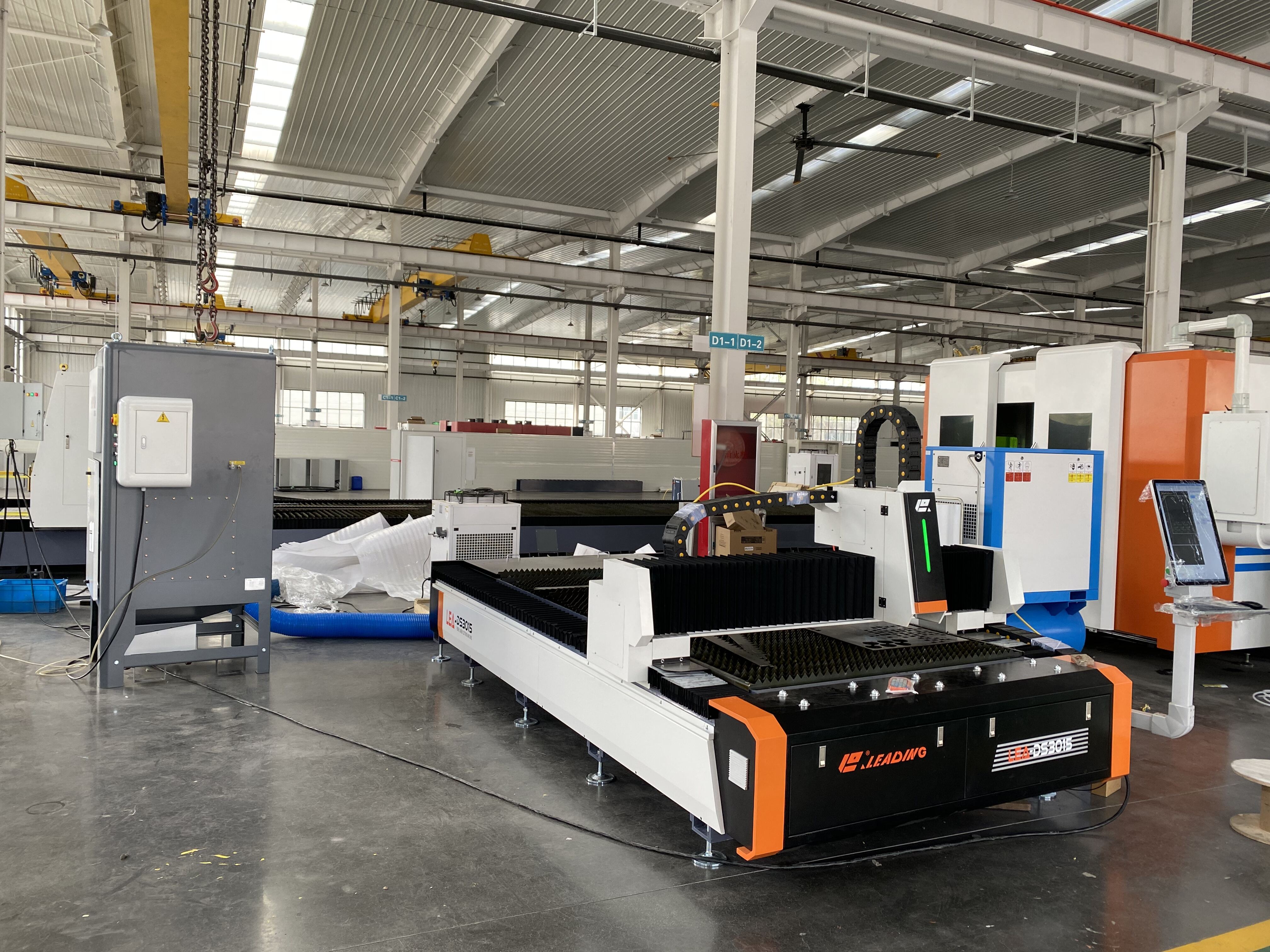
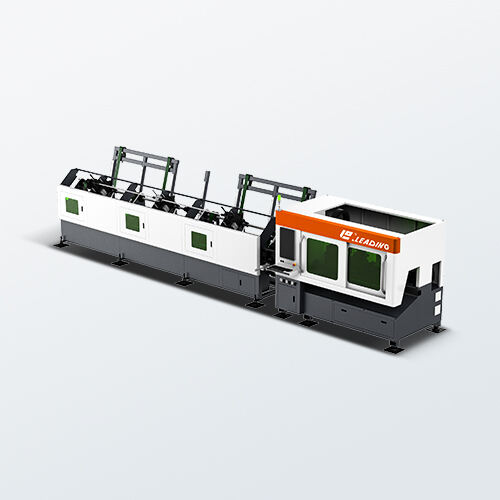
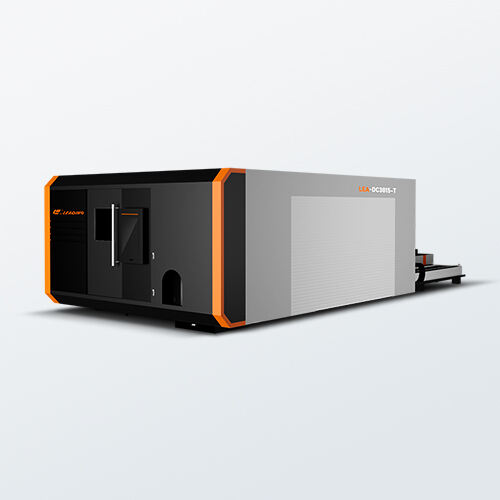
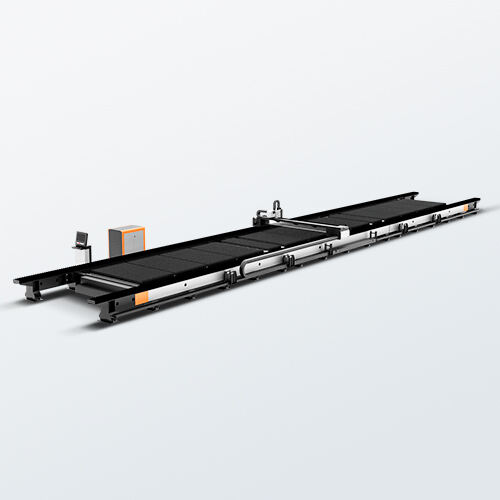
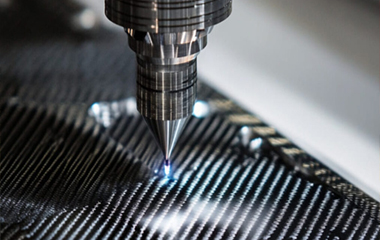
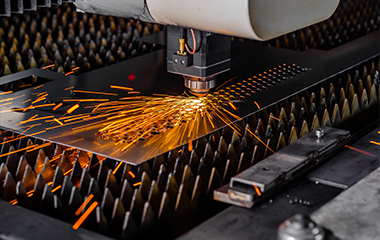
The 3000w laser cutter demonstrates remarkable versatility in processing diverse materials, making it an invaluable asset for manufacturers serving multiple industries with varying material requirements. This comprehensive capability eliminates the need for multiple specialized cutting systems, reducing equipment costs and simplifying production workflows. The system processes metals including stainless steel, aluminum, carbon steel, titanium, and exotic alloys with equal proficiency, while also handling non-metallic materials such as composites, plastics, ceramics, and hybrid materials. Material thickness capabilities extend from thin foils measuring fractions of millimeters to substantial plates exceeding 25mm in steel, providing flexibility to accommodate diverse project requirements within a single machine setup. The 3000w laser cutter adapts cutting parameters automatically based on material properties, ensuring optimal results regardless of whether operators are processing reflective aluminum or heat-sensitive plastics. Advanced gas assist systems provide precise control over cutting environments, using nitrogen for oxidation-free cuts in stainless steel or oxygen to enhance cutting speed in carbon steel applications. The non-contact cutting process prevents material contamination or surface damage that can occur with mechanical cutting methods, particularly important when processing finished surfaces or pre-coated materials. Minimal heat input preserves material properties in heat-treatable alloys and prevents warping in thin sheets that would distort under traditional cutting methods. The 3000w laser cutter processes laminated materials without delamination, composite structures without fiber damage, and coated materials without affecting surface treatments. Material handling flexibility accommodates various sheet sizes, tube cutting applications, and three-dimensional cutting requirements through rotary axis integration. The system maintains consistent quality across different material types, eliminating the trial-and-error approach often required when switching between materials on conventional cutting equipment. Processing capabilities extend to materials with varying surface conditions, including oxidized, painted, or textured surfaces that might challenge other cutting technologies while delivering clean, precise results consistently.

 EN
EN