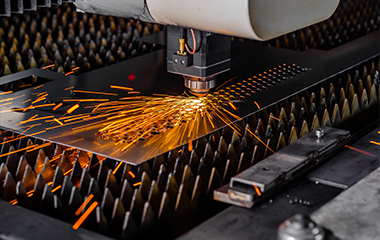
Professional Sheet Metal Fabrication Laser Cutting Services - Precision Manufacturing Solutions

All Categories

Get a Free Quote

Our representative will contact you soon.
Name
Mobile
Email
Company Name
Message
0/1000

sheet metal fabrication laser cutting

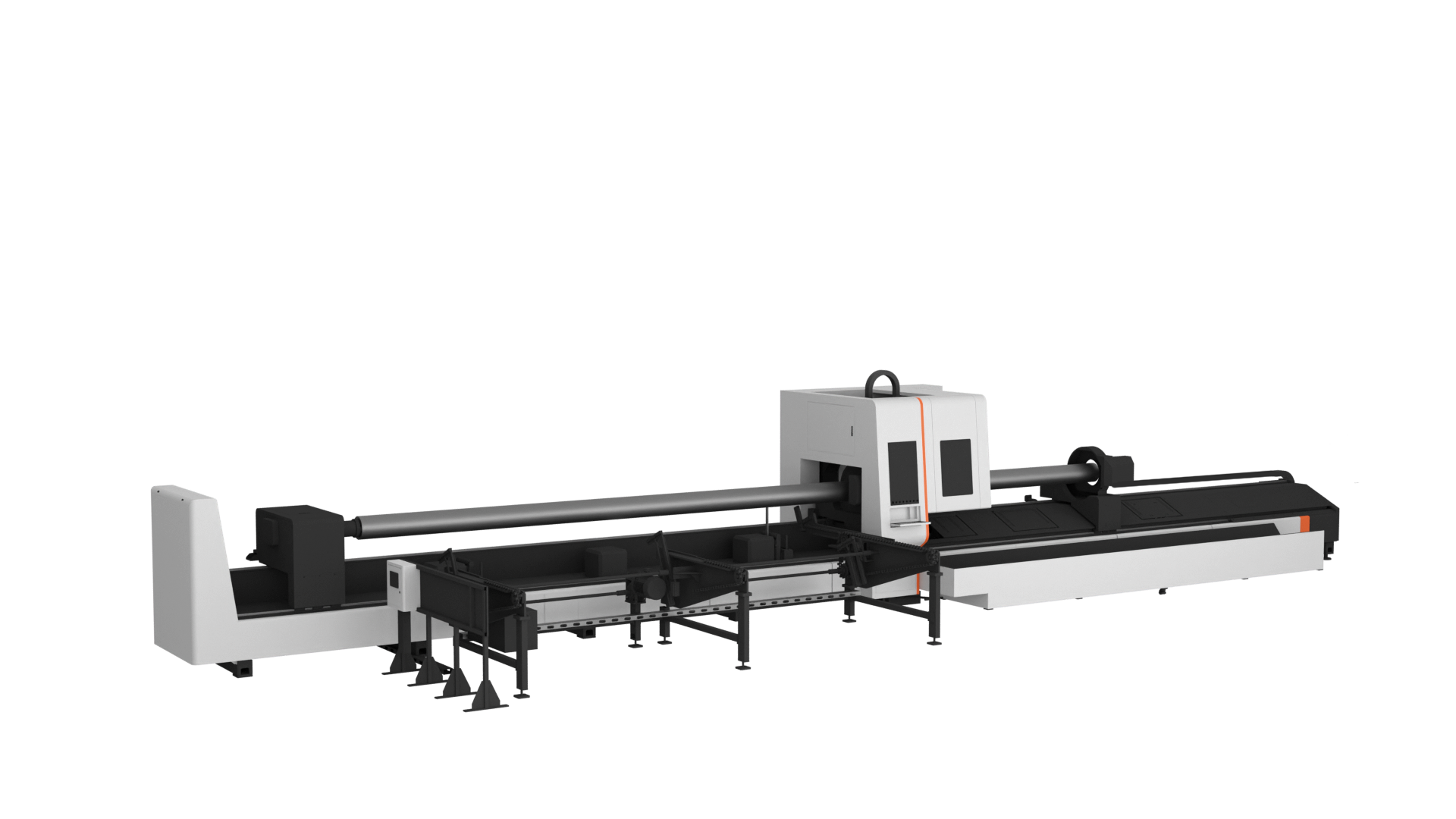
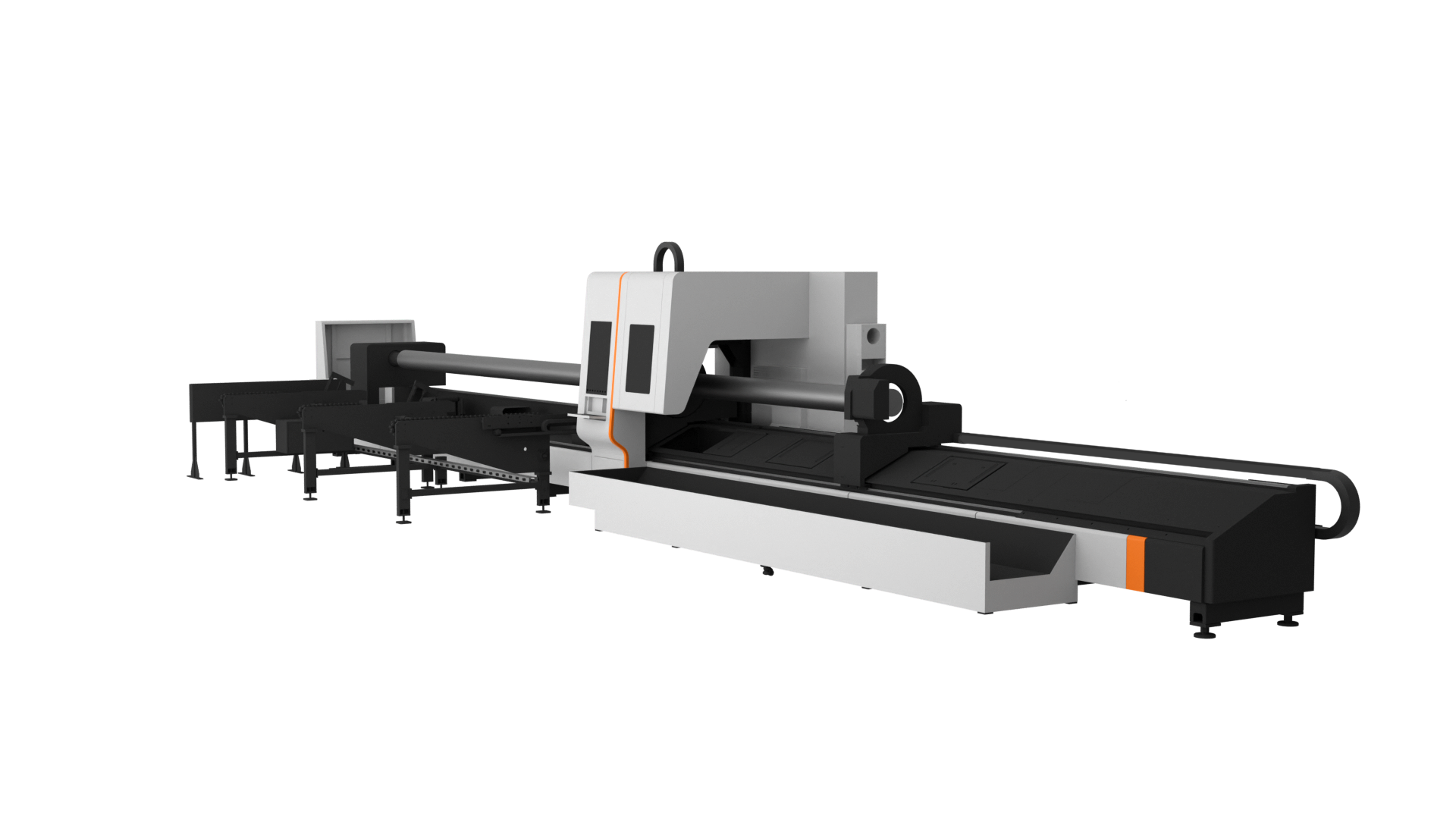
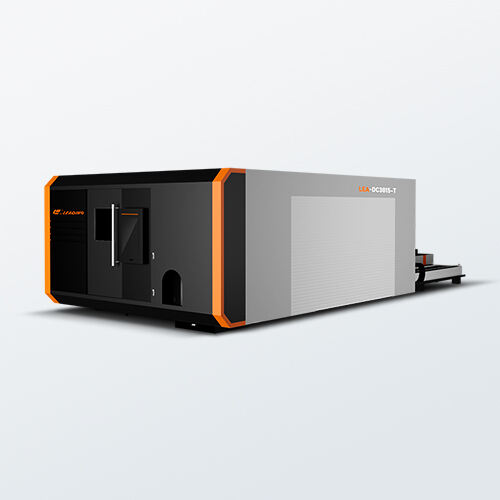
Sheet metal fabrication laser cutting represents a revolutionary manufacturing technology that transforms raw metal sheets into precise, custom components through concentrated laser energy. This advanced process utilizes high-powered laser beams to cut, engrave, and shape various metal materials with exceptional accuracy and efficiency. The technology operates by focusing an intense laser beam onto the metal surface, creating localized heating that melts or vaporizes the material along predetermined cutting paths. Modern sheet metal fabrication laser cutting systems incorporate computer numerical control (CNC) technology, enabling automated operations guided by digital design files. The main functions encompass straight cuts, complex geometric patterns, intricate perforations, and detailed engravings across diverse metal thicknesses. Technological features include adaptive beam control, real-time power adjustment, automated material handling systems, and sophisticated cooling mechanisms that prevent thermal distortion. The process accommodates numerous materials including stainless steel, aluminum, carbon steel, brass, copper, and specialized alloys. Cutting speeds vary based on material type and thickness, with thin sheets processed at remarkable velocities while maintaining dimensional accuracy within tight tolerances. Applications span automotive manufacturing, aerospace components, architectural elements, electronics enclosures, medical device fabrication, industrial machinery parts, and decorative metalwork. The technology supports both prototype development and high-volume production runs, making it invaluable for diverse manufacturing requirements. Sheet metal fabrication laser cutting eliminates traditional tooling costs associated with mechanical cutting methods, enabling rapid design modifications without expensive die changes. The process generates minimal waste material due to narrow kerf widths, optimizing material utilization and reducing production costs. Quality control systems monitor cutting parameters continuously, ensuring consistent results across entire production batches while maintaining strict dimensional specifications required by modern manufacturing standards.


New Product Recommendations

Sheet metal fabrication laser cutting delivers exceptional precision that surpasses traditional cutting methods, achieving tolerances as tight as ±0.1mm consistently across complex geometries. This accuracy eliminates secondary machining operations, reducing production time and costs while ensuring parts fit perfectly in assemblies. The technology processes materials without physical contact, preventing tool wear and maintaining consistent cutting quality throughout extended production runs. Speed advantages become evident when comparing laser cutting to conventional methods, with thin materials cut at rates exceeding several meters per minute while maintaining superior edge quality. The process generates smooth, clean edges that often require no additional finishing, eliminating deburring operations and reducing labor costs significantly. Flexibility represents another major benefit, as sheet metal fabrication laser cutting adapts quickly to design changes through simple software updates rather than expensive tooling modifications. This capability proves invaluable for prototyping and custom manufacturing where design iterations occur frequently. The technology handles intricate patterns, tight radii, and complex contours that challenge traditional cutting methods, expanding design possibilities for engineers and designers. Material versatility allows processing of diverse metals and thicknesses within the same setup, optimizing workflow efficiency and reducing changeover times between different jobs. Automated operation minimizes human intervention, reducing labor costs while improving workplace safety by eliminating operator exposure to sharp cutting tools and heavy machinery. The process generates minimal heat-affected zones, preserving material properties near cut edges and maintaining structural integrity critical for demanding applications. Waste reduction occurs naturally through optimized nesting software that arranges parts efficiently on material sheets, minimizing scrap and reducing material costs. Environmental benefits include reduced energy consumption compared to traditional methods and elimination of cutting fluids that require disposal. Quality consistency remains exceptional throughout production runs, with computer-controlled parameters ensuring identical results for every part. The technology accommodates rush orders effectively, as setup times remain minimal and cutting speeds enable rapid completion of urgent projects. Investment returns prove attractive due to reduced operating costs, improved productivity, and enhanced capability to serve diverse customer requirements with superior quality standards.

Practical Tips

5 Undeniable Advantages of Fiber Laser Cutters Over CO2 & Plasma

20

Oct

5 Undeniable Advantages of Fiber Laser Cutters Over CO2 & Plasma

View More
Beyond Metal: Fiber Laser Cutting in Aerospace & Automotive Composites

20

Oct

Beyond Metal: Fiber Laser Cutting in Aerospace & Automotive Composites

View More
Your 5-Point Checklist for Choosing the Right Fiber Laser Cutter

20

Oct

Your 5-Point Checklist for Choosing the Right Fiber Laser Cutter

View More

Get a Free Quote

Our representative will contact you soon.
Name
Mobile
Email
Company Name
Message
0/1000

sheet metal fabrication laser cutting

Unmatched Precision and Quality Control

Unmatched Precision and Quality Control

Sheet metal fabrication laser cutting achieves extraordinary precision levels that revolutionize manufacturing quality standards across diverse industries. The technology maintains dimensional accuracy within ±0.05mm to ±0.15mm tolerances, depending on material thickness and cutting parameters, ensuring components meet the most stringent specifications required by aerospace, medical, and automotive applications. Advanced beam control systems continuously monitor and adjust laser power, cutting speed, and focus position to compensate for material variations and maintain consistent results throughout entire production runs. This precision eliminates the dimensional drift commonly associated with mechanical cutting tools that wear during operation, providing identical quality from the first part to the last in high-volume production scenarios. The narrow kerf width, typically 0.1mm to 0.3mm, enables tight nesting of parts and intricate features that would be impossible with conventional cutting methods. Quality control systems integrate real-time monitoring capabilities that detect potential issues before they affect production quality, automatically adjusting parameters or alerting operators to maintain optimal cutting conditions. Edge quality remains consistently superior, with minimal heat-affected zones and smooth surfaces that often eliminate secondary finishing operations. This precision extends to complex geometries, including sharp corners, small holes, and intricate patterns that challenge traditional manufacturing methods. The technology accommodates various material thicknesses within the same job, automatically adjusting parameters to maintain quality across different sections. Repeatability proves exceptional, with statistical process control data showing minimal variation between identical parts produced weeks or months apart. This consistency enables lean manufacturing practices and just-in-time production strategies that rely on predictable quality levels. The precision capabilities support demanding applications where dimensional accuracy directly impacts performance, safety, and reliability of finished products.
Exceptional Speed and Efficiency Optimization

Exceptional Speed and Efficiency Optimization

Sheet metal fabrication laser cutting delivers remarkable speed advantages that transform production timelines and manufacturing economics across various industries. Modern laser systems achieve cutting speeds exceeding 20 meters per minute on thin materials while maintaining precision tolerances, dramatically reducing cycle times compared to traditional mechanical cutting methods. The technology eliminates setup time for different part geometries, as program changes occur through software updates rather than physical tool changes or fixture adjustments required by conventional methods. This flexibility enables rapid transitions between different jobs, maximizing machine utilization and responding quickly to changing production demands. Automated material handling systems further enhance efficiency by reducing manual intervention and enabling continuous operation during extended production runs. The simultaneous cutting capability allows multiple parts to be processed within the same cycle, optimizing throughput for high-volume production scenarios. Nesting software maximizes material utilization by arranging parts efficiently on sheets, reducing waste and minimizing material costs while maintaining optimal cutting sequences that reduce total processing time. The process eliminates secondary operations such as deburring, grinding, or machining that traditional cutting methods often require, streamlining workflow and reducing overall production costs. Non-contact cutting prevents tool wear and associated downtime for tool changes and maintenance, ensuring consistent productivity throughout extended operating periods. Rapid prototyping capabilities enable quick turnaround of design iterations, accelerating product development cycles and time-to-market for new products. The technology accommodates rush orders effectively, with minimal setup requirements and high cutting speeds enabling completion of urgent projects without compromising quality standards. Energy efficiency proves superior to many traditional cutting methods, with focused laser energy application minimizing power consumption while maximizing cutting performance. Production scheduling becomes more flexible due to quick changeover capabilities and predictable processing times that enable accurate delivery commitments to customers.
Versatile Material Processing and Design Freedom

Versatile Material Processing and Design Freedom

Sheet metal fabrication laser cutting provides unparalleled versatility in material processing and design capabilities that expand manufacturing possibilities beyond traditional limitations. The technology processes diverse materials including stainless steel, aluminum, carbon steel, titanium, brass, copper, and specialized alloys across thickness ranges from ultra-thin foils to substantial plates, accommodating varied application requirements within the same production facility. Material compatibility extends to reflective metals, coated materials, and pre-painted sheets that challenge other cutting methods, enabling manufacturers to work with materials specifically chosen for end-use performance rather than manufacturing convenience. Design freedom reaches new levels with the ability to create complex geometries, intricate patterns, and detailed features that would be prohibitively expensive or impossible using conventional cutting methods. The technology cuts sharp corners, small radius curves, and intricate perforations with consistent quality, enabling innovative product designs that differentiate manufacturers in competitive markets. Thickness transitions within the same part present no challenges, as laser parameters automatically adjust to maintain cutting quality across varying material sections. The process accommodates both prototype quantities and high-volume production runs without tooling investments, enabling economical manufacturing across diverse order sizes and facilitating market testing of new product concepts. Micro-cutting capabilities enable processing of delicate components with feature sizes measured in micrometers, supporting electronics, medical device, and precision instrument manufacturing requirements. The technology integrates seamlessly with computer-aided design software, enabling direct translation of digital designs into physical parts without intermediate steps or design compromises. Material optimization occurs through advanced nesting algorithms that consider grain direction, material properties, and cutting sequences to maximize yield and maintain part quality. Surface texturing and engraving capabilities add value-added processing options that enhance product appearance and functionality without additional setup or tooling costs. The versatility extends to processing pre-formed materials and assemblies, enabling modifications and repairs that extend product lifecycles and reduce waste in manufacturing operations.

Get a Free Quote

Our representative will contact you soon.
Name
Mobile
Email
Company Name
Message
0/1000