Versatile Applications Across Multiple Industries
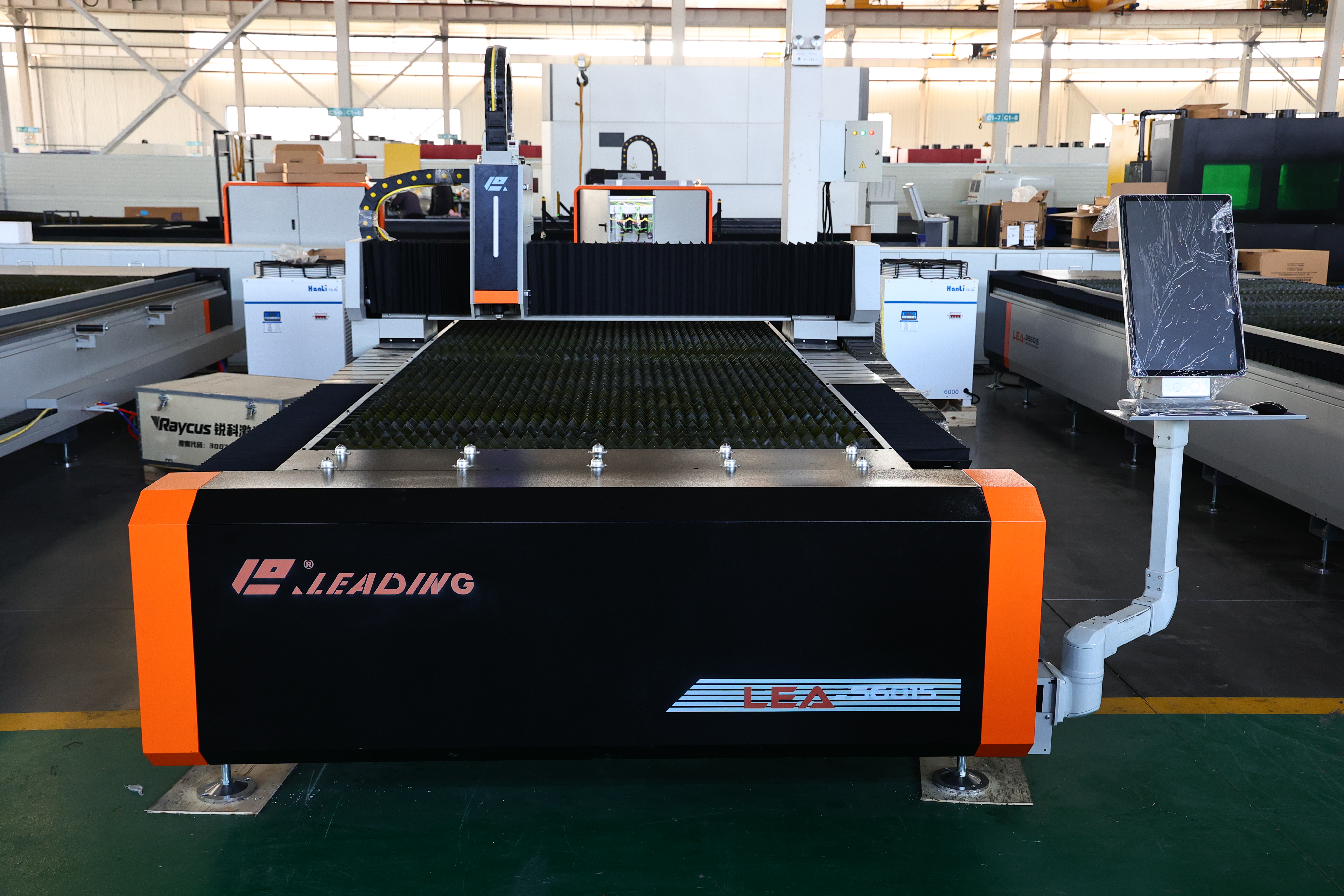
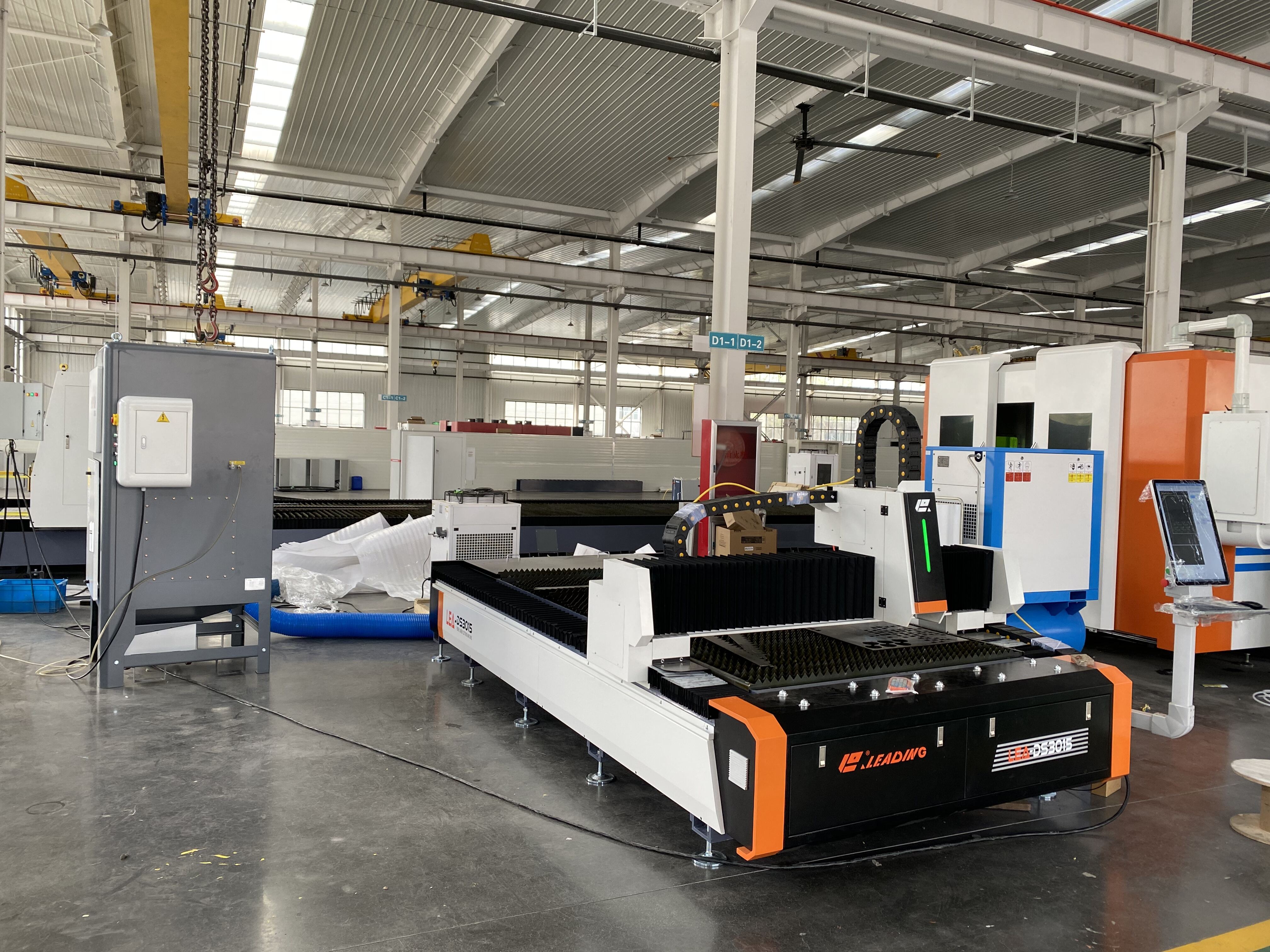
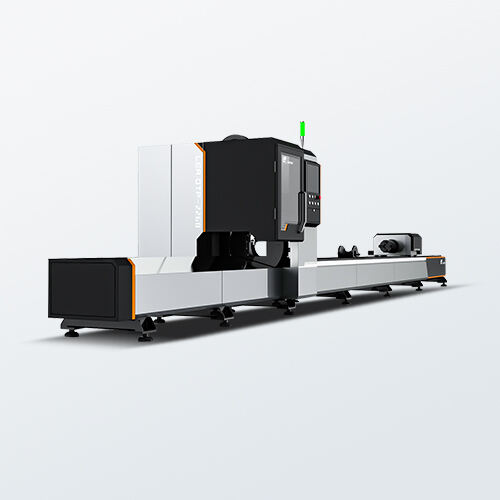
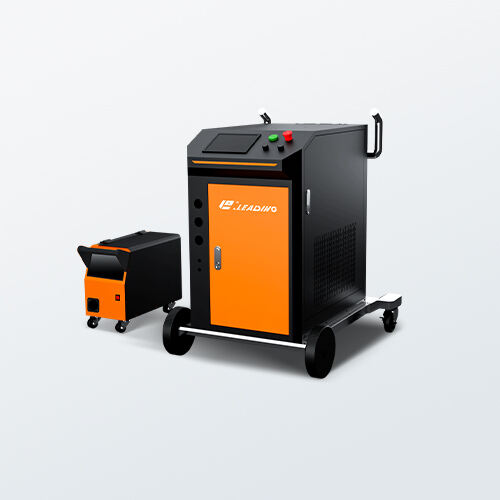
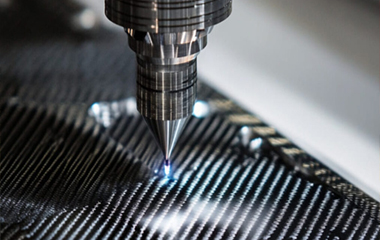
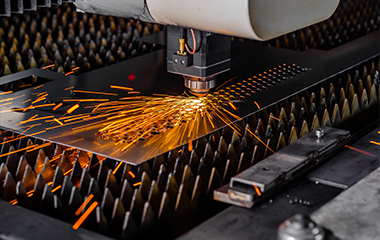
The best metal laser cutting machine demonstrates remarkable versatility across numerous industries, from automotive manufacturing to architectural metalwork, providing solutions for diverse cutting challenges and production requirements. In automotive applications, these machines precisely cut body panels, chassis components, and intricate brackets while maintaining the tight tolerances required for modern vehicle assembly processes. Aerospace manufacturers rely on laser cutting technology to process titanium, aluminum, and specialty alloys used in aircraft components where precision and material integrity are critical safety factors. The construction industry benefits from the ability to cut structural steel, decorative panels, and custom architectural elements with complex geometries that enhance building aesthetics and functionality. Electronics manufacturers use laser cutting to create precise enclosures, heat sinks, and mounting brackets from thin materials while avoiding heat distortion that could affect component performance. The best metal laser cutting machine serves medical device manufacturers by cutting surgical instruments, implant components, and diagnostic equipment housings from biocompatible materials with the precision required for life-critical applications. Signage and advertising companies utilize laser cutting capabilities to create intricate lettering, logos, and decorative elements from various metals, enabling creative designs that attract customer attention. Marine industry applications include cutting hull components, deck fittings, and propeller assemblies where corrosion-resistant materials and precise fits ensure vessel safety and performance. Energy sector manufacturers depend on laser cutting for producing wind turbine components, solar panel frames, and power transmission equipment that must withstand harsh environmental conditions. The flexibility of the best metal laser cutting machine enables rapid prototyping capabilities that accelerate product development cycles across all industries, allowing engineers to quickly test design concepts and iterate improvements before committing to full production tooling investments.

 EN
EN