Advanced Laser Tube Cutting and Bending Solutions - Precision Manufacturing Technology

All Categories

Get a Free Quote

Our representative will contact you soon.
Name
Mobile
Email
Company Name
Message
0/1000

laser tube cutting and bending

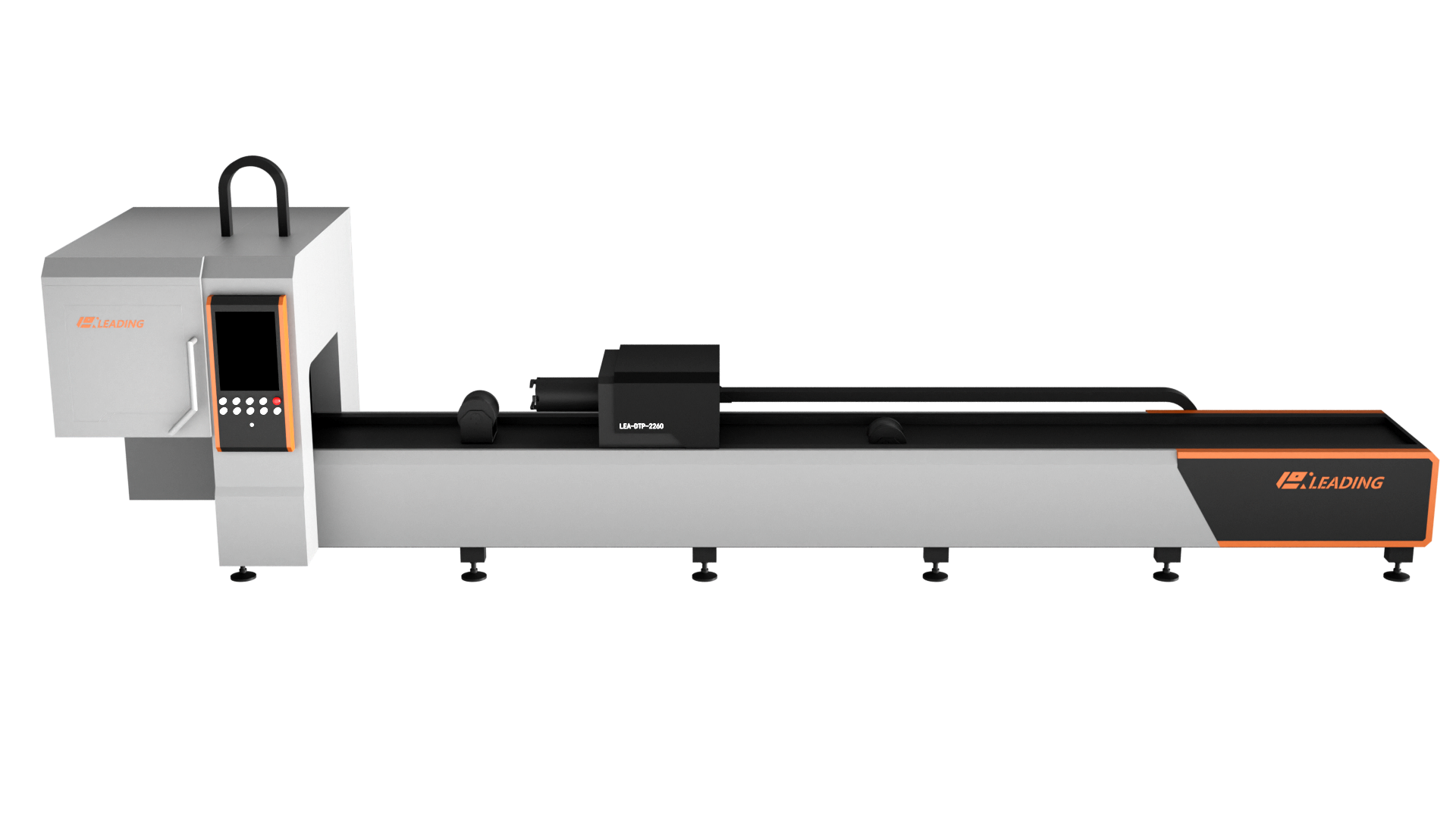
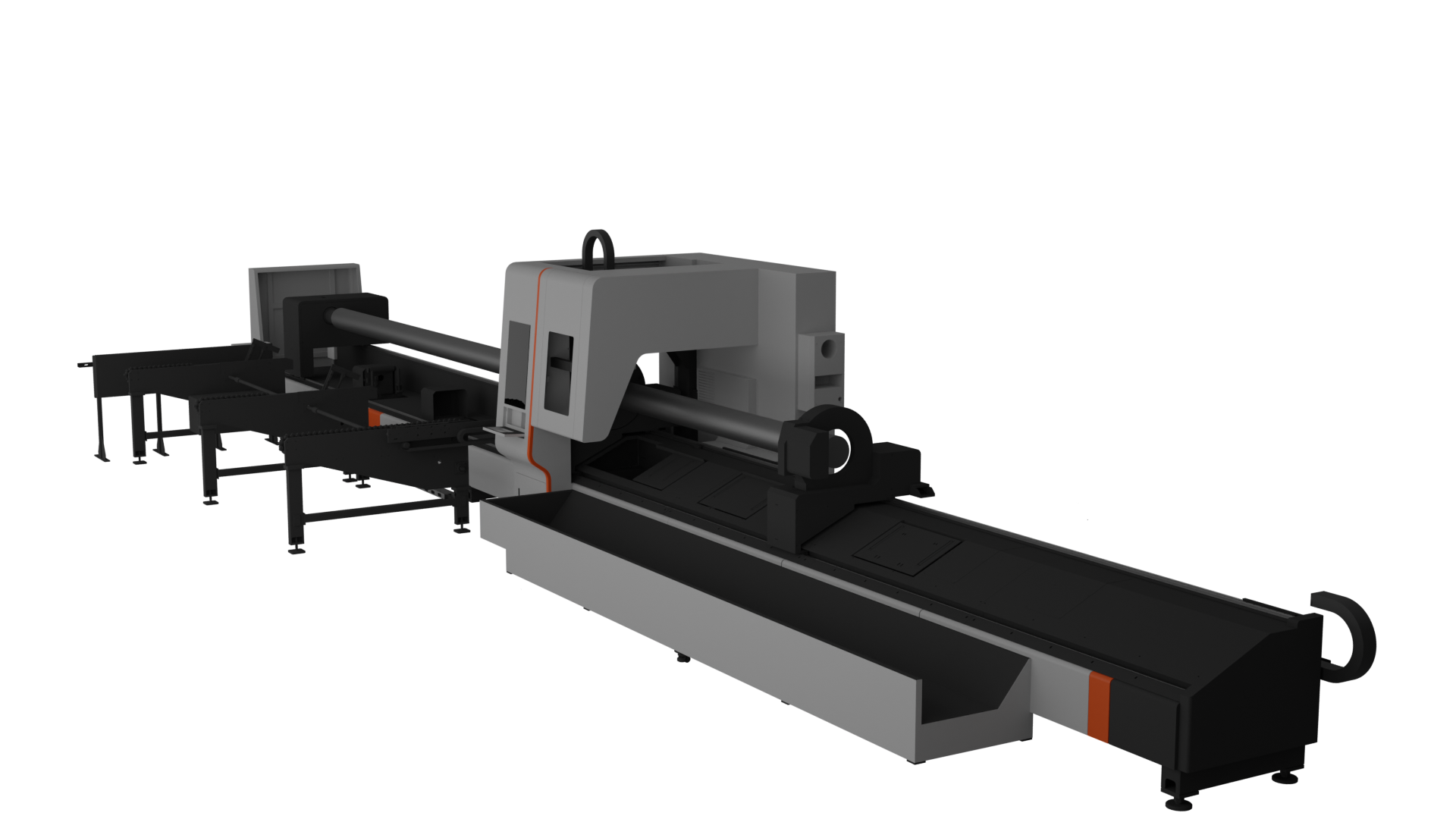
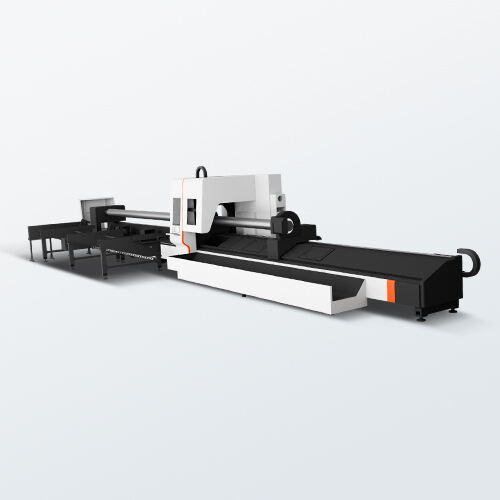
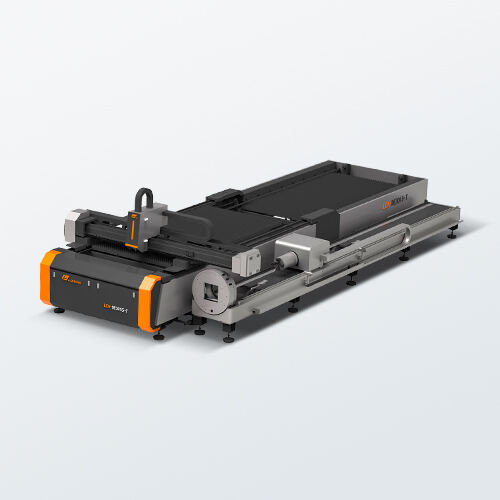
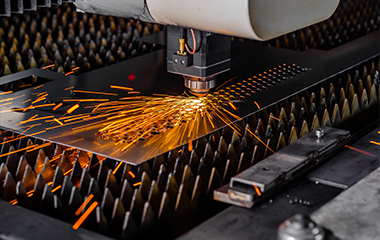
Laser tube cutting and bending represents a revolutionary manufacturing technology that combines precision laser cutting with advanced bending capabilities to process tubular materials with exceptional accuracy and efficiency. This sophisticated process utilizes high-powered laser beams to cut tubes made from various materials including steel, aluminum, stainless steel, and other metals, while simultaneously offering precise bending operations to create complex geometries. The main functions of laser tube cutting and bending encompass the ability to perform intricate cuts, holes, slots, and notches on cylindrical and rectangular tubes, followed by accurate bending operations that transform straight tubes into three-dimensional components. The technological features of this process include computer-controlled positioning systems that ensure consistent repeatability, advanced laser optics that deliver focused energy for clean cuts, and sophisticated bending mechanisms that can achieve multiple angles and radii within a single setup. The integration of CAD/CAM software allows for seamless programming and optimization of cutting patterns and bending sequences, minimizing material waste and maximizing production efficiency. Applications for laser tube cutting and bending span across numerous industries including automotive manufacturing for exhaust systems and chassis components, aerospace for structural frameworks and hydraulic lines, furniture production for metal frames and decorative elements, construction for architectural features and structural supports, and medical device manufacturing for specialized instruments and equipment. The process excels in producing components that require both cutting and forming operations, eliminating the need for multiple manufacturing steps and reducing overall production time. This technology particularly benefits manufacturers who work with complex tube assemblies that demand high precision, consistent quality, and efficient production cycles while maintaining cost-effectiveness in both prototype development and high-volume manufacturing environments.

New Product Recommendations

The advantages of laser tube cutting and bending technology deliver significant value to manufacturers seeking enhanced productivity and superior quality outcomes in their operations. This advanced manufacturing process eliminates the need for multiple setup operations by combining cutting and bending in a single workflow, dramatically reducing production time and labor costs while improving overall efficiency. The precision capabilities of laser tube cutting and bending ensure consistent dimensional accuracy across all produced components, with tolerances typically achievable within thousandths of an inch, resulting in parts that fit perfectly in assemblies without additional machining or adjustment. The technology provides exceptional flexibility in design modifications, allowing engineers to implement changes quickly without expensive tooling modifications or lengthy setup procedures, which proves invaluable during product development phases and custom manufacturing requirements. Material optimization represents another substantial advantage, as the precise laser cutting minimizes waste through efficient nesting algorithms and accurate cuts that require no additional finishing operations. The clean, burr-free cuts produced by laser tube cutting and bending eliminate secondary deburring processes, reducing handling time and improving worker safety while maintaining consistent edge quality throughout production runs. The technology accommodates a wide range of tube sizes, wall thicknesses, and material types, providing manufacturers with versatility to handle diverse product portfolios using a single system. Quality control benefits include repeatable processes that reduce variation between parts, comprehensive documentation capabilities that track production parameters, and integrated measurement systems that verify dimensions during production. The reduced setup times compared to traditional manufacturing methods enable smaller batch production to remain economically viable, supporting just-in-time manufacturing strategies and reducing inventory carrying costs. Environmental advantages include reduced energy consumption compared to conventional cutting methods, minimal material waste generation, and elimination of cutting fluids or coolants that require disposal. The automation capabilities of laser tube cutting and bending systems reduce dependency on skilled labor while maintaining consistent output quality, addressing workforce challenges and enabling 24-hour production capabilities when required. These combined advantages translate into improved profit margins, enhanced customer satisfaction through consistent quality delivery, and competitive positioning in markets demanding precision-manufactured tubular components.

Tips And Tricks

5 Undeniable Advantages of Fiber Laser Cutters Over CO2 & Plasma

20

Oct

5 Undeniable Advantages of Fiber Laser Cutters Over CO2 & Plasma

View More
Beyond Metal: Fiber Laser Cutting in Aerospace & Automotive Composites

20

Oct

Beyond Metal: Fiber Laser Cutting in Aerospace & Automotive Composites

View More
Your 5-Point Checklist for Choosing the Right Fiber Laser Cutter

20

Oct

Your 5-Point Checklist for Choosing the Right Fiber Laser Cutter

View More

Get a Free Quote

Our representative will contact you soon.
Name
Mobile
Email
Company Name
Message
0/1000

laser tube cutting and bending

Unmatched Precision and Accuracy in Complex Geometries

Unmatched Precision and Accuracy in Complex Geometries

The precision capabilities of laser tube cutting and bending technology represent a paradigm shift in manufacturing accuracy that enables the production of highly complex tubular components previously impossible or economically unfeasible with conventional methods. This extraordinary precision stems from the laser beam's focused energy delivery, which creates cut widths as narrow as 0.1mm while maintaining perpendicular edges with minimal heat-affected zones that preserve material properties throughout the cutting process. The computer-controlled positioning systems achieve repeatability within ±0.025mm across all axes, ensuring that every component produced meets exact specifications regardless of production volume or operator variation. The bending accuracy complements the cutting precision through servo-controlled mandrels and pressure dies that maintain consistent radius formation and prevent tube deformation during the forming process. This level of accuracy becomes particularly critical when manufacturing components for industries such as aerospace, medical devices, and precision machinery, where dimensional variations can compromise performance, safety, or functionality. The technology's ability to maintain tight tolerances while processing various tube geometries, including round, square, rectangular, and oval profiles, provides designers with unprecedented freedom to create optimized structures that maximize strength-to-weight ratios and functional performance. Quality assurance benefits from this precision include reduced inspection requirements, lower rejection rates, and improved assembly processes where components fit together seamlessly without manual adjustments or rework. The consistent accuracy across production runs enables manufacturers to implement statistical process control methods that predict and prevent quality issues before they occur, resulting in improved customer satisfaction and reduced warranty claims. Furthermore, the precision of laser tube cutting and bending eliminates the need for secondary operations such as machining, grinding, or hand-fitting, reducing overall production costs and lead times while maintaining superior surface finishes and dimensional stability that meet the most demanding application requirements.
Revolutionary Efficiency Through Integrated Manufacturing

Revolutionary Efficiency Through Integrated Manufacturing

The integrated manufacturing approach of laser tube cutting and bending represents a revolutionary advancement in production efficiency that transforms traditional multi-step processes into streamlined single-setup operations, delivering unprecedented time savings and cost reductions across manufacturing environments. This integration eliminates the typical workflow interruptions associated with moving parts between cutting stations, bending equipment, and quality control checkpoints, reducing handling time by up to 70% compared to conventional manufacturing sequences. The seamless transition from cutting to bending operations occurs within the same machine setup, maintaining precise part positioning and eliminating potential errors introduced during material handling and repositioning between separate operations. Advanced programming capabilities enable simultaneous optimization of cutting patterns and bending sequences, maximizing material utilization while minimizing cycle times through intelligent path planning and operation sequencing. The efficiency gains extend beyond simple time savings to encompass reduced work-in-process inventory, lower space requirements, and simplified production planning that improves overall facility utilization and reduces capital investment requirements. Operators benefit from simplified training requirements as they master a single integrated system rather than multiple specialized machines, reducing labor costs and improving workforce flexibility across production schedules. The integrated approach also enables real-time quality monitoring throughout the entire manufacturing process, with immediate feedback systems that detect and correct variations before they affect subsequent operations or finished part quality. Setup time reductions represent another significant efficiency advantage, with changeovers between different part configurations accomplished through software programming rather than physical tooling changes, enabling small batch production to achieve economic viability previously reserved for high-volume manufacturing. The technology's ability to process multiple part varieties within single production runs, combined with automated material handling systems, creates flexible manufacturing cells that respond quickly to changing customer demands while maintaining consistent productivity levels. These efficiency improvements translate directly into competitive advantages through reduced lead times, lower production costs, improved resource utilization, and enhanced capability to meet tight delivery schedules while maintaining quality standards that exceed customer expectations across diverse industrial applications.
Superior Material Versatility and Design Freedom

Superior Material Versatility and Design Freedom

The material versatility and design freedom offered by laser tube cutting and bending technology opens unprecedented possibilities for engineers and designers to create innovative tubular components that optimize performance, aesthetics, and functionality across diverse applications and industries. This remarkable versatility encompasses the ability to process materials ranging from thin-walled stainless steel and aluminum alloys to high-strength carbon steel and exotic metals, with wall thicknesses from 0.5mm to 25mm while maintaining consistent cut quality and dimensional accuracy throughout the material spectrum. The laser cutting process adapts automatically to different material properties through programmable parameters that optimize cutting speed, power levels, and assist gas selection, ensuring clean cuts regardless of material composition or thickness variations. Design freedom manifests through the technology's capability to create complex cut patterns including intricate perforations, slots, notches, and decorative elements that would be impossible or cost-prohibitive using traditional cutting methods. The three-dimensional bending capabilities enable the creation of complex spatial geometries with multiple bends, varying radii, and compound angles within single components, eliminating the need for welded assemblies and improving structural integrity while reducing weight and material costs. Material optimization benefits include the ability to vary wall thickness along tube length through strategic cutting patterns, create lightening holes that reduce weight without compromising strength, and implement functional features such as mounting tabs, connection ports, and assembly guides directly during the manufacturing process. The technology accommodates both standard and custom tube profiles, including round, square, rectangular, oval, and specialized shapes, providing designers with complete freedom to optimize cross-sectional properties for specific loading conditions and performance requirements. Prototyping advantages include rapid iteration capabilities that enable design modifications without tooling changes, supporting accelerated product development cycles and reduced time-to-market for innovative products. The versatility extends to surface treatment compatibility, with laser-cut edges requiring minimal preparation for subsequent coating, welding, or assembly operations, improving overall manufacturing workflow efficiency. This combination of material versatility and design freedom enables manufacturers to consolidate multiple components into single integrated parts, reducing assembly complexity, improving reliability, and creating opportunities for cost reduction and performance enhancement that drive competitive advantage in demanding market segments.


Get a Free Quote

Our representative will contact you soon.
Name
Mobile
Email
Company Name
Message
0/1000