Superior Cost-Effectiveness Through Integrated Manufacturing Solutions
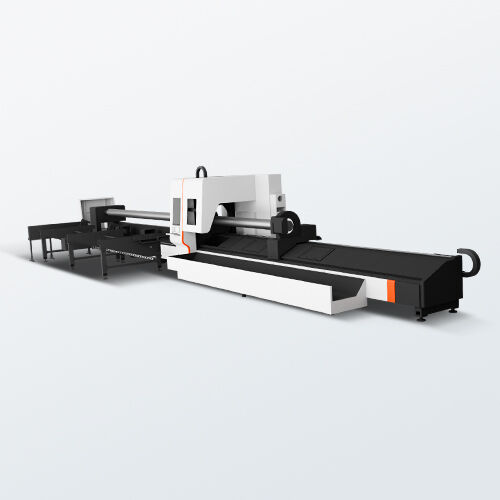
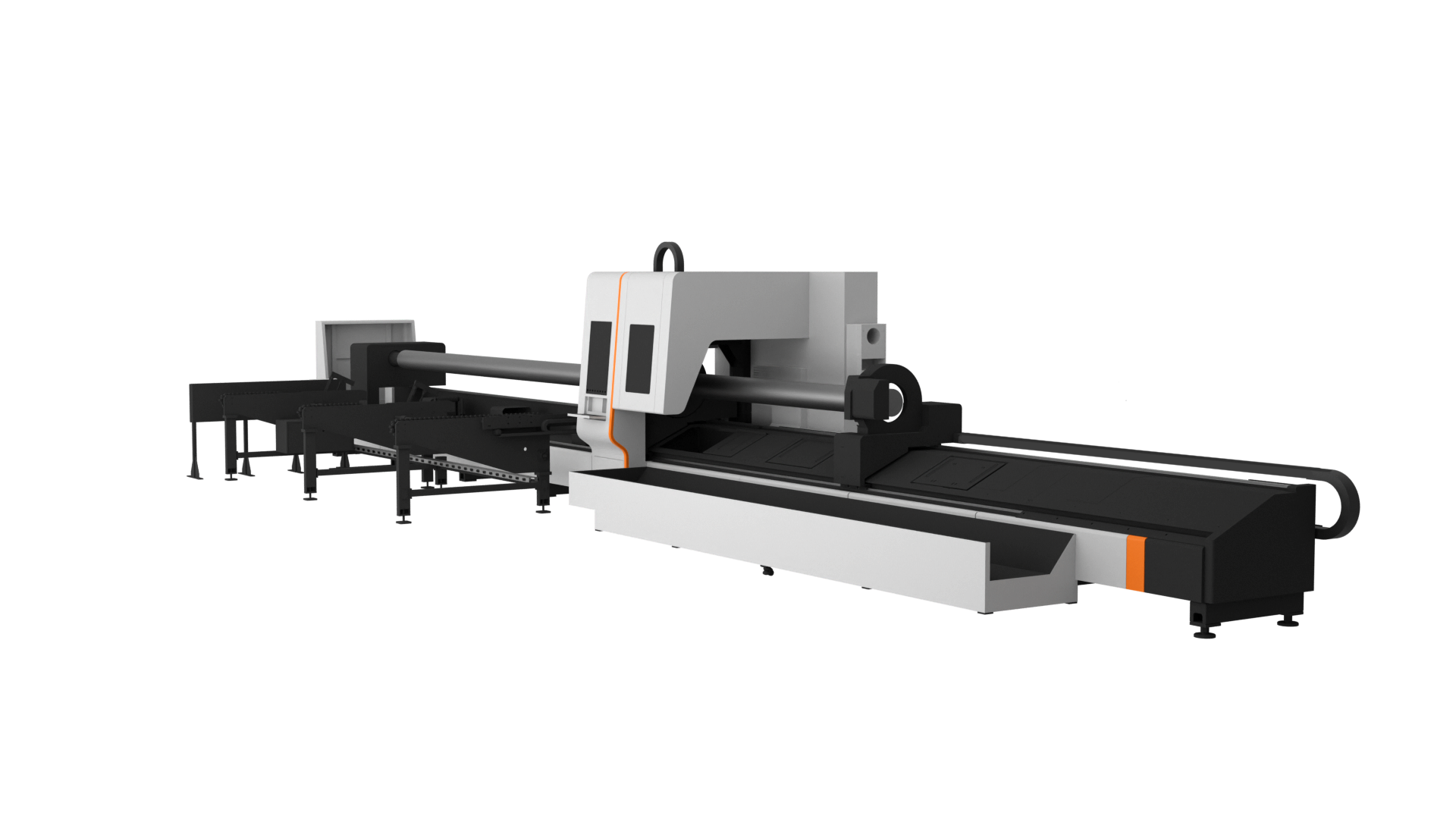
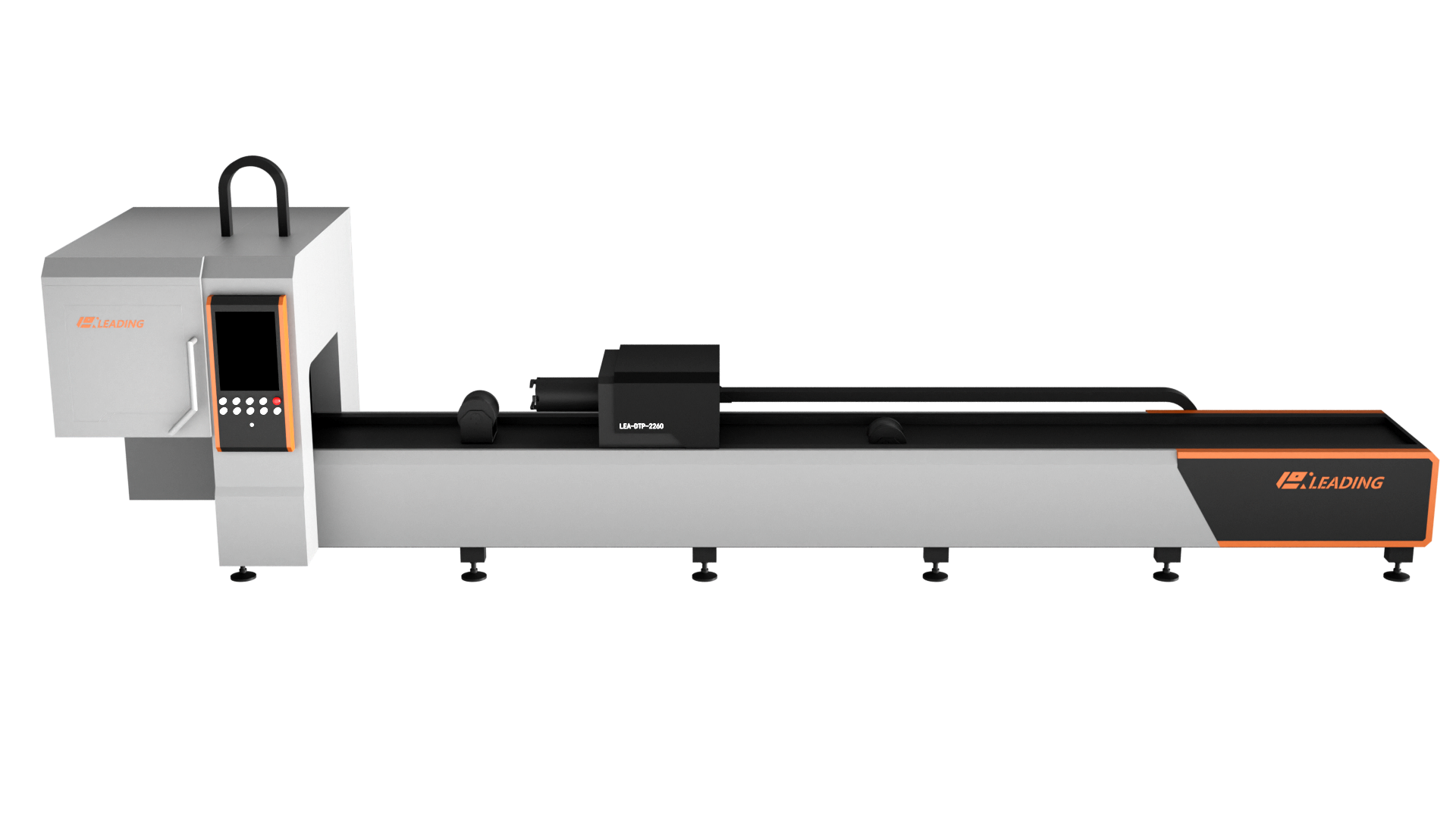
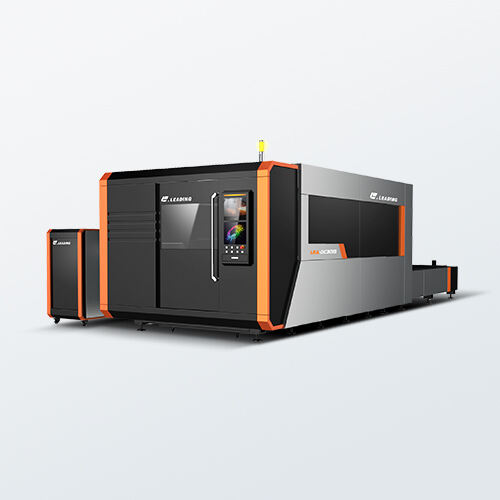
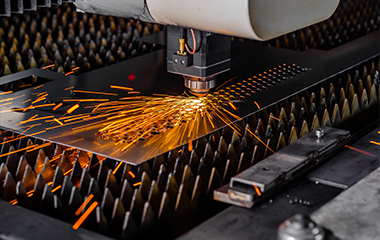
The best tube laser cutting machine delivers exceptional cost-effectiveness by consolidating multiple manufacturing processes into single, highly efficient operations that eliminate expensive secondary procedures and reduce overall production costs significantly. Traditional manufacturing often requires separate operations for cutting, drilling, notching, and edge preparation, each adding labor costs, material handling expenses, and potential quality variations, while laser cutting systems accomplish all these tasks simultaneously with superior precision and consistency. The non-contact cutting process eliminates tool wear completely, removing recurring costs for replacement blades, punches, and cutting implements that can total thousands of dollars annually in conventional machining operations. Energy efficiency improvements of up to 40 percent compared to plasma cutting systems translate into substantial savings on utility costs, particularly important for high-volume production environments where energy expenses represent significant operational overhead. Material utilization rates improve dramatically through advanced nesting algorithms that minimize waste generation, often achieving savings of 15-20 percent on raw material costs while maintaining production throughput requirements. The clean cutting process produces parts with smooth, burr-free edges that eliminate deburring operations and reduce finishing labor requirements, streamlining workflows and reducing handling costs throughout production sequences. Reduced setup times enable quick changeovers between different products without expensive tooling modifications, making small-batch production economically viable and enabling manufacturers to pursue diverse market opportunities profitably. Quality improvements result in scrap rates below 2 percent for most applications, compared to 5-8 percent typical of conventional cutting methods, providing substantial savings on material waste and rework expenses. The automated operation reduces labor requirements by up to 60 percent compared to manual cutting processes, enabling manufacturers to reallocate skilled workers to higher-value activities while maintaining consistent production output. Maintenance costs remain minimal due to the non-contact operation and robust construction, with typical service intervals extending 12-18 months between major maintenance procedures, significantly reducing downtime and service expenses compared to mechanical cutting systems.

 EN
EN