
 EN
EN
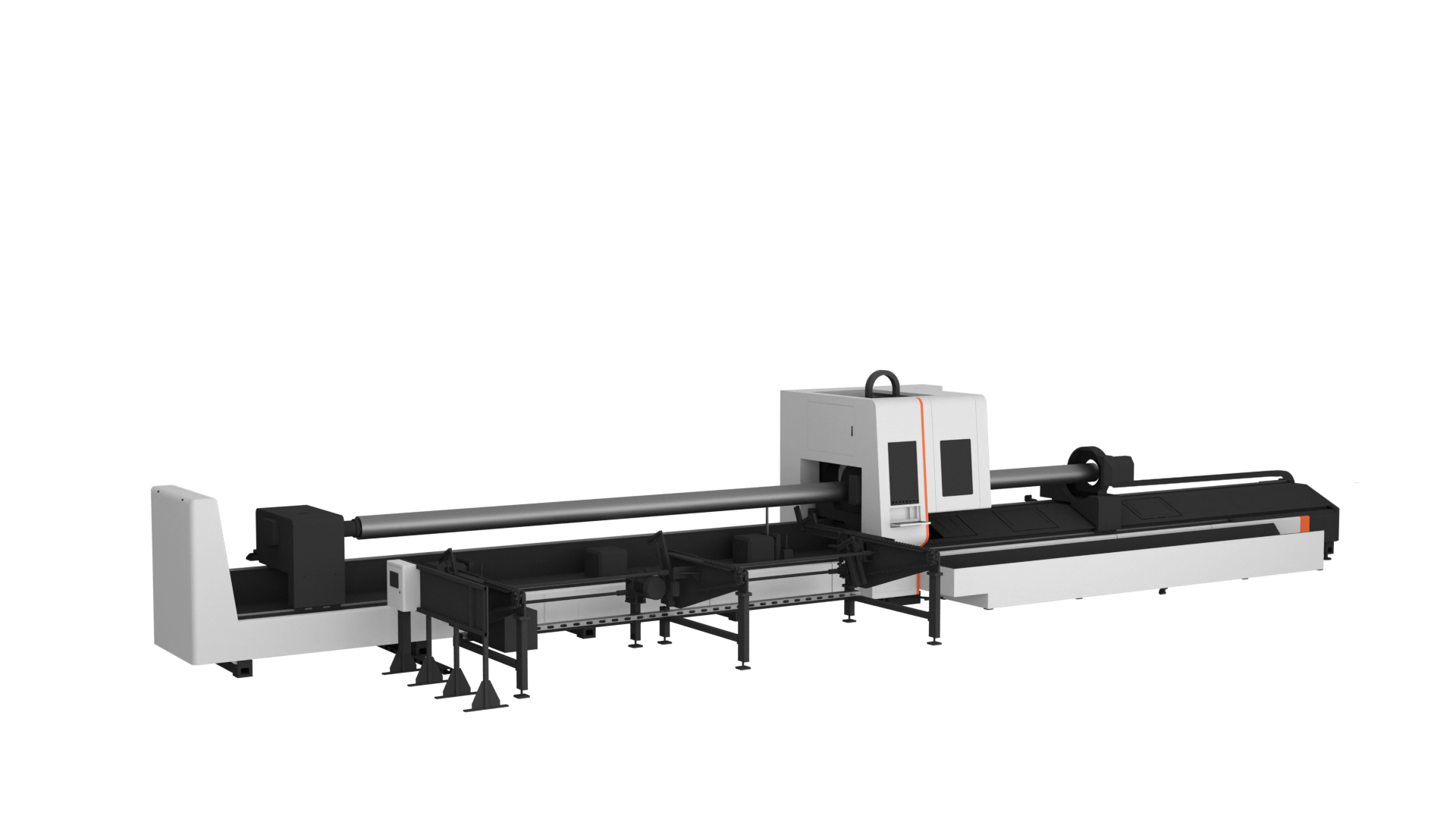
Manufacturing industries today rely heavily on advanced cutting technologies to achieve precise, efficient, and cost-effective production processes. Among these technologies, the pipe laser cutting machine stands as a cornerstone solution for fabricating tubular components across automotive, aerospace, construction, and energy sectors. Understanding the critical factors that influence performance in these sophisticated systems is essential for manufacturers seeking to optimize their operations and maximize return on investment.
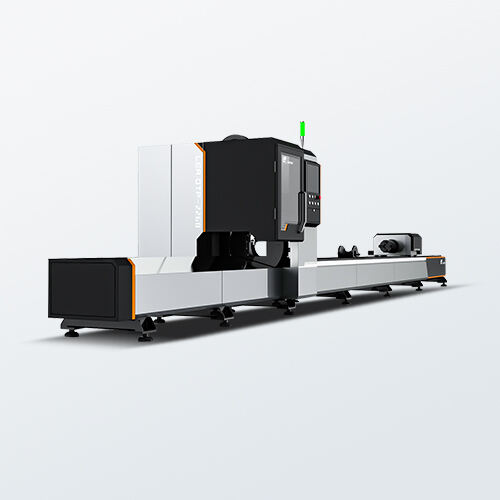
Performance optimization in pipe laser cutting operations involves multiple interconnected variables that directly impact productivity, quality, and operational efficiency. From laser power specifications to material handling systems, each component plays a vital role in determining overall system capability. Modern facilities must consider these factors comprehensively to ensure their pipe laser cutting machine delivers consistent results while maintaining competitive advantage in increasingly demanding markets.
Laser Source Technology and Power Specifications
Fiber Laser Integration and Output Characteristics
The heart of any pipe laser cutting machine lies in its laser source technology, which fundamentally determines cutting capabilities and overall system performance. Fiber lasers have emerged as the preferred choice for industrial pipe cutting applications due to their exceptional beam quality, energy efficiency, and maintenance advantages over traditional CO2 laser systems. These advanced laser sources deliver focused energy with wavelengths optimally suited for metal absorption, resulting in superior cutting speeds and edge quality across various pipe materials and wall thicknesses.
Power output specifications directly correlate with cutting capacity and processing speed in pipe laser cutting operations. Higher power ratings enable faster cutting speeds and the ability to process thicker-walled materials, while lower power systems excel in precision applications requiring minimal heat-affected zones. Modern pipe laser cutting machine systems typically offer power ranges from 1kW to 15kW or higher, with selection depending on specific application requirements, material specifications, and production volume targets.
Beam quality characteristics, measured through factors like beam parameter product and M-squared values, significantly influence cutting precision and efficiency. Superior beam quality enables tighter focus spots, resulting in narrower kerf widths and improved cutting accuracy. This becomes particularly critical when processing thin-walled pipes or executing complex geometric features where precision tolerances must be maintained consistently throughout production runs.
Power Stability and Consistency Factors
Maintaining consistent laser power output throughout extended production cycles is crucial for achieving uniform cutting results in pipe laser cutting machine operations. Power fluctuations can lead to variations in cutting speed, edge quality, and dimensional accuracy, ultimately affecting part consistency and production efficiency. Advanced laser control systems incorporate real-time monitoring and feedback mechanisms to ensure stable power delivery regardless of environmental conditions or system operating duration.
Temperature management systems play a critical role in maintaining laser stability and performance consistency. Proper cooling systems prevent thermal drift and ensure optimal laser efficiency throughout production cycles. Industrial-grade chiller systems with precise temperature control capabilities are essential for maintaining consistent beam characteristics and preventing performance degradation during high-volume production runs.
Power ramping capabilities and pulse control features enable operators to optimize cutting parameters for specific materials and geometric requirements. These advanced control features allow for precise energy delivery during piercing operations, corner cutting, and complex contour processing, resulting in improved edge quality and reduced material waste in pipe laser cutting machine applications.
Material Handling and Positioning Systems
Automated Loading and Unloading Mechanisms
Efficient material handling systems are fundamental to maximizing productivity in pipe laser cutting machine operations. Automated loading mechanisms reduce manual intervention requirements while ensuring consistent pipe positioning and orientation for optimal cutting results. These systems typically incorporate hydraulic or servo-driven components capable of handling various pipe dimensions and weights, from small-diameter tubing to large structural pipes weighing several hundred pounds.
Integration of automated measuring and sorting systems enables continuous production workflows with minimal operator intervention. Advanced systems can automatically identify pipe dimensions, material grades, and cutting requirements based on pre-programmed specifications or barcode identification systems. This automation capability significantly reduces setup times and minimizes the potential for human error in material selection and positioning processes.
Unloading systems must coordinate seamlessly with cutting operations to maintain continuous production flow. Modern pipe laser cutting machine configurations incorporate sophisticated conveyor systems, robotic arms, or pneumatic ejection mechanisms to remove finished parts efficiently while preparing for the next cutting cycle. This integration is essential for achieving high-volume production targets in industrial manufacturing environments.
Precision Positioning and Rotation Control
Accurate pipe positioning and rotation control systems are critical for achieving precise cutting results and maintaining dimensional tolerances in pipe laser cutting machine operations. High-resolution servo motors and precision gearbox assemblies ensure accurate angular positioning for complex cutting patterns and multi-sided geometric features. These systems must maintain positioning accuracy within tight tolerances, typically measured in arc-minutes or better, to ensure consistent part quality throughout production runs.
Chuck systems and clamping mechanisms must provide secure pipe retention while allowing smooth rotation during cutting operations. Advanced chuck designs incorporate multiple jaw configurations to accommodate various pipe geometries, from round and square tubes to complex profile shapes. Proper clamping force distribution prevents pipe deformation while ensuring adequate retention force for high-speed rotation and cutting operations.
Synchronized motion control between linear and rotational axes enables complex three-dimensional cutting operations in modern pipe laser cutting machine systems. Advanced CNC controllers coordinate multiple axis movements simultaneously, allowing for helical cuts, compound angles, and complex intersection geometries. This coordination capability is essential for producing sophisticated pipe joints and architectural features required in advanced manufacturing applications.
Cutting Parameter Optimization
Speed and Feed Rate Calibration
Optimizing cutting speeds and feed rates represents a critical balance between productivity and quality in pipe laser cutting machine operations. Higher cutting speeds increase throughput but may compromise edge quality or dimensional accuracy if pushed beyond optimal parameters for specific material combinations. Conversely, conservative cutting speeds ensure superior quality but may result in reduced productivity and increased per-part processing costs in high-volume production environments.
Material-specific parameter databases enable operators to quickly establish optimal cutting conditions for various pipe materials, wall thicknesses, and geometric requirements. These databases typically include proven parameters for common materials like carbon steel, stainless steel, aluminum, and specialty alloys. Advanced pipe laser cutting machine systems incorporate automatic parameter selection based on material identification and part geometry analysis, reducing setup times and improving consistency across production runs.
Adaptive cutting control systems monitor real-time cutting conditions and automatically adjust parameters to maintain optimal performance throughout the cutting process. These systems can detect variations in material properties, thickness variations, or cutting conditions and make instantaneous adjustments to maintain consistent quality. This capability is particularly valuable when processing materials with varying properties or when cutting complex geometries requiring different parameter sets within a single part.
Gas Selection and Pressure Management
Assist gas selection and pressure control significantly impact cutting quality, speed, and overall performance in pipe laser cutting machine applications. Different materials and cutting requirements demand specific gas combinations to achieve optimal results. Oxygen-assisted cutting provides high cutting speeds for carbon steel applications, while nitrogen cutting delivers superior edge quality for stainless steel and aluminum materials without oxidation concerns.
Pressure optimization varies throughout the cutting process, with higher pressures typically required for piercing operations and lower pressures for finish cutting. Advanced gas control systems automatically adjust pressure levels based on cutting parameters and material requirements, ensuring consistent assist gas delivery throughout complex cutting cycles. Proper pressure management also minimizes material waste and reduces the formation of burr or dross on cut edges.
Multi-gas capability in modern pipe laser cutting machine systems allows operators to switch between different assist gases within a single program cycle. This flexibility enables optimization for different cutting phases or material sections, maximizing both cutting speed and edge quality. Automated gas switching systems reduce operator intervention requirements while ensuring proper gas selection for each cutting operation.
Environmental and Operational Factors
Temperature and Humidity Control
Environmental conditions significantly influence pipe laser cutting machine performance, particularly in precision applications requiring tight dimensional tolerances. Temperature fluctuations affect material expansion characteristics, laser stability, and mechanical system accuracy. Controlled production environments with stable temperature ranges ensure consistent part dimensions and minimize thermal distortion effects during cutting operations.
Humidity control prevents condensation formation on optical components and reduces corrosion risks for precision mechanical systems. Excessive humidity can degrade laser transmission efficiency and contaminate optical surfaces, leading to reduced cutting performance and increased maintenance requirements. Industrial dehumidification systems maintain optimal humidity levels while protecting sensitive pipe laser cutting machine components from environmental moisture exposure.
Air quality management through proper filtration and ventilation systems protects both equipment and operators from cutting fumes and particulate contamination. High-efficiency filtration systems capture microscopic particles generated during cutting operations, preventing optical contamination and maintaining optimal beam quality. Proper ventilation also ensures safe working conditions and compliance with industrial air quality standards.
Maintenance and Calibration Protocols
Preventive maintenance schedules are essential for maintaining optimal pipe laser cutting machine performance over extended operational periods. Regular maintenance intervals should address optical cleaning, mechanical system lubrication, calibration verification, and component wear assessment. Systematic maintenance protocols prevent unexpected downtime while ensuring consistent cutting quality and system reliability throughout the equipment lifecycle.
Calibration procedures must address both mechanical and optical system accuracy to maintain cutting precision and dimensional consistency. Regular verification of positioning accuracy, rotation concentricity, and laser beam alignment ensures continued compliance with quality specifications. Advanced pipe laser cutting machine systems incorporate automated calibration routines that can be executed during scheduled maintenance intervals without requiring specialized technical expertise.
Component replacement scheduling based on usage patterns and wear characteristics helps maintain optimal system performance while minimizing unexpected failures. Critical components like optical elements, servo motors, and precision bearings require monitoring and replacement according to manufacturer specifications and actual operating conditions. Proactive replacement strategies prevent performance degradation and ensure consistent production capability.
Software and Programming Considerations
CAD Integration and Nesting Optimization
Advanced software integration capabilities directly impact productivity and material utilization efficiency in pipe laser cutting machine operations. CAD software compatibility enables seamless import of part geometries and automatic generation of cutting programs with optimized tool paths. Modern systems support industry-standard file formats and provide real-time visualization of cutting sequences, allowing operators to verify programs before execution and identify potential issues or optimization opportunities.
Nesting algorithms maximize material utilization by optimizing part placement and cutting sequences to minimize waste and reduce production time. Sophisticated nesting software considers pipe length constraints, cutting direction optimization, and remnant material management to achieve maximum efficiency. These algorithms can automatically generate cutting sequences that minimize rapid positioning moves and optimize gas usage throughout production cycles.
Simulation capabilities allow operators to verify cutting programs and identify potential collisions or programming errors before actual production begins. Advanced simulation environments provide realistic visualization of cutting operations, including material removal, tool path verification, and cycle time estimation. This capability reduces setup time and prevents costly programming errors that could damage equipment or waste materials in pipe laser cutting machine operations.
Real-Time Monitoring and Quality Control
Integrated monitoring systems provide real-time feedback on cutting performance and quality parameters throughout production cycles. These systems typically monitor laser power output, cutting speeds, assist gas pressure, and temperature conditions to ensure optimal operating conditions. Advanced monitoring capabilities can detect process variations and alert operators to potential quality issues before they result in rejected parts or equipment damage.
Quality control integration enables automatic measurement and verification of critical dimensions during or immediately after cutting operations. Vision systems and laser measurement devices can verify hole diameters, edge quality, and dimensional accuracy without requiring manual inspection. This capability enables immediate feedback for process adjustments and ensures consistent part quality throughout production runs in pipe laser cutting machine applications.
Data logging and analysis capabilities provide valuable insights for process optimization and continuous improvement initiatives. Historical data collection enables trend analysis, performance benchmarking, and predictive maintenance scheduling. Advanced analytics platforms can identify patterns in cutting performance and recommend optimization strategies to improve efficiency and reduce operating costs over time.
FAQ
How does laser power affect cutting speed and quality in pipe laser cutting machines
Laser power directly correlates with cutting speed capabilities, with higher power systems enabling faster processing of thicker materials. However, excessive power can negatively impact edge quality through increased heat input and larger heat-affected zones. Optimal power selection balances cutting speed requirements with quality specifications for specific material types and thicknesses. Modern pipe laser cutting machine systems provide variable power control to optimize performance for different cutting phases within a single operation.
What maintenance procedures are most critical for maintaining pipe laser cutting machine performance
Regular optical cleaning, mechanical system lubrication, and calibration verification represent the most critical maintenance procedures for optimal performance. Optical components require frequent cleaning to maintain beam quality and transmission efficiency, while mechanical systems need proper lubrication to ensure smooth operation and prevent premature wear. Calibration verification ensures continued accuracy and should be performed according to manufacturer recommendations or when dimensional issues are detected during production operations.
How do material properties influence cutting parameter selection in pipe laser cutting applications
Material properties including thermal conductivity, melting point, and chemical composition significantly influence optimal cutting parameters. High thermal conductivity materials like aluminum require different parameter sets compared to lower conductivity materials like stainless steel. Wall thickness, material grade, and surface conditions also affect parameter selection. Advanced pipe laser cutting machine systems incorporate material databases with proven parameters for common materials and automatic parameter adjustment capabilities based on material identification systems.
What factors determine the maximum pipe diameter and wall thickness capabilities of laser cutting systems
Maximum processing capabilities depend on laser power output, chuck system capacity, and machine frame construction. Higher power lasers enable cutting of thicker wall materials, while chuck system design determines maximum pipe diameter handling capability. Machine frame rigidity affects accuracy when processing large diameter pipes, and assist gas delivery systems must provide adequate pressure and flow for thick section cutting. Modern pipe laser cutting machine systems offer various configurations optimized for different size ranges and application requirements.
Table of Contents
- Laser Source Technology and Power Specifications
- Material Handling and Positioning Systems
- Cutting Parameter Optimization
- Environmental and Operational Factors
- Software and Programming Considerations
-
FAQ
- How does laser power affect cutting speed and quality in pipe laser cutting machines
- What maintenance procedures are most critical for maintaining pipe laser cutting machine performance
- How do material properties influence cutting parameter selection in pipe laser cutting applications
- What factors determine the maximum pipe diameter and wall thickness capabilities of laser cutting systems