
 EN
EN
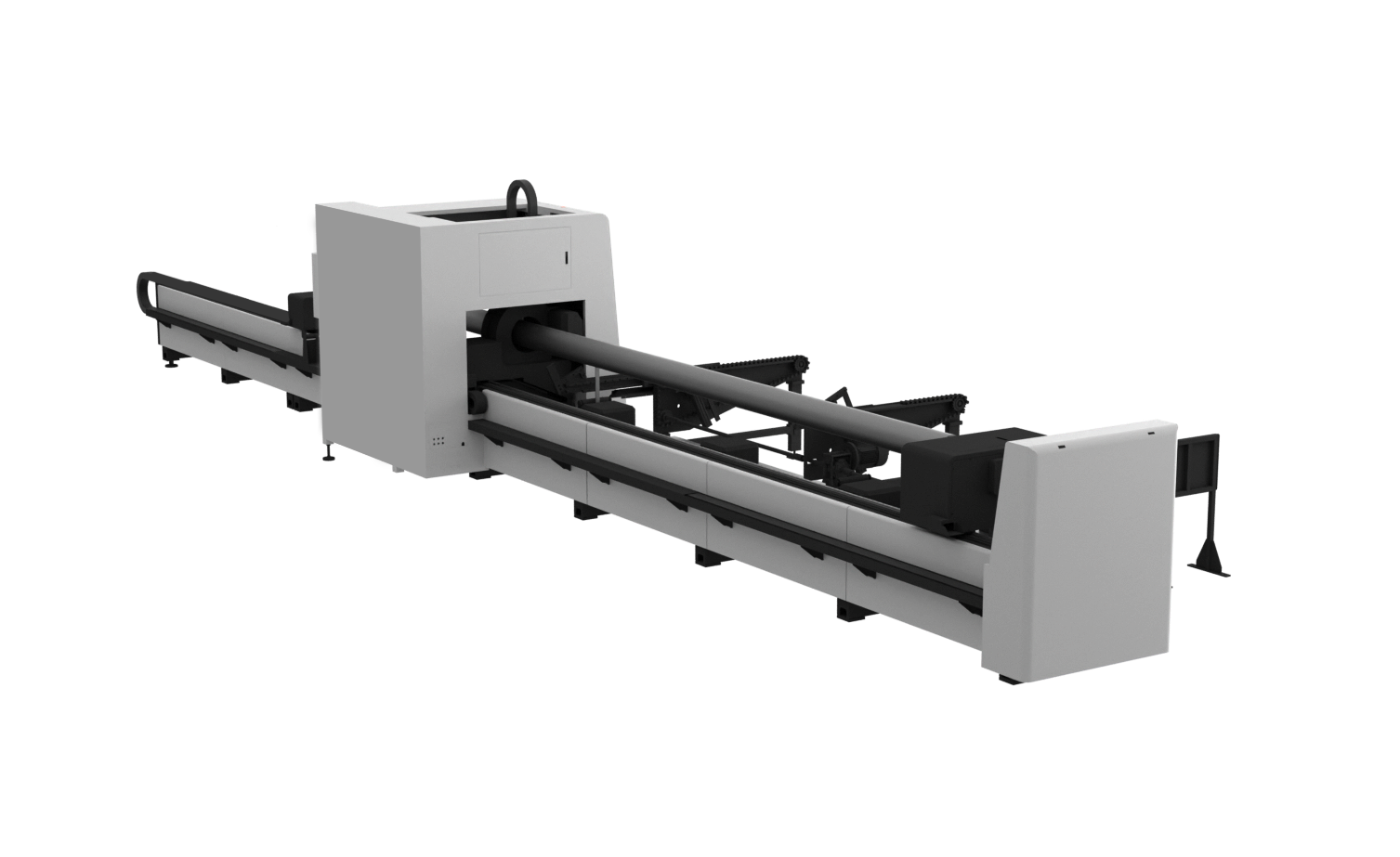
Manufacturing operations in the metalworking industry face constant pressure to improve efficiency, reduce costs, and maintain competitive advantages. One critical decision that fabricators must evaluate is determining the optimal time to upgrade their existing pipe laser cutting machine. This strategic investment can significantly impact production capabilities, operational costs, and long-term business growth. Understanding the key indicators that signal when an upgrade becomes necessary helps manufacturers make informed decisions that align with their operational goals and financial objectives.
Production Capacity and Throughput Limitations
Current Machine Performance Assessment
Evaluating your current pipe laser cutting machine performance involves analyzing multiple operational metrics that directly impact production output. When cycle times consistently exceed industry standards or customer delivery expectations, it indicates that your equipment may be reaching its operational limits. Modern pipe laser cutting machine systems offer significantly faster cutting speeds, improved material handling capabilities, and enhanced automation features that can reduce overall production time by 30-50% compared to older models.
Production bottlenecks often become apparent when order volumes increase but your current equipment cannot accommodate the additional workload without extending lead times. If your facility consistently operates at maximum capacity with limited flexibility for rush orders or custom projects, upgrading to a more capable pipe laser cutting machine becomes essential for maintaining customer satisfaction and capturing new business opportunities.
Market Demand and Growth Projections
Analyzing market trends and projected demand for your products helps determine whether equipment upgrades align with business growth strategies. Industries such as automotive, aerospace, construction, and energy sectors continue experiencing increased demand for precision-cut tubular components. When your sales projections indicate sustained growth that exceeds your current production capacity, investing in an advanced pipe laser cutting machine positions your operation for successful expansion.
Consider the competitive landscape and how equipment capabilities influence your ability to secure contracts. Many customers now require faster turnaround times, tighter tolerances, and larger production volumes that older machines cannot consistently deliver. Upgrading your pipe laser cutting machine ensures you remain competitive and can pursue higher-value projects that demand superior cutting precision and efficiency.
Technology Advancement and Feature Gaps
Automation and Integration Capabilities
Modern pipe laser cutting machine systems incorporate advanced automation features that significantly reduce labor requirements and improve operational consistency. If your current equipment lacks automated loading systems, material handling mechanisms, or integrated quality control features, you may be missing opportunities to optimize production efficiency and reduce operational costs. Contemporary machines often include robotic material handling, automatic tube feeding systems, and real-time quality monitoring that eliminate manual intervention requirements.
Integration with existing manufacturing systems becomes crucial as Industry 4.0 principles gain adoption across manufacturing facilities. Newer pipe laser cutting machine models offer enhanced connectivity options, data collection capabilities, and compatibility with manufacturing execution systems that provide real-time production monitoring and predictive maintenance insights. These technological advances enable better production planning, improved quality control, and reduced unplanned downtime.
Cutting Precision and Material Capabilities
Technological improvements in laser cutting technology have resulted in enhanced cutting precision, improved edge quality, and expanded material compatibility. If your current pipe laser cutting machine cannot achieve the tolerances required for new projects or struggles with specific material types, upgrading becomes necessary to maintain competitiveness. Modern systems offer superior beam quality, advanced motion control systems, and optimized cutting parameters that deliver consistent results across diverse material specifications.
Consider whether your current equipment can handle the full range of materials your customers require, including stainless steel, aluminum, carbon steel, and specialized alloys. Advanced pipe laser cutting machine systems provide enhanced capability for processing varying wall thicknesses, different pipe geometries, and challenging materials that older equipment cannot effectively handle. This expanded capability opens opportunities for diversifying your service offerings and attracting new customer segments.
Maintenance Costs and Equipment Reliability
Operating Cost Analysis
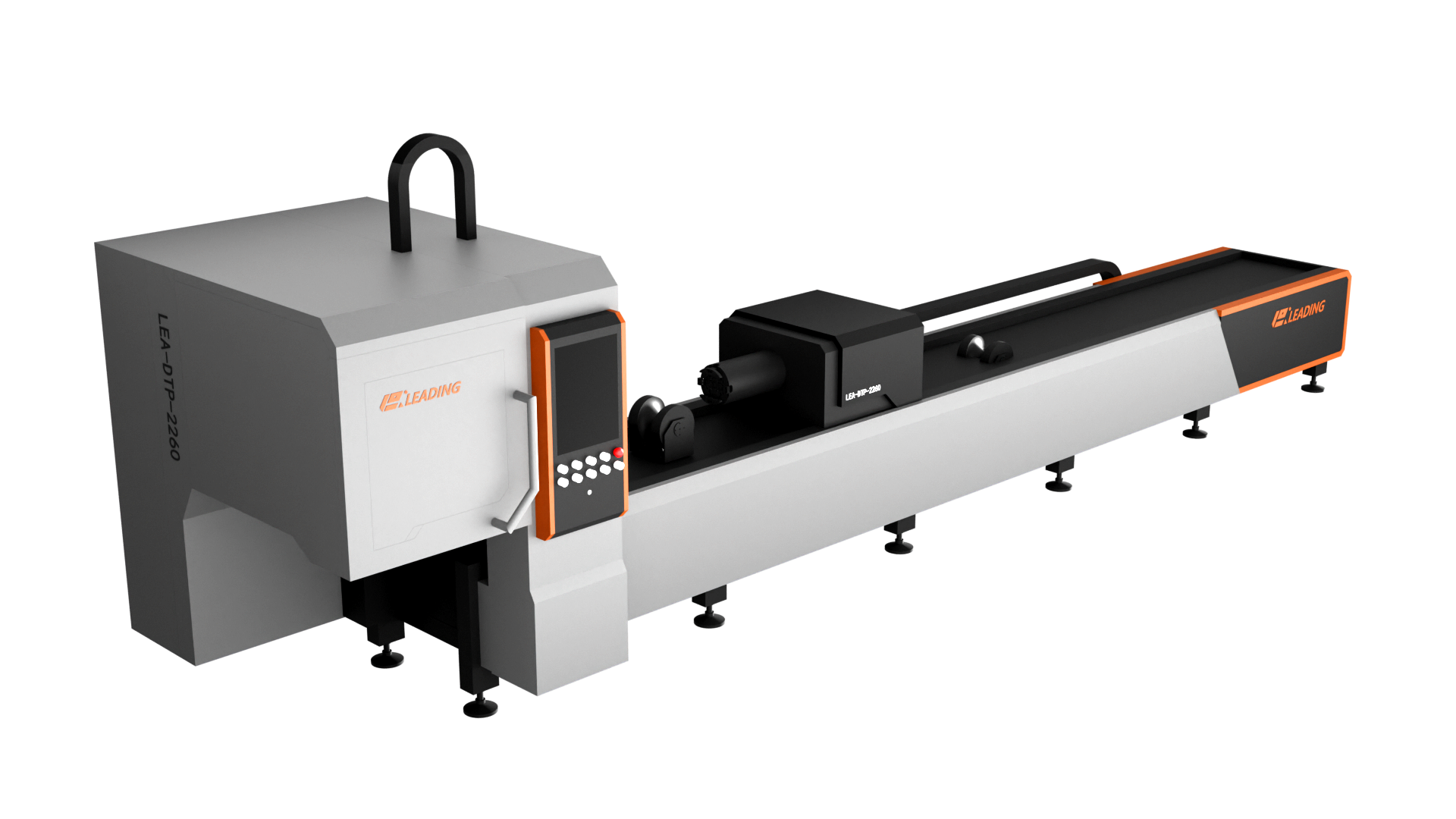
Increasing maintenance costs often signal that equipment has reached a point where continued operation becomes economically unfavorable compared to investing in newer technology. When spare parts become difficult to source, maintenance intervals shorten, or repair costs consistently escalate, these factors indicate that your pipe laser cutting machine may be approaching the end of its economical service life. Conducting a comprehensive cost analysis that compares ongoing maintenance expenses with potential savings from newer equipment helps justify upgrade decisions.
Energy consumption represents another significant operating cost factor that modern equipment addresses through improved efficiency designs. Newer pipe laser cutting machine systems typically consume 20-40% less energy than older models while delivering superior performance. When utility costs continue rising, the energy savings from upgraded equipment can provide substantial long-term cost reductions that offset initial investment expenses.
Downtime and Reliability Issues
Unplanned downtime disrupts production schedules, increases operational costs, and negatively impacts customer relationships. If your current pipe laser cutting machine experiences frequent breakdowns, requires extended maintenance periods, or demonstrates declining reliability, these issues directly affect your ability to meet delivery commitments and maintain profitability. Modern equipment incorporates improved component designs, enhanced diagnostic systems, and predictive maintenance capabilities that significantly reduce downtime risks.
Reliability improvements in contemporary pipe laser cutting machine technology include better laser source longevity, enhanced mechanical component durability, and advanced control systems that prevent operational errors. These reliability enhancements translate to improved production consistency, reduced maintenance requirements, and greater operational confidence when accepting challenging projects or tight delivery schedules.
Quality Requirements and Customer Expectations
Precision and Consistency Standards
Evolving quality standards in manufacturing industries require increasingly precise cutting capabilities that older equipment may not consistently deliver. When customer specifications demand tighter tolerances, improved surface finishes, or enhanced dimensional accuracy, upgrading your pipe laser cutting machine becomes essential for maintaining contract compliance and customer satisfaction. Modern systems offer advanced motion control, improved beam stability, and sophisticated cutting parameter optimization that ensures consistent quality across production runs.
Quality certification requirements such as ISO 9001, AS9100, or industry-specific standards often necessitate enhanced process control and documentation capabilities that newer equipment provides. Advanced pipe laser cutting machine systems include integrated quality monitoring features, automated measurement systems, and comprehensive data logging that support quality management system requirements and facilitate continuous improvement initiatives.
Traceability and Documentation Requirements
Industries such as aerospace, medical devices, and automotive manufacturing increasingly require complete traceability of manufacturing processes and material handling procedures. If your current pipe laser cutting machine lacks integrated tracking capabilities, automated documentation features, or compatibility with enterprise resource planning systems, upgrading becomes necessary to meet these evolving requirements. Modern equipment provides comprehensive process monitoring, automated reporting, and integration capabilities that streamline compliance activities.
Customer audits and certification processes often evaluate manufacturing equipment capabilities as part of supplier qualification procedures. Demonstrating investment in current technology and advanced manufacturing capabilities through upgraded pipe laser cutting machine systems can strengthen customer relationships and improve your competitive position when pursuing new contracts or maintaining existing partnerships.
Financial Considerations and Return on Investment
Investment Justification Analysis
Developing a comprehensive financial analysis that evaluates the total cost of ownership for continuing with existing equipment versus investing in new technology provides the foundation for informed decision-making. Consider factors including depreciation schedules, tax benefits, financing options, and projected productivity improvements when evaluating upgrade opportunities. Many manufacturers find that the improved efficiency and reduced operating costs of modern pipe laser cutting machine systems provide attractive return on investment within 2-3 years.
Cash flow analysis should incorporate revenue opportunities that become available through enhanced capabilities, improved quality, and increased production capacity. When new equipment enables you to pursue higher-value projects, serve additional market segments, or improve customer satisfaction levels, these benefits contribute significantly to overall investment returns and long-term business growth.
Financing and Implementation Planning
Equipment financing options including leasing arrangements, equipment loans, and manufacturer financing programs can help manage cash flow requirements while enabling access to advanced pipe laser cutting machine technology. Evaluating different financing structures allows you to select approaches that align with your financial objectives and operational requirements. Many manufacturers offer comprehensive packages that include equipment, installation, training, and ongoing support services.
Implementation planning should consider factors such as installation timelines, operator training requirements, facility modifications, and production transition strategies. Coordinating equipment delivery with scheduled maintenance periods or planned facility upgrades helps minimize disruption to ongoing operations while ensuring smooth integration of new pipe laser cutting machine capabilities into existing workflows.
FAQ
What factors indicate immediate need for pipe laser cutting machine upgrade?
Immediate upgrade indicators include frequent equipment breakdowns resulting in significant production delays, inability to meet current customer quality requirements, escalating maintenance costs that exceed 20% of equipment value annually, and loss of competitive opportunities due to outdated capabilities. When these factors combine to negatively impact profitability and customer satisfaction, immediate action becomes necessary.
How do I calculate the return on investment for new equipment?
Calculate ROI by comparing total ownership costs of existing equipment including maintenance, energy consumption, and lost opportunity costs against the investment required for new equipment. Factor in productivity improvements, energy savings, reduced maintenance costs, and additional revenue opportunities enabled by enhanced capabilities. Most manufacturers achieve positive ROI within 24-36 months when properly implementing advanced pipe laser cutting machine technology.
What training requirements should I consider for equipment upgrades?
Modern pipe laser cutting machine systems require comprehensive operator training covering software operation, maintenance procedures, safety protocols, and troubleshooting techniques. Plan for 40-80 hours of initial training per operator depending on system complexity and existing skill levels. Many manufacturers provide ongoing technical support, online training resources, and periodic update training to ensure optimal equipment utilization.
How can I minimize production disruption during equipment installation?
Minimize disruption by scheduling installation during planned maintenance periods, maintaining backup cutting capabilities when possible, and coordinating customer communication regarding temporary capacity limitations. Work with equipment suppliers to develop detailed installation timelines and ensure all facility requirements are completed before equipment arrival. Consider phased implementation approaches that maintain some production capability throughout the transition period.