
 EN
EN
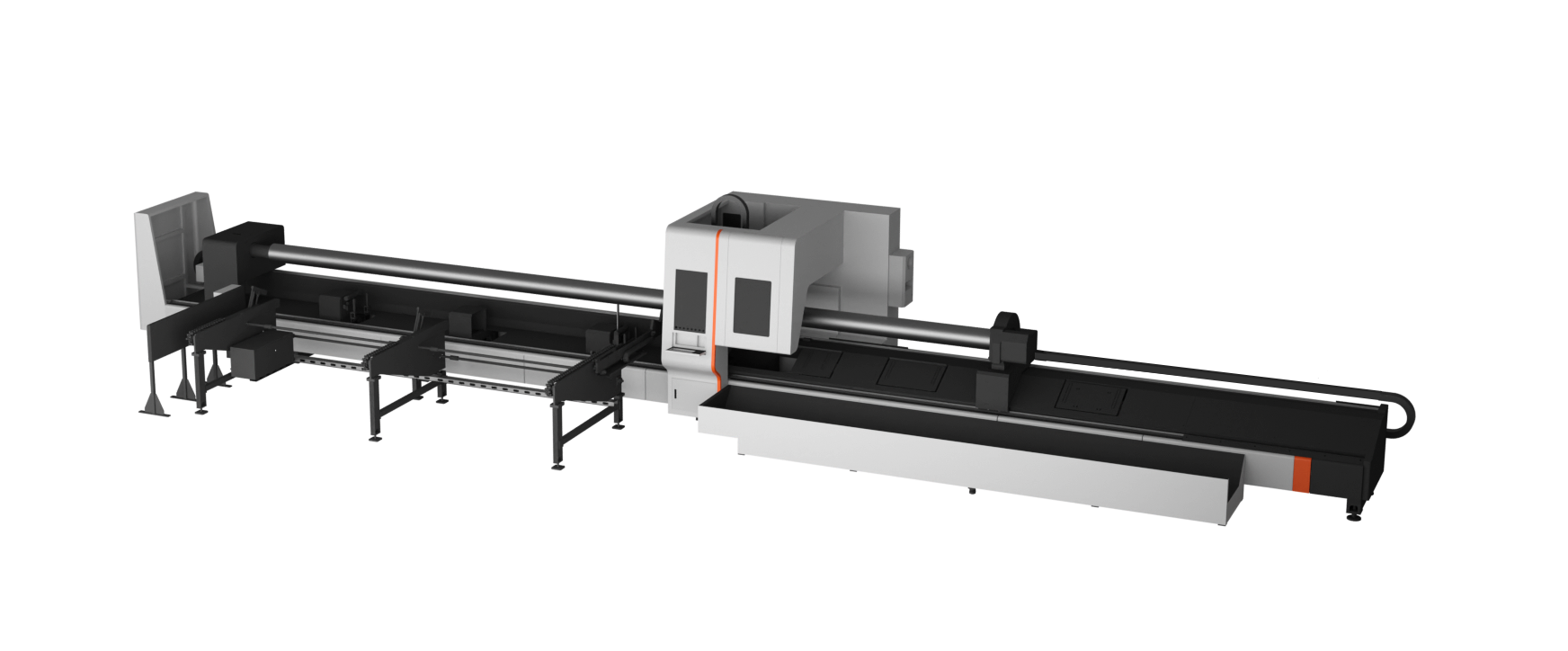
Selecting the appropriate pipe laser cutting machine for steel fabrication represents a critical decision that directly impacts production efficiency, cut quality, and overall operational costs. Modern manufacturing facilities require precision equipment capable of handling diverse pipe geometries while maintaining consistent performance across various steel grades. The complexity of this decision extends beyond simple technical specifications, encompassing factors such as production volume requirements, material thickness capabilities, and long-term operational considerations. Understanding these variables ensures optimal investment in pipe laser cutting machine technology that aligns with specific manufacturing objectives and delivers sustainable competitive advantages in today's demanding industrial landscape.
Understanding Pipe Laser Cutting Technology Fundamentals
Core Components and Operating Principles
The foundation of effective pipe laser cutting machine operation relies on sophisticated integration of laser generation systems, beam delivery mechanisms, and precision positioning controls. Fiber laser technology has emerged as the predominant choice for steel pipe processing due to superior beam quality, enhanced absorption characteristics, and exceptional maintenance efficiency. These systems generate concentrated energy beams through stimulated emission processes, directing focused light through specialized optical components to achieve precise material removal at the cutting interface. The laser source power ratings typically range from 1000 watts to 20,000 watts, with higher power levels enabling increased cutting speeds and thicker material processing capabilities.
Advanced pipe laser cutting machine configurations incorporate rotary chuck systems that securely hold and rotate workpieces during cutting operations, ensuring consistent material engagement throughout the cutting cycle. The chuck design accommodates various pipe diameters and wall thicknesses while maintaining precise concentricity and minimal runout tolerances. Servo-controlled axes provide coordinated movement between the laser head and workpiece, enabling complex contour cutting, beveling operations, and intricate geometric features. Modern control systems utilize sophisticated CAD/CAM software integration, allowing direct import of engineering drawings and automatic generation of optimized cutting programs with minimal operator intervention.
Material Interaction and Process Variables
Steel pipe processing through laser cutting involves complex thermodynamic interactions between the focused laser beam and the material substrate. The laser energy rapidly heats the steel beyond its melting point, creating a molten zone that is expelled through high-pressure assist gas flow, typically nitrogen or oxygen depending on specific cutting requirements. Nitrogen assist gas produces clean, oxide-free cut edges ideal for subsequent welding operations, while oxygen-assisted cutting enhances cutting speeds for thicker materials through exothermic combustion reactions. Process parameters such as laser power, cutting speed, focal position, and gas pressure must be precisely calibrated to achieve optimal cut quality while minimizing heat-affected zones and preventing material distortion.
The effectiveness of pipe laser cutting machine operations depends significantly on understanding steel composition and metallurgical properties. Carbon content, alloying elements, and microstructure influence laser absorption characteristics, thermal conductivity, and material response during cutting. Low-carbon steels typically exhibit excellent cutting characteristics with minimal heat-affected zones, while high-strength alloys may require adjusted parameters to prevent excessive hardening or cracking. Surface conditions, including mill scale, coatings, or oxidation, directly affect laser coupling efficiency and cut quality consistency. Proper material preparation and parameter optimization ensure reliable processing across diverse steel grades and specifications.
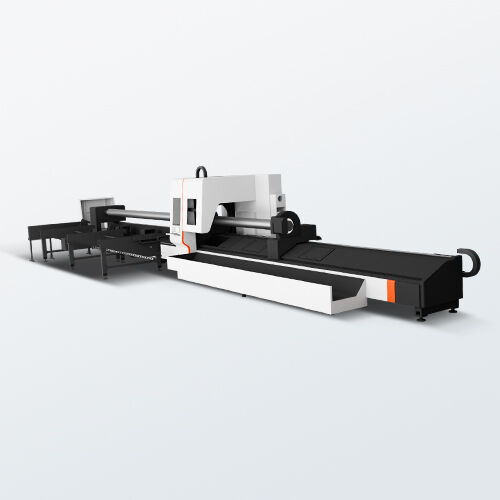
Critical Performance Specifications and Capabilities
Power Rating and Cutting Capacity Analysis
Laser power selection represents one of the most fundamental considerations when evaluating pipe laser cutting machine options for steel applications. Power requirements scale directly with maximum material thickness capabilities, with 1000-watt systems typically handling steel pipes up to 3mm wall thickness, while 6000-watt units can process materials exceeding 15mm thickness efficiently. Higher power levels also enable increased cutting speeds for thinner materials, directly impacting production throughput and operational efficiency. However, excessive power for specific applications may result in unnecessary energy consumption and increased operational costs without proportional performance benefits.
Cutting capacity specifications extend beyond simple thickness ratings to encompass pipe diameter ranges, length limitations, and geometric complexity capabilities. Most industrial pipe laser cutting machine systems accommodate pipe diameters from 10mm to 500mm, with specialized configurations handling larger dimensions up to 1000mm diameter. Length processing capabilities vary significantly, with standard machines handling pipes up to 6 meters, while extended configurations can process 12-meter lengths or longer. The relationship between diameter, length, and material thickness creates operational constraints that must be carefully evaluated against specific production requirements to ensure adequate capability margins.
Precision and Repeatability Standards
Manufacturing precision requirements demand stringent accuracy standards from pipe laser cutting machine operations, typically specified as positioning repeatability within ±0.05mm and cutting tolerance ranges of ±0.1mm for standard applications. Advanced systems achieve even tighter tolerances through enhanced servo control systems, precision linear guides, and sophisticated feedback mechanisms. These precision capabilities enable production of components requiring minimal secondary machining operations, reducing overall manufacturing costs and delivery timelines. Thermal stability considerations become critical for maintaining accuracy during extended production runs, with machine designs incorporating temperature compensation and thermal isolation features.
Repeatability consistency across production batches ensures reliable quality control and dimensional conformity for critical applications. Modern pipe laser cutting machine systems incorporate automatic calibration routines, laser power monitoring, and real-time process feedback to maintain consistent performance parameters. Statistical process control integration enables continuous monitoring of cut quality metrics, facilitating proactive adjustments and preventing quality deviations. Advanced systems include automatic edge quality assessment through vision systems or laser-based measurement devices, providing immediate feedback on cut characteristics and enabling real-time parameter optimization.
Production Volume and Efficiency Considerations
Throughput Analysis and Cycle Time Optimization
Production volume requirements significantly influence pipe laser cutting machine selection, with different system configurations optimized for varying throughput demands. High-volume applications benefit from automated loading and unloading systems, reducing operator intervention and maximizing machine utilization rates. Automatic tube loading systems can handle multiple pipe sizes and lengths, feeding material continuously to minimize setup times and maximize cutting efficiency. Advanced systems incorporate intelligent nesting algorithms that optimize material utilization and minimize waste generation, particularly important for expensive steel grades or complex cutting patterns.
Cycle time analysis encompasses cutting time, setup duration, and material handling operations to determine overall production efficiency. A well-configured pipe laser cutting machine can achieve cutting speeds exceeding 30 meters per minute for thin-wall steel tubing, while thicker materials require proportionally slower speeds to maintain cut quality. Setup time reduction through quick-change tooling, automatic program selection, and integrated measurement systems can significantly improve overall equipment effectiveness. Modern control systems incorporate production scheduling capabilities, automatically sequencing jobs to minimize setup changes and maximize throughput efficiency.
Automation Integration and Workflow Optimization
Manufacturing efficiency improvements through automation integration transform pipe laser cutting machine operations from manual batch processing to continuous production systems. Automated material handling systems eliminate repetitive manual tasks while reducing operator fatigue and injury risks. Conveyor systems, robotic loading mechanisms, and automatic sorting systems create seamless workflow integration with upstream and downstream manufacturing processes. These automation features become increasingly important as production volumes scale and labor costs continue rising in competitive manufacturing environments.
Workflow optimization through integrated manufacturing execution systems enables real-time production monitoring, automatic job scheduling, and predictive maintenance capabilities. Advanced pipe laser cutting machine installations incorporate industrial IoT connectivity, providing remote monitoring and diagnostic capabilities for proactive maintenance scheduling. Data analytics platforms analyze cutting performance trends, identifying optimization opportunities and predicting potential issues before they impact production. Integration with enterprise resource planning systems enables automatic inventory management, job tracking, and production reporting, streamlining administrative overhead and improving operational visibility.
Material Handling and Setup Requirements
Workholding and Fixturing Solutions
Effective material handling begins with robust workholding systems designed to securely position steel pipes during laser cutting operations while maintaining accessibility for the cutting head. Pneumatic chuck systems provide reliable gripping force across varying pipe diameters, with automatic adjustment capabilities minimizing setup time between different part sizes. The chuck design must accommodate material tolerances and surface variations commonly found in steel pipe stock while preventing slippage or movement during high-acceleration cutting motions. Advanced systems incorporate multiple chuck configurations, enabling simultaneous processing of multiple smaller diameter pipes or efficient handling of large, heavy-wall sections.
Fixturing considerations extend beyond basic workholding to encompass part alignment, concentricity control, and thermal management during cutting operations. Precision pipe laser cutting machine applications require consistent part positioning within tight tolerances to ensure dimensional accuracy and repeatability across production batches. Thermal expansion compensation becomes critical when processing longer pipe sections, with fixturing systems incorporating expansion joints or flexible mounting arrangements. Coolant circulation systems integrated into workholding fixtures help manage heat buildup and prevent material distortion, particularly important for thin-wall applications where thermal stress can cause dimensional variations.
Loading Systems and Material Flow
Automated loading systems significantly enhance pipe laser cutting machine productivity by eliminating manual material handling bottlenecks and reducing operator workload. Servo-driven loading mechanisms can handle pipe sections weighing several hundred kilograms, positioning material with precision and repeatability that exceeds manual capabilities. These systems typically incorporate multiple pipe storage positions, enabling continuous operation while operators load subsequent parts. Automatic length measurement and part identification systems ensure correct material selection and prevent processing errors that could result in scrap generation or delivery delays.
Material flow optimization requires careful consideration of facility layout, crane access, and storage requirements to maximize pipe laser cutting machine utilization. Incoming material storage systems should accommodate various pipe lengths and diameters while providing easy access for loading operations. Finished part removal and sorting systems prevent accumulation at the machine output, maintaining continuous operation during high-volume production runs. Integration with overhead crane systems or forklift access points facilitates efficient material movement without disrupting ongoing cutting operations, particularly important in facilities processing large, heavy pipe sections.
Control Systems and Software Capabilities
Programming and CAD Integration
Modern pipe laser cutting machine control systems incorporate sophisticated CAD/CAM integration capabilities that streamline the transition from engineering designs to finished parts. Direct import of standard file formats including DXF, DWG, and STEP files eliminates manual programming requirements for most applications, automatically generating optimized cutting paths and parameter selections. Advanced nesting algorithms maximize material utilization by efficiently arranging multiple parts within available pipe lengths, minimizing waste and reducing raw material costs. These software capabilities become particularly valuable when processing complex geometries or managing frequent design changes common in custom fabrication applications.
Parametric programming capabilities enable efficient processing of part families with similar geometric characteristics but varying dimensions. Template-based programming approaches allow operators to quickly generate cutting programs for standard features such as flanges, connections, or mounting brackets with minimal setup time. The control system database stores cutting parameters for various material types and thicknesses, automatically selecting optimal settings based on part specifications and material properties. This automation reduces programming time, minimizes operator training requirements, and ensures consistent cutting quality across different operators and production shifts.
Process Monitoring and Quality Control
Real-time process monitoring capabilities integrated into advanced pipe laser cutting machine control systems provide immediate feedback on cutting performance and quality metrics. Laser power monitoring, cutting speed verification, and assist gas pressure tracking ensure process parameters remain within specified ranges throughout cutting operations. Automatic alarm systems alert operators to parameter deviations or system malfunctions, preventing production of defective parts and minimizing material waste. Data logging capabilities record cutting parameters and performance metrics for each part, enabling traceability and statistical analysis of production trends.
Quality control integration through vision systems and laser-based measurement devices enables automatic verification of cut dimensions and edge quality characteristics. These systems can detect issues such as incomplete cuts, excessive dross formation, or dimensional variations that might compromise part functionality or downstream assembly operations. Automatic rejection of defective parts and notification systems ensure immediate corrective action while maintaining production flow. Advanced systems incorporate machine learning algorithms that analyze quality data trends and automatically adjust cutting parameters to maintain optimal performance, reducing operator intervention requirements and improving overall consistency.
Economic Analysis and Return on Investment
Initial Investment and Operating Cost Evaluation
Capital investment analysis for pipe laser cutting machine acquisition requires comprehensive evaluation of equipment costs, installation expenses, and facility preparation requirements. System prices vary significantly based on power rating, automation level, and precision specifications, with basic manual systems starting around $200,000 while fully automated high-power configurations can exceed $1,000,000. Installation costs including electrical infrastructure, compressed air systems, and exhaust ventilation typically add 15-25% to equipment costs. Facility modifications for adequate floor loading, vibration isolation, and environmental control may require additional investment depending on existing conditions.
Operating cost analysis encompasses energy consumption, consumable materials, maintenance requirements, and labor costs throughout the equipment lifecycle. Fiber laser technology offers significant energy efficiency advantages compared to CO2 alternatives, with typical power consumption ranging from 20-40% of rated laser output depending on cutting duty cycle and auxiliary system requirements. Consumable costs include assist gases, protective lenses, nozzles, and periodic replacement of optical components, typically representing 5-10% of total operating costs. Maintenance requirements for modern pipe laser cutting machine systems are relatively minimal, with scheduled service intervals extending to 2000-3000 operating hours for major components.
Productivity Benefits and Cost Savings
Productivity improvements through laser cutting technology can generate substantial cost savings compared to traditional cutting methods such as plasma, oxy-fuel, or mechanical sawing. Laser cutting eliminates secondary operations such as deburring, grinding, or machining in many applications, reducing labor costs and material handling requirements. Improved cut quality and dimensional accuracy reduce scrap rates and rework costs while enhancing customer satisfaction and reducing warranty claims. Setup time reductions through automated programming and quick-change capabilities enable efficient processing of small batch sizes that might be uneconomical with conventional methods.
Material utilization improvements through precise cutting and optimized nesting algorithms can reduce raw material consumption by 10-15% compared to conventional cutting methods. This becomes particularly significant when processing expensive alloy steels or specialty materials where material costs represent a substantial portion of total part costs. Faster cutting speeds and reduced setup times increase machine utilization rates, enabling higher production volumes from the same equipment investment. Many facilities achieve payback periods of 18-36 months for pipe laser cutting machine investments through combination of productivity improvements, quality enhancements, and operational cost reductions.
Maintenance Requirements and Service Support
Preventive Maintenance Protocols
Effective maintenance programs ensure reliable pipe laser cutting machine performance while minimizing unscheduled downtime and extending equipment lifecycle. Daily maintenance routines include cleaning optical components, checking assist gas supplies, and verifying coolant levels and temperatures. Weekly inspections encompass lubrication of mechanical components, alignment verification, and cleaning of debris accumulation around cutting areas. Monthly maintenance protocols include calibration checks, optical system inspection, and replacement of consumable components according to manufacturer specifications and actual usage patterns.
Predictive maintenance capabilities integrated into modern pipe laser cutting machine systems provide early warning of potential issues before they result in equipment failure. Vibration monitoring, temperature sensing, and laser power degradation tracking enable maintenance scheduling based on actual component condition rather than arbitrary time intervals. Remote diagnostic capabilities allow service technicians to assess system status and provide technical support without site visits, reducing response times and maintenance costs. Comprehensive maintenance documentation and service history tracking facilitate warranty claims and help optimize maintenance schedules based on actual operating conditions.
Technical Support and Training Requirements
Comprehensive technical support encompasses initial installation, operator training, and ongoing assistance throughout the equipment lifecycle. Quality manufacturers provide extensive training programs covering operation procedures, programming techniques, maintenance protocols, and troubleshooting methods. Hands-on training at the manufacturer facility combined with on-site support during installation ensures operators develop proficiency before beginning production operations. Ongoing training opportunities help operators stay current with software updates, new cutting techniques, and advanced programming capabilities that can improve productivity and expand application capabilities.
Service support availability becomes critical for minimizing production disruptions when technical issues occur. Local service representation, parts availability, and response time commitments significantly impact total cost of ownership for pipe laser cutting machine investments. Remote diagnostic capabilities and video conferencing support can resolve many issues without service visits, reducing downtime and service costs. Comprehensive service agreements that include scheduled maintenance, emergency response, and parts coverage provide predictable operating costs while ensuring optimal equipment performance throughout the service life.
FAQ
What factors determine the optimal laser power for steel pipe cutting applications
Laser power selection depends primarily on maximum material thickness requirements, desired cutting speeds, and production volume considerations. For steel pipes up to 5mm wall thickness, 2000-3000 watt systems provide excellent performance with reasonable operating costs. Thicker materials up to 15mm require 4000-6000 watts for efficient cutting speeds, while specialized applications exceeding 20mm thickness may benefit from 8000+ watt systems. Higher power levels enable faster cutting speeds for thinner materials but may not provide proportional benefits if maximum thickness requirements are modest. Consider future expansion needs and material variety when selecting power levels to avoid premature obsolescence.
How do automation features impact pipe laser cutting machine productivity and operating costs
Automation significantly reduces labor requirements, setup times, and material handling bottlenecks that limit productivity in manual systems. Automatic loading systems eliminate repetitive manual tasks while enabling continuous operation during material changes. Integrated nesting software maximizes material utilization and reduces programming time for complex jobs. While automation increases initial investment costs by 30-50%, labor savings and productivity improvements typically generate positive returns within 24-36 months for moderate to high-volume applications. Evaluate automation based on production volumes, labor costs, and part complexity rather than purely on technical capabilities.
What maintenance requirements should be expected for pipe laser cutting machine systems
Modern fiber laser systems require minimal maintenance compared to alternative cutting technologies. Daily cleaning of optical components and debris removal typically requires 15-30 minutes per shift. Consumable replacement including protective lenses, cutting nozzles, and assist gas filters occurs every 200-500 operating hours depending on cutting conditions. Major service intervals for laser source and mechanical components extend to 2000-4000 hours with proper preventive maintenance. Total maintenance costs typically represent 3-5% of equipment value annually when following manufacturer recommendations and operating within specified parameters.
How does material preparation affect pipe laser cutting machine performance and cut quality
Material surface conditions significantly impact laser coupling efficiency and cut quality consistency. Mill scale, rust, or heavy oxidation can reduce cutting speeds by 20-30% and may cause irregular cut surfaces or incomplete penetration. Oil, grease, or protective coatings must be removed to prevent flammation or contamination during cutting operations. Proper material storage to minimize surface degradation and cleaning procedures when necessary ensure optimal cutting performance. Some pipe laser cutting machine systems include automated surface cleaning capabilities through wire brushing or chemical treatment to maintain consistent processing conditions across varying material conditions.
Table of Contents
- Understanding Pipe Laser Cutting Technology Fundamentals
- Critical Performance Specifications and Capabilities
- Production Volume and Efficiency Considerations
- Material Handling and Setup Requirements
- Control Systems and Software Capabilities
- Economic Analysis and Return on Investment
- Maintenance Requirements and Service Support
-
FAQ
- What factors determine the optimal laser power for steel pipe cutting applications
- How do automation features impact pipe laser cutting machine productivity and operating costs
- What maintenance requirements should be expected for pipe laser cutting machine systems
- How does material preparation affect pipe laser cutting machine performance and cut quality