Laser Cutting Machine Cost Guide: ROI, Benefits & Investment Analysis 2024

All Categories

Get a Free Quote

Our representative will contact you soon.
Name
Mobile
Email
Company Name
Message
0/1000

laser cutting machine cost

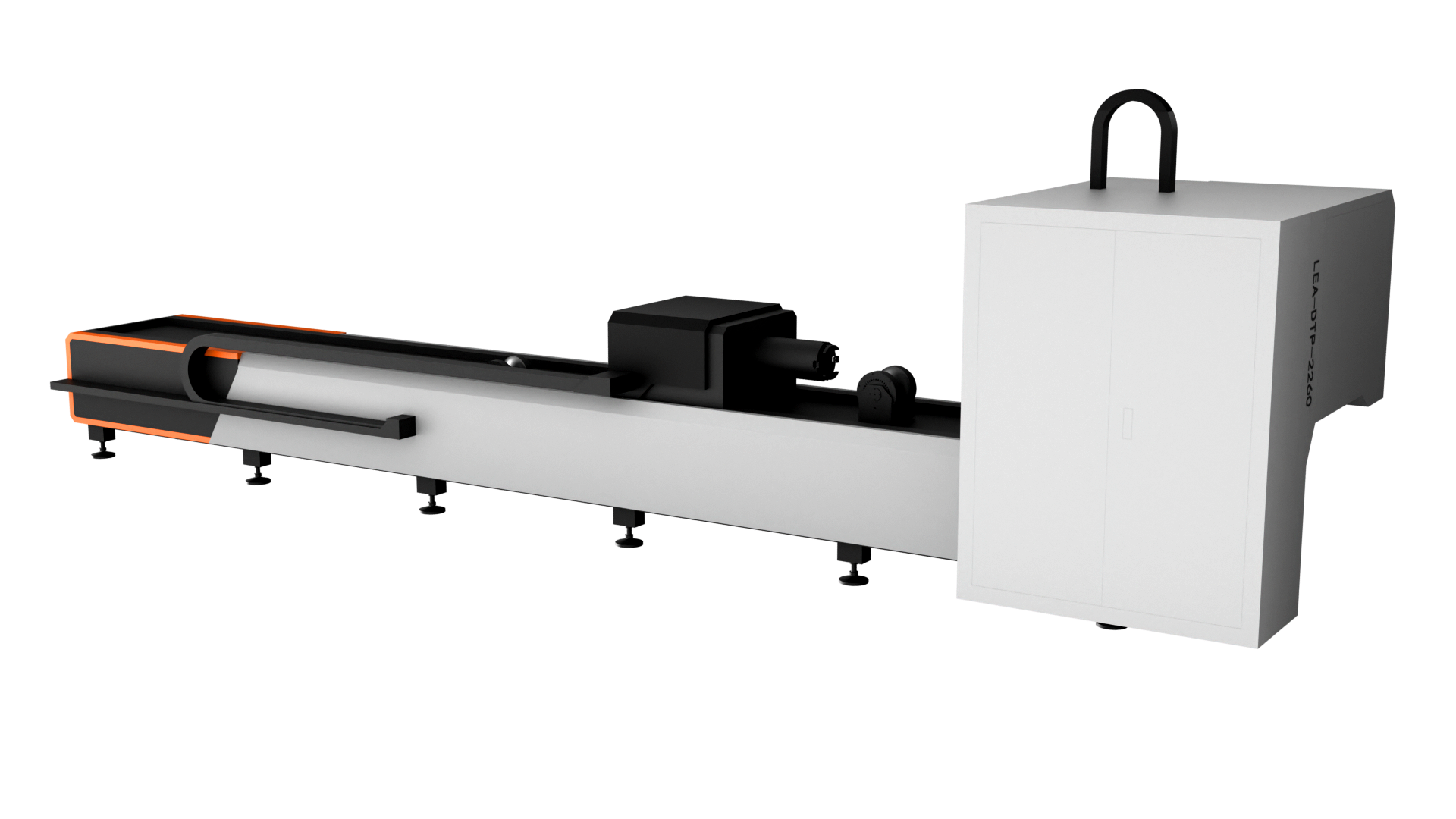
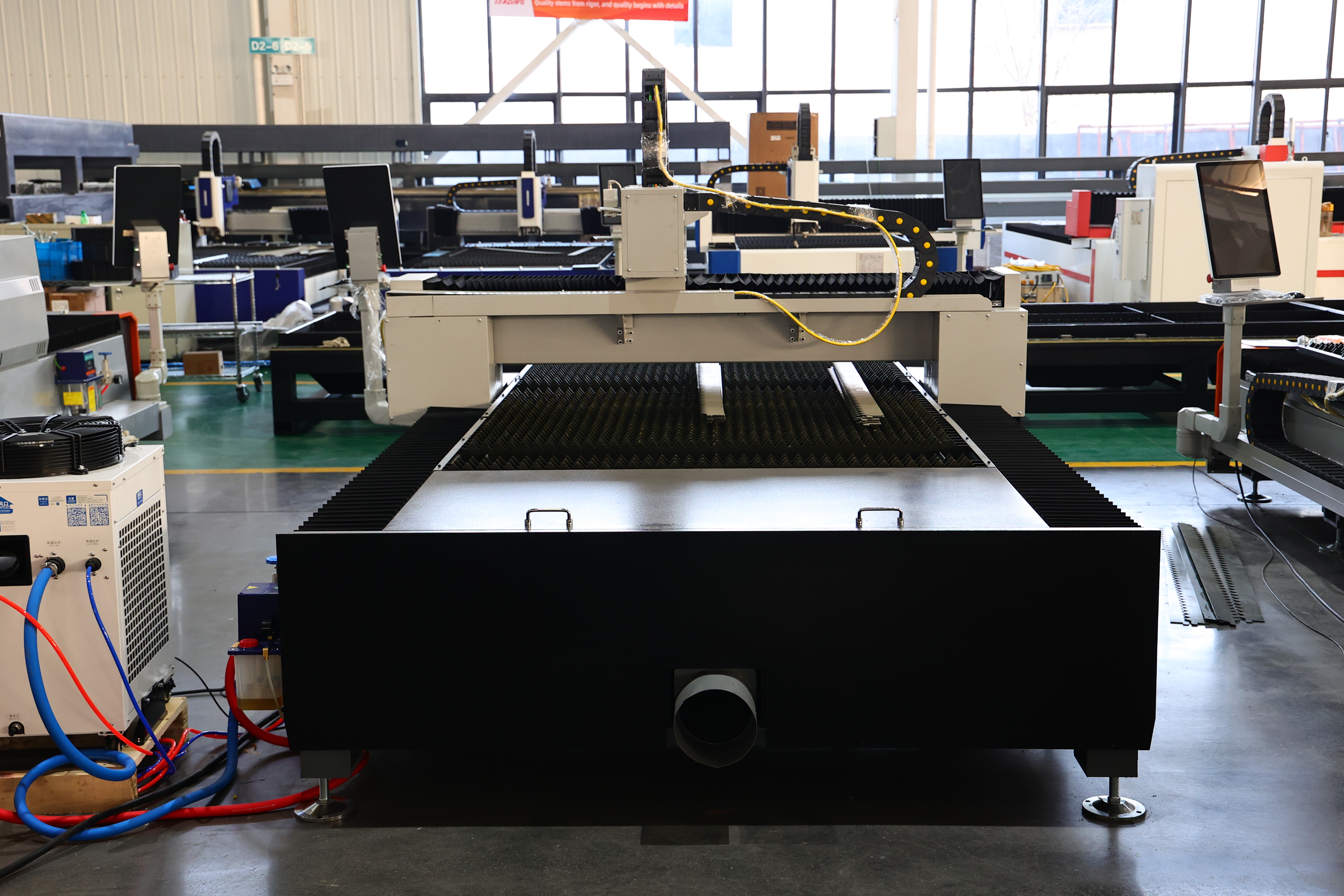
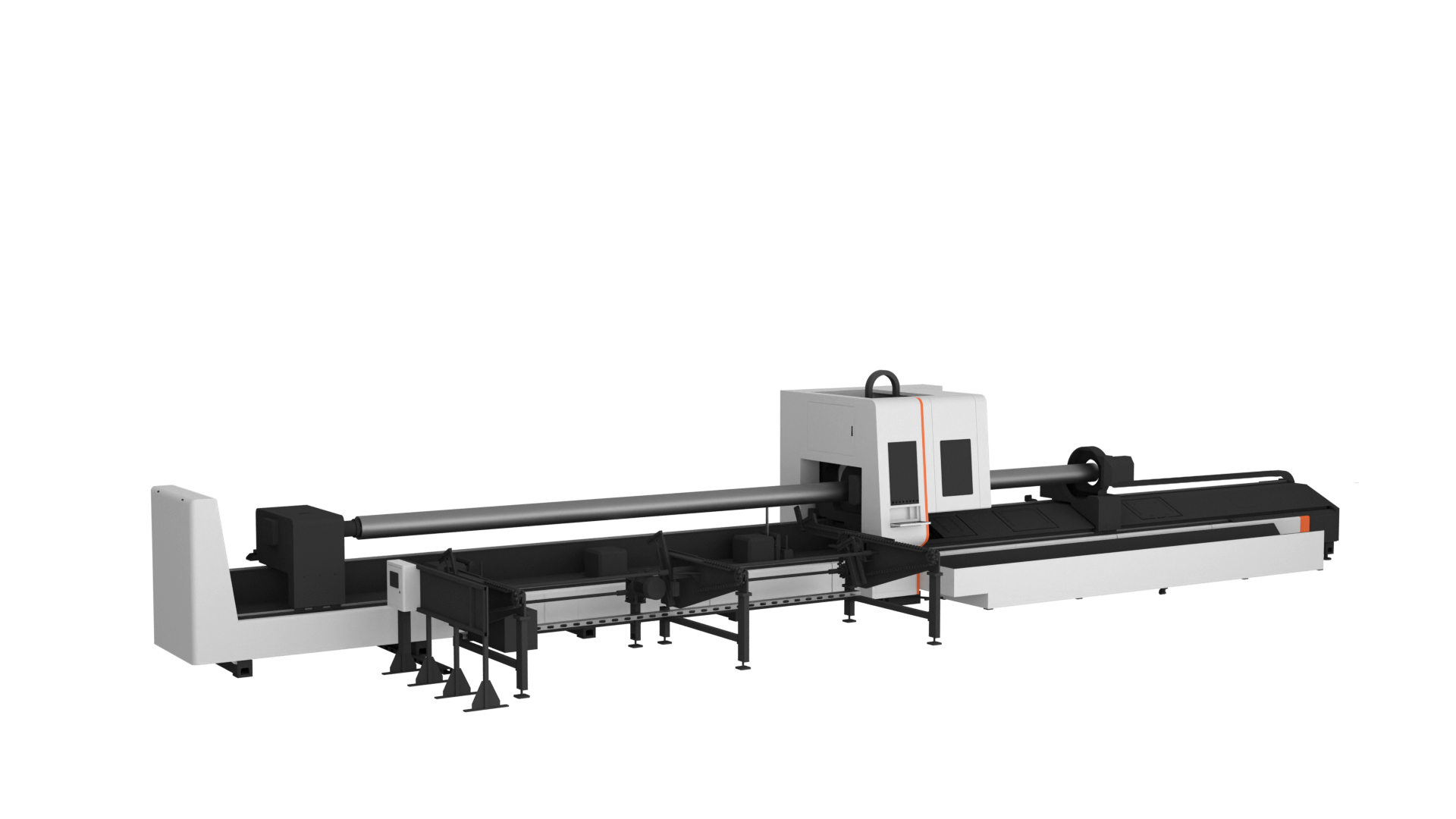
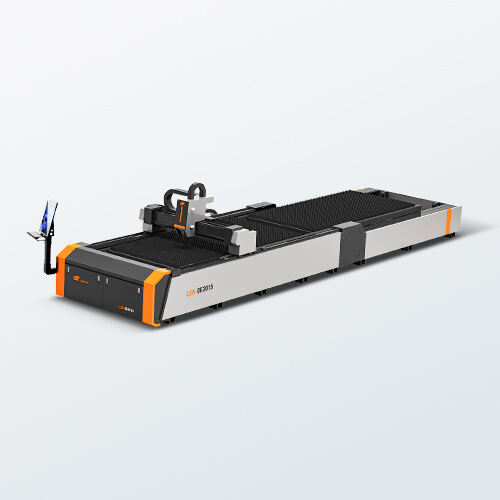
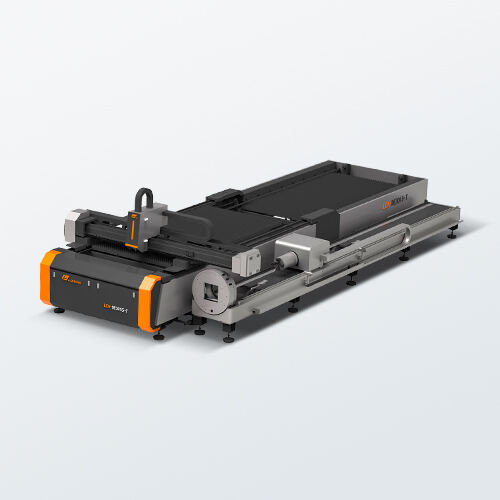
Understanding laser cutting machine cost is essential for businesses seeking precision manufacturing solutions. These advanced systems represent a significant investment that delivers exceptional value through their cutting-edge technology and versatile capabilities. The laser cutting machine cost varies considerably based on power output, bed size, brand reputation, and technological sophistication. Entry-level CO2 laser cutters suitable for small businesses typically range from $3,000 to $15,000, while industrial fiber laser systems can exceed $100,000. The main functions of laser cutting machines include precise material cutting, engraving, marking, and etching across diverse materials. These systems utilize focused laser beams to achieve clean, accurate cuts with minimal material waste. Technological features encompass computer numerical control systems, automatic material handling, real-time monitoring capabilities, and advanced software integration. Modern laser cutting machines incorporate sophisticated cooling systems, precision positioning mechanisms, and safety protocols that ensure optimal performance. Applications span numerous industries including automotive manufacturing, aerospace engineering, electronics production, architectural metalwork, signage creation, and custom fabrication. The laser cutting machine cost reflects the substantial research and development invested in creating these precision instruments. Material compatibility includes metals like steel, aluminum, and titanium, as well as non-metallic substances such as acrylic, wood, leather, and textiles. Processing speeds vary dramatically depending on material thickness and laser power, with some systems achieving cutting rates exceeding 1000 inches per minute on thin materials. The initial laser cutting machine cost consideration must account for operational expenses including electricity consumption, maintenance requirements, replacement parts, and consumables. Return on investment calculations demonstrate that despite higher upfront laser cutting machine cost, these systems frequently pay for themselves through increased productivity, reduced labor requirements, and enhanced product quality compared to traditional cutting methods.


New Products

The laser cutting machine cost delivers remarkable value through numerous practical benefits that directly impact business profitability and operational efficiency. First, these systems provide unmatched precision capabilities, achieving tolerances as tight as ±0.003 inches consistently across production runs. This precision eliminates secondary machining operations, reducing overall manufacturing costs despite the initial laser cutting machine cost investment. Second, laser cutting machines operate at exceptional speeds, completing complex cuts in minutes rather than hours required by conventional methods. This rapid processing capability increases throughput dramatically, allowing businesses to accept more orders and generate higher revenues. Third, the laser cutting machine cost includes minimal material waste since the narrow kerf width preserves valuable raw materials. Traditional cutting methods often waste 15-20% of material, while laser systems typically waste less than 5%. Fourth, these machines require minimal operator intervention, reducing labor costs significantly. A single operator can manage multiple laser cutting systems simultaneously, maximizing workforce efficiency. Fifth, the versatility of laser cutting machines eliminates the need for multiple specialized tools. One system can cut, engrave, etch, and mark various materials, consolidating equipment requirements and reducing facility space needs. Sixth, laser cutting produces superior edge quality that often eliminates finishing operations. The heat-affected zone remains minimal, preserving material properties and reducing post-processing requirements. Seventh, the laser cutting machine cost includes programmable automation capabilities that ensure consistent quality across large production runs. Computer control eliminates human error and maintains precise specifications. Eighth, these systems adapt quickly to design changes without retooling costs. Software updates enable instant modifications to cutting patterns, supporting rapid prototyping and custom manufacturing. Ninth, laser cutting machines operate with exceptional reliability, maintaining consistent performance over extended periods. Proper maintenance ensures years of dependable service, maximizing the return on laser cutting machine cost investment. Finally, these systems support lights-out manufacturing, operating autonomously during off-hours to maximize productivity while minimizing labor expenses.

Tips And Tricks

5 Undeniable Advantages of Fiber Laser Cutters Over CO2 & Plasma

20

Oct

5 Undeniable Advantages of Fiber Laser Cutters Over CO2 & Plasma

View More
Beyond Metal: Fiber Laser Cutting in Aerospace & Automotive Composites

20

Oct

Beyond Metal: Fiber Laser Cutting in Aerospace & Automotive Composites

View More
Your 5-Point Checklist for Choosing the Right Fiber Laser Cutter

20

Oct

Your 5-Point Checklist for Choosing the Right Fiber Laser Cutter

View More

Get a Free Quote

Our representative will contact you soon.
Name
Mobile
Email
Company Name
Message
0/1000

laser cutting machine cost

Exceptional Return on Investment Through Reduced Operating Expenses

Exceptional Return on Investment Through Reduced Operating Expenses

The laser cutting machine cost represents one of the most strategic investments manufacturers can make due to the exceptional return on investment achieved through dramatically reduced operating expenses. Unlike traditional cutting methods that require expensive tooling, frequent blade replacements, and extensive maintenance, laser cutting systems operate with minimal consumables and reduced wear components. The primary operational cost involves electricity consumption and periodic lens cleaning, making the total cost of ownership significantly lower over the equipment lifetime. Businesses typically recover their initial laser cutting machine cost within 12-18 months through savings in labor, materials, and secondary processing operations. The precision nature of laser cutting eliminates the need for expensive finishing processes that traditional methods require. Parts emerge from laser cutting systems with smooth, clean edges that meet final specifications without additional machining or grinding. This capability alone can save thousands of dollars monthly in labor costs and equipment expenses. Additionally, the laser cutting machine cost includes sophisticated software that optimizes material usage through advanced nesting algorithms. These programs arrange parts efficiently on raw material sheets, minimizing waste and maximizing yield from each piece of stock material. Traditional cutting methods often result in 20-30% material waste, while optimized laser cutting reduces waste to less than 5%. For businesses processing expensive materials like titanium, stainless steel, or specialized alloys, this waste reduction translates to substantial cost savings that quickly offset the initial laser cutting machine cost. The automated nature of laser cutting systems also reduces labor requirements significantly. A single skilled operator can manage multiple laser cutting machines simultaneously, dramatically improving labor productivity compared to traditional methods that require dedicated operators for each cutting station. Furthermore, laser cutting machines operate consistently without degradation in cut quality, eliminating the variability and rework costs associated with manual cutting processes. The long-term reliability of these systems means businesses can count on predictable production schedules and consistent quality output, reducing the hidden costs of production delays and quality issues.
Unmatched Versatility Across Materials and Applications

Unmatched Versatility Across Materials and Applications

The laser cutting machine cost delivers exceptional value through unmatched versatility that allows businesses to process an extensive range of materials and applications with a single piece of equipment. This versatility eliminates the need for multiple specialized cutting tools, significantly reducing capital equipment requirements and facility space needs. Modern laser cutting systems excel at processing metals including mild steel, stainless steel, aluminum, brass, copper, and exotic alloys like titanium and Inconel. The same system seamlessly transitions to cutting non-metallic materials such as acrylic, wood, leather, textiles, ceramics, and composites. This multi-material capability makes the laser cutting machine cost investment particularly attractive for job shops and manufacturers serving diverse markets. The thickness range capabilities of laser cutting systems are equally impressive, handling materials from thin foils measuring 0.001 inches to thick plates exceeding 4 inches, depending on material type and laser power. This broad thickness range eliminates the need for multiple cutting systems, further justifying the laser cutting machine cost through equipment consolidation. Beyond simple cutting operations, laser systems perform complex processes including engraving, etching, marking, and perforating. This multi-functionality transforms the laser cutting machine cost from a single-purpose expense into a comprehensive manufacturing solution. The precision marking capabilities enable permanent part identification, traceability coding, and decorative engraving without additional equipment investments. Laser cutting systems also excel at creating intricate geometries impossible with traditional methods. Complex internal features, sharp corners, small holes, and delicate patterns are routinely achieved without tool wear or geometric limitations. This capability opens new design possibilities and enables manufacturers to accept challenging projects that competitors cannot handle. The laser cutting machine cost includes advanced software that supports rapid design changes and prototyping. Engineers can modify cutting patterns instantly without physical tooling changes, enabling rapid iteration and customization. This flexibility is particularly valuable for manufacturers serving industries with frequent design changes or custom requirements. Additionally, laser cutting systems maintain consistent quality across all materials and thicknesses, ensuring reliable results regardless of application diversity.
Advanced Technology Integration for Future-Ready Manufacturing

Advanced Technology Integration for Future-Ready Manufacturing

The laser cutting machine cost includes cutting-edge technology integration that positions businesses for future manufacturing success while providing immediate operational benefits. Modern laser cutting systems incorporate Industry 4.0 principles through comprehensive connectivity, real-time monitoring, and predictive maintenance capabilities. These advanced features transform the laser cutting machine cost from a simple equipment purchase into a strategic technology investment that enhances overall manufacturing competitiveness. Integrated sensors continuously monitor laser power, beam quality, assist gas pressure, and cutting parameters to ensure optimal performance. This real-time monitoring prevents quality issues before they occur and maintains consistent output throughout production runs. The data collected by these sensors feeds into advanced analytics systems that identify optimization opportunities and predict maintenance requirements. Predictive maintenance capabilities included in the laser cutting machine cost help businesses avoid unexpected downdowns and extend equipment life through proactive service scheduling. Remote monitoring capabilities allow technicians to diagnose issues and often resolve problems without on-site visits, minimizing disruption to production schedules. Cloud connectivity enables manufacturers to monitor multiple laser cutting systems across different locations from a central dashboard, providing unprecedented visibility into production operations. The software integration included with laser cutting machine cost supports seamless connection to existing manufacturing execution systems, enterprise resource planning platforms, and computer-aided design programs. This integration eliminates manual data entry, reduces errors, and enables automated workflow management. Advanced nesting software optimizes material utilization automatically, considering factors like material grain direction, cutting sequence efficiency, and part priority. Machine learning algorithms continuously improve cutting parameters based on historical performance data, ensuring optimal settings for each material and thickness combination. The laser cutting machine cost also includes cybersecurity features that protect proprietary designs and manufacturing data from unauthorized access. Encrypted communication protocols and secure network connections ensure that sensitive information remains protected throughout the manufacturing process. Automated backup systems preserve cutting programs and operational data, enabling rapid recovery from any system failures. Furthermore, modern laser cutting systems support flexible manufacturing through quick changeover capabilities and adaptive processing parameters that respond to material variations automatically, ensuring consistent quality regardless of material lot variations or environmental conditions.

Get a Free Quote

Our representative will contact you soon.
Name
Mobile
Email
Company Name
Message
0/1000