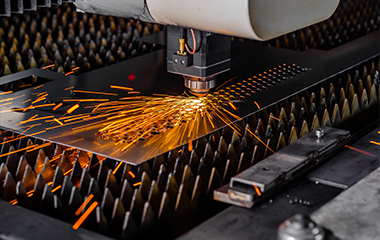
Advanced Metal Cutting Fiber Laser Technology - Precision Manufacturing Solutions

All Categories

Get a Free Quote

Our representative will contact you soon.
Name
Mobile
Email
Company Name
Message
0/1000

metal cutting fiber laser

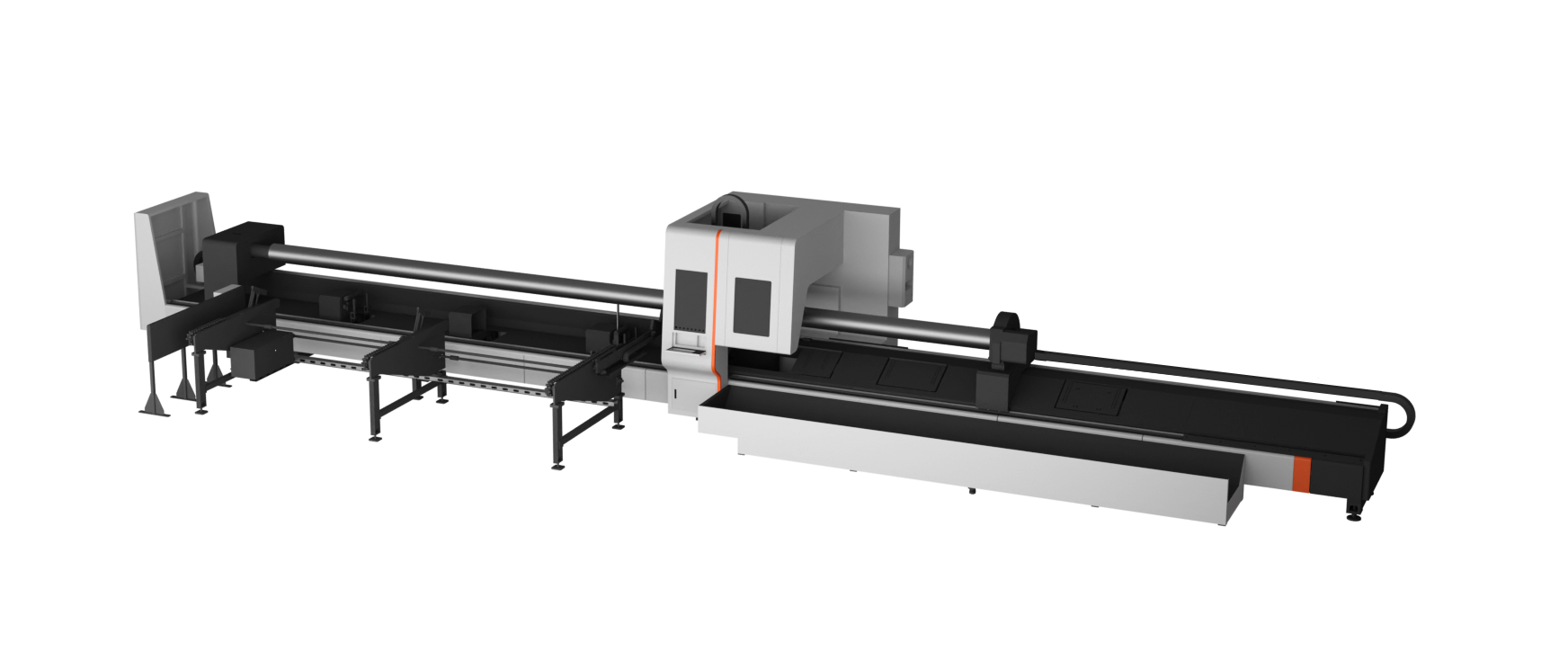
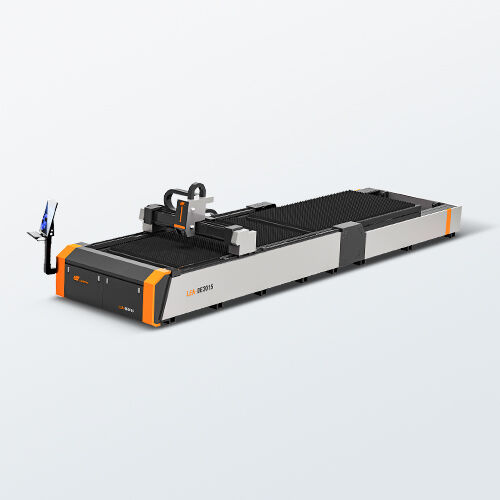
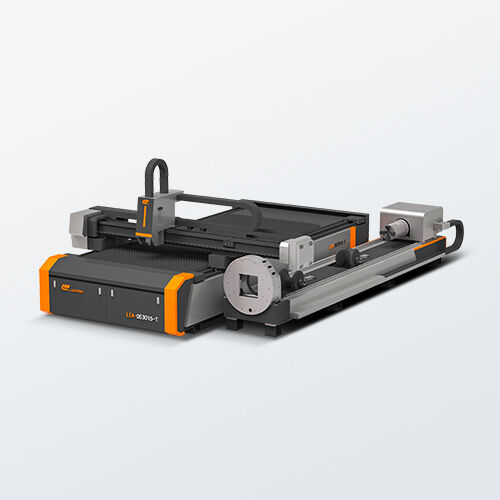
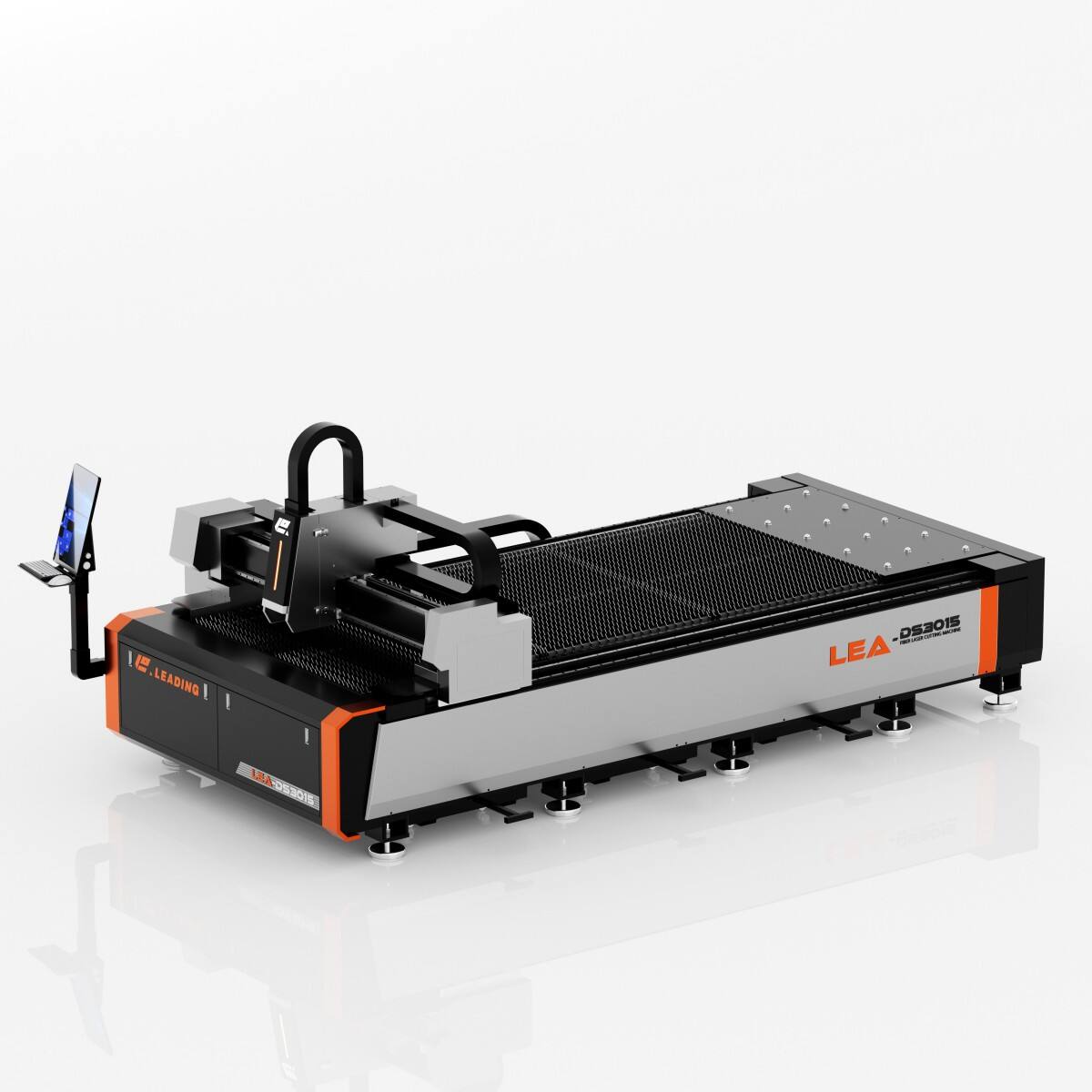
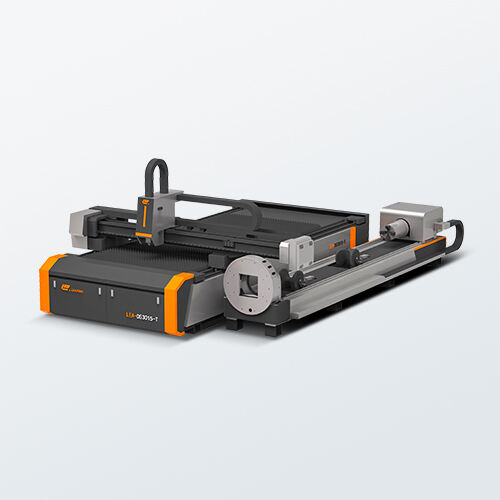
The metal cutting fiber laser represents a revolutionary advancement in industrial manufacturing technology, delivering unprecedented precision and efficiency in material processing. This sophisticated system utilizes concentrated light beams generated through fiber optic technology to cut through various metal materials with exceptional accuracy. Unlike traditional cutting methods, the metal cutting fiber laser operates by focusing intense laser energy onto a precise point, creating temperatures that instantly vaporize or melt the material along predetermined cutting paths. The core technology employs rare-earth-doped optical fibers as the gain medium, which amplifies light through stimulated emission processes. This configuration allows the metal cutting fiber laser to achieve remarkable beam quality with excellent focusability and minimal thermal distortion. The system integrates advanced motion control mechanisms, typically featuring multi-axis CNC capabilities that enable complex geometrical cuts and intricate patterns. Modern metal cutting fiber laser systems incorporate real-time monitoring sensors that continuously adjust power output, cutting speed, and focus position to maintain optimal performance across varying material thicknesses and compositions. The wavelength characteristics of fiber lasers, typically around 1064 nanometers, provide superior absorption rates in metallic materials compared to alternative laser technologies. This enhanced absorption translates to improved energy efficiency and faster cutting speeds. The metal cutting fiber laser excels in processing diverse materials including stainless steel, carbon steel, aluminum, copper, brass, titanium, and various alloys. Thickness capabilities range from ultra-thin sheets measured in micrometers to substantial plates several inches thick, depending on material properties and system specifications. The technology supports both through-cutting and controlled depth engraving operations, making it versatile for manufacturing components, decorative elements, and prototyping applications across automotive, aerospace, electronics, medical device, and architectural industries.


New Products

The metal cutting fiber laser delivers substantial operational benefits that directly impact productivity and profitability for manufacturing businesses. First, the exceptional cutting speed significantly reduces production cycle times, allowing manufacturers to complete projects faster and handle higher order volumes. This speed advantage becomes particularly pronounced when processing thin to medium thickness materials, where the metal cutting fiber laser can achieve cutting rates several times faster than conventional plasma or mechanical cutting methods. The superior edge quality eliminates secondary finishing operations in many applications, saving both time and labor costs while ensuring consistent part specifications. Energy efficiency stands as another compelling advantage, with the metal cutting fiber laser consuming significantly less electricity than competing technologies. This efficiency stems from the direct conversion of electrical energy to laser light within the fiber medium, minimizing energy losses associated with beam delivery systems. The reduced power consumption translates to lower operating costs and smaller environmental footprints, appealing to sustainability-conscious organizations. Maintenance requirements remain minimal due to the solid-state design of fiber laser systems, which contain no consumable components like electrodes or mirrors that require frequent replacement. This reliability reduces downtime and maintenance expenses while ensuring consistent production schedules. The metal cutting fiber laser operates with remarkable precision, achieving tolerances within micron ranges that exceed capabilities of traditional cutting methods. This accuracy enables manufacturers to reduce material waste through optimized nesting algorithms and tighter part spacing on raw material sheets. The non-contact cutting process eliminates tool wear concerns and mechanical stresses that can deform workpieces, particularly beneficial when processing delicate or thin materials. Flexibility represents another key advantage, as the metal cutting fiber laser adapts quickly between different materials, thicknesses, and cutting patterns without requiring extensive setup changes or tooling modifications. This versatility supports lean manufacturing principles and enables rapid response to changing customer requirements. The clean cutting process produces minimal heat-affected zones, preserving material properties near cut edges and reducing the need for post-processing treatments. Additionally, the metal cutting fiber laser operates quietly compared to mechanical cutting systems, contributing to improved workplace environments and compliance with noise regulations.

Tips And Tricks

5 Undeniable Advantages of Fiber Laser Cutters Over CO2 & Plasma

20

Oct

5 Undeniable Advantages of Fiber Laser Cutters Over CO2 & Plasma

View More
Beyond Metal: Fiber Laser Cutting in Aerospace & Automotive Composites

20

Oct

Beyond Metal: Fiber Laser Cutting in Aerospace & Automotive Composites

View More
Your 5-Point Checklist for Choosing the Right Fiber Laser Cutter

20

Oct

Your 5-Point Checklist for Choosing the Right Fiber Laser Cutter

View More

Get a Free Quote

Our representative will contact you soon.
Name
Mobile
Email
Company Name
Message
0/1000

metal cutting fiber laser

Unmatched Precision and Edge Quality Performance

Unmatched Precision and Edge Quality Performance

The metal cutting fiber laser achieves extraordinary precision levels that revolutionize manufacturing standards across multiple industries. This advanced technology delivers consistent edge quality with minimal thermal distortion, enabling manufacturers to produce components that meet the most stringent dimensional tolerances without requiring secondary finishing operations. The focused beam diameter, typically measuring between 0.1 to 0.3 millimeters, creates incredibly narrow kerf widths that maximize material utilization and minimize waste generation. This precision capability becomes particularly valuable in industries such as aerospace and medical device manufacturing, where component accuracy directly impacts safety and performance. The metal cutting fiber laser maintains consistent cut quality regardless of cutting direction or geometric complexity, ensuring uniform results across intricate patterns and detailed features. The minimal heat-affected zone, typically extending less than 0.1 millimeters from the cut edge, preserves the structural integrity and mechanical properties of base materials. This characteristic proves essential when working with heat-sensitive alloys or when maintaining specific metallurgical properties near component edges. The system's ability to produce perpendicular cut faces with minimal taper ensures proper fit-up for welding and assembly operations, reducing manufacturing complications and improving final product quality. Advanced beam shaping technologies integrated into modern metal cutting fiber laser systems enable optimization of cutting parameters for specific applications, whether prioritizing speed, edge smoothness, or dimensional accuracy. The repeatability of cut quality across thousands of identical parts ensures consistent manufacturing output that meets quality control standards without variation. This reliability eliminates the need for extensive inspection processes and reduces rejection rates, directly contributing to improved manufacturing efficiency and cost control. The metal cutting fiber laser's precision capabilities extend to micro-machining applications, where feature sizes measured in micrometers require exceptional beam stability and control accuracy that traditional cutting methods simply cannot achieve.
Superior Energy Efficiency and Environmental Benefits

Superior Energy Efficiency and Environmental Benefits

The metal cutting fiber laser stands as the most energy-efficient cutting technology available in modern manufacturing, delivering exceptional performance while significantly reducing operational costs and environmental impact. The fiber laser architecture achieves electrical-to-optical conversion efficiencies exceeding 30 percent, substantially higher than alternative laser technologies that typically operate below 15 percent efficiency. This remarkable efficiency translates directly to reduced electricity consumption, lowering operating expenses and supporting corporate sustainability initiatives. The metal cutting fiber laser requires no warm-up time, instantly reaching full operational capacity upon activation, unlike gas lasers that demand extensive preparation periods consuming energy without productive output. This immediate availability supports lean manufacturing principles and reduces energy waste during production scheduling. The solid-state design eliminates consumable gases, reducing ongoing operational expenses and eliminating supply chain dependencies associated with gas bottle management and replacement. Environmental benefits extend beyond energy efficiency, as the metal cutting fiber laser produces no harmful emissions or toxic byproducts during operation, supporting clean manufacturing practices and regulatory compliance. The precise cutting action minimizes material waste through optimized nesting algorithms that maximize sheet utilization, reducing raw material consumption and scrap generation. Heat generation remains localized to the immediate cutting zone, eliminating the need for extensive cooling systems that consume additional energy in competing technologies. The compact footprint of fiber laser systems requires less facility space, reducing building energy requirements for heating, cooling, and lighting. Maintenance activities generate minimal waste products, as the system contains no consumable electrodes, mirrors, or gas components requiring regular replacement and disposal. The extended operational lifespan of fiber laser components, often exceeding 100,000 hours, reduces replacement frequency and associated environmental impacts of component manufacturing and transportation. These environmental advantages position the metal cutting fiber laser as the preferred choice for manufacturers committed to sustainable production practices while maintaining competitive operational costs and superior cutting performance.
Exceptional Versatility and Material Processing Capabilities

Exceptional Versatility and Material Processing Capabilities

The metal cutting fiber laser demonstrates unparalleled versatility in material processing, accommodating an extensive range of metals and alloys while maintaining consistent high-quality results across varying thicknesses and compositions. This adaptability enables manufacturers to consolidate multiple cutting processes into a single system, reducing equipment investments and facility space requirements while simplifying production workflows. The technology excels in processing ferrous materials including carbon steel, stainless steel, and tool steels, achieving clean cuts through thicknesses ranging from ultra-thin foils to plates exceeding 40 millimeters depending on system power levels. Non-ferrous materials such as aluminum, copper, brass, bronze, and titanium respond exceptionally well to fiber laser processing, with the 1064-nanometer wavelength providing optimal absorption characteristics for efficient energy transfer and precise cutting action. The metal cutting fiber laser adapts seamlessly to exotic alloys and specialty materials including Inconel, Hastelloy, and other high-temperature resistant compositions commonly used in aerospace and chemical processing applications. Material switching requires minimal setup adjustments, as the system automatically optimizes cutting parameters including power output, cutting speed, assist gas selection, and focus position based on programmed material libraries. This flexibility supports mixed-material production runs and prototype development where multiple alloy types may be processed within single production sessions. The technology handles both sheet and plate materials with equal proficiency, accommodating standard industrial sizes while also processing custom dimensions and shapes. Complex geometries including sharp angles, tight radii, and intricate internal features present no challenges for the metal cutting fiber laser, enabling manufacturers to produce sophisticated components that would be difficult or impossible with conventional cutting methods. The system supports both through-cutting and controlled-depth engraving operations, adding marking and identification capabilities that eliminate separate processing steps. Batch processing capabilities allow simultaneous cutting of multiple parts from single sheets, maximizing productivity and material utilization while maintaining consistent quality across all produced components. This versatility extends to specialized applications including micro-machining for electronics manufacturing, architectural metalwork requiring artistic detail, and heavy industrial components demanding robust cutting performance.

Get a Free Quote

Our representative will contact you soon.
Name
Mobile
Email
Company Name
Message
0/1000