Versatile Material Processing Capabilities
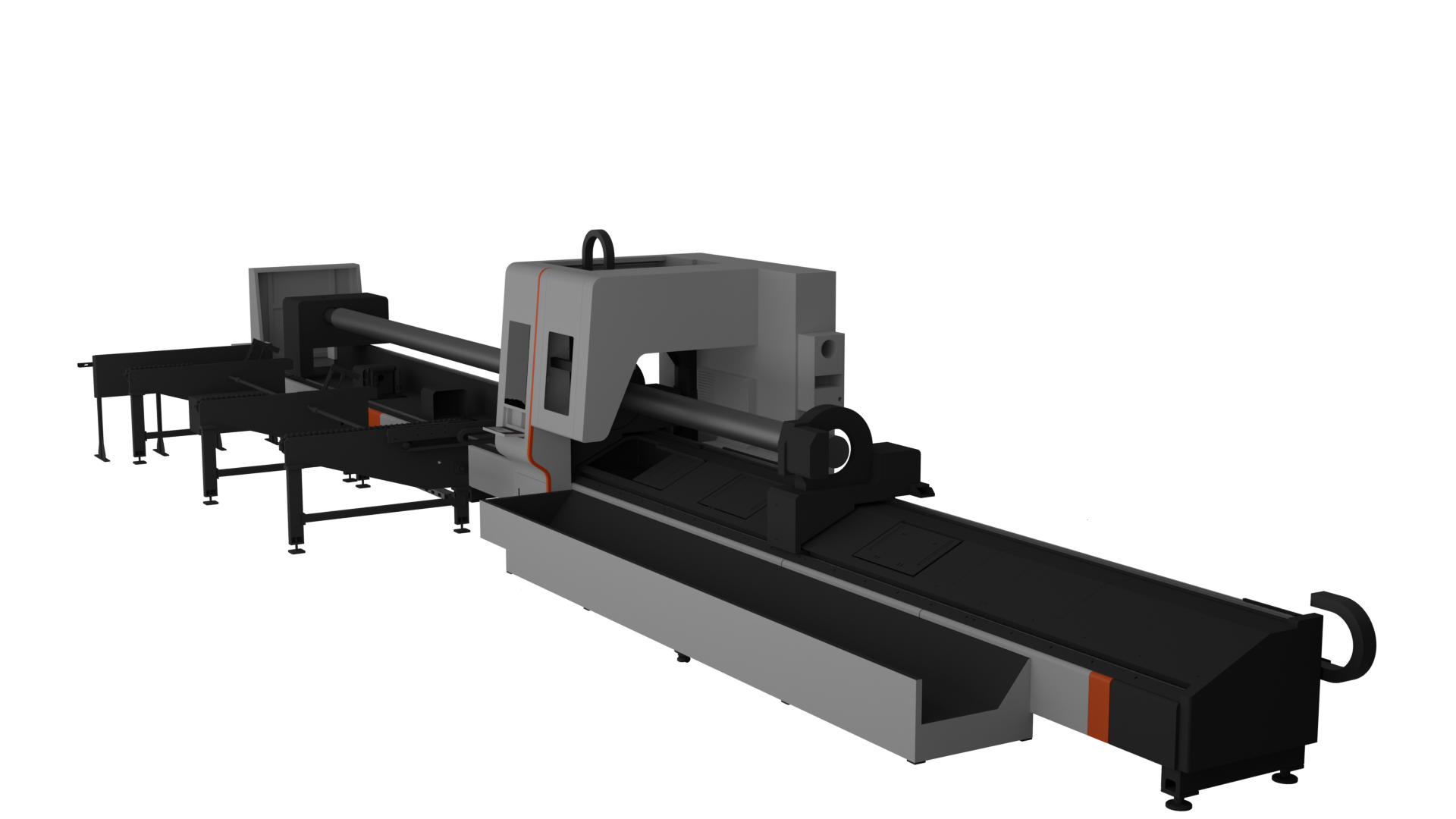
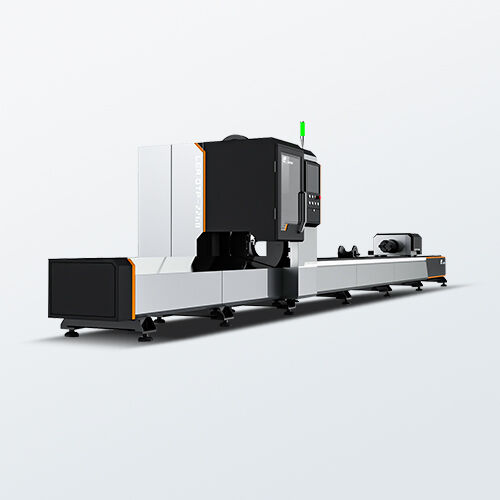
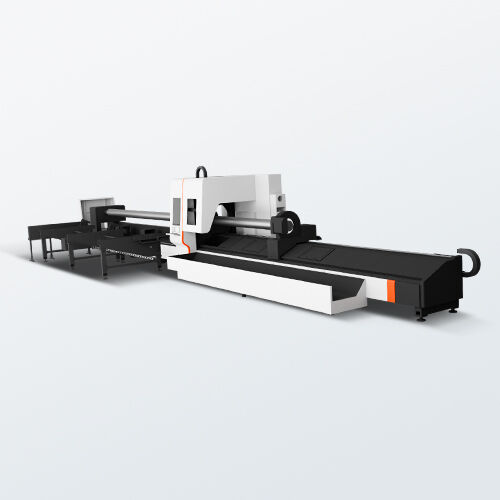
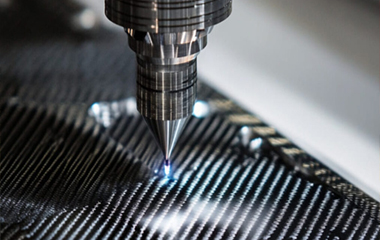
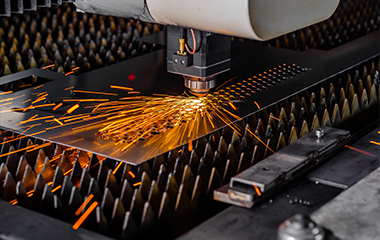
The laser tube cutting design demonstrates exceptional versatility in processing diverse materials and tube configurations, making it an indispensable solution for manufacturers serving multiple industries and applications. This comprehensive processing capability extends across ferrous and non-ferrous metals, including carbon steel, stainless steel grades, aluminum alloys, copper, brass, titanium, and specialized aerospace materials, providing manufacturers with unprecedented flexibility in material selection and product development. The technology adapts seamlessly to various tube geometries including round, square, rectangular, oval, and custom profiles, enabling manufacturers to serve diverse market segments without requiring multiple specialized machines. Wall thickness processing ranges from thin-gauge materials as light as 0.5mm to heavy-wall tubes exceeding 25mm thickness, accommodating applications from delicate electronic housings to robust structural components. The laser tube cutting design handles tube diameters spanning from small precision tubes under 10mm to large industrial pipes exceeding 300mm diameter, providing comprehensive coverage for virtually any tubular component requirement. Advanced beam delivery systems automatically adjust focal parameters and cutting gas compositions based on material properties and thickness requirements, ensuring optimal cutting quality regardless of material selection. The technology processes both straight tubes and pre-bent components with equal effectiveness, enabling manufacturers to perform cutting operations on complex shaped tubes without requiring specialized fixturing or additional setup procedures. Coated and plated materials are processed without damaging surface treatments, preserving protective finishes and eliminating costly secondary operations. The laser tube cutting design accommodates various material conditions including annealed, cold-rolled, and heat-treated states without requiring different processing parameters or equipment modifications. Multi-material assemblies can be processed in single setups, enabling efficient production of composite components that combine different material properties within single assemblies. The system automatically compensates for material property variations such as thermal conductivity and reflectivity, maintaining consistent cutting performance across different material types and ensuring reliable production outcomes for diverse manufacturing requirements.

 EN
EN