3d tube laser cutting
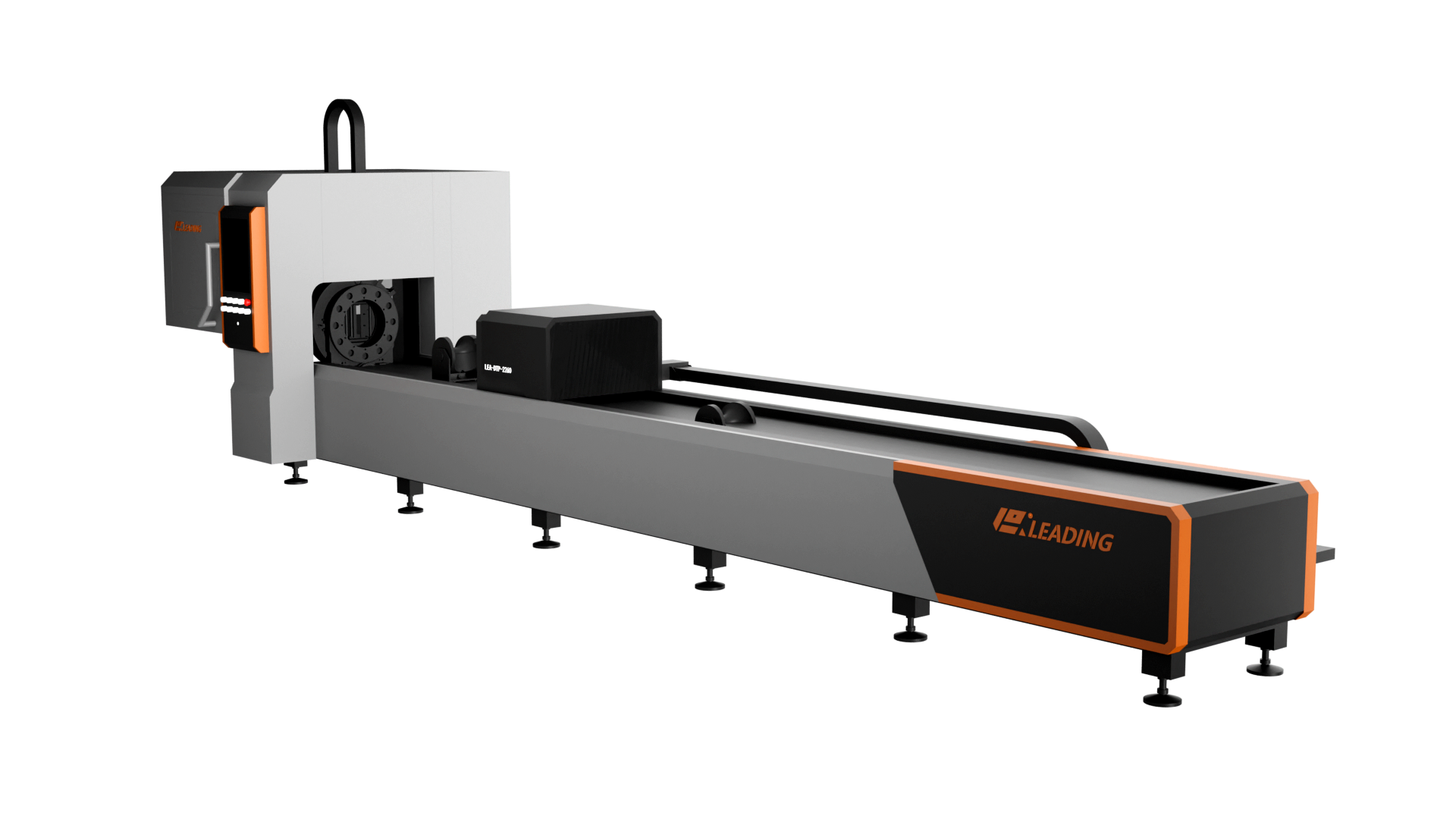
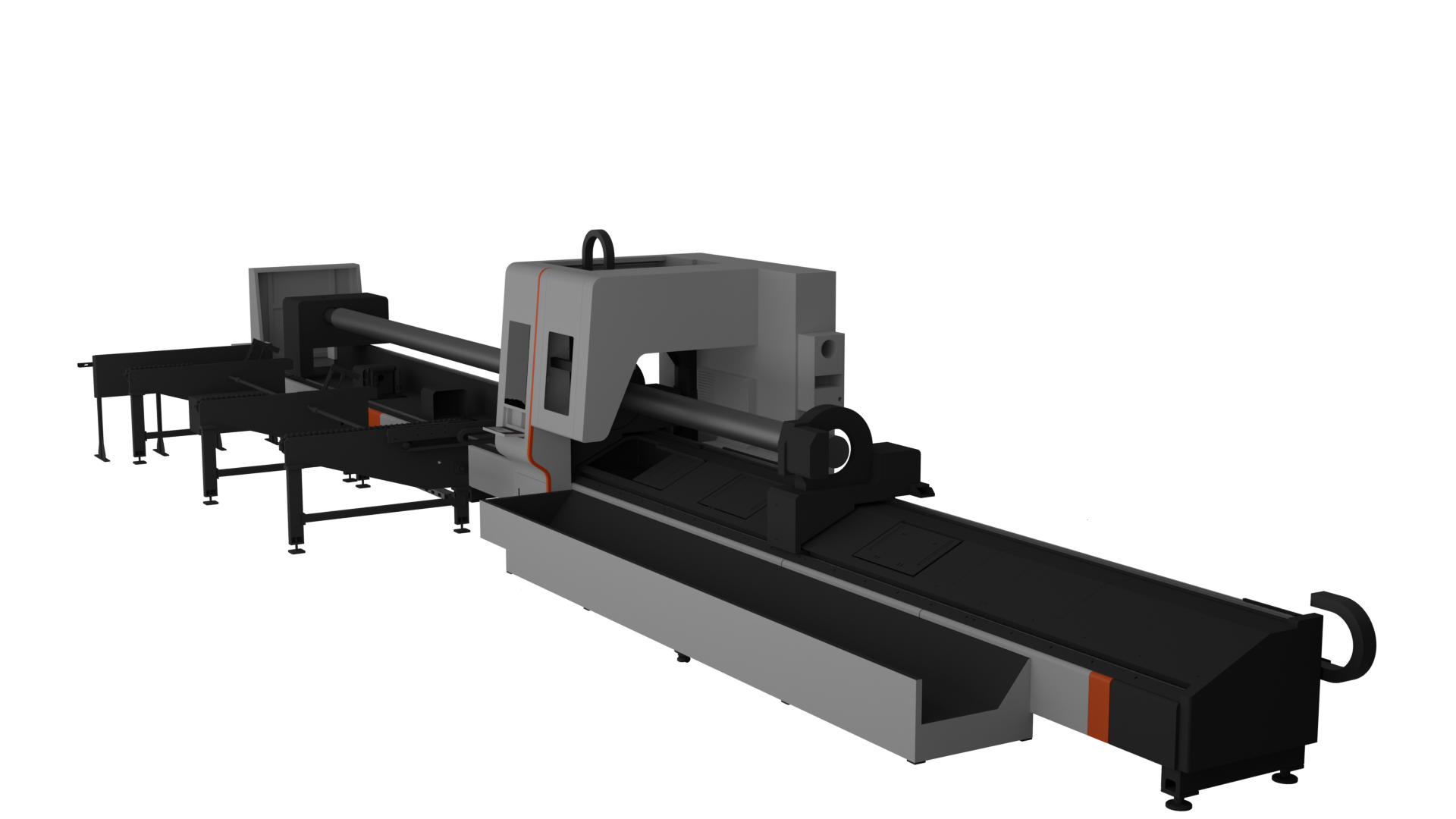
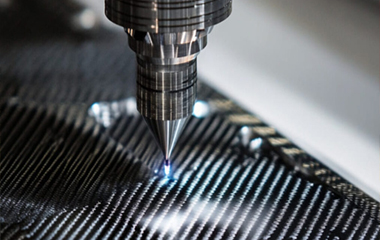
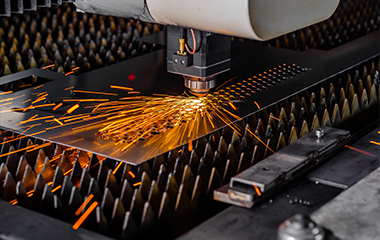
3D tube laser cutting represents a revolutionary advancement in metal fabrication technology, transforming how manufacturers approach complex tubular component production. This sophisticated process utilizes high-powered laser beams to cut, shape, and modify metal tubes with unprecedented precision and efficiency. Unlike traditional cutting methods, 3D tube laser cutting enables manufacturers to create intricate geometries, complex angles, and detailed patterns directly on cylindrical materials without requiring multiple setup operations or secondary machining processes. The technology employs advanced computer numerical control systems that guide the laser head through three-dimensional space, allowing for simultaneous cutting and positioning adjustments. This capability enables the creation of notches, slots, holes, and complex contours on tubes of varying diameters and wall thicknesses. The main functions of 3D tube laser cutting include precise material removal, beveling operations, marking applications, and structural modifications that would be extremely challenging or impossible with conventional cutting techniques. Technologically, the system features multi-axis positioning capabilities, real-time monitoring systems, and adaptive cutting parameters that automatically adjust to material variations. The laser source typically ranges from fiber lasers to CO2 systems, depending on material requirements and cutting specifications. Advanced software integration allows for seamless CAD file interpretation, automatic nesting optimization, and predictive maintenance scheduling. Applications span across automotive exhaust systems, aerospace structural components, furniture frameworks, architectural elements, medical device manufacturing, and industrial equipment fabrication. The versatility of 3D tube laser cutting makes it particularly valuable for industries requiring high-precision tubular components with complex geometries, tight tolerances, and superior edge quality. This technology has become essential for manufacturers seeking to reduce production time, minimize material waste, and achieve consistent quality standards while handling increasingly complex design requirements in modern manufacturing environments.

 EN
EN