Professional Laser Cutting Steel Tubing Services - Precision Manufacturing Solutions

All Categories

Get a Free Quote

Our representative will contact you soon.
Name
Mobile
Email
Company Name
Message
0/1000

laser cutting steel tubing

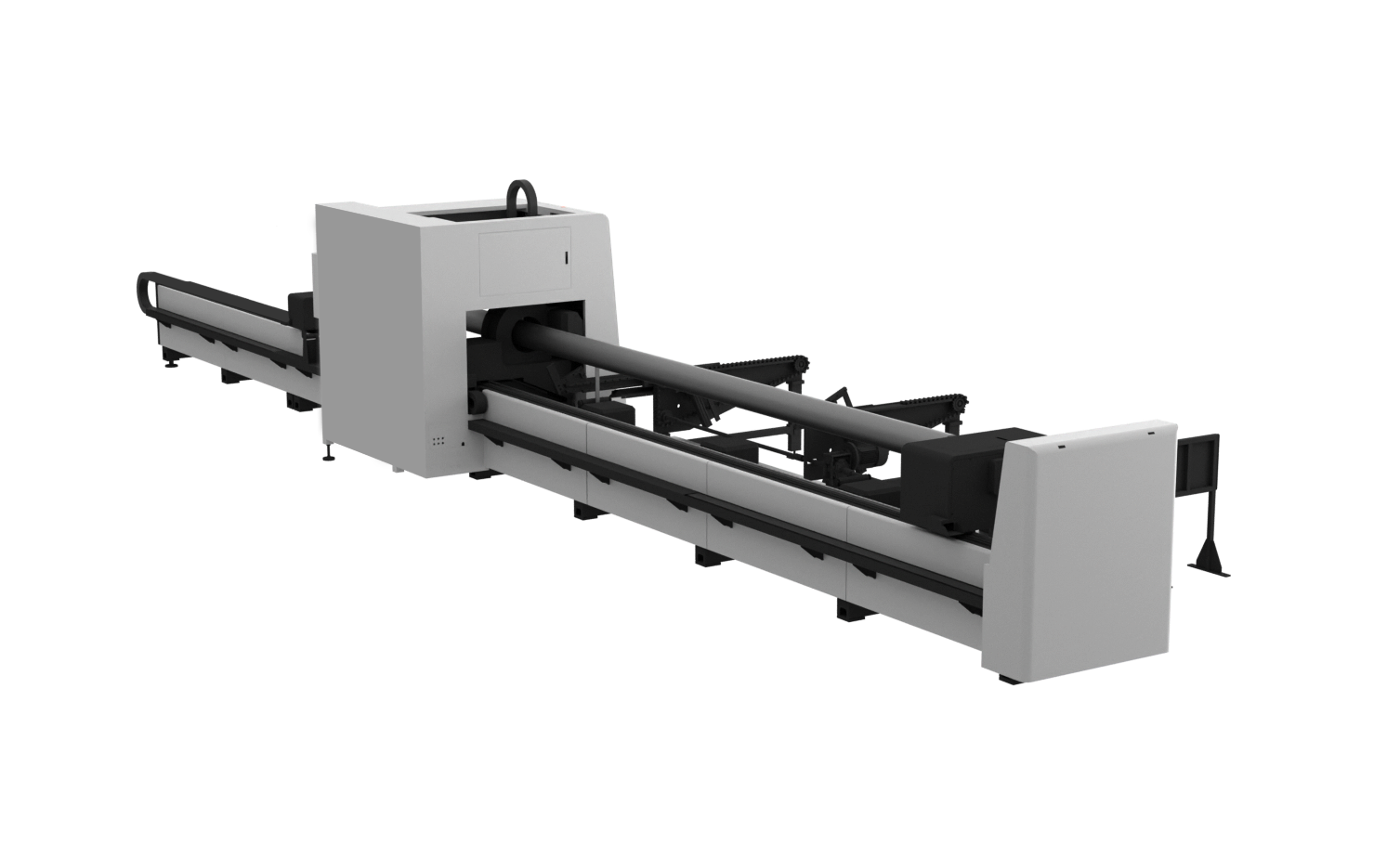
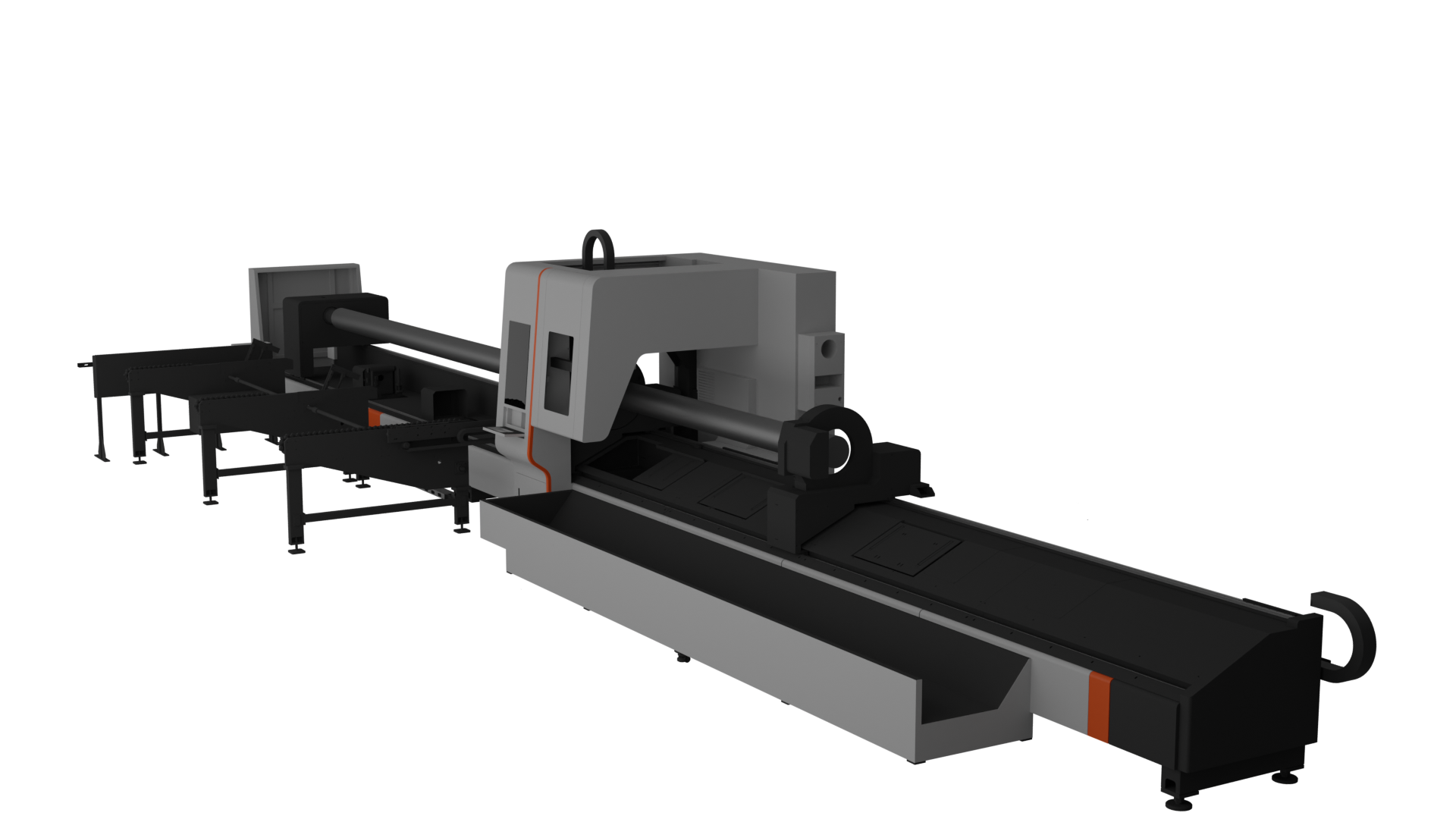
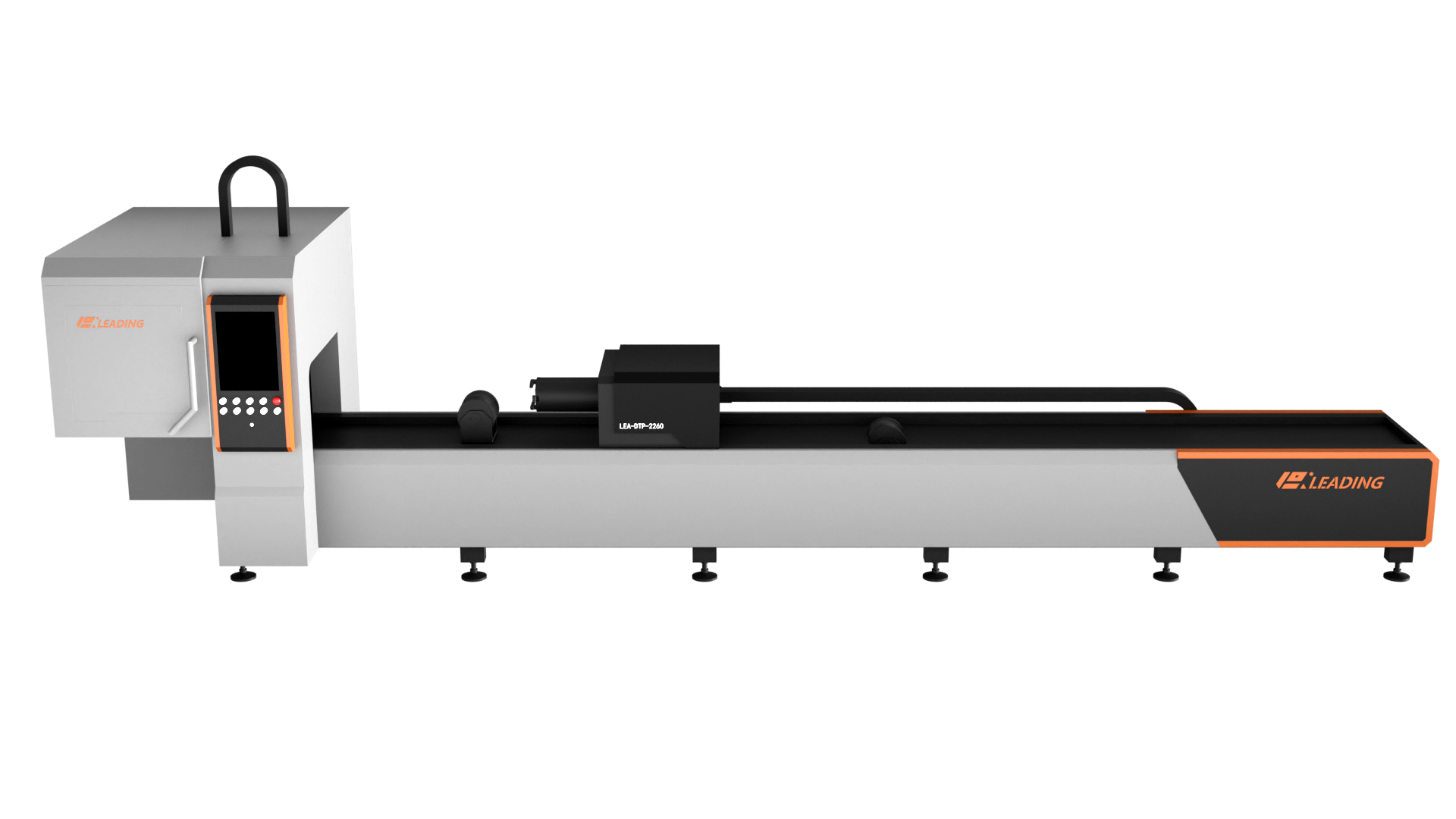
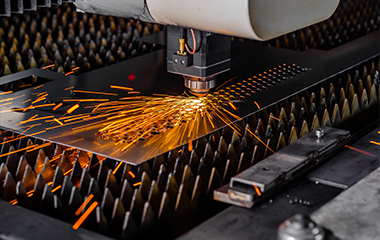
Laser cutting steel tubing represents a revolutionary manufacturing process that utilizes high-powered laser beams to precisely cut through various steel tube materials with exceptional accuracy and efficiency. This advanced technology employs concentrated light energy to melt, burn, or vaporize steel tubing along predetermined paths, creating clean cuts with minimal material waste. The laser cutting steel tubing process operates through computer numerical control systems that guide the laser beam with microscopic precision, ensuring consistent results across large production runs. Modern laser cutting steel tubing systems can handle diverse steel grades including carbon steel, stainless steel, and alloy steel tubes with wall thicknesses ranging from thin-gauge materials to heavy-duty industrial applications. The technological features of laser cutting steel tubing include fiber laser sources that deliver superior beam quality, automated material handling systems for continuous operation, and sophisticated software that optimizes cutting parameters for different steel compositions. These systems maintain cutting speeds that significantly surpass traditional mechanical cutting methods while producing superior edge quality that often eliminates secondary finishing operations. The main functions of laser cutting steel tubing encompass precision cutting, beveling, hole drilling, and complex shape creation within a single setup. Applications span numerous industries including automotive exhaust systems, architectural frameworks, furniture manufacturing, medical device components, aerospace structures, and industrial machinery fabrication. The versatility of laser cutting steel tubing allows manufacturers to process both round and rectangular profiles, enabling complex geometric cuts that would be impossible or economically unfeasible with conventional cutting methods. Quality control features integrated into laser cutting steel tubing systems include real-time monitoring sensors that detect variations in cut quality and automatically adjust parameters to maintain consistent results throughout production cycles.


New Product Releases

Laser cutting steel tubing delivers remarkable precision that transforms manufacturing capabilities for businesses across multiple industries. The accuracy achieved through laser cutting steel tubing reaches tolerances as tight as plus or minus 0.001 inches, eliminating the need for extensive secondary machining operations that add cost and time to production schedules. This precision translates directly into reduced material waste, as laser cutting steel tubing creates narrow kerf widths that preserve more usable material compared to traditional cutting methods. Manufacturing efficiency gains become immediately apparent when implementing laser cutting steel tubing technology, as cutting speeds can reach several hundred inches per minute depending on material thickness and steel grade. The automated nature of laser cutting steel tubing systems reduces labor requirements while simultaneously increasing output capacity, allowing operators to manage multiple cutting operations simultaneously. Heat-affected zones remain minimal with laser cutting steel tubing processes, preserving the structural integrity and metallurgical properties of the base material. This characteristic proves particularly valuable when working with heat-treated or specially processed steel tubing where maintaining material properties is critical for final application performance. Edge quality produced by laser cutting steel tubing operations typically eliminates the need for deburring or additional finishing steps, as the laser process creates smooth, clean cuts with minimal dross formation. Flexibility represents another significant advantage of laser cutting steel tubing, as the same equipment can efficiently process different tube sizes, wall thicknesses, and steel grades without requiring tooling changes or extensive setup modifications. Programming changes can be implemented quickly through software updates, enabling rapid transitions between different part designs and production runs. Cost-effectiveness emerges from multiple factors including reduced material waste, elimination of secondary operations, decreased labor requirements, and improved production throughput. The repeatability of laser cutting steel tubing ensures consistent part quality across large production volumes, reducing quality control issues and customer complaints that can damage business relationships and profitability.

Practical Tips

5 Undeniable Advantages of Fiber Laser Cutters Over CO2 & Plasma

20

Oct

5 Undeniable Advantages of Fiber Laser Cutters Over CO2 & Plasma

View More
Beyond Metal: Fiber Laser Cutting in Aerospace & Automotive Composites

20

Oct

Beyond Metal: Fiber Laser Cutting in Aerospace & Automotive Composites

View More
Your 5-Point Checklist for Choosing the Right Fiber Laser Cutter

20

Oct

Your 5-Point Checklist for Choosing the Right Fiber Laser Cutter

View More

Get a Free Quote

Our representative will contact you soon.
Name
Mobile
Email
Company Name
Message
0/1000

laser cutting steel tubing

Unmatched Precision and Consistency in Steel Tube Processing

Unmatched Precision and Consistency in Steel Tube Processing

The precision capabilities of laser cutting steel tubing establish new standards for manufacturing accuracy that directly impact product quality and customer satisfaction. Advanced laser cutting steel tubing systems utilize sophisticated beam control technology that maintains focus diameter consistency throughout the entire cutting process, ensuring uniform cut quality from the first piece to the thousandth piece in a production run. This level of precision becomes particularly crucial when manufacturing components for demanding applications such as medical devices, aerospace assemblies, or precision instrumentation where dimensional accuracy directly affects functional performance. The computer-controlled nature of laser cutting steel tubing eliminates human error variables that can occur with manual cutting operations, while simultaneously providing documentation and traceability for quality assurance programs. Repeatability measurements in laser cutting steel tubing operations consistently demonstrate part-to-part variations well within statistical process control limits, enabling manufacturers to confidently quote tight tolerances to customers while maintaining profitable production margins. The thermal characteristics of laser cutting steel tubing create minimal heat-affected zones that preserve material properties along cut edges, preventing the softening or hardening that can occur with other thermal cutting processes. This preservation of material integrity proves essential when working with specially treated steel tubing where maintaining specific hardness values or corrosion resistance properties is required for end-use applications. Precision positioning systems integrated into laser cutting steel tubing equipment provide multi-axis control that enables complex three-dimensional cutting operations, opening possibilities for creating intricate joint preparations, compound angles, and decorative patterns that add value to finished products. Quality monitoring systems continuously evaluate cut edge characteristics during laser cutting steel tubing operations, automatically adjusting power, speed, and gas flow parameters to maintain optimal cutting conditions throughout extended production runs.
Superior Production Speed and Operational Efficiency

Superior Production Speed and Operational Efficiency

The speed advantages of laser cutting steel tubing fundamentally transform production economics by dramatically reducing cycle times while maintaining superior cut quality standards. Modern laser cutting steel tubing systems achieve cutting speeds that can exceed traditional methods by factors of three to five times, depending on material thickness and complexity of cut geometry. This speed increase translates into immediate productivity gains that allow manufacturers to accept larger orders, reduce delivery times, and improve customer satisfaction levels. The rapid processing capability of laser cutting steel tubing becomes particularly valuable in high-volume production environments where every second of cycle time reduction contributes to significant cost savings over the course of annual production volumes. Automated material handling systems integrated with laser cutting steel tubing equipment enable continuous operation capabilities that maximize equipment utilization rates while minimizing labor intervention requirements. These systems can automatically load, position, cut, and unload steel tubing components without operator involvement, allowing skilled personnel to focus on value-added tasks such as quality control, process optimization, and customer service activities. The programming efficiency of laser cutting steel tubing systems allows rapid changeovers between different part configurations, often requiring only minutes to transition from one product design to another compared to hours required for tooling changes in traditional cutting methods. This flexibility enables manufacturers to respond quickly to customer design changes, prototype requirements, and market demands without significant production disruptions. Energy efficiency characteristics of modern laser cutting steel tubing systems optimize power consumption by delivering energy precisely where needed during the cutting process, reducing operating costs while maintaining environmental responsibility. The combination of high-speed processing and automated operation creates opportunities for lights-out manufacturing scenarios where laser cutting steel tubing systems can operate unattended during off-shift hours, effectively doubling or tripling production capacity without proportional increases in labor costs.
Exceptional Material Versatility and Design Flexibility

Exceptional Material Versatility and Design Flexibility

The versatility of laser cutting steel tubing technology accommodates an extraordinary range of steel grades, tube geometries, and design requirements that enable manufacturers to expand their service offerings and market reach. This adaptability allows laser cutting steel tubing systems to process everything from thin-wall decorative tubing to heavy-duty structural components within the same equipment setup, maximizing capital investment returns while minimizing floor space requirements. The ability to cut various steel compositions including carbon steel, stainless steel, galvanized steel, and specialty alloys means that laser cutting steel tubing operations can serve diverse industry segments from automotive and aerospace to architecture and medical device manufacturing. Complex geometric cutting capabilities inherent in laser cutting steel tubing systems enable the creation of intricate patterns, precise hole arrays, and custom joint preparations that add significant value to finished components. This design freedom allows manufacturers to offer unique solutions that differentiate their products in competitive markets while commanding premium pricing for specialized capabilities. The non-contact nature of laser cutting steel tubing eliminates tool wear considerations that plague traditional cutting methods, ensuring consistent cut quality throughout extended production runs without degradation in performance or dimensional accuracy. Material thickness ranges accommodated by laser cutting steel tubing systems span from ultra-thin gauge materials used in electronics applications to heavy-wall tubing required for structural and pressure vessel applications. Programming flexibility enables laser cutting steel tubing operations to optimize cutting parameters automatically based on material type, thickness, and desired edge quality, reducing setup time while ensuring optimal results for each specific application. The ability to perform multiple operations including cutting, drilling, and marking within a single setup eliminates the need for secondary operations that add cost and complexity to manufacturing processes. Integration capabilities allow laser cutting steel tubing systems to interface with existing manufacturing execution systems, enabling real-time production monitoring, inventory management, and quality documentation that support lean manufacturing initiatives and continuous improvement programs.

Get a Free Quote

Our representative will contact you soon.
Name
Mobile
Email
Company Name
Message
0/1000