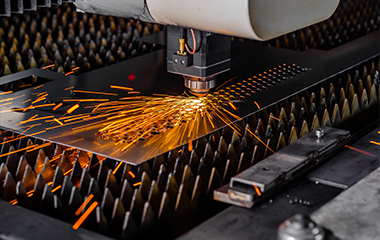
Advanced Fiber Laser Pipe Cutter - Precision Industrial Cutting Solutions

All Categories

Get a Free Quote

Our representative will contact you soon.
Name
Mobile
Email
Company Name
Message
0/1000

fiber laser pipe cutter

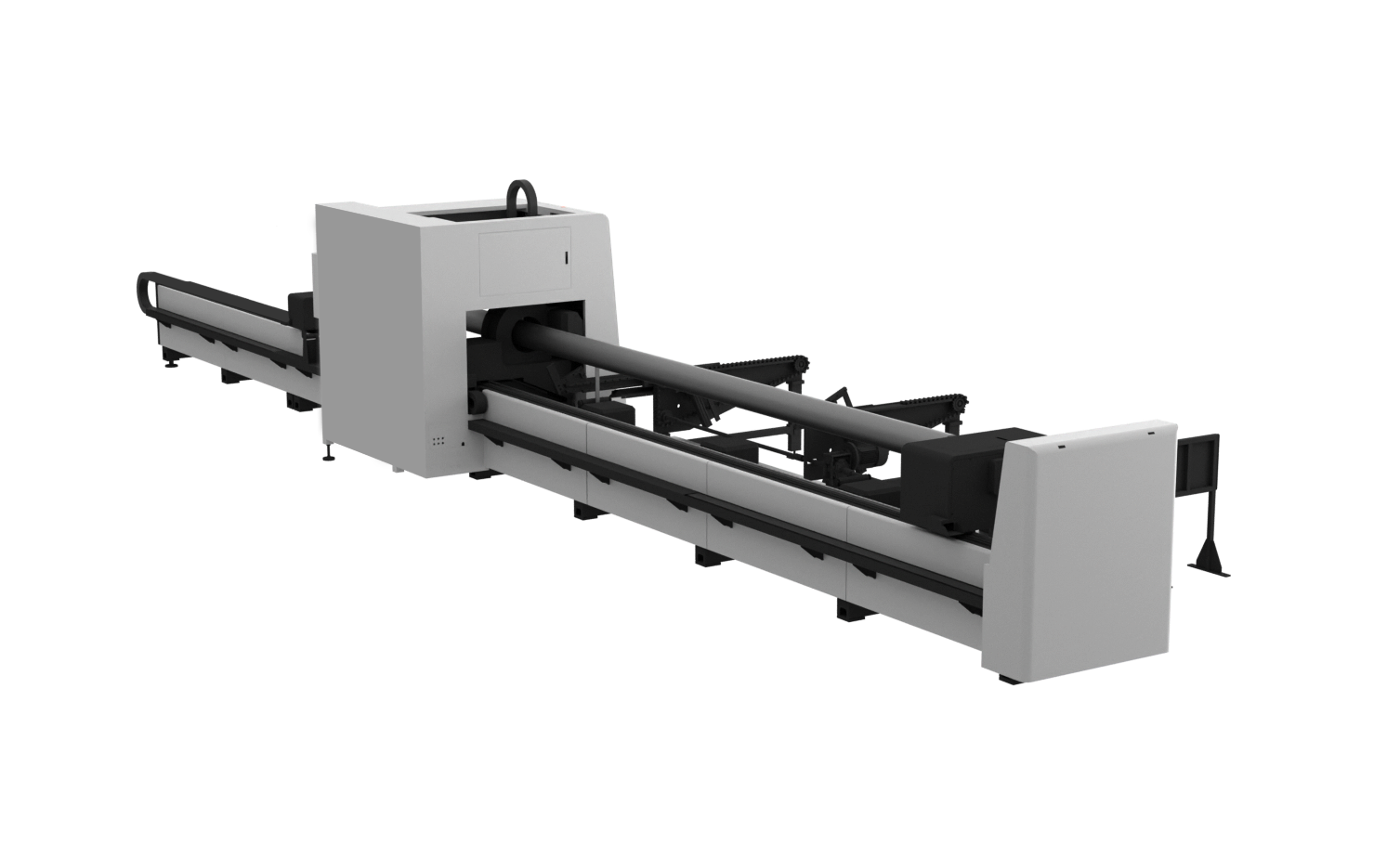
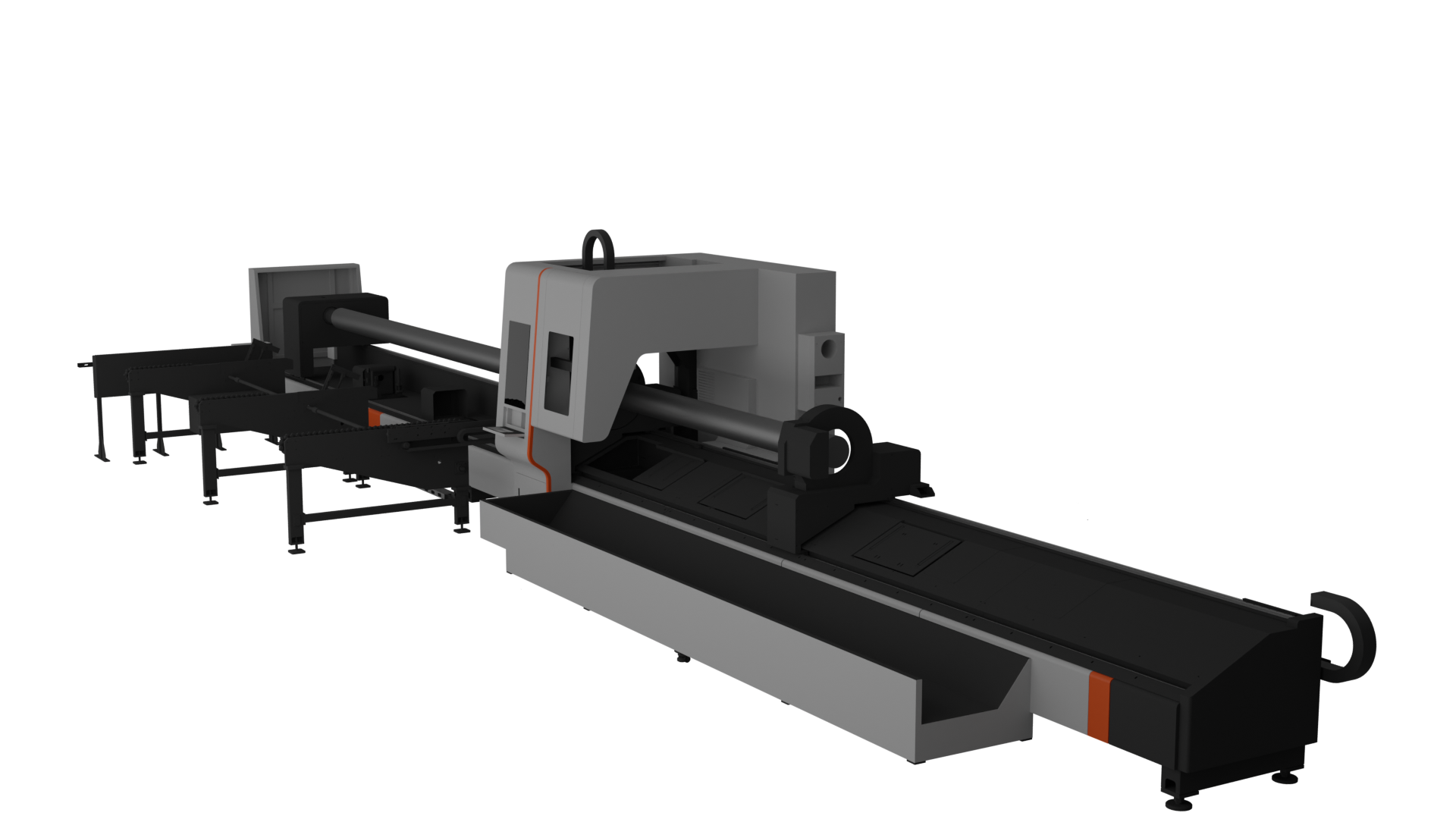
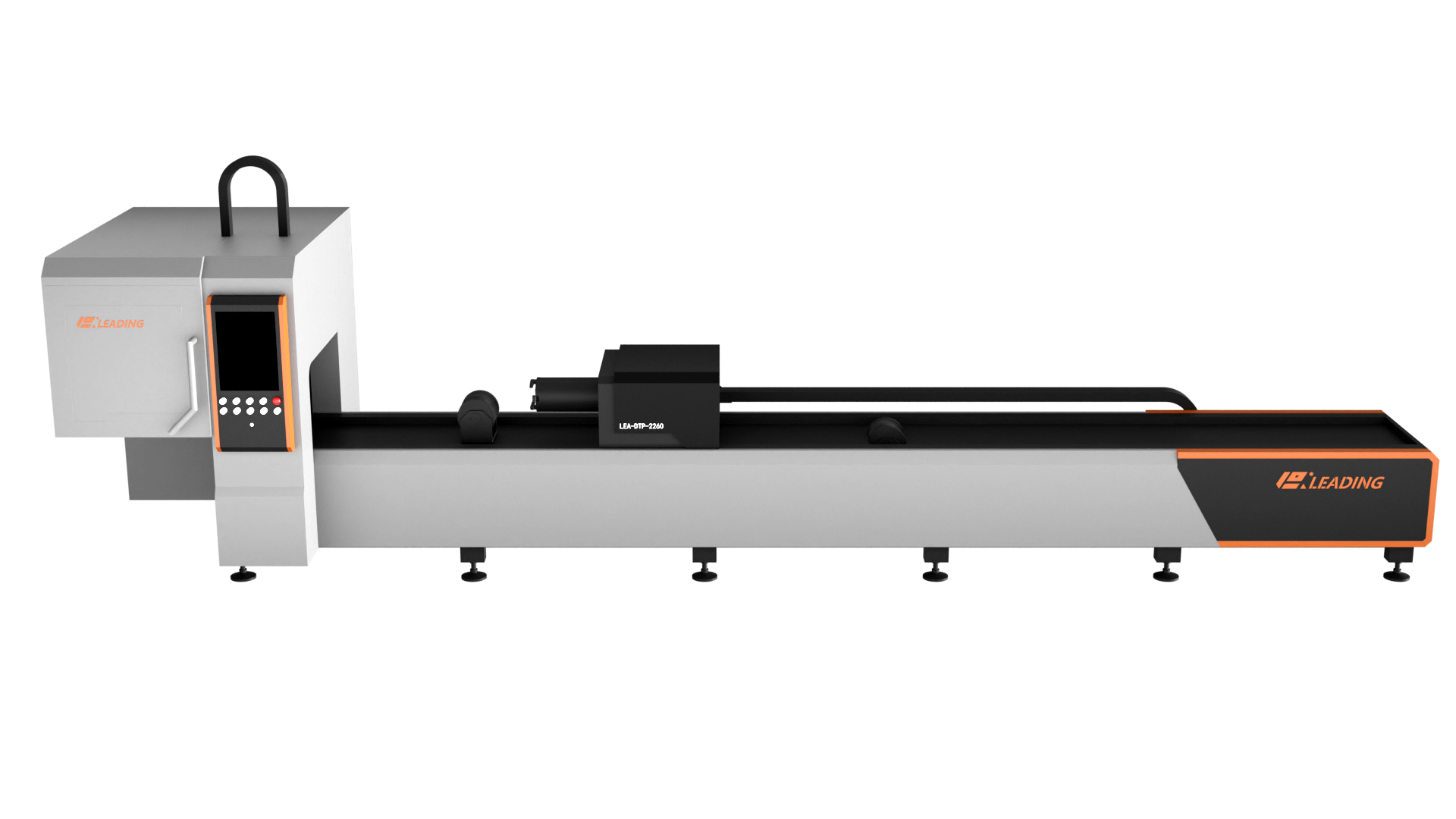
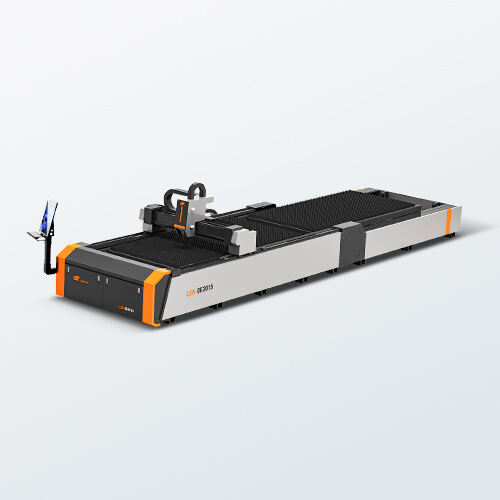
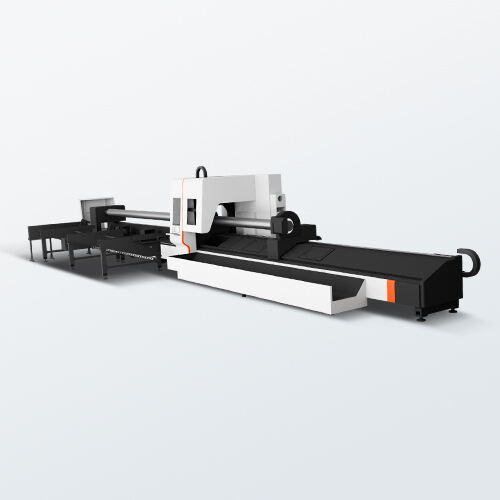
A fiber laser pipe cutter represents cutting-edge industrial technology designed specifically for precision material processing in manufacturing environments. This sophisticated equipment utilizes advanced fiber laser technology to deliver exceptional cutting performance across various pipe materials including steel, stainless steel, aluminum, copper, and brass. The fiber laser pipe cutter integrates computer numerical control systems with high-powered laser generation to achieve remarkable accuracy and efficiency in pipe fabrication processes. The core functionality revolves around directing concentrated laser energy through fiber optic cables to create precise cuts on cylindrical materials of different diameters and wall thicknesses. These machines feature automated loading and unloading systems that streamline production workflows while maintaining consistent quality standards. The technological architecture incorporates servo motors, linear guides, and pneumatic clamping mechanisms to ensure stable pipe positioning during cutting operations. Modern fiber laser pipe cutters support complex geometries including beveled edges, square cuts, and intricate profile shapes required for specialized applications. The control interface provides intuitive programming capabilities allowing operators to input cutting parameters, material specifications, and geometric requirements through user-friendly touchscreen displays. Advanced cooling systems maintain optimal laser performance while protecting critical components from thermal damage during extended operation cycles. Safety features include protective enclosures, emergency stop functions, and laser safety interlocks that comply with international manufacturing standards. The versatility of these systems extends to processing pipes ranging from small diameter tubes used in automotive applications to large structural pipes utilized in construction projects. Integration capabilities allow seamless connection with existing production lines and manufacturing execution systems for enhanced operational coordination.

New Product Recommendations

The fiber laser pipe cutter delivers transformative benefits that revolutionize manufacturing operations through superior cutting precision and operational efficiency. These machines achieve cutting tolerances within plus or minus 0.1 millimeters, ensuring components meet exact specifications without requiring additional machining processes. The speed advantage becomes immediately apparent as fiber laser pipe cutters complete cuts significantly faster than traditional mechanical cutting methods, reducing cycle times by up to 70 percent compared to conventional approaches. Energy efficiency represents another compelling advantage, as fiber lasers convert electrical energy to cutting power more effectively than CO2 laser systems, resulting in lower operational costs and reduced environmental impact. The non-contact cutting process eliminates tool wear entirely, eliminating replacement costs associated with saw blades, drill bits, and other consumable cutting implements. Material waste reduction occurs naturally through narrow kerf widths that preserve more raw material for productive use, directly improving material utilization rates and reducing procurement expenses. Versatility emerges as operators can switch between different materials and cutting programs without lengthy setup procedures or tool changes, enabling rapid response to changing production requirements. The automated operation reduces labor dependencies while improving workplace safety by minimizing direct operator interaction with cutting processes. Quality consistency remains constant throughout production runs as computer-controlled parameters eliminate human error variables that affect manual cutting operations. Maintenance requirements are minimal compared to mechanical cutting systems, as fiber lasers contain fewer moving parts and require less frequent service intervals. The clean cutting process produces smooth edges that often eliminate secondary finishing operations, streamlining production workflows and reducing overall manufacturing timelines. Remote monitoring capabilities enable real-time performance tracking and predictive maintenance scheduling that prevents unexpected downtime. Integration flexibility allows these systems to adapt to various production environments and connect with existing manufacturing infrastructure without extensive modifications.

Tips And Tricks

5 Undeniable Advantages of Fiber Laser Cutters Over CO2 & Plasma

20

Oct

5 Undeniable Advantages of Fiber Laser Cutters Over CO2 & Plasma

View More
Beyond Metal: Fiber Laser Cutting in Aerospace & Automotive Composites

20

Oct

Beyond Metal: Fiber Laser Cutting in Aerospace & Automotive Composites

View More
Your 5-Point Checklist for Choosing the Right Fiber Laser Cutter

20

Oct

Your 5-Point Checklist for Choosing the Right Fiber Laser Cutter

View More

Get a Free Quote

Our representative will contact you soon.
Name
Mobile
Email
Company Name
Message
0/1000

fiber laser pipe cutter

Unmatched Precision and Edge Quality

Unmatched Precision and Edge Quality

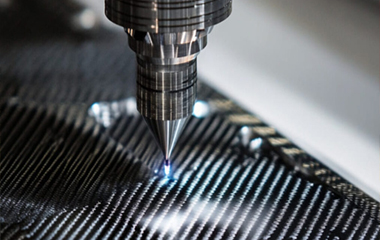
The fiber laser pipe cutter delivers exceptional precision that transforms manufacturing standards through advanced beam control technology and sophisticated positioning systems. This remarkable accuracy stems from the concentrated laser beam diameter, typically measuring between 0.1 to 0.3 millimeters, which creates incredibly narrow cutting kerfs that preserve material while achieving precise dimensional control. The computer-controlled cutting process eliminates human error variables, ensuring every cut meets exact specifications regardless of operator skill level or experience. Edge quality represents a significant advantage as the intense heat generated by the laser beam creates clean, burr-free cuts that often eliminate secondary finishing operations entirely. The thermal cutting process produces minimal heat-affected zones, preserving material properties adjacent to the cut line and maintaining structural integrity throughout the component. Unlike mechanical cutting methods that can cause material deformation or micro-fractures, the non-contact laser cutting process applies no physical force to the workpiece, preventing distortion even in thin-walled pipes. The precision capabilities extend beyond straight cuts to include complex geometric shapes, angled cuts, and intricate profiles that would be challenging or impossible to achieve with conventional cutting equipment. Advanced beam shaping technology allows operators to adjust cutting parameters for different material thicknesses and compositions, optimizing cut quality for specific applications. The consistent beam delivery through fiber optic cables ensures uniform cutting performance across the entire working envelope, eliminating the quality variations often associated with mechanical wear in traditional cutting tools. Quality control becomes more predictable as laser parameters remain stable throughout production runs, enabling manufacturers to achieve repeatable results that meet stringent quality standards. The superior edge quality often allows direct welding or assembly operations without additional preparation steps, streamlining manufacturing processes and reducing overall production costs.

Exceptional Speed and Productivity Enhancement

Exceptional Speed and Productivity Enhancement

The fiber laser pipe cutter revolutionizes production efficiency through rapid cutting speeds that significantly outperform conventional cutting technologies while maintaining superior quality standards. Cutting speeds vary depending on material type and thickness, but typically range from 5 to 50 meters per minute, representing substantial improvements over traditional mechanical cutting methods. The high-speed capability stems from the instantaneous laser beam activation that eliminates the acceleration and deceleration phases required by mechanical cutting tools. Automated material handling systems complement the cutting speed by providing continuous operation capabilities that minimize downtime between cutting cycles. The rapid piercing capability allows the laser to penetrate material thickness quickly, reducing the time required to initiate cuts and improving overall cycle efficiency. Multi-axis simultaneous movement enables complex cutting operations to occur concurrently, eliminating the sequential processing steps that slow traditional manufacturing approaches. The programmable cutting sequences optimize tool paths to minimize travel time between cut locations, further enhancing productivity through efficient motion planning. Quick material changeovers become possible as the system requires no physical tool changes when switching between different pipe materials or dimensions. The combination of cutting speed and automation capabilities enables manufacturers to achieve higher throughput rates that improve delivery performance and customer satisfaction. Production scheduling becomes more flexible as the reduced cutting times create additional capacity for rush orders or design modifications without disrupting established production timelines. The consistent high-speed performance eliminates the productivity variations associated with operator fatigue or skill differences in manual cutting operations. Energy efficiency during high-speed operation reduces operational costs while maintaining environmental sustainability goals. The enhanced productivity directly translates to improved return on investment as manufacturers can process more orders with existing equipment and personnel resources, creating competitive advantages in demanding market conditions.
Advanced Automation and Smart Manufacturing Integration

Advanced Automation and Smart Manufacturing Integration

The fiber laser pipe cutter incorporates sophisticated automation technologies that seamlessly integrate with modern smart manufacturing environments to deliver unprecedented operational efficiency and data-driven production insights. The automated loading system utilizes pneumatic or servo-driven mechanisms to position pipes accurately within the cutting envelope, eliminating manual handling requirements while ensuring consistent part placement for optimal cutting results. Integrated vision systems provide real-time part recognition and positioning verification, automatically adjusting cutting parameters based on actual material dimensions and orientations detected during the setup phase. The intelligent control system features advanced programming capabilities that allow operators to create complex cutting sequences through intuitive graphical interfaces, reducing programming time and minimizing the technical expertise required for operation. Real-time monitoring sensors continuously track cutting performance parameters including laser power, cutting speed, and material thickness, providing immediate feedback for quality control and process optimization. Predictive maintenance algorithms analyze operational data to forecast component wear and schedule maintenance activities before equipment failures occur, maximizing uptime and preventing costly production interruptions. Network connectivity enables integration with manufacturing execution systems and enterprise resource planning software, providing comprehensive production tracking and inventory management capabilities. The automated quality inspection features utilize sensor feedback to verify cut dimensions and edge quality in real-time, automatically flagging non-conforming parts for immediate attention. Remote access capabilities allow technical support personnel to diagnose issues and provide assistance without physical presence, reducing service response times and minimizing production delays. Data analytics functions collect and analyze production metrics to identify optimization opportunities and track key performance indicators that support continuous improvement initiatives. The modular automation architecture allows manufacturers to customize the system configuration based on specific production requirements and future expansion needs. Integration with robotic material handling systems creates fully automated production cells that operate with minimal human intervention while maintaining consistent quality standards and safety protocols throughout extended production runs.

Get a Free Quote

Our representative will contact you soon.
Name
Mobile
Email
Company Name
Message
0/1000