laser cutting iron sheet price
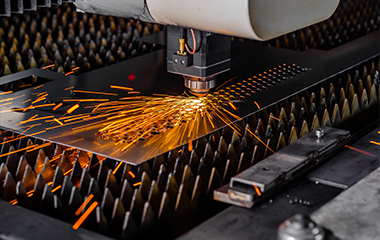
Laser cutting iron sheet price represents a crucial factor in modern metal fabrication, combining precision technology with cost-effective manufacturing solutions. This advanced cutting method utilizes focused laser beams to cut through iron sheets with exceptional accuracy, offering manufacturers and businesses a reliable alternative to traditional cutting techniques. The laser cutting iron sheet price varies based on material thickness, complexity of designs, and production volume, making it essential for businesses to understand the comprehensive value proposition. The main functions of laser cutting for iron sheets include precise dimensional cutting, intricate pattern creation, and smooth edge finishing. This technology eliminates the need for additional finishing processes, reducing overall production time and costs. The technological features encompass computer-controlled precision systems that ensure consistent quality across all cuts, automated material handling systems that minimize labor requirements, and advanced software integration that allows for complex design execution. Applications span across multiple industries including automotive manufacturing, construction materials, decorative metalwork, industrial equipment fabrication, and custom architectural elements. The laser cutting iron sheet price structure typically includes factors such as material costs, machine operation time, design complexity, and finishing requirements. Modern laser cutting systems can handle various iron sheet thicknesses, from thin gauge materials to heavy-duty industrial sheets, providing versatility for diverse project requirements. The process generates minimal waste material, contributing to cost savings and environmental sustainability. Quality control systems integrated into laser cutting equipment ensure consistent results, reducing rejection rates and associated costs. The laser cutting iron sheet price competitiveness stems from reduced material waste, faster production times, and elimination of tooling costs typically associated with traditional cutting methods.

 EN
EN