metal sheet laser cutting machine price
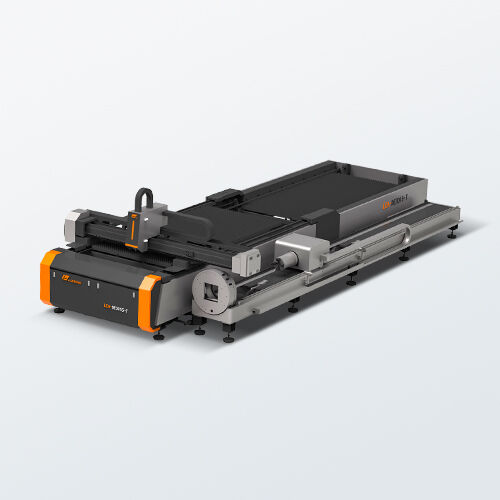
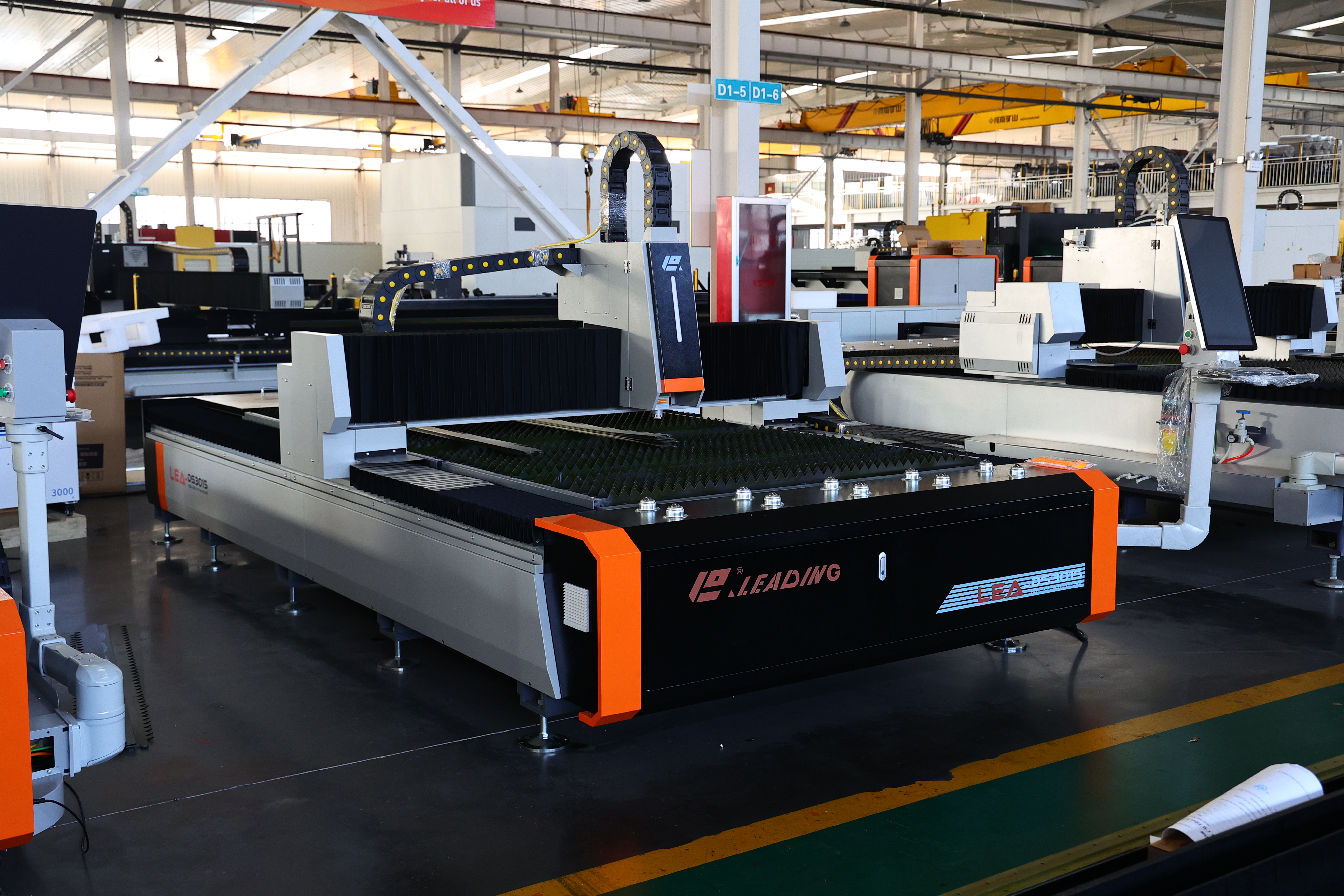
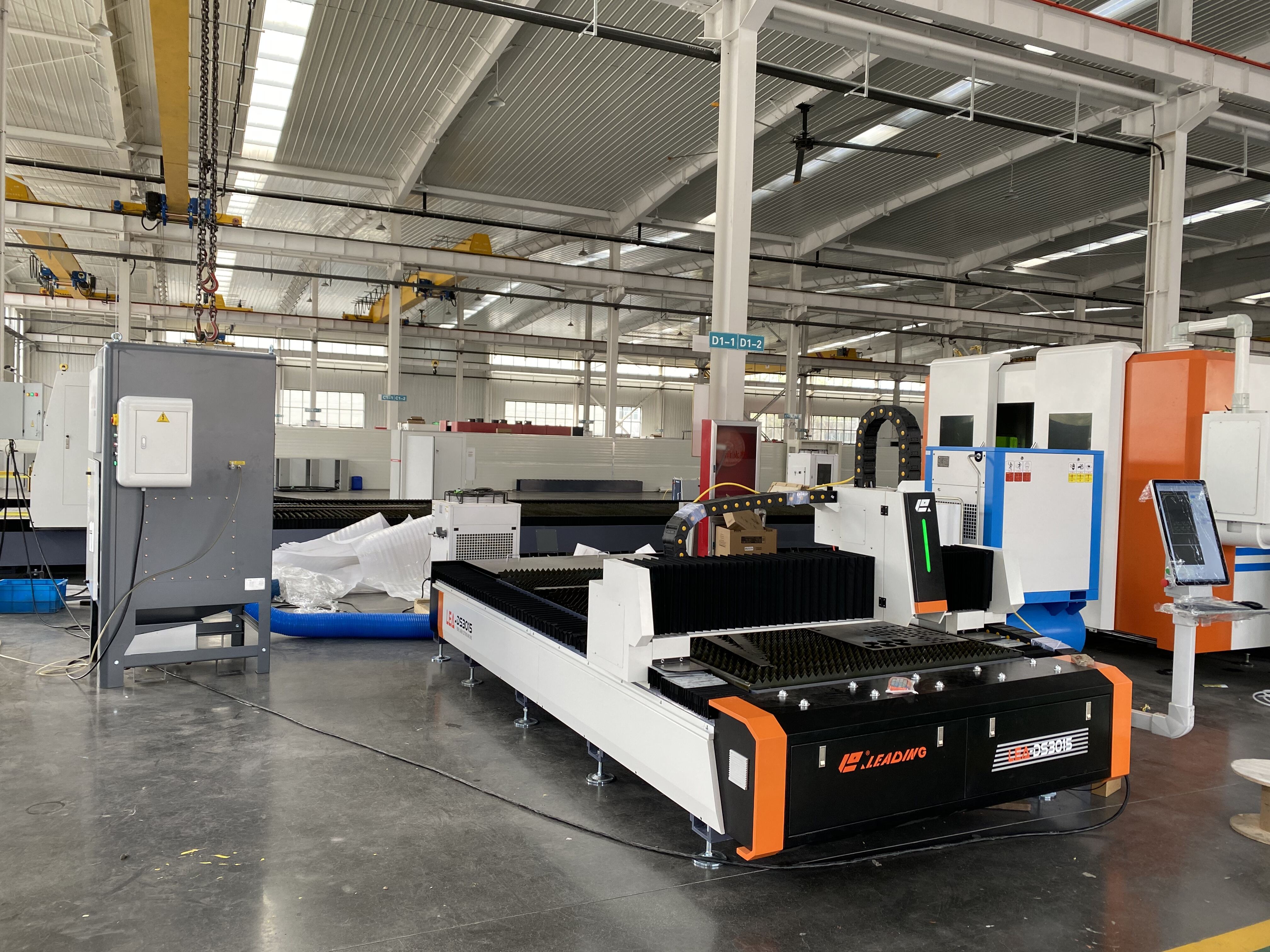
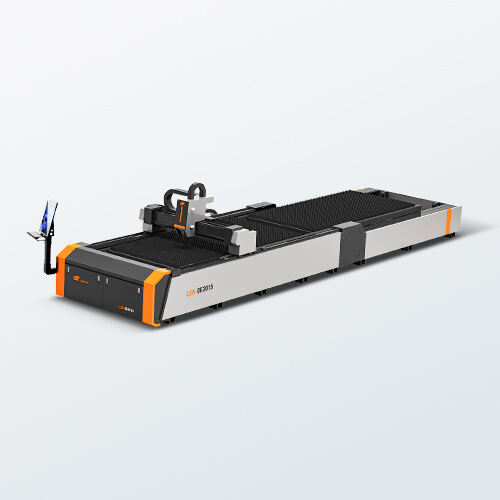
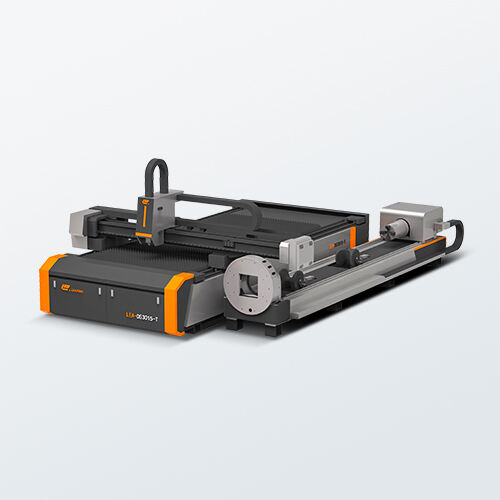
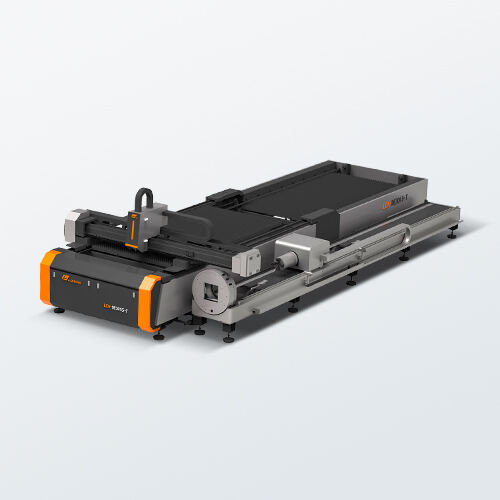
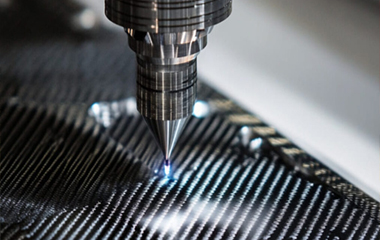
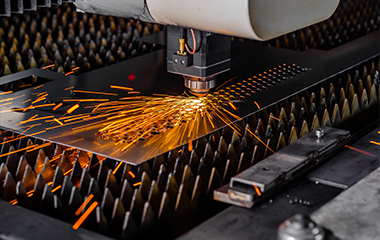
Metal sheet laser cutting machine price represents a critical investment decision for manufacturers seeking precision fabrication solutions. These sophisticated systems utilize high-powered laser beams to cut through various metal materials with exceptional accuracy and speed. The metal sheet laser cutting machine price varies significantly based on power output, cutting bed size, automation features, and brand reputation. Modern laser cutting systems incorporate fiber laser technology, which delivers superior energy efficiency and cutting quality compared to traditional CO2 lasers. The main functions include precise cutting of steel, aluminum, copper, brass, and other metallic materials with thicknesses ranging from thin foils to heavy plates. Advanced CNC control systems enable complex geometric patterns and intricate designs with minimal material waste. Key technological features encompass automatic focus adjustment, real-time monitoring systems, and integrated safety protocols. The metal sheet laser cutting machine price typically reflects capabilities such as maximum cutting speed, power consumption efficiency, and maintenance requirements. These machines excel in automotive manufacturing, aerospace components, architectural metalwork, and general fabrication applications. The cutting process produces clean edges with minimal heat-affected zones, reducing secondary processing needs. Contemporary models feature user-friendly interfaces with CAD/CAM integration for seamless design-to-production workflows. The metal sheet laser cutting machine price consideration must account for operational costs including electricity consumption, assist gases, and replacement parts. Smart diagnostic systems monitor component performance and predict maintenance schedules, maximizing uptime and productivity. Modular designs allow for future upgrades and capacity expansions as business requirements evolve. The investment in quality laser cutting equipment delivers long-term returns through improved production efficiency, reduced labor costs, and enhanced product quality standards.

 EN
EN