Intelligent Automation Integration
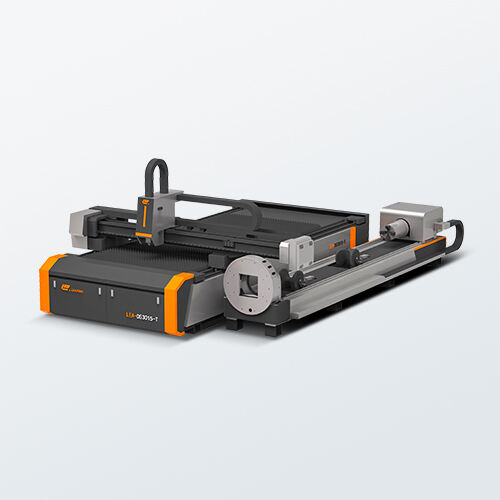
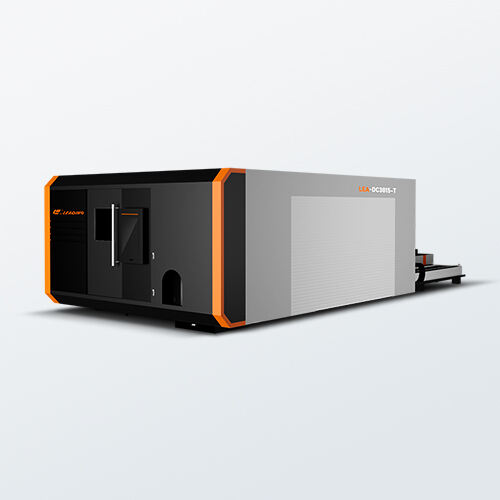
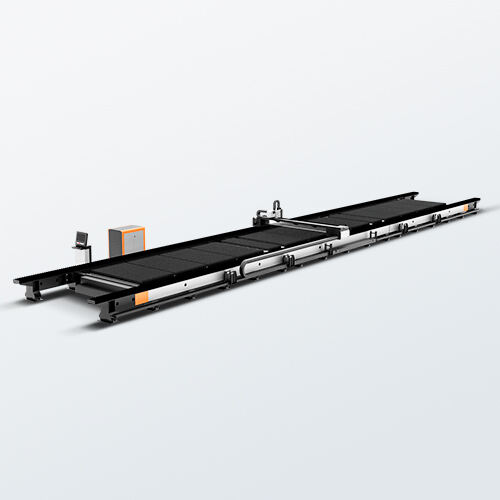
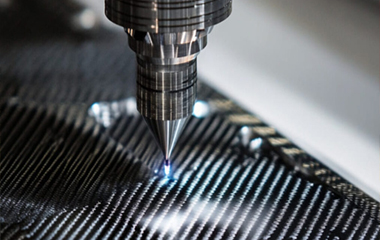
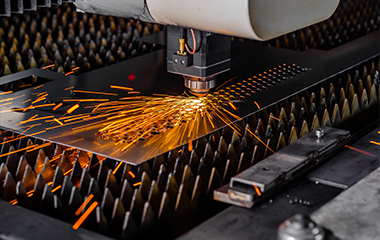
The intelligent automation integration featured in contemporary stainless steel sheet cutting machines revolutionizes manufacturing workflows through seamless connectivity, adaptive learning capabilities, and comprehensive process optimization. This sophisticated automation system transforms traditional cutting operations into highly efficient, self-optimizing manufacturing processes that require minimal human intervention while delivering consistent, high-quality results. The stainless steel sheet cutting machine incorporates Industrial Internet of Things connectivity, enabling real-time communication with enterprise resource planning systems, production scheduling platforms, and quality management databases. Machine learning algorithms continuously analyze cutting performance data, identifying patterns and optimizing parameters to improve efficiency, reduce material waste, and enhance cut quality over time. Predictive maintenance capabilities monitor critical machine components, analyzing vibration patterns, temperature variations, and power consumption to predict potential failures before they occur, minimizing unplanned downtime and extending equipment lifespan. The automation system includes intelligent material handling solutions that automatically load raw stainless steel sheets, position them for cutting, and remove finished parts without operator intervention, enabling continuous operation even during unmanned shifts. Automatic nesting software optimizes material utilization by analyzing part geometries and arranging cutting patterns to minimize waste, often achieving material utilization rates exceeding 90 percent for typical stainless steel sheet cutting applications. Real-time quality monitoring systems use vision technology and sensor feedback to inspect cut edges during the cutting process, automatically adjusting parameters or flagging defects to maintain consistent quality standards. The stainless steel sheet cutting machine integrates with robotic systems for automated part sorting, stacking, and packaging, creating complete lights-out manufacturing cells that operate independently for extended periods. Adaptive cutting technology monitors real-time cutting conditions and automatically adjusts parameters to compensate for material variations, tool wear, or environmental changes, ensuring consistent results throughout production runs. Remote monitoring capabilities allow operators to supervise multiple machines from centralized control stations, receiving instant alerts about production status, maintenance requirements, or quality issues. The intelligent automation system generates comprehensive production reports, tracking material usage, cutting times, energy consumption, and quality metrics to support continuous improvement initiatives and operational decision-making processes.

 EN
EN