Industrial Laser Machines: Precision Manufacturing Solutions for Modern Industry

All Categories

Get a Free Quote

Our representative will contact you soon.
Name
Mobile
Email
Company Name
Message
0/1000

industrial laser machines

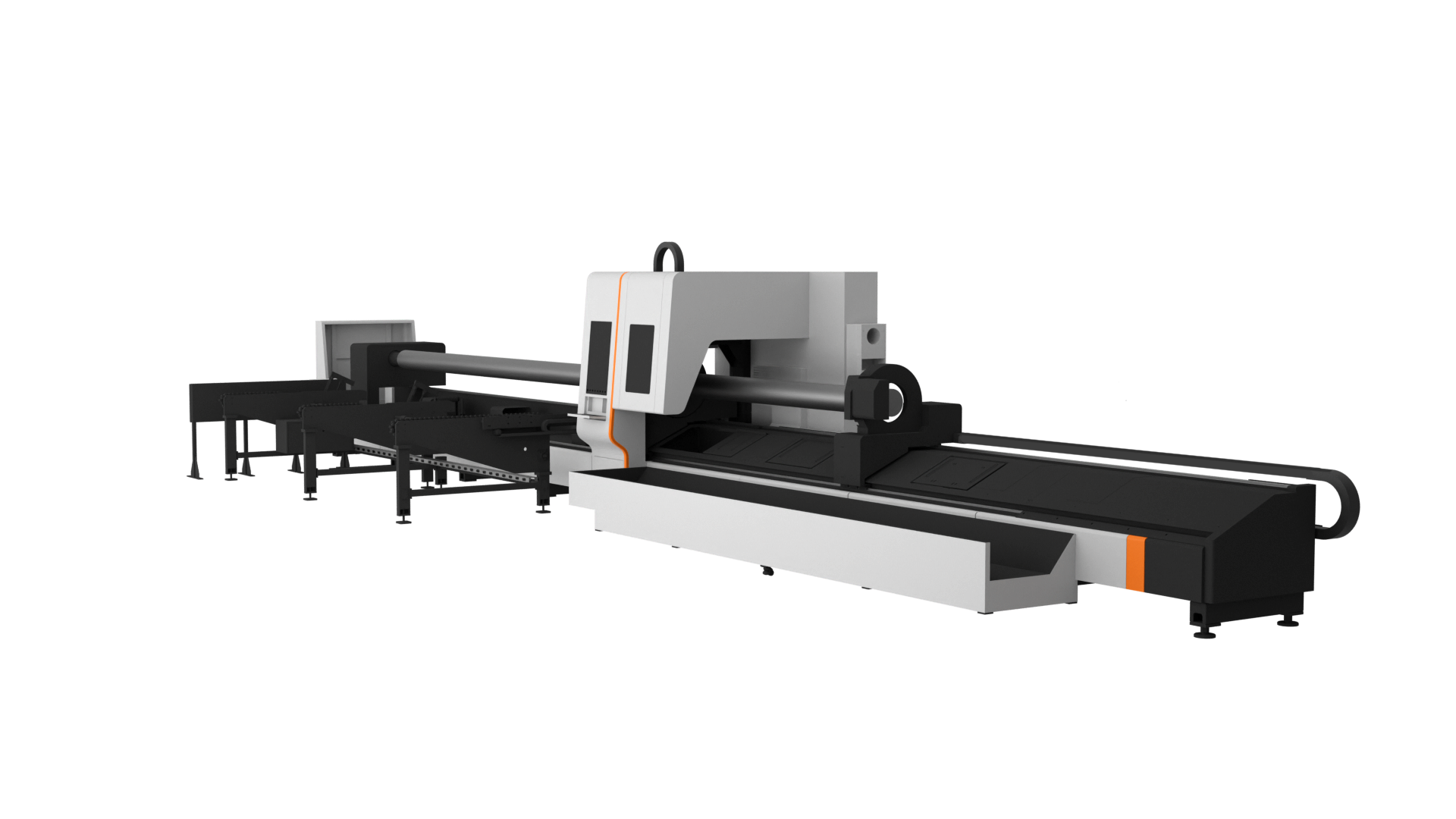
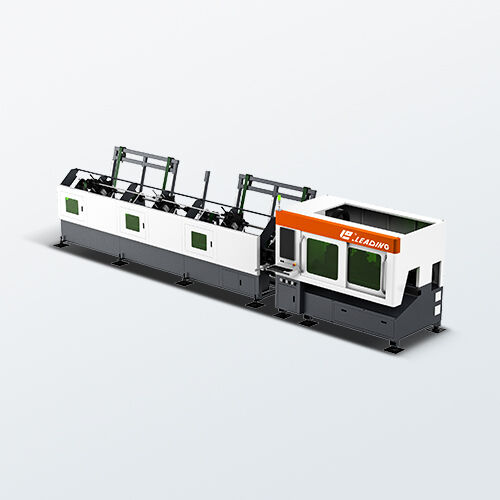
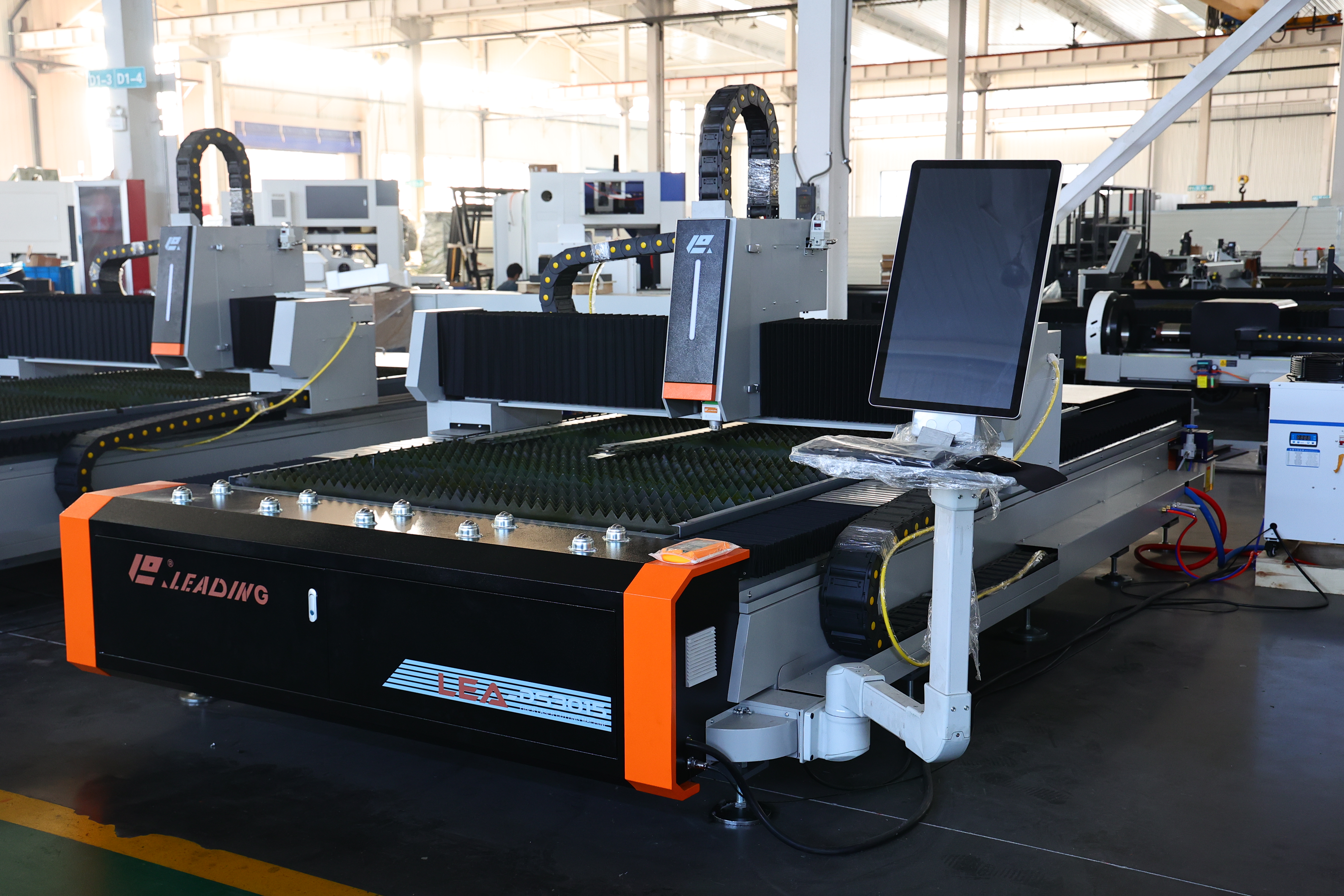
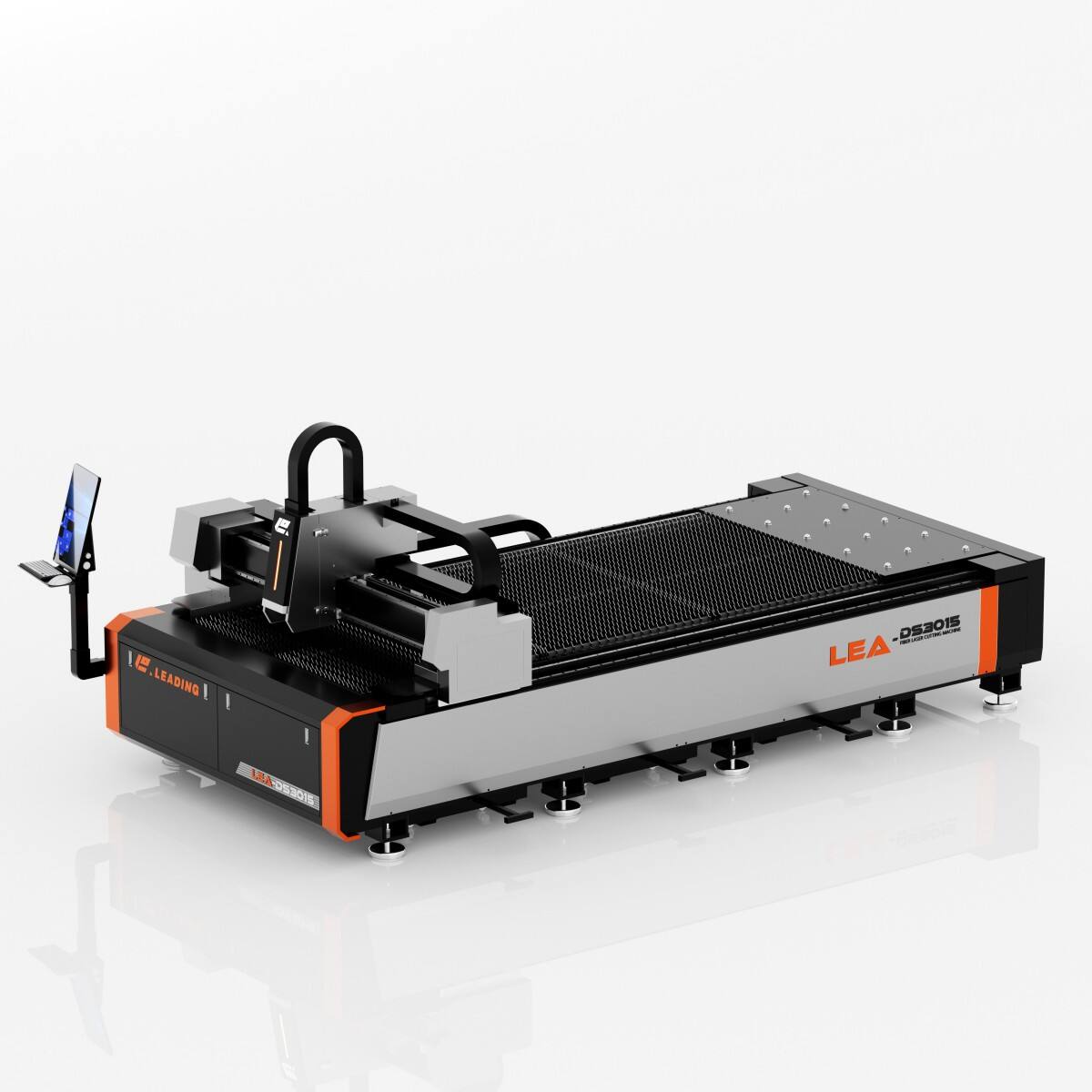
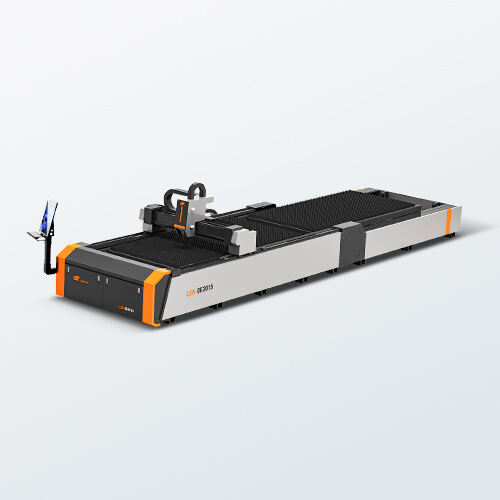
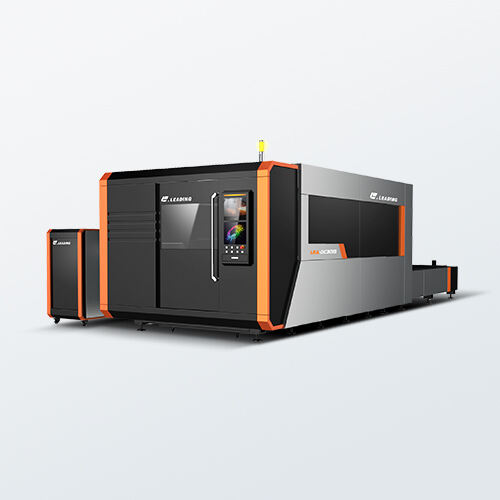
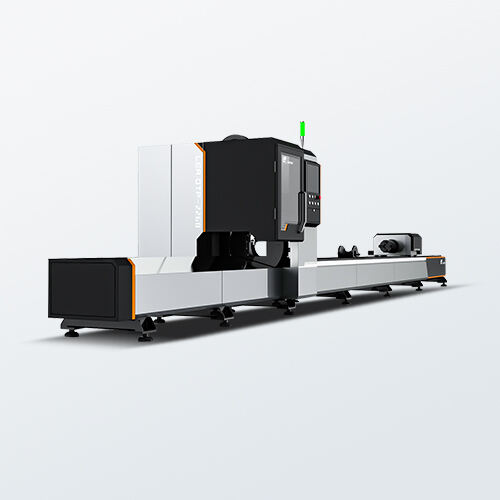
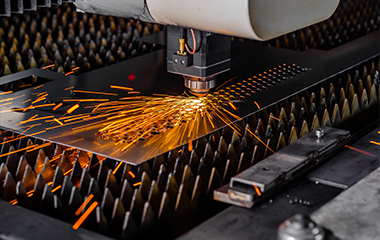
Industrial laser machines represent cutting-edge technology that has revolutionized manufacturing processes across multiple sectors. These sophisticated systems utilize concentrated light beams to perform precise operations on various materials, including metals, plastics, ceramics, and composites. The fundamental principle behind industrial laser machines involves amplifying light through stimulated emission, creating an intense, focused beam capable of delivering exceptional accuracy and power. Modern industrial laser machines incorporate advanced fiber, CO2, or diode laser technologies, each offering distinct capabilities for specific applications. The primary functions of these systems encompass cutting, welding, engraving, marking, drilling, and surface treatment operations. Cutting applications allow manufacturers to achieve intricate designs with minimal material waste, while welding capabilities enable strong, permanent joints between components. Engraving and marking functions provide permanent identification, branding, or decorative elements on products. The technological features of industrial laser machines include computer numerical control systems that ensure repeatable precision, automated material handling capabilities, and real-time monitoring systems for quality control. These machines feature adjustable power settings, variable beam sizes, and programmable parameters that accommodate diverse production requirements. Advanced cooling systems maintain optimal operating temperatures, while safety features protect operators and equipment. The versatility of industrial laser machines makes them indispensable across automotive manufacturing, aerospace engineering, electronics production, medical device fabrication, jewelry creation, and architectural metalwork. In automotive applications, these systems cut body panels and weld chassis components. Aerospace manufacturers rely on laser technology for turbine blade modifications and structural component fabrication. Electronics industries utilize precise laser processing for circuit board manufacturing and component marking. Medical device producers depend on laser technology for creating intricate surgical instruments and implantable devices. The integration of artificial intelligence and machine learning capabilities in modern industrial laser machines enables predictive maintenance, automatic parameter optimization, and enhanced production efficiency.


New Product Recommendations

Industrial laser machines deliver substantial benefits that transform manufacturing operations and provide competitive advantages for businesses across diverse industries. These systems offer unparalleled precision that traditional machining methods cannot match, enabling manufacturers to achieve tolerances within micrometers consistently. The accuracy of industrial laser machines eliminates the need for secondary finishing operations, reducing production time and associated costs while improving overall product quality. Speed represents another significant advantage, as these machines operate at remarkable rates compared to conventional cutting and welding techniques. High-speed processing capabilities increase throughput, allowing manufacturers to meet demanding production schedules and reduce lead times for customers. The contactless nature of laser processing eliminates tool wear and mechanical stress on workpieces, resulting in superior edge quality and dimensional accuracy. This characteristic particularly benefits delicate materials that might be damaged by mechanical processing methods. Industrial laser machines provide exceptional versatility by processing numerous materials without requiring tool changes or extensive setup modifications. Manufacturers can switch between different materials and operations quickly, enhancing production flexibility and reducing downtime. The automation capabilities of these systems minimize human intervention, reducing labor costs while improving consistency and safety. Operators can program complex cutting patterns, welding sequences, or marking designs that execute automatically with minimal supervision. Energy efficiency represents a compelling advantage, as modern industrial laser machines convert electrical energy to useful work more effectively than traditional manufacturing equipment. This efficiency translates to lower operating costs and reduced environmental impact. The narrow heat-affected zone produced by laser processing preserves material properties and reduces thermal distortion, particularly important for precision components. Maintenance requirements for industrial laser machines are typically lower than mechanical systems because they contain fewer moving parts and experience less wear. This reliability translates to higher uptime and reduced maintenance costs over the equipment lifecycle. The ability to create complex geometries and intricate designs that would be impossible or prohibitively expensive with conventional methods opens new possibilities for product innovation and customization. Quality control benefits include consistent results, reduced scrap rates, and improved repeatability that enhances customer satisfaction and reduces warranty claims.

Tips And Tricks

5 Undeniable Advantages of Fiber Laser Cutters Over CO2 & Plasma

20

Oct

5 Undeniable Advantages of Fiber Laser Cutters Over CO2 & Plasma

View More
Beyond Metal: Fiber Laser Cutting in Aerospace & Automotive Composites

20

Oct

Beyond Metal: Fiber Laser Cutting in Aerospace & Automotive Composites

View More
Your 5-Point Checklist for Choosing the Right Fiber Laser Cutter

20

Oct

Your 5-Point Checklist for Choosing the Right Fiber Laser Cutter

View More

Get a Free Quote

Our representative will contact you soon.
Name
Mobile
Email
Company Name
Message
0/1000

industrial laser machines

Unmatched Precision and Accuracy in Manufacturing Operations

Unmatched Precision and Accuracy in Manufacturing Operations

Industrial laser machines deliver precision levels that surpass traditional manufacturing methods by significant margins, establishing new standards for accuracy in production environments. The fundamental advantage lies in the concentrated energy beam that can be controlled with exceptional precision, enabling cuts with tolerances as tight as ±0.025mm consistently across production runs. This level of accuracy stems from advanced beam control systems that utilize galvanometer scanners, linear motors, and sophisticated feedback mechanisms to maintain precise positioning throughout operation cycles. The thermal properties of laser processing create clean, burr-free edges that eliminate secondary finishing requirements, saving both time and material costs while ensuring superior product quality. Unlike mechanical cutting methods that can introduce vibrations or tool deflection, industrial laser machines maintain consistent beam characteristics regardless of material thickness or hardness variations. This consistency proves particularly valuable in aerospace applications where component tolerances directly impact safety and performance standards. The programmable nature of these systems allows operators to store cutting parameters for different materials and thicknesses, ensuring repeatable results across multiple production batches. Advanced vision systems integrated into modern industrial laser machines provide real-time feedback for positioning accuracy, automatically adjusting for material variations or thermal expansion effects. The precision capabilities extend beyond cutting operations to include welding applications where exact heat input control prevents material distortion while ensuring proper penetration depths. Marking and engraving operations benefit from microscopic accuracy, enabling the creation of detailed logos, serial numbers, or functional features like micro-holes for filtration applications. The ability to process materials without physical contact eliminates concerns about workpiece clamping distortion or tool wear effects that can gradually degrade accuracy over time. This precision advantage translates directly to reduced waste materials, improved yield rates, and enhanced customer satisfaction through consistent product quality delivery.
Exceptional Speed and Efficiency for High-Volume Production

Exceptional Speed and Efficiency for High-Volume Production

Industrial laser machines excel in high-speed manufacturing environments where production throughput directly impacts profitability and competitive positioning. The rapid processing capabilities stem from the instantaneous nature of laser energy delivery, eliminating the mechanical acceleration and deceleration cycles required by traditional cutting tools. Cutting speeds can exceed 2000 inches per minute on thin materials while maintaining exceptional edge quality, dramatically reducing cycle times compared to plasma, waterjet, or mechanical cutting methods. The efficiency advantages extend beyond raw speed to include rapid setup changes between different jobs or material types. Programming changes that might require hours of mechanical tool adjustments can be accomplished in minutes through software modifications, maximizing productive machine time. Automatic material loading and unloading systems integrated with industrial laser machines enable continuous operation with minimal operator intervention, further enhancing overall productivity levels. The multi-axis capabilities of advanced laser systems allow simultaneous processing of multiple features, such as cutting exterior profiles while drilling mounting holes, effectively performing multiple operations in single setups. Nesting software optimization maximizes material utilization by arranging parts efficiently on sheet materials, reducing waste while maintaining high processing speeds. The consistent quality output eliminates time-consuming inspection and rework activities that commonly affect traditional manufacturing processes. Rapid prototyping capabilities allow manufacturers to quickly produce sample parts for customer approval or design verification, accelerating product development cycles and reducing time-to-market intervals. The reliability of industrial laser machines contributes to efficiency through consistent uptime performance, with many systems operating continuously for extended periods without significant maintenance interruptions. Energy efficiency characteristics mean these machines consume less power per processed part compared to alternative technologies, reducing operating costs while supporting environmental sustainability goals. The combination of speed, reliability, and quality output creates a compelling value proposition for manufacturers seeking to optimize their production operations.
Versatile Material Processing Capabilities Across Industries

Versatile Material Processing Capabilities Across Industries

Industrial laser machines demonstrate remarkable versatility through their ability to process an extensive range of materials with consistent quality results, making them invaluable assets for diverse manufacturing applications. The fundamental physics of laser energy absorption allows these systems to work effectively with metals including stainless steel, aluminum, titanium, copper, and exotic alloys used in aerospace applications. Non-metallic materials such as plastics, composites, ceramics, wood, leather, and textiles can be processed with equal precision, enabling manufacturers to consolidate multiple processing operations under single equipment investments. The adjustable power settings and pulse characteristics allow operators to optimize processing parameters for each material type, ensuring optimal results whether cutting thick steel plates or delicate electronic components. Fiber laser technology excels with reflective metals like aluminum and copper, while CO2 lasers provide superior performance on organic materials and certain plastics. The contactless processing method eliminates concerns about material contamination or surface damage that can occur with mechanical processing techniques. This versatility proves particularly valuable for job shops and contract manufacturers who must accommodate diverse customer requirements without maintaining separate equipment for different materials. The ability to process laminated materials, composites, and multi-layer assemblies opens opportunities in electronics, automotive, and medical device manufacturing where complex material combinations are common. Surface treatment capabilities including cleaning, texturing, and hardening expand the functionality beyond cutting and welding applications, providing comprehensive material processing solutions. The programmable nature of industrial laser machines enables storage of optimized parameters for different material combinations, ensuring consistent results when switching between jobs. Advanced beam shaping technologies allow optimization of energy distribution patterns for specific materials, maximizing processing efficiency while minimizing heat-affected zones. Quality control benefits include consistent edge finish across different materials, elimination of tool wear effects, and reduced contamination risks compared to mechanical processing methods. This material versatility combined with precision and speed capabilities positions industrial laser machines as central equipment for modern manufacturing operations across multiple industry sectors.

Get a Free Quote

Our representative will contact you soon.
Name
Mobile
Email
Company Name
Message
0/1000