Professional Fiber Laser Metal Cutting Machine Manufacturer - Advanced Precision Cutting Solutions

All Categories

Get a Free Quote

Our representative will contact you soon.
Name
Mobile
Email
Company Name
Message
0/1000

fiber laser metal cutting machine manufacturer

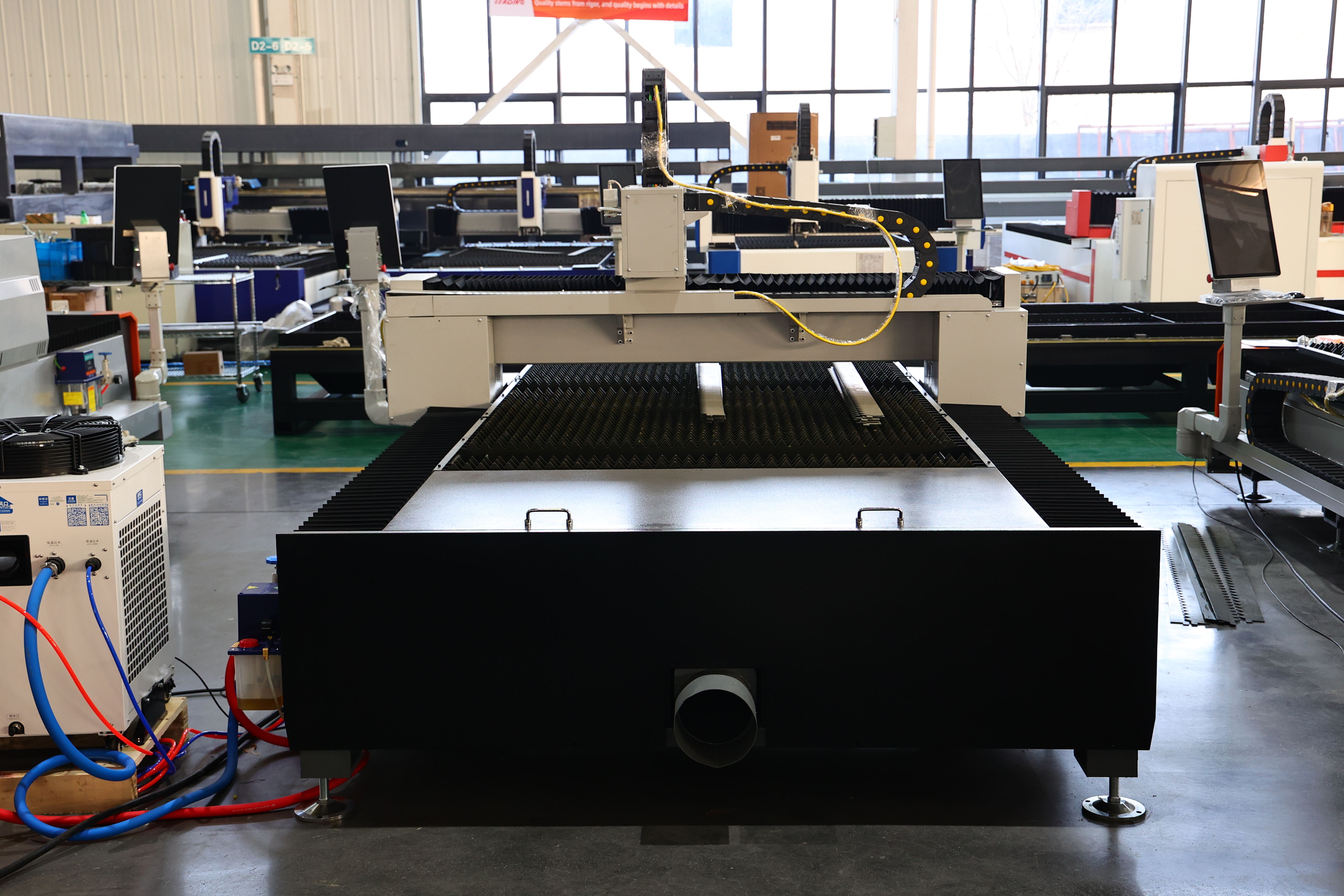
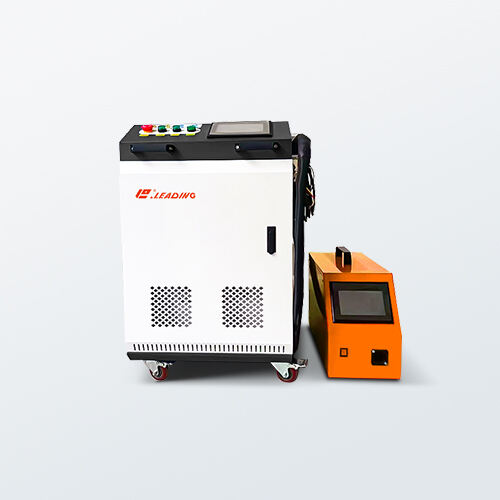
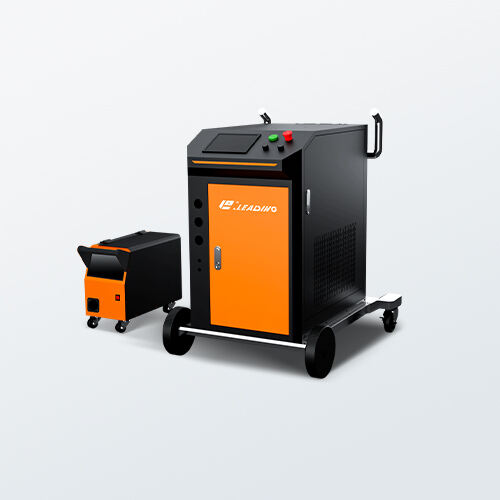
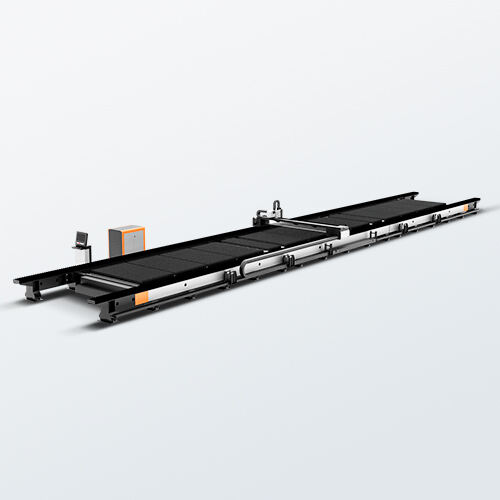
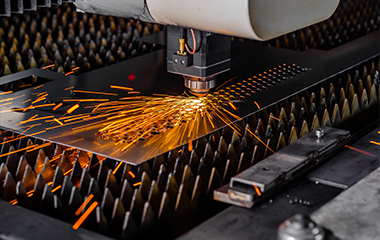
A fiber laser metal cutting machine manufacturer represents the pinnacle of modern industrial cutting technology, specializing in the design, production, and distribution of advanced laser systems that revolutionize metalworking processes. These manufacturers combine cutting-edge engineering expertise with sophisticated manufacturing capabilities to deliver precision equipment that serves diverse industries worldwide. The primary function of these systems involves utilizing high-powered fiber laser technology to cut through various metal materials with exceptional accuracy and speed. The core technology employs fiber optic cables to deliver concentrated laser beams that generate intense heat, melting and vaporizing metal along predetermined cutting paths. This process enables manufacturers to achieve clean, precise cuts without mechanical contact, eliminating tool wear and reducing maintenance requirements. Modern fiber laser metal cutting machine manufacturers integrate advanced CNC control systems that allow operators to program complex cutting patterns and execute intricate designs with remarkable consistency. The technological features include automatic material handling systems, real-time monitoring capabilities, and adaptive power control that adjusts laser intensity based on material thickness and composition. These machines excel in processing stainless steel, carbon steel, aluminum, brass, copper, and various alloy materials across thickness ranges from thin sheets to substantial plates. Applications span automotive manufacturing, aerospace components, architectural metalwork, electronics enclosures, medical device production, and custom fabrication services. The precision capabilities enable manufacturers to achieve tolerances within micrometers while maintaining high production speeds that significantly exceed traditional cutting methods. Advanced beam delivery systems ensure consistent power distribution across the entire cutting area, while sophisticated cooling systems maintain optimal operating temperatures during extended production runs. The integration of intelligent software platforms allows operators to optimize cutting parameters automatically, reducing setup time and minimizing material waste through efficient nesting algorithms.


New Product Recommendations

Fiber laser metal cutting machine manufacturers deliver substantial operational benefits that transform manufacturing efficiency and profitability for businesses across multiple industries. The primary advantage stems from exceptional cutting speed that dramatically reduces production time compared to conventional methods like plasma or flame cutting. These systems achieve cutting speeds up to ten times faster than traditional alternatives while maintaining superior edge quality that often eliminates secondary finishing operations. The precision capabilities enable manufacturers to hold tight tolerances consistently, reducing scrap rates and maximizing material utilization through optimized nesting patterns that minimize waste. Operating costs remain significantly lower due to the electrical efficiency of fiber laser technology, which converts approximately 30% of electrical input into usable laser power compared to 5% efficiency rates of CO2 laser systems. Maintenance requirements are minimal since fiber lasers contain no mirrors or complex gas systems, reducing downtime and service costs while extending operational lifespan beyond 100,000 hours of continuous operation. The flexibility offered by these machines allows manufacturers to process diverse material types and thicknesses without tool changes or extensive setup procedures, enabling rapid transitions between different production runs. Quality advantages include smooth cut edges with minimal heat-affected zones, reducing the need for post-processing operations and improving overall part quality. The non-contact cutting process eliminates tool wear and mechanical stress on materials, preventing distortion and maintaining dimensional accuracy throughout the cutting process. Advanced automation capabilities reduce labor requirements while improving workplace safety by minimizing operator exposure to hazardous cutting processes. Environmental benefits include reduced energy consumption, elimination of toxic gases, and significant reduction in material waste through precise cutting capabilities. The compact footprint of modern systems maximizes floor space utilization while advanced ventilation systems maintain clean working environments. Integration capabilities allow seamless connection with existing manufacturing systems, enabling lights-out operation and improving overall production efficiency through automated material handling and part sorting systems.

Practical Tips

5 Undeniable Advantages of Fiber Laser Cutters Over CO2 & Plasma

20

Oct

5 Undeniable Advantages of Fiber Laser Cutters Over CO2 & Plasma

View More
Beyond Metal: Fiber Laser Cutting in Aerospace & Automotive Composites

20

Oct

Beyond Metal: Fiber Laser Cutting in Aerospace & Automotive Composites

View More
Your 5-Point Checklist for Choosing the Right Fiber Laser Cutter

20

Oct

Your 5-Point Checklist for Choosing the Right Fiber Laser Cutter

View More

Get a Free Quote

Our representative will contact you soon.
Name
Mobile
Email
Company Name
Message
0/1000

fiber laser metal cutting machine manufacturer

Advanced Beam Quality and Precision Engineering

Advanced Beam Quality and Precision Engineering

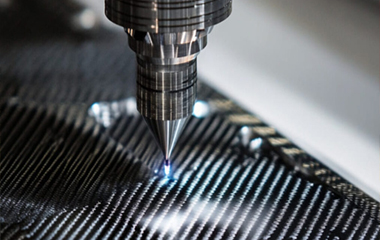
The superior beam quality delivered by leading fiber laser metal cutting machine manufacturers represents a fundamental breakthrough in precision manufacturing technology. This advanced beam characteristic stems from the unique properties of fiber laser generation, where the laser light propagates through a flexible optical fiber that maintains exceptional beam coherence and stability throughout the cutting process. The result is an incredibly focused laser spot that can achieve diameters as small as 0.1 millimeters, enabling manufacturers to execute intricate cutting patterns with microscopic precision levels previously unattainable with conventional cutting methods. This precision translates directly into superior part quality, with cut edges exhibiting smoothness levels that often eliminate the need for secondary machining operations, reducing production costs and cycle times significantly. The consistent beam quality ensures uniform cutting performance across the entire working area, preventing variations in cut quality that can occur with other laser types due to beam degradation over distance. Advanced fiber laser metal cutting machine manufacturers incorporate sophisticated beam shaping technologies that optimize power distribution for different material types and thicknesses, automatically adjusting parameters to maintain optimal cutting conditions throughout the production run. The exceptional beam stability enables consistent kerf width maintenance, crucial for parts requiring precise fit tolerances in assembly applications. This stability also facilitates the cutting of complex geometries including sharp corners, small holes, and intricate internal features without compromising edge quality or dimensional accuracy. The low divergence characteristics of fiber laser beams allow for thicker material processing capabilities while maintaining clean, vertical cut faces that minimize the heat-affected zone surrounding the cut area. This thermal control prevents material property changes that could compromise part performance in critical applications. Furthermore, the precise beam control enables advanced cutting techniques such as micro-perforations, controlled piercing sequences, and adaptive power modulation that optimize cutting speeds while maintaining quality standards across diverse material compositions and thickness variations.
Industry-Leading Energy Efficiency and Environmental Sustainability

Industry-Leading Energy Efficiency and Environmental Sustainability

Modern fiber laser metal cutting machine manufacturers prioritize environmental responsibility through revolutionary energy efficiency technologies that significantly reduce operational costs while minimizing environmental impact. The fundamental advantage lies in the exceptional electrical-to-optical conversion efficiency of fiber laser technology, which achieves approximately 30-35% efficiency compared to traditional CO2 laser systems that typically operate at 5-10% efficiency levels. This dramatic improvement translates into substantial reductions in electrical consumption, lowering operating costs while reducing the carbon footprint associated with manufacturing operations. Advanced power management systems incorporated by leading manufacturers include intelligent standby modes that automatically reduce power consumption during idle periods, sophisticated cooling systems that optimize thermal management without excessive energy use, and regenerative power systems that capture and reuse energy from deceleration cycles in automated material handling equipment. The environmental benefits extend beyond energy efficiency to include elimination of assist gas consumption in many applications, as fiber lasers can effectively cut numerous materials using compressed air instead of expensive and environmentally problematic gases like nitrogen or oxygen. This capability reduces both operational costs and environmental impact while simplifying logistics and storage requirements. Water consumption for cooling systems is minimized through closed-loop cooling designs that recirculate coolant efficiently while maintaining optimal operating temperatures. The longevity of fiber laser sources, typically exceeding 100,000 operational hours, reduces replacement frequency and associated waste generation compared to conventional laser technologies requiring more frequent maintenance and component replacement. Advanced manufacturers integrate smart monitoring systems that optimize cutting parameters in real-time, reducing material waste through improved nesting algorithms and adaptive cutting strategies that maximize yield from each sheet of raw material. The precision cutting capabilities minimize the generation of scrap material while the clean cutting process eliminates the need for secondary operations that consume additional energy and resources. These environmental advantages align with increasingly stringent sustainability requirements while delivering measurable cost savings that improve competitive positioning in price-sensitive markets.
Comprehensive Automation Integration and Smart Manufacturing Capabilities

Comprehensive Automation Integration and Smart Manufacturing Capabilities

Leading fiber laser metal cutting machine manufacturers excel in providing comprehensive automation solutions that transform traditional fabrication shops into sophisticated smart manufacturing facilities capable of lights-out operation and unprecedented productivity levels. The integration begins with advanced material handling systems that automatically load raw materials, position workpieces with precision, and remove finished parts without operator intervention, eliminating bottlenecks and enabling continuous production cycles. Sophisticated software platforms coordinate all aspects of the cutting process, from initial design import through final part sorting, incorporating artificial intelligence algorithms that optimize cutting sequences, predict maintenance requirements, and adapt parameters based on historical performance data. The automation capabilities extend to inventory management systems that track material consumption, monitor remaining stock levels, and automatically generate procurement orders when supplies reach predetermined thresholds. Advanced manufacturers incorporate vision systems that perform real-time quality inspection, automatically measuring critical dimensions and surface finish characteristics while flagging any deviations from specified tolerances for immediate correction. The integration of IoT connectivity enables remote monitoring and control capabilities, allowing operators to oversee multiple machines from centralized locations while receiving instant notifications of any operational issues or maintenance requirements. Predictive maintenance algorithms analyze operational data to forecast component wear patterns and schedule maintenance activities during planned downtime, minimizing unexpected interruptions and maximizing equipment availability. The smart manufacturing ecosystem includes comprehensive data collection and analysis capabilities that provide detailed insights into production efficiency, material utilization rates, energy consumption patterns, and quality metrics. This information enables continuous process optimization and supports data-driven decision-making for production planning and resource allocation. Advanced manufacturers offer seamless integration with existing ERP and MES systems, ensuring smooth data flow throughout the entire manufacturing operation while maintaining real-time visibility into production status and performance metrics. The automation systems are designed for scalability, allowing manufacturers to expand capabilities as business requirements grow while maintaining operational efficiency and quality standards across increased production volumes.

Get a Free Quote

Our representative will contact you soon.
Name
Mobile
Email
Company Name
Message
0/1000