EN
EN
Quick Links

Fences play a vital role in structural engineering, home decoration, and public spaces, with diverse designs visible throughout everyday life. This article explores the growing use of metal laser cutting technology in the fence manufacturing industry...
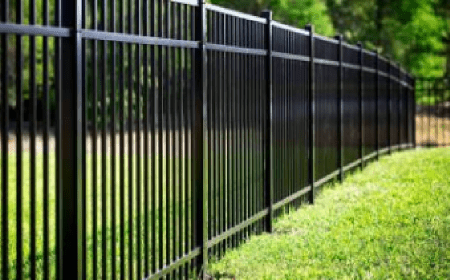
Fences play a vital role in structural engineering, home decoration, and public spaces, with diverse designs visible throughout everyday life. This article explores the growing use of metal laser cutting technology in the fence manufacturing industry.
Why Choose Laser-Cut Metal Over Wood?
While metal fences may have a higher initial cost compared to wooden ones, they provide superior durability and strength. Resistant to weathering and rot, metal fences require minimal maintenance and deliver reliable, long-lasting protection—making them a cost-effective solution over time.
Lifespan of Laser-Cut Metal Fence Panels
The service life of a metal fence depends on the material used:
Hollow Steel: Lasts over 20 years with proper finishing and care.
Solid Steel, Cast Iron, or Tubular Aluminum: Can endure a lifetime, offering exceptional longevity and value.
Simplifying Production with Laser Cutting
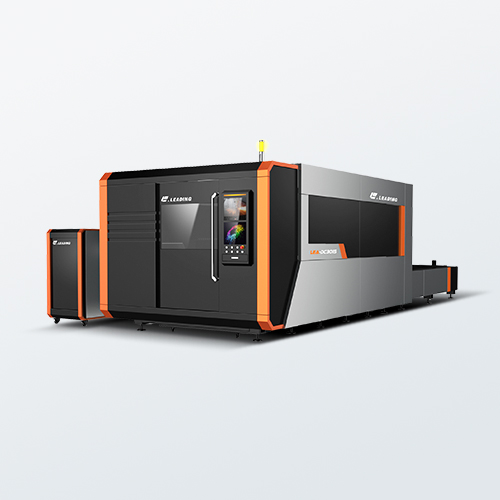
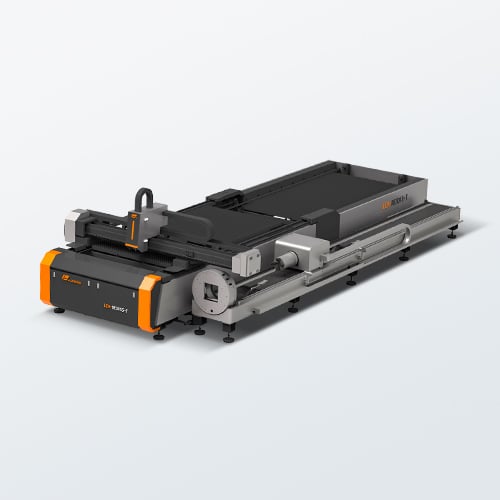
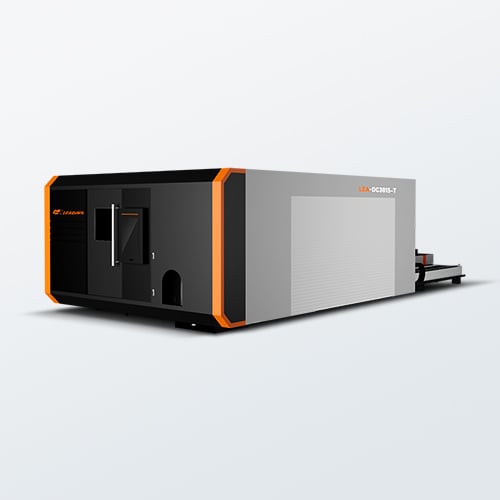
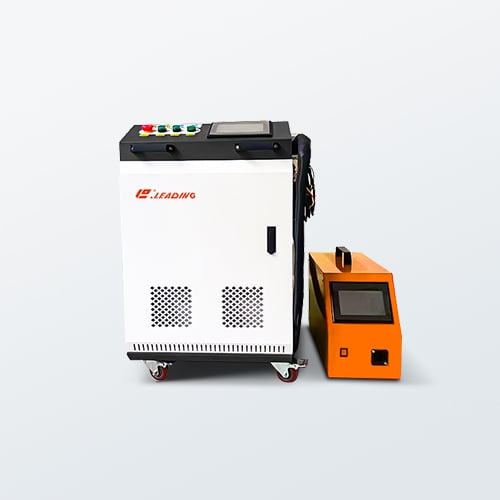
Fiber laser cutting machines enable quick and precise fabrication of metal fence panels, including custom designs and specialized components like Home Depot-style metal fence posts. This technology allows manufacturers to offer personalized solutions, boosting profitability and strengthening competitive advantage in the marketplace.
Popular Types of Laser-Cut Metal Fence Designs
Laser cutting supports a wide variety of styles and applications, such as: Decorative metal fence panels, Indoor & outdoor metal railings, Stair and balcony railings, Deck and porch railings, Metal railing gates, Baby safety gates.
By adopting laser cutting technology, manufacturers can efficiently produce high-quality, custom metal fences that meet both functional and aesthetic demands.