
 EN
EN
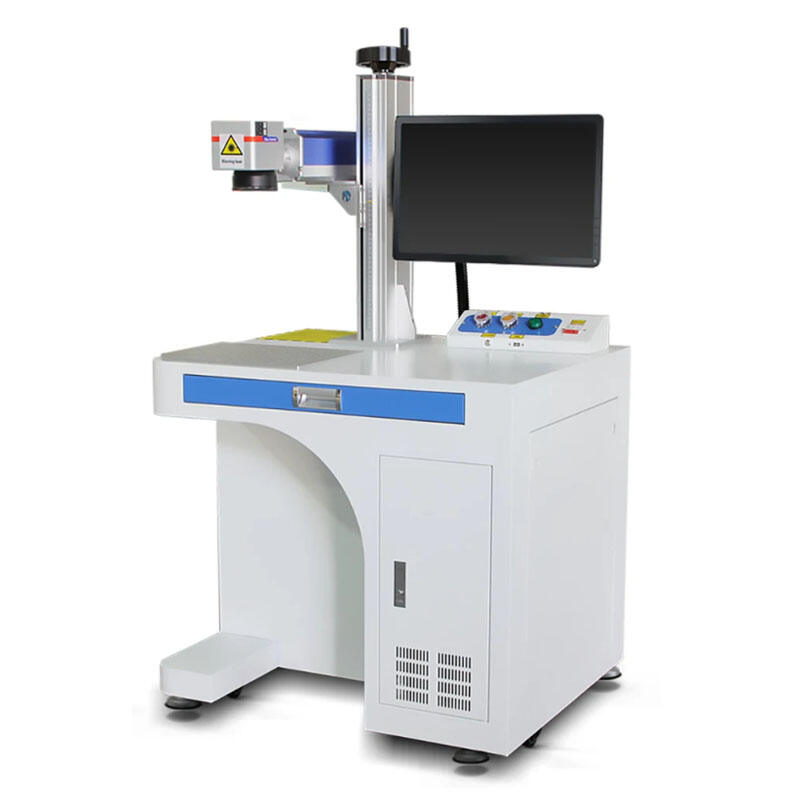
The precision and permanence of laser marking metal applications have revolutionized industrial identification and branding processes across countless sectors. From aerospace components to medical devices, manufacturers rely on laser technology to create durable markings that withstand extreme conditions while maintaining exceptional clarity and detail. Understanding which metals respond optimally to laser marking processes enables businesses to achieve superior results while maximizing efficiency and cost-effectiveness in their production workflows.
Modern manufacturing demands precise identification methods that can endure harsh environments, chemical exposure, and mechanical stress. Traditional marking techniques often fail to meet these stringent requirements, leading industries to embrace advanced laser marking metal technologies. The selection of appropriate metal substrates directly impacts marking quality, processing speed, and long-term durability of the finished products.
Understanding Metal Properties for Laser Marking Applications
Thermal Conductivity and Heat Distribution
The thermal properties of different metals significantly influence how effectively laser energy creates permanent markings. Metals with high thermal conductivity, such as copper and aluminum, tend to dissipate heat rapidly across their surface, requiring higher power settings and slower processing speeds to achieve optimal laser marking metal results. This heat distribution characteristic affects both the depth and consistency of the marking process.
Conversely, metals with lower thermal conductivity, including stainless steel and titanium, retain laser energy more efficiently within the targeted marking area. This concentrated heat retention enables faster processing speeds and often produces more defined marking edges with reduced heat-affected zones surrounding the marked areas.
Surface Reflectivity and Absorption Rates
The reflective properties of metal surfaces play a crucial role in determining laser marking effectiveness. Highly reflective metals like polished aluminum and chrome-plated surfaces can reflect significant portions of laser energy, reducing marking efficiency and potentially causing safety concerns. Surface treatments or specific laser wavelengths may be necessary to optimize laser marking metal processes on these challenging substrates.
Darker or oxidized metal surfaces typically absorb laser energy more readily, resulting in improved marking contrast and reduced processing time. Understanding these absorption characteristics allows manufacturers to select appropriate laser parameters and achieve consistent results across various metal types and surface conditions.
Optimal Metal Choices for Industrial Laser Marking
Stainless Steel Performance Characteristics
Stainless steel stands among the most versatile materials for laser marking metal applications due to its excellent balance of thermal properties and surface characteristics. The chromium content in stainless steel creates a natural oxide layer that responds predictably to laser energy, producing high-contrast markings with excellent durability. Various stainless steel grades offer different marking responses, with 300-series alloys generally providing superior results.
The corrosion resistance inherent in stainless steel ensures that laser markings remain legible even after exposure to harsh chemicals, saltwater environments, and extreme temperatures. This durability makes stainless steel an ideal choice for medical devices, food processing equipment, and marine applications where permanent identification is critical for safety and compliance.
Aluminum Marking Considerations and Techniques
Aluminum presents unique challenges and opportunities in laser marking metal operations due to its high thermal conductivity and natural oxide layer formation. Pure aluminum requires careful parameter optimization to prevent excessive heat buildup while achieving sufficient marking depth and contrast. Anodized aluminum surfaces often provide enhanced laser absorption, resulting in improved marking quality and processing efficiency.
The lightweight nature and excellent corrosion resistance of aluminum make it popular in aerospace, automotive, and electronics industries where permanent marking is essential for traceability and identification. Advanced laser marking metal systems can achieve exceptional results on aluminum substrates when properly configured for the specific alloy and surface preparation requirements.
Advanced Metal Marking Technologies and Methods
Fiber Laser Systems for Metal Applications
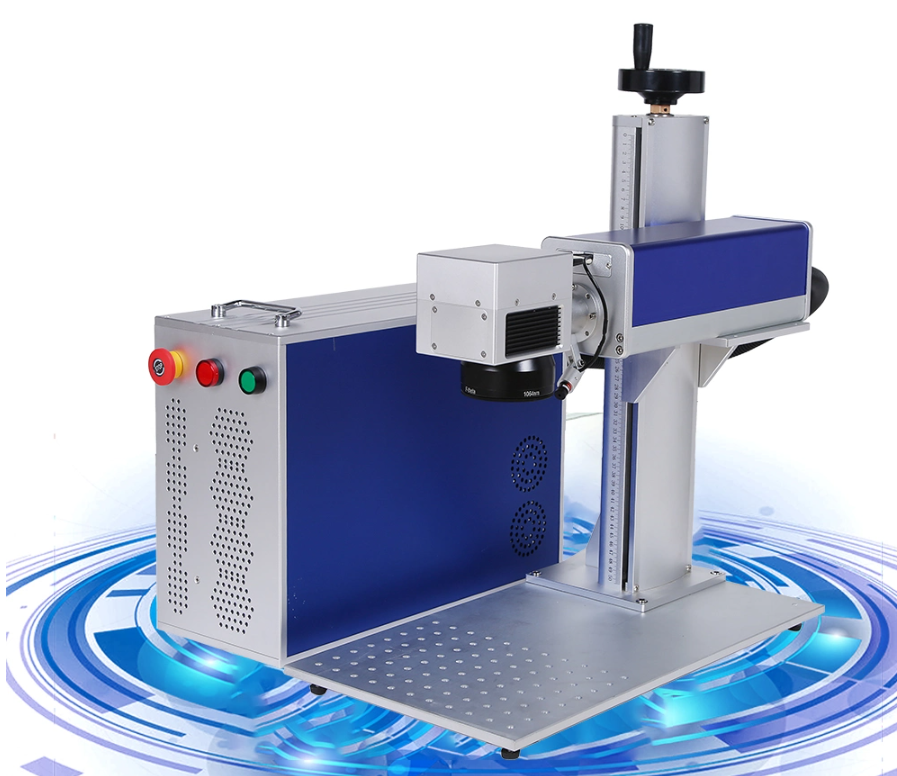
Fiber laser technology has emerged as the preferred solution for most laser marking metal applications due to its exceptional beam quality, energy efficiency, and maintenance requirements. The infrared wavelength produced by fiber lasers provides optimal absorption characteristics for most metals, enabling high-speed processing with minimal heat-affected zones and superior marking precision.
These systems offer adjustable pulse parameters that can be optimized for different metal types and marking requirements. Short pulse durations minimize thermal stress while maintaining marking quality, making fiber lasers particularly suitable for thin materials and heat-sensitive applications where traditional marking methods might cause warping or other thermal damage.
CO2 Laser Compatibility with Metal Substrates
While CO2 lasers are primarily associated with organic material processing, certain laser marking metal applications benefit from their unique characteristics. Coated metals, painted surfaces, and anodized materials often respond well to CO2 laser wavelengths, particularly when the goal is selective removal of surface coatings rather than direct metal etching.
The longer wavelength of CO2 lasers can create different marking effects compared to fiber systems, sometimes producing enhanced contrast or specific aesthetic qualities desired in certain applications. Understanding when to utilize CO2 technology versus fiber systems enables manufacturers to select the most appropriate laser marking metal solution for their specific requirements.
Processing Parameters and Quality Optimization
Power Settings and Speed Calibration
Achieving optimal laser marking metal results requires precise calibration of power output and processing speed based on material properties and desired marking characteristics. Higher power settings generally produce deeper markings but may increase heat-affected zones and processing time. Balancing these parameters ensures consistent quality while maintaining production efficiency.
Speed optimization involves finding the ideal traverse rate that allows sufficient energy delivery for permanent marking while minimizing thermal stress and maintaining high throughput. Different metals require unique parameter combinations, and establishing standardized settings for common materials streamlines production workflows and ensures repeatable results.
Pulse Frequency and Duration Control
Modern pulsed laser systems provide precise control over pulse frequency and duration, enabling fine-tuning of marking characteristics for specific laser marking metal applications. Higher pulse frequencies typically produce smoother surface finishes but may require reduced individual pulse energy to prevent excessive heating. Lower frequencies often create more pronounced marking depth with distinct pulse overlap patterns.
Pulse duration control allows optimization for different metal thicknesses and thermal properties. Shorter pulses minimize heat conduction into surrounding material, while longer pulses may be necessary for achieving sufficient marking depth in highly reflective or thermally conductive metals. Understanding these relationships enables operators to achieve consistent quality across diverse applications.
Industrial Applications and Market Requirements
Aerospace and Defense Metal Marking Standards
The aerospace industry demands exceptional traceability and identification standards that push laser marking metal technology to its limits. Components must maintain legibility throughout their operational lifetime while withstanding extreme temperatures, vibration, and chemical exposure. Titanium alloys, commonly used in aerospace applications, respond excellently to laser marking while providing the strength and weight characteristics required for aircraft components.
Military and defense applications often require markings that remain readable after exposure to harsh environmental conditions, electromagnetic pulses, and potential combat damage. The permanent nature of laser-etched markings in metals provides superior durability compared to labels, stamps, or other temporary identification methods commonly used in less demanding applications.
Medical Device Identification Requirements
Medical device manufacturing relies heavily on laser marking metal processes to ensure proper identification, traceability, and compliance with regulatory requirements. Surgical instruments, implants, and diagnostic equipment must carry permanent markings that survive sterilization processes, bodily fluids, and cleaning chemicals without degradation or contamination risk.
Biocompatible metals such as titanium and certain stainless steel grades provide excellent laser marking metal characteristics while meeting strict medical industry standards. The precision achievable with modern laser systems enables marking of complex data matrices, serial numbers, and regulatory symbols on even the smallest medical components without compromising their functional properties.
Quality Control and Verification Methods
Contrast Measurement and Readability Assessment
Ensuring consistent laser marking metal quality requires systematic measurement of marking contrast and readability under various conditions. Advanced vision systems can automatically assess marking quality during production, identifying variations in depth, contrast, or clarity that might affect long-term legibility or compliance requirements.
Standardized contrast measurement protocols enable comparison of results across different metals, processing parameters, and environmental conditions. This data-driven approach to quality control helps optimize laser marking metal processes while maintaining consistency and reducing reject rates in high-volume manufacturing environments.
Durability Testing and Environmental Resistance
Comprehensive testing protocols evaluate how laser markings perform under accelerated aging conditions, chemical exposure, and mechanical stress. These tests simulate years of operational use in compressed timeframes, providing confidence that markings will remain legible throughout the product lifecycle.
Environmental resistance testing specifically examines how different laser marking metal combinations respond to temperature cycling, humidity exposure, and corrosive atmospheres. Understanding these performance characteristics enables manufacturers to select appropriate materials and processing parameters for specific application requirements.
FAQ
What metals provide the best contrast for laser marking applications
Stainless steel typically provides excellent contrast for laser marking due to its chromium content, which creates distinct color changes when heated by laser energy. Titanium also offers superior contrast characteristics, particularly for applications requiring high visibility markings. Anodized aluminum surfaces can achieve exceptional contrast levels, while bare aluminum may require specific parameter optimization to achieve satisfactory results.
How does metal thickness affect laser marking quality and processing speed
Thicker metals generally allow for deeper laser marking without risk of breakthrough, providing greater flexibility in parameter selection and marking depth. However, processing speed may need adjustment to ensure adequate energy delivery for permanent marking. Thin metals require careful parameter control to prevent warping or perforation while maintaining marking quality and consistency across the entire surface area.
What safety considerations are important when laser marking different metal types
Highly reflective metals like polished stainless steel or aluminum can reflect laser energy unpredictably, requiring proper beam containment and operator protection. Some metal alloys may produce hazardous fumes when laser marked, necessitating adequate ventilation systems. Proper eye protection designed for specific laser wavelengths is essential, and operators should understand the unique safety requirements associated with each metal type being processed.
How do surface treatments and coatings impact laser marking metal effectiveness
Surface treatments can significantly enhance or impede laser marking effectiveness depending on their composition and thickness. Anodized coatings often improve laser absorption and marking contrast, while chrome plating or mirror finishes may require higher power settings or specialized wavelengths. Paint removal applications benefit from different laser parameters than direct metal etching, and understanding these requirements ensures optimal results across various surface conditions and treatment types.
Table of Contents
- Understanding Metal Properties for Laser Marking Applications
- Optimal Metal Choices for Industrial Laser Marking
- Advanced Metal Marking Technologies and Methods
- Processing Parameters and Quality Optimization
- Industrial Applications and Market Requirements
- Quality Control and Verification Methods
-
FAQ
- What metals provide the best contrast for laser marking applications
- How does metal thickness affect laser marking quality and processing speed
- What safety considerations are important when laser marking different metal types
- How do surface treatments and coatings impact laser marking metal effectiveness