
 EN
EN
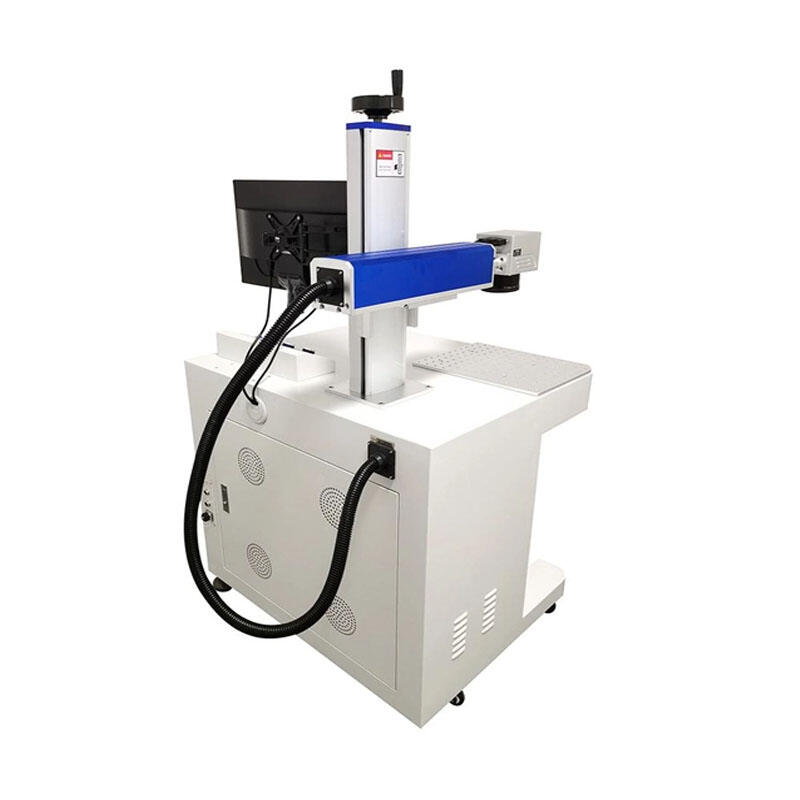
Metal marking has evolved significantly with the advancement of laser technology, offering manufacturers unprecedented precision and efficiency. When selecting the right laser marking metal solution for your operations, understanding the various technologies, applications, and technical specifications becomes crucial for making an informed decision. Modern industrial environments demand marking systems that deliver consistent quality, durability, and cost-effectiveness while meeting strict regulatory requirements and production timelines.
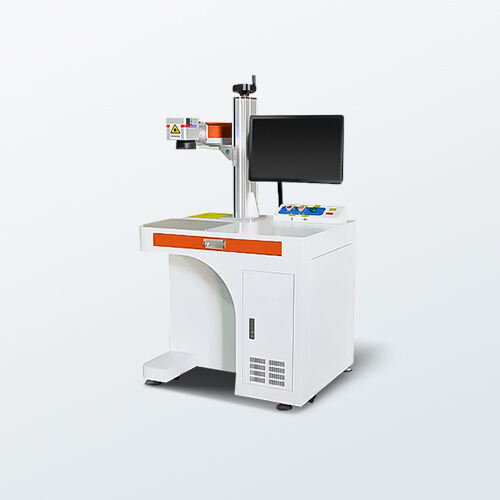
The industrial landscape has witnessed a dramatic shift toward laser-based marking technologies due to their versatility and superior performance characteristics. Unlike traditional marking methods such as dot peening or chemical etching, laser marking metal processes offer non-contact operation, eliminating tool wear and reducing maintenance costs. This technology enables manufacturers to achieve high-resolution markings on various metal substrates while maintaining exceptional speed and repeatability.
Selecting an appropriate laser marking metal system requires careful consideration of multiple factors including material compatibility, marking requirements, production volume, and integration capabilities. The decision-making process should encompass both immediate operational needs and long-term strategic objectives to ensure maximum return on investment and operational efficiency.
Understanding Laser Marking Metal Technologies
Fiber Laser Systems
Fiber laser technology represents the most advanced and widely adopted solution for laser marking metal applications across various industries. These systems utilize rare-earth-doped optical fibers as the gain medium, delivering exceptional beam quality and power efficiency. Fiber lasers excel in marking stainless steel, aluminum, titanium, and other common metals with remarkable precision and speed.
The wavelength characteristics of fiber lasers, typically operating at 1064 nanometers, provide optimal absorption for most metallic materials. This wavelength ensures deep penetration and consistent marking quality, making fiber laser systems ideal for applications requiring permanent identification codes, serial numbers, or decorative patterns on metal surfaces.
Modern fiber laser marking metal systems offer remarkable versatility in terms of marking depth, pattern complexity, and processing speed. These systems can achieve marking speeds exceeding 7000 millimeters per minute while maintaining micron-level precision, making them suitable for high-volume production environments where efficiency and quality are paramount.
CO2 Laser Considerations
While CO2 lasers excel in processing organic materials and certain plastics, their application in laser marking metal requires special consideration. The 10.6-micrometer wavelength of CO2 lasers experiences limited absorption in bare metals, necessitating surface treatments or specialized marking compounds to achieve effective results.
CO2 laser marking metal applications typically involve coated metals or situations where thermal marking effects are desired. These systems can create contrast markings on anodized aluminum or painted metal surfaces, though the process parameters require careful optimization to prevent substrate damage.
Despite wavelength limitations, CO2 lasers remain relevant in specific laser marking metal applications where their unique characteristics provide advantages. The broader beam profile and thermal processing nature of CO2 lasers can create distinctive marking effects that fiber lasers cannot replicate, particularly in decorative or artistic applications.
Hybrid and Emerging Technologies
The evolution of laser marking metal technology has introduced hybrid systems that combine multiple laser sources or advanced beam delivery mechanisms. These innovative solutions address specific application challenges while expanding the range of achievable marking effects and material compatibility.
Ultrafast pulsed lasers, including femtosecond and picosecond systems, represent cutting-edge technology for precision laser marking metal applications. These systems deliver extremely short pulses that minimize heat-affected zones and enable marking of heat-sensitive materials or ultra-thin metal films without thermal distortion.
Green laser systems operating at 532 nanometers provide enhanced absorption characteristics for certain metals, particularly copper and gold, where standard fiber laser wavelengths show reduced effectiveness. These specialized systems fill specific niches in the laser marking metal market where conventional technologies face limitations.
Material Compatibility and Application Requirements
Ferrous Metal Applications
Steel and iron-based alloys represent the most common substrates for laser marking metal applications across manufacturing industries. These materials exhibit excellent compatibility with fiber laser systems, enabling deep engraving, surface annealing, and high-contrast marking techniques. The magnetic properties and thermal characteristics of ferrous metals make them ideal candidates for various laser marking approaches.
Stainless steel marking requires specific parameter optimization due to its chromium content and thermal properties. laser marking metal systems must be configured to achieve consistent contrast and depth while preventing oxidation or surface contamination that could compromise corrosion resistance.
Carbon steel and tool steel applications benefit from the high peak power and excellent beam quality of modern fiber laser systems. These materials respond well to various marking techniques including ablation, annealing, and micro-machining, allowing for versatile marking solutions across different industrial applications.
Non-Ferrous Metal Processing
Aluminum and its alloys present unique challenges and opportunities in laser marking metal applications due to their high reflectivity and thermal conductivity. Modern fiber laser systems overcome these challenges through optimized pulse parameters and advanced beam delivery systems that ensure consistent marking quality across various aluminum grades.
Copper and brass marking requires specialized consideration due to their high thermal conductivity and reflectivity characteristics. Laser marking metal systems must deliver sufficient peak power density to overcome these material properties while maintaining marking quality and consistency.
Titanium and exotic alloys used in aerospace and medical applications demand precise control over laser parameters to prevent metallurgical changes that could affect material properties. These high-value applications require laser marking metal systems capable of delivering consistent results while maintaining strict quality standards.
Surface Preparation and Treatment
Surface conditions significantly influence laser marking metal performance and quality outcomes. Clean, oxide-free surfaces generally provide optimal marking results, while contaminated or heavily oxidized surfaces may require pre-treatment or parameter adjustments to achieve desired quality levels.
Surface roughness affects both marking quality and laser efficiency in laser marking metal applications. Smooth surfaces typically provide better beam absorption and more consistent marking results, while textured surfaces may create shadowing effects or uneven energy distribution that impacts marking uniformity.
Protective coatings, anodization, or plating layers require special consideration when implementing laser marking metal processes. These surface treatments may need removal or modification to achieve effective marking, or they may provide opportunities for specialized marking techniques that utilize the coating properties.
Technical Specifications and Performance Parameters
Power Requirements and Beam Quality
Laser power selection represents a critical decision factor in laser marking metal system specification, directly impacting marking speed, depth capability, and overall productivity. Modern fiber laser systems offer power ranges from 20 watts for fine marking applications to over 100 watts for high-speed industrial production environments.
Beam quality, measured by the M² parameter, determines focusing capability and energy density achievable at the workpiece surface. Superior beam quality enables tighter focusing, resulting in higher energy density and improved marking precision in laser marking metal applications.
Peak power density and pulse characteristics significantly influence marking mechanisms and achievable effects. Systems with adjustable pulse width and frequency provide versatility to optimize parameters for different materials and marking requirements, ensuring consistent quality across diverse laser marking metal applications.
Marking Area and Positioning Systems
Field size specifications determine the maximum marking area achievable without workpiece repositioning, directly impacting production efficiency and system flexibility. Standard galvanometer-based systems typically offer field sizes ranging from 100x100mm to 300x300mm, while larger systems may incorporate hybrid positioning mechanisms.
Positioning accuracy and repeatability specifications are crucial for applications requiring precise registration or multi-pass marking operations. High-end laser marking metal systems achieve positioning accuracies within ±0.01mm, enabling complex pattern registration and tight tolerance applications.
Marking speed capabilities vary significantly based on system configuration, laser power, and application requirements. Modern laser marking metal systems can achieve line speeds exceeding 10,000mm/minute for simple patterns while maintaining micron-level precision for complex geometries.
Control Systems and Integration
Advanced control systems enable sophisticated parameter management and process optimization in laser marking metal applications. Modern systems incorporate real-time monitoring, adaptive power control, and predictive maintenance features that enhance reliability and performance consistency.
Integration capabilities with existing production systems, PLCs, and enterprise software platforms determine the ease of incorporating laser marking metal technology into established manufacturing workflows. Standard communication protocols and customizable interfaces facilitate seamless integration.
User interface design and programming flexibility impact operator efficiency and system utilization. Intuitive software platforms with graphical programming tools enable rapid setup and modification of marking patterns, reducing changeover times and improving operational flexibility.
Economic Considerations and ROI Analysis
Initial Investment and System Costs
Capital equipment costs for laser marking metal systems vary significantly based on power levels, features, and integration requirements. Entry-level fiber laser systems may start around $25,000, while high-power industrial systems with advanced features can exceed $150,000, requiring careful analysis of cost-benefit relationships.
Installation and commissioning costs, including facility modifications, safety systems, and operator training, should be factored into total project budgets. These additional costs typically represent 15-25% of equipment costs but are essential for successful implementation of laser marking metal technology.
Software licensing, extended warranties, and service agreements contribute to total ownership costs while providing operational security and support. These investments in system reliability and support can significantly impact long-term operational success and return on investment.
Operating Costs and Efficiency
Energy consumption represents a significant operational cost consideration, particularly for high-power laser marking metal systems operating in continuous production environments. Modern fiber laser systems offer exceptional electrical efficiency, typically converting 25-30% of input electrical power into useful laser output.
Maintenance requirements and consumable costs vary based on system design and operating conditions. Fiber laser systems generally require minimal maintenance due to their solid-state design, while traditional lamp-pumped systems may require more frequent component replacement and service attention.
Labor costs and operator skill requirements influence total cost of ownership for laser marking metal systems. Advanced automation features and intuitive control systems can reduce operator skill requirements while improving consistency and throughput.
Productivity and Quality Benefits
Marking speed and throughput capabilities directly impact production capacity and unit costs in laser marking metal applications. High-speed systems can process thousands of parts per hour, significantly reducing per-unit marking costs compared to traditional methods.
Quality consistency and reduced scrap rates contribute to overall economic benefits of laser marking metal technology. The precise control and repeatability of laser systems minimize defects and rework requirements, improving overall manufacturing efficiency.
Flexibility and changeover capabilities enable rapid adaptation to new products or marking requirements without significant tooling investments. This versatility provides competitive advantages in markets requiring frequent product variations or customization options.
Safety and Regulatory Compliance
Laser Safety Requirements
Laser safety classifications and compliance requirements vary based on system power levels and beam accessibility, impacting facility design and operational procedures for laser marking metal installations. Class 1 enclosed systems provide the highest level of operator safety while maintaining productivity and flexibility.
Personal protective equipment requirements, including safety eyewear and protective clothing, must be considered when implementing laser marking metal systems in production environments. Proper training and safety protocols ensure worker protection while maintaining operational efficiency.
Facility safety systems, including interlocks, emergency stops, and beam containment measures, are essential components of comprehensive laser safety programs. These systems protect both operators and equipment while ensuring regulatory compliance and operational continuity.
Environmental and Health Considerations
Fume extraction and ventilation requirements depend on materials being processed and marking parameters used in laser marking metal applications. Adequate ventilation systems remove potentially harmful particulates and gases generated during the marking process.
Noise levels and electromagnetic interference from laser marking metal systems may require mitigation measures in sensitive production environments. Modern systems incorporate design features to minimize these environmental impacts while maintaining performance.
Waste management and disposal considerations for consumables and maintenance items should be incorporated into environmental management plans. Responsible disposal practices ensure compliance with environmental regulations and corporate sustainability objectives.
Quality Standards and Certification
Industry-specific quality standards and certification requirements may dictate specific performance criteria for laser marking metal systems in regulated industries such as aerospace, medical devices, and automotive manufacturing.
Traceability and documentation requirements necessitate robust data collection and reporting capabilities from laser marking metal systems. Advanced systems provide comprehensive logging and quality assurance features to support regulatory compliance.
Validation and qualification procedures for new installations ensure that laser marking metal systems meet specified performance criteria and maintain consistent operation over time. These procedures are essential for regulated industries and quality-critical applications.
Implementation and Integration Strategies
System Selection Methodology
Developing comprehensive requirement specifications involves careful analysis of current and future marking needs, production volumes, and quality requirements. This analysis forms the foundation for selecting appropriate laser marking metal technology and system configuration.
Vendor evaluation criteria should encompass technical capabilities, service support, financial stability, and long-term product roadmaps. Selecting reliable partners for laser marking metal technology ensures ongoing support and system evolution to meet changing requirements.
Pilot testing and proof-of-concept demonstrations provide valuable insights into system performance and integration challenges before full-scale implementation. These evaluations help validate system capabilities and optimize parameters for specific applications.
Installation and Commissioning
Site preparation requirements including power, compressed air, and environmental controls must be addressed before laser marking metal system installation. Proper preparation ensures smooth installation and optimal system performance from startup.
Integration with existing production systems, quality control processes, and data management systems requires careful planning and coordination. Successful integration maximizes the benefits of laser marking metal technology while minimizing operational disruption.
Operator training and certification programs ensure safe and effective operation of laser marking metal systems. Comprehensive training covers system operation, maintenance procedures, safety protocols, and troubleshooting techniques.
Ongoing Optimization and Support
Preventive maintenance programs and regular system optimization help maintain peak performance and extend equipment life in laser marking metal applications. Scheduled maintenance prevents unexpected downtime and ensures consistent marking quality.
Performance monitoring and data analysis enable continuous improvement of laser marking metal processes. Advanced systems provide comprehensive performance metrics and analytics to identify optimization opportunities and predict maintenance needs.
Technology upgrades and system evolution paths should be considered during initial system selection to ensure long-term viability and performance improvement potential. Modular system designs facilitate future upgrades and capability expansion.
FAQ
What factors should I consider when choosing between different laser marking metal technologies?
The primary factors include material compatibility, marking requirements, production volume, and budget constraints. Fiber lasers excel for most metal marking applications due to their efficiency and beam quality, while specialized applications may benefit from alternative technologies. Consider wavelength absorption characteristics, required marking depth, speed requirements, and integration needs when making your selection.
How do I determine the appropriate laser power for my laser marking metal application?
Power requirements depend on material type, thickness, marking depth, and production speed needs. Thicker materials and deeper markings require higher power levels, while high-speed applications benefit from increased power to maintain quality at faster speeds. Consult with system manufacturers and conduct sample testing to optimize power selection for your specific requirements.
What maintenance is required for laser marking metal systems?
Fiber laser systems require minimal maintenance, typically involving periodic cleaning of protective windows, checking cooling systems, and calibrating positioning components. Preventive maintenance schedules should include filter replacements, software updates, and performance verification. Most modern systems provide maintenance alerts and diagnostic capabilities to optimize service intervals and prevent unexpected downtime.
How can I ensure consistent marking quality across different metal types and batches?
Consistency requires proper parameter optimization for each material type, regular system calibration, and quality monitoring procedures. Implement standardized parameter sets for different materials, maintain consistent surface preparation, and use real-time monitoring features when available. Regular sample testing and documentation help maintain quality standards and identify potential issues before they impact production.
Table of Contents
- Understanding Laser Marking Metal Technologies
- Material Compatibility and Application Requirements
- Technical Specifications and Performance Parameters
- Economic Considerations and ROI Analysis
- Safety and Regulatory Compliance
- Implementation and Integration Strategies
-
FAQ
- What factors should I consider when choosing between different laser marking metal technologies?
- How do I determine the appropriate laser power for my laser marking metal application?
- What maintenance is required for laser marking metal systems?
- How can I ensure consistent marking quality across different metal types and batches?