
 EN
EN
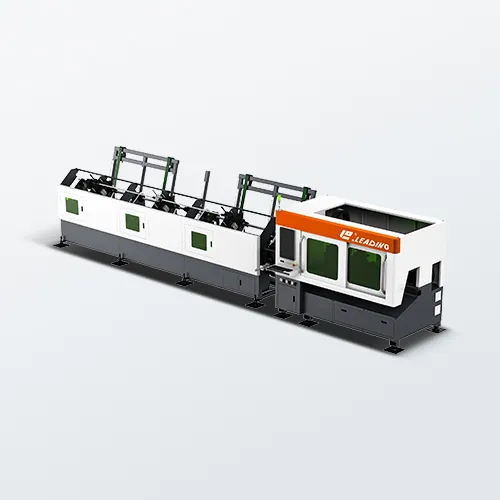
Understanding the Difference Between Laser Cutting and Plasma Cutting
In modern metal fabrication, choosing the right cutting technology significantly affects product quality, production efficiency, and long-term operational costs. While both laser and plasma cutting are widely used for processing metal, manufacturers increasingly prefer industrial laser cutting systems due to their superior precision, automation capability, and multi-material versatility.
Plasma cutting works by sending an electric arc through a gas passing through a narrow nozzle. This gas becomes plasma, melting the metal and blowing the molten material away. Although plasma cutting remains effective for exceptionally thick, heavy-duty plates, it typically produces rougher edges and larger heat-affected zones (HAZ).
In contrast, a CNC laser cutter uses a highly focused laser beam to melt or vaporize material along a precise programmed path. Because the laser beam is extremely narrow and controlled via advanced digital systems, the thermal process produces cleaner edges and tighter structural tolerances. According to industry guidance from organizations like the Laser Institute of America, laser processing technologies are widely recognized for their unmatched accuracy and efficiency in modern manufacturing.
Superior Precision and Edge Quality
One of the primary advantages of utilizing fiber laser cutting systems is their exceptional precision. Advanced laser machinery can achieve micron-level repeating accuracy and extremely tight geometric tolerances depending on material thickness. This accuracy is essential for high-specification sectors such as automotive components, electronics enclosures, precision machinery parts, and decorative architectural metal fabrication.
Because the cutting beam is highly concentrated, the resulting cut edges are smooth and require little to no secondary processing. Plasma cutting, on the other hand, frequently leaves dross or slag that must be manually removed through grinding. This additional rework increases labor expenditure and slows down production cycles.
Furthermore, fiber lasers create a minimal heat-affected zone. Since thermal energy is concentrated in a very restricted area, the surrounding material experiences less thermal distortion compared to plasma cutting. This is particularly critical for thin metal sheets, where warping and buckling easily occur under high heat exposure. Consequently, parts produced with high-end laser systems fit together more accurately during assembly, reducing workshop errors.
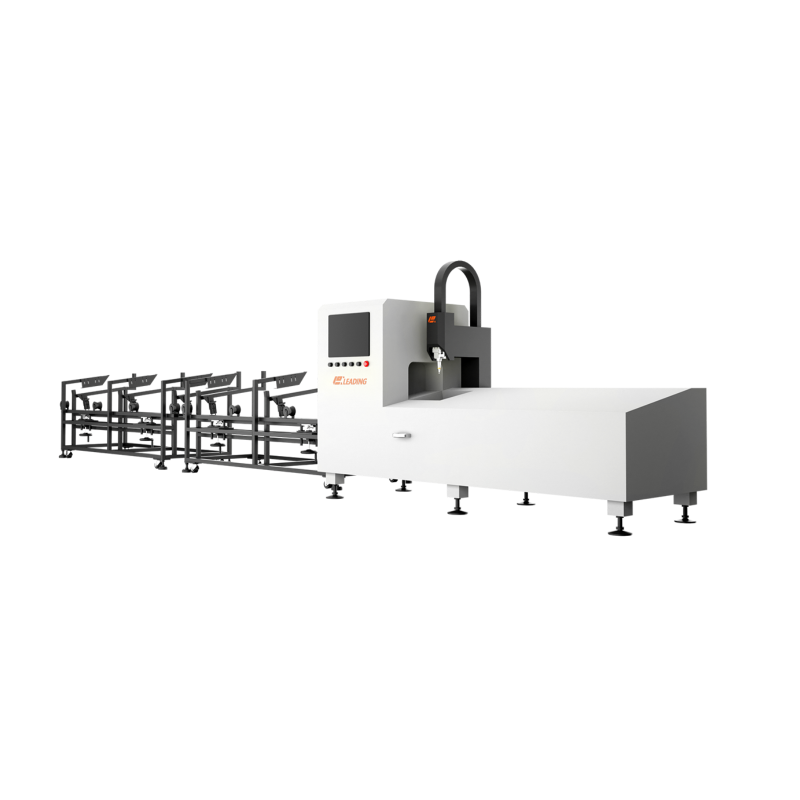
Higher Efficiency and Automation Capability
Modern manufacturing increasingly relies on automated systems to improve productivity and mitigate rising labor costs. A CNC-controlled fiber laser integrates seamlessly with digital design software and automated manufacturing cells.
Operators can import CAD files directly into the machine's control system, allowing the software to calculate precise cutting paths automatically. This digital workflow significantly reduces setup time and improves repeatability. Once parameters are optimized, the equipment can produce identical parts continuously with minimal human intervention.
In contrast, traditional plasma cutting systems typically require more manual adjustments, nozzle tracking, and operator supervision. Although CNC plasma machines exist, their cutting dynamics and automation integration are generally less advanced compared to high-end laser systems.
Manufacturers using automated laser cutting machines also benefit from advanced engineering features such as automatic focusing heads, intelligent nesting software, and real-time monitoring sensors. These technologies optimize material utilization and reduce scrap, which ultimately lowers the overall cost-per-part.
Versatility Across Different Metal Materials
Another major advantage of modern laser systems is their ability to process a wide range of metal materials with consistent edge quality. Fiber laser technology efficiently handles materials such as:
- • Carbon steel
- • Stainless steel
- • Aluminum Alloys
- • Copper and Brass (highly reflective metals)
- • Galvanized sheet metal
Each alloy requires specific cutting parameters, but modern systems can adjust laser power, focal position, and assist gas pressure automatically to achieve optimal performance.
Plasma cutting struggles with high-reflectivity or ultra-thin materials. For example, thin stainless steel sheets produce much cleaner results and narrow kerf widths when processed with a fiber laser, preventing the burning and distortion common with plasma torches. The flexibility of laser systems allows sheet metal fabricators to handle diverse orders without frequent tool changes, improving production agility and customer responsiveness.
Long-Term Cost Efficiency and Industrial Reliability
Although plasma cutting machines typically have lower upfront procurement costs, the long-term operational efficiency of a laser cutting system provides greater economic value.
First, laser cutting reduces material waste due to its narrow kerf width and intelligent nesting capabilities. Efficient material usage directly reduces raw material overhead, especially when processing expensive alloys like stainless steel or aluminum. Second, eliminating secondary processing means lower labor costs. Since parts cut by high-precision lasers usually require no secondary grinding, production lines can move parts directly to subsequent bending or welding.
Third, modern fiber laser sources are designed for industrial durability. Compared to traditional CO₂ lasers or plasma torches, fiber lasers have fewer consumable components and longer service intervals. This mechanical reliability minimizes unplanned downtime and maintenance expenses. Industry experts from the Fabricators & Manufacturers Association frequently highlight laser cutting as a core technology driving efficiency improvements in metal fabrication.
Conclusion: A Smarter Choice for Modern Metal Fabrication
As manufacturing standards and quality expectations continue to rise, precision, speed, and automation have become essential requirements in metal processing. While plasma cutting still serves specific heavy-plate applications, the advantages of fiber laser machinery make it the preferred solution for modern fabrication environments.
Laser cutting delivers superior edge quality, better automation integration, and greater material versatility. These benefits translate into higher product quality, improved throughput, and lower long-term operational expenditure (OPEX). Adopting advanced laser cutting technology represents a strategic long-term investment in productivity, reliability, and business growth.
Table of Contents
- Understanding the Difference Between Laser Cutting and Plasma Cutting
- Superior Precision and Edge Quality
- Higher Efficiency and Automation Capability
- Versatility Across Different Metal Materials
- Long-Term Cost Efficiency and Industrial Reliability
- Conclusion: A Smarter Choice for Modern Metal Fabrication