
 EN
EN
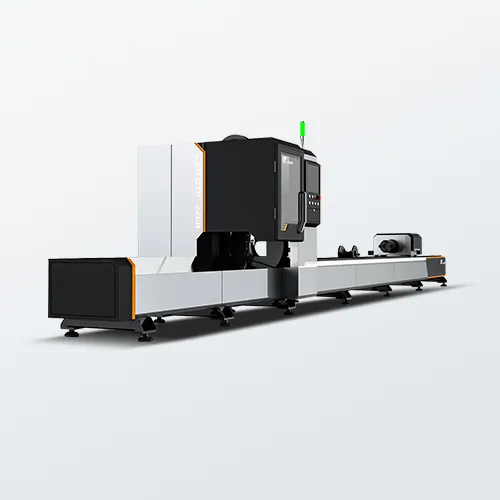
Decoding the Technical Architecture of an Industrial Laser Metal Cutting Machine
In the landscape of modern heavy-duty fabrication and metallurgy, a high-performance laser metal cutting machine represents the pinnacle of thermal processing technology, executing intricate profiles with micro-level repeating structural tolerances. Unlike legacy mechanical shearing, mechanical stamping, or conventional plasma cutting stations that induce severe thermal degradation and physical stress on the metal substrate, solid-state fiber laser infrastructure utilizes a highly concentrated, monochromatic coherent light beam to achieve vaporized erosion. This non-contact thermal processing methodology is widely integrated across critical manufacturing sectors, including aerospace profiling, automotive chassis structural components, commercial kitchen equipment, precision electrical enclosures, and architectural metal furniture. By focusing high energy density onto a localized spot, these automated systems deliver exceptionally clean edge topographies and complex nesting paths, eliminating the need for labor-intensive secondary deburring or grinding work and transforming raw workshop throughput across multi-shift operations.
Exploring the Optoelectronic Physics and Assist Gas Dynamics of Laser Processing
The underlying working principle of an industrial laser metal cutting machine relies on a sophisticated sequence of energy conversion, beginning at the solid-state fiber laser source where electrical energy is transformed into a specialized wave profile. This coherent light is delivered via flexible fiber optic cables directly into an advanced automated cutting head equipped with real-time dynamic autofocusing sensors that instantly adjust focal positions based on material density changes. As the high-density beam impacts the surface, the localized metal instantly reaches its melting or vaporization threshold, while a synchronized stream of high-purity auxiliary assist gas—such as nitrogen, oxygen, or filtered compressed air—is expelled through the cutting nozzle to clear molten debris from the kerf. For instance, when processing structural stainless steel or aluminum alloys, utilizing high-pressure nitrogen prevents localized oxidation and secures a pristine, burr-free edge topography. This entire automated kinetic sequence is managed by robust CNC control software layers that convert complex CAD digital designs into synchronized multi-axis movements, ensuring consistent linear feed rates without structural distortion.
Technical Auditing of Core Components and Kinematic Motion Synchronization
The structural longevity and processing accuracy of a continuous-duty laser metal cutting machine depend entirely on the mechanical engineering standards of its internal sub-systems and frame metallurgy. True manufacturing reliability requires a heavy-duty, heat-treated welded steel frame that has undergone extensive thermal stress relief and vibration aging to completely eliminate internal residual stress and prevent mechanical backlash over decades of service. This rigid mechanical foundation is paired with premium linear guidance tracks and driven by high-torque, closed-loop servo motor systems to maintain fluid acceleration metrics across high-velocity directional adjustments. Enterprise buyers must prioritize configurations that integrate globally recognized, Tier-1 optoelectronic and motion components, including advanced control platforms from industry leaders like Sypcut or WEIHONG, and specialized cutting assemblies from Raytools or Precitec. Whether configuring a flat-bed sheet metal laser platform, a dedicated multi-axis tube laser processing station, or a combined sheet-and-tube dual system, verifying the integration of these verified engineering brands guarantees predictable asset depreciation and stable machine dynamics.
Quantifying the Strategic Manufacturing Advantages and Strategic Flexibility
Transitioning to an automated laser metal cutting machine provides profound commercial and operational advantages that directly optimize a manufacturing enterprise's corporate balance sheet by reducing ongoing operational expenditures. The absence of physical tool wear eliminates the hidden costs of mechanical tooling replacement and specialized fixture setups, allowing job shops to transition between diverse material substrates and varying sheet thicknesses within the same production cycle. Furthermore, modern intelligent software integration enables advanced vision-based automatic nesting and adaptive beam parameter calibration, maximizing raw sheet utilization and minimizing structural scrap material waste during complex nesting runs. This engineering versatility allows a single automated manufacturing asset to handle square, rectangular, hexagonal, or customized oval tube geometries alongside flat plates, future-proofing the workshop's capabilities against escalating global market demands. By consolidating multiple traditional secondary processes into a single automated pass, fabricators dramatically lower their long-term cost-per-part while elevating overall finished product quality.
Core Procurement Frameworks for Scalable Equipment Asset Integration
Executing a successful capital investment in a professional laser metal cutting machine requires a data-driven evaluation of actual production requirements against long-term business expansion goals. Savvy procurement managers evaluate machinery through a comprehensive total cost of ownership matrix, analyzing not just initial capital quotes, but the integration of essential safety and environmental protection sub-systems. Implementing a full-cover enclosed machine housing is a critical feature for high-volume environments, as it completely contains hazardous stray reflections, high-velocity sparks, and metallic fumes within a closed-loop environment that is thoroughly ventilated by zoned dust extraction systems, ensuring straightforward compliance with international safety codes. Partnering with an established direct-to-factory global manufacturer that provides fully verified compliance documentation, clear warranty structures, and responsive remote engineering support ensures that the physical machinery function as a secure business partnership, allowing fabricators to scale their dynamic engineering capacity confidently.
Table of Contents
- Decoding the Technical Architecture of an Industrial Laser Metal Cutting Machine
- Exploring the Optoelectronic Physics and Assist Gas Dynamics of Laser Processing
- Technical Auditing of Core Components and Kinematic Motion Synchronization
- Quantifying the Strategic Manufacturing Advantages and Strategic Flexibility
- Core Procurement Frameworks for Scalable Equipment Asset Integration