
 EN
Quick Links
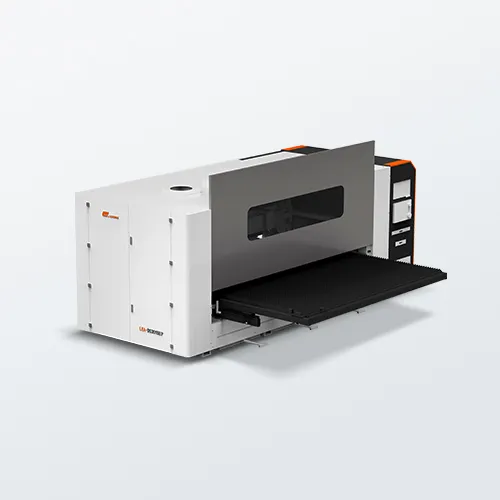
Clarify Your Production Requirements First Before comparing laser cutting machine specifications, start by mapping what you will cut. The first step is to match material types and thicknesses to realistic processing windows, then define the product...
VIEW MORE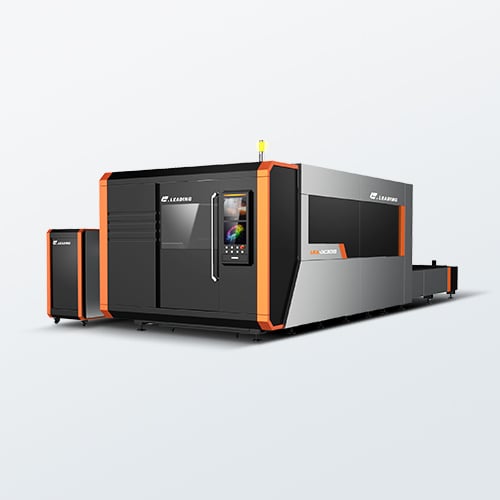
Match Laser Cut Machine Type to Your Primary Material and Application Select a laser cut machine by first matching its wavelength and beam delivery to the workpiece material and thickness. The two most common industrial choices are CO₂ and fiber sy...
VIEW MORE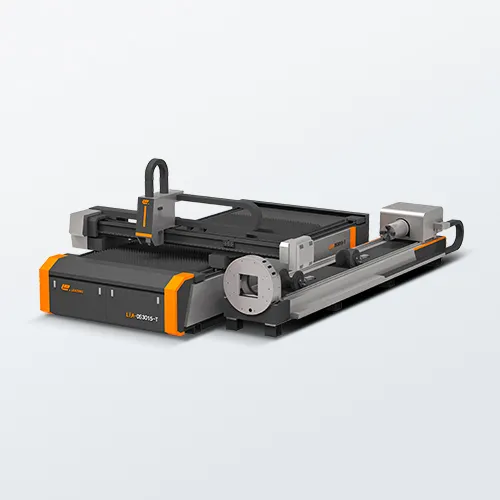
Structural Integrity and Motion System Precision in Laser Cut Machines Frame Rigidity, Thermal Stability, and Their Direct Effect on Cutting Accuracy A laser cut machine’s mechanical foundation directly determines how faithfully the beam foll...
VIEW MORE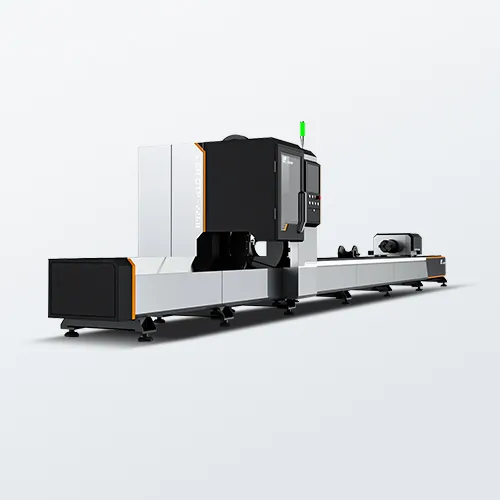
Evaluating Financial Readiness: ROI, TCO, and Break-Even Timing Calculating True Total Cost of Ownership for a Laser Cut Machine A realistic return on investment (ROI) for a laser cut machine starts with total cost of ownership (TCO), not the stick...
VIEW MORE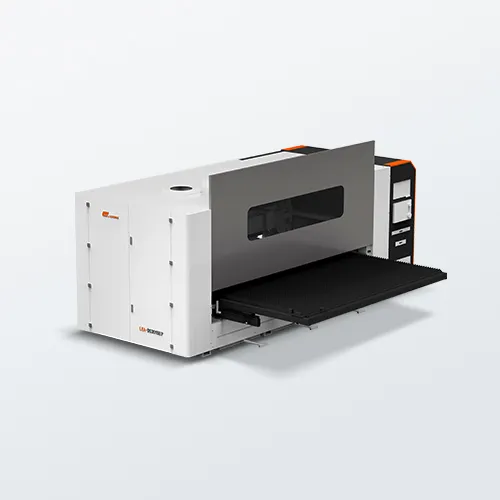
Signs Your Laser Welding Machine Needs an Upgrade Assess machine health on three signals: weld quality, uptime, and parts availability. Declining weld quality, rising rework, and inconsistent penetration Weld quality is the earliest visible symptom...
VIEW MORE
Material Compatibility and Reflectivity Requirements Selecting the right laser cut machine for tube processing starts with matching the laser source to the metal. The two most common sources—fiber and CO₂—behave very differently on refl...
VIEW MORE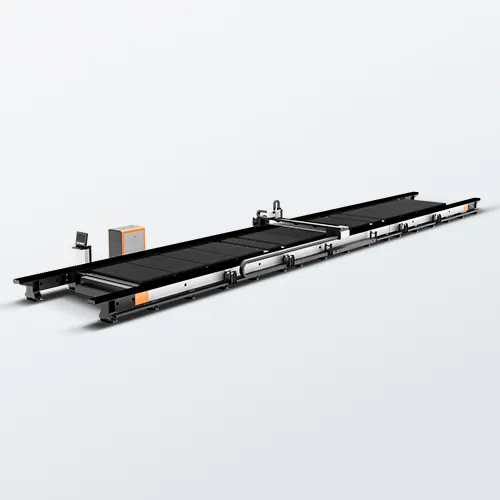
Performance and Precision of Your Laser Metal Cutter Beam Quality, Cut Accuracy, and Real-World Tolerance Benchmarks Beam quality is the foundation of a laser metal cutter’s ability to hold tight tolerances in production. A stable laser sourc...
VIEW MORE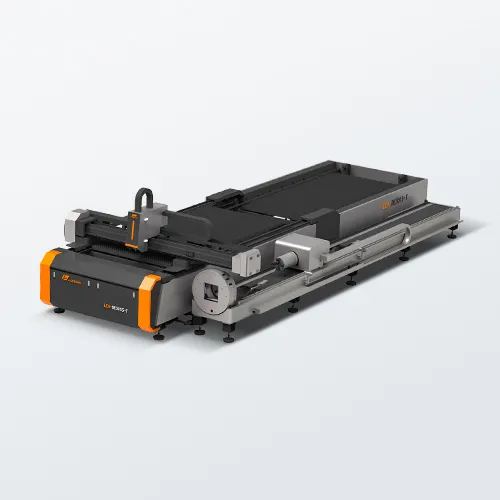
Designing Precision Laser Cutting Machine Systems Integrating Core Subsystems: Laser Source, Beam Delivery, Motion Platform, and CNC Control A laser cutting machine is a coordinated assembly of four interdependent subsystems: laser source, beam del...
VIEW MORE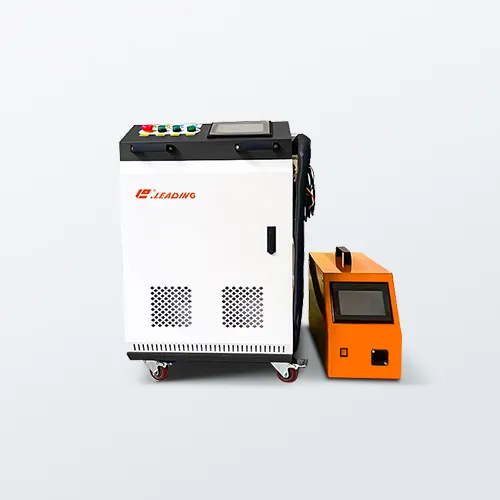
Understanding Heat Damage in Laser Metal Cutting What Constitutes Heat Damage: HAZ, Microcracking, and Thermal Distortion Laser metal cutting subjects steel to extreme localized heat—often exceeding 1000 °C (1832 °F)—melting and...
VIEW MORE
Verify Core Certifications and Regulatory Compliance for Tube Laser Cutting Machines ISO 9001, CE, and Export-Ready Compliance: What Each Means for Tube Laser Cutting Machine Manufacturers ISO 9001:2015 confirms that a manufacturer maintains a docu...
VIEW MORE
Unmatched Speed and Productivity for High-Volume Metal Production Throughput gains on thin-to-medium gauge metals Fiber laser cutting machines deliver substantial throughput gains on thin-to-medium gauge metals—typically 0.5 mm to 6 mm sheet&...
VIEW MORE
Precision and Quality: Why Fiber Laser Cutters Excel on Thin to Medium Metals Tighter Tolerances, Narrower Kerf, and Superior Edge Finish (Up to 19mm) Fiber laser cutters deliver an exceptionally focused beam with low divergence—producing a s...
VIEW MORE