Professional Steel Laser Cutting Machines - Precision Metal Fabrication Solutions

All Categories

Get a Free Quote

Our representative will contact you soon.
Name
Mobile
Email
Company Name
Message
0/1000

steel laser cutting machine

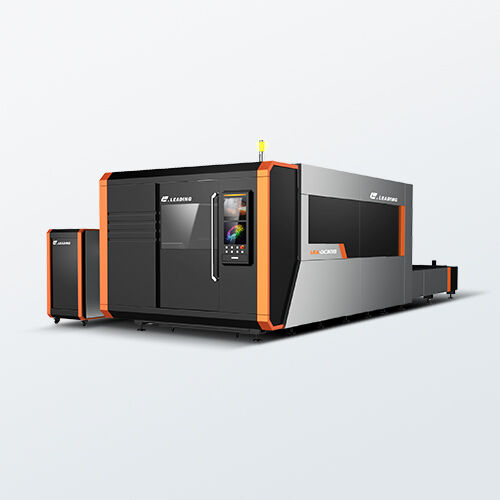
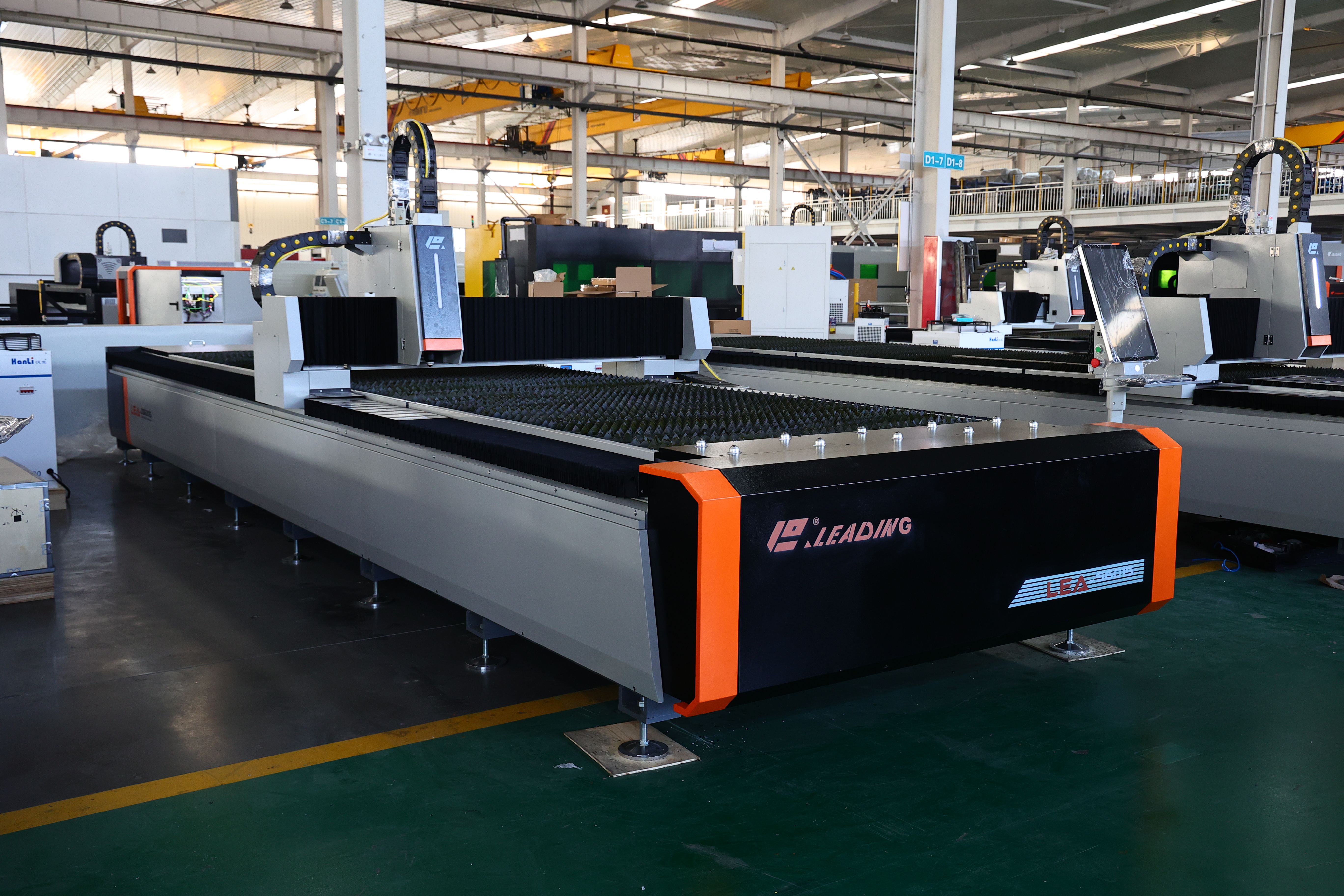
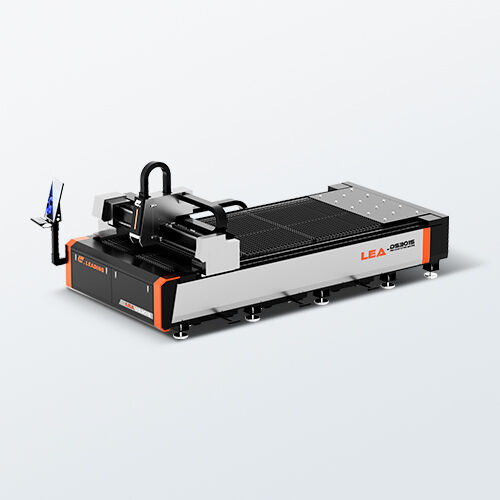
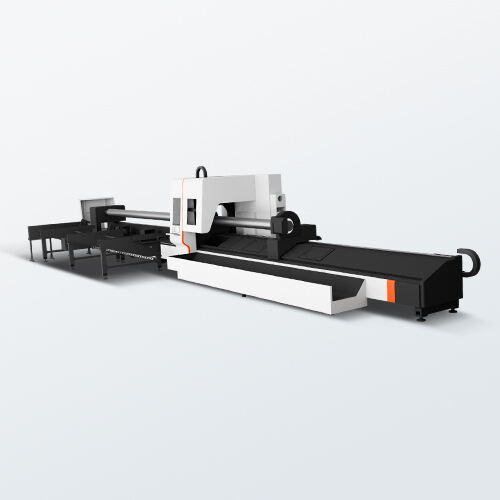
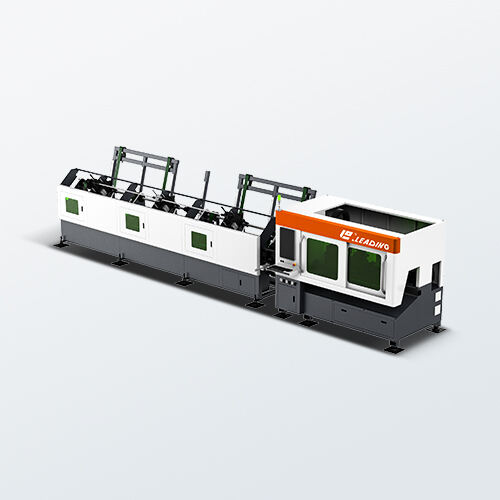
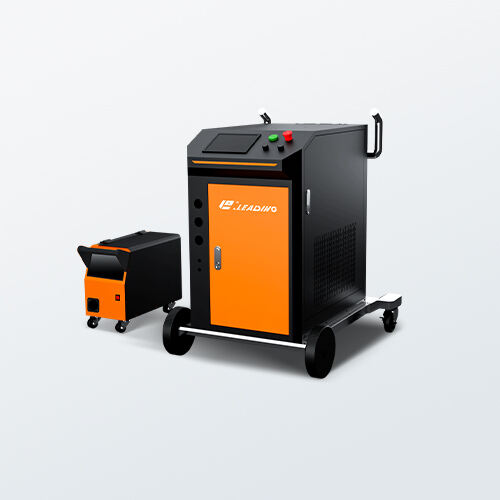
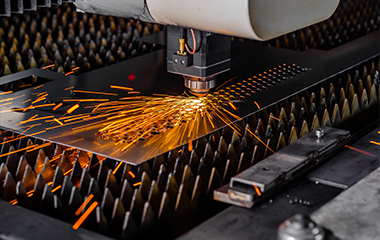
A steel laser cutting machine represents cutting-edge industrial technology that transforms how manufacturers approach metal fabrication. This sophisticated equipment uses concentrated laser beams to slice through steel materials with remarkable precision and speed. The steel laser cutting machine operates by directing a high-powered laser beam through specialized optics that focus the energy into an extremely small point. When this focused beam contacts the steel surface, it rapidly heats the material to its melting or vaporization point, creating a clean, precise cut along predetermined paths. Modern steel laser cutting machines incorporate computer numerical control systems that enable operators to program complex cutting patterns and execute them with consistent accuracy. These systems can handle various steel thicknesses, from thin sheets to thick plates, making them versatile solutions for diverse manufacturing needs. The technology encompasses several laser types, including fiber lasers, CO2 lasers, and neodymium lasers, each offering distinct characteristics suited to different applications. Fiber laser technology has gained popularity due to its energy efficiency and exceptional performance on reflective materials like steel. The steel laser cutting machine features automated material handling systems, advanced cooling mechanisms, and sophisticated safety protocols. These machines can process carbon steel, stainless steel, alloy steel, and other ferrous materials with minimal waste generation. Integration capabilities allow seamless connection with existing production workflows, while programmable controls enable rapid changeovers between different cutting jobs. Quality monitoring systems ensure consistent results throughout production runs, while precision positioning systems maintain accuracy across large workpieces. The steel laser cutting machine delivers superior edge quality compared to traditional cutting methods, eliminating secondary finishing operations in many applications. Environmental considerations include enclosed cutting chambers that contain fumes and debris, contributing to cleaner workplace conditions. Advanced models incorporate artificial intelligence features that optimize cutting parameters automatically based on material properties and thickness variations.

Popular Products

Steel laser cutting machines deliver exceptional precision that surpasses traditional cutting methods by significant margins. These systems achieve tolerances within hundredths of millimeters, enabling manufacturers to produce components that meet demanding specifications without additional machining operations. The precision capabilities translate directly into reduced material waste, as operators can nest parts more efficiently and minimize scrap generation. Speed advantages become immediately apparent when comparing steel laser cutting machines to conventional techniques like plasma cutting or mechanical sawing. The laser beam moves rapidly across material surfaces, completing complex cuts in fractions of the time required by alternative methods. This increased throughput allows manufacturers to fulfill larger orders within shorter timeframes, improving customer satisfaction and increasing profitability. Operational flexibility represents another major advantage, as steel laser cutting machines can switch between different materials and thicknesses without lengthy setup procedures. Operators simply load new cutting programs and adjust parameters through user-friendly interfaces, eliminating time-consuming tool changes or equipment modifications. The contactless cutting process prevents tool wear issues that plague traditional methods, reducing maintenance costs and eliminating replacement expenses for cutting tools. Steel laser cutting machines produce superior edge quality with minimal heat-affected zones, preserving material properties near cut edges. This characteristic eliminates grinding, filing, or other finishing operations that add time and cost to manufacturing processes. Automation capabilities enable unmanned operation during extended periods, allowing manufacturers to maintain production during off-hours without additional labor costs. Integration with computer-aided design software streamlines the transition from concept to finished product, reducing programming time and minimizing human error potential. Energy efficiency improvements in modern steel laser cutting machines result in lower operational costs compared to older laser systems and many traditional cutting methods. The concentrated energy delivery reduces power consumption while maintaining high cutting speeds and quality standards. Versatility extends beyond basic cutting operations, as these machines can perform drilling, engraving, marking, and complex contouring tasks using the same laser source. This multi-functionality eliminates the need for multiple specialized machines, reducing equipment investment and floor space requirements while simplifying workflow management.

Tips And Tricks

5 Undeniable Advantages of Fiber Laser Cutters Over CO2 & Plasma

20

Oct

5 Undeniable Advantages of Fiber Laser Cutters Over CO2 & Plasma

View More
Beyond Metal: Fiber Laser Cutting in Aerospace & Automotive Composites

20

Oct

Beyond Metal: Fiber Laser Cutting in Aerospace & Automotive Composites

View More
Your 5-Point Checklist for Choosing the Right Fiber Laser Cutter

20

Oct

Your 5-Point Checklist for Choosing the Right Fiber Laser Cutter

View More

Get a Free Quote

Our representative will contact you soon.
Name
Mobile
Email
Company Name
Message
0/1000

steel laser cutting machine

Unmatched Precision and Accuracy Control

Unmatched Precision and Accuracy Control

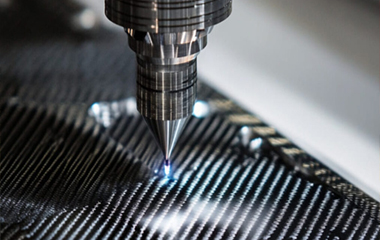
Steel laser cutting machines establish new benchmarks in manufacturing precision through advanced beam control technology and sophisticated positioning systems. The laser beam diameter can be controlled to incredibly small dimensions, often measuring less than 0.1 millimeters, enabling the creation of intricate details and complex geometries that would be impossible with conventional cutting methods. This precision stems from the fundamental physics of laser technology, where electromagnetic energy concentrates into a coherent beam that can be precisely controlled and manipulated. The steel laser cutting machine utilizes high-resolution encoders and servo motors that position the cutting head with sub-millimeter accuracy across the entire work envelope. Advanced motion control algorithms compensate for mechanical variations and thermal expansion, maintaining consistent precision throughout extended cutting operations. Closed-loop feedback systems continuously monitor beam position and make real-time adjustments to ensure optimal cutting performance. The precision capabilities extend beyond simple straight cuts to include complex curves, sharp corners, and intricate patterns that require exceptional accuracy. Manufacturers can produce parts with tight tolerances that fit together perfectly without additional machining or adjustment, reducing assembly time and improving final product quality. The steel laser cutting machine maintains this precision across various material thicknesses, from thin gauge sheets to thick structural plates, ensuring consistent results regardless of application requirements. Quality assurance features include automatic edge detection and real-time monitoring systems that verify cut quality and alert operators to any deviations from specified parameters. The precision advantages translate into significant cost savings through reduced waste, eliminated secondary operations, and improved part fit-up in assembly processes. Advanced software integration allows operators to simulate cutting operations before execution, identifying potential issues and optimizing tool paths for maximum efficiency and accuracy. Temperature compensation systems account for thermal effects on both the machine structure and workpiece, maintaining precision even during extended high-production runs. The steel laser cutting machine delivers repeatability that enables manufacturers to produce identical parts across multiple production runs, ensuring consistency in large-scale manufacturing operations.
Revolutionary Speed and Productivity Enhancement

Revolutionary Speed and Productivity Enhancement

The steel laser cutting machine transforms manufacturing productivity through unprecedented cutting speeds that dramatically reduce cycle times and increase throughput capacity. Modern fiber laser technology enables rapid traverse rates that can exceed several meters per minute while maintaining exceptional cut quality, allowing manufacturers to complete projects in fractions of the time required by traditional methods. The speed advantages become particularly pronounced when cutting thin to medium-thickness steel materials, where the laser beam can move at remarkable velocities while delivering clean, precise cuts. Advanced acceleration and deceleration profiles optimize motion characteristics, minimizing time spent on direction changes and complex geometry navigation. The steel laser cutting machine incorporates intelligent path optimization algorithms that determine the most efficient cutting sequence, reducing total processing time while minimizing material waste. Rapid piercing capabilities enable quick hole starts and entry points, eliminating lengthy warm-up periods associated with other cutting technologies. Multi-head configurations available on advanced steel laser cutting machines allow simultaneous processing of multiple parts or different sections of large workpieces, multiplying productivity gains exponentially. Automatic nesting software maximizes material utilization while optimizing cutting paths for minimum processing time, combining efficiency improvements that compound productivity benefits. The contactless nature of laser cutting eliminates tool changes and reduces machine downtime, enabling continuous operation for extended periods without interruption. Quick-change fixtures and automated material handling systems further enhance productivity by minimizing setup times between different jobs or material types. The steel laser cutting machine can transition between cutting programs instantaneously, allowing manufacturers to respond rapidly to changing production requirements or rush orders. Predictive maintenance capabilities monitor system performance and schedule maintenance activities during planned downtime, maximizing productive operating hours. Integration with manufacturing execution systems enables real-time production tracking and optimization, helping manufacturers identify bottlenecks and implement improvements. The speed advantages extend beyond raw cutting velocity to include reduced secondary operations, as the superior edge quality eliminates finishing requirements that add time to traditional cutting processes. Batch processing capabilities allow operators to queue multiple cutting jobs, enabling unmanned operation during off-shifts and maximizing equipment utilization rates.
Exceptional Versatility and Material Compatibility

Exceptional Versatility and Material Compatibility

Steel laser cutting machines demonstrate remarkable versatility through their ability to process an extensive range of steel types and thicknesses while adapting to diverse manufacturing requirements across multiple industries. The technology excels at cutting carbon steel, stainless steel, tool steel, weathering steel, and specialized alloys, each requiring different cutting parameters that modern systems can adjust automatically based on material identification and thickness measurements. Advanced material recognition systems utilize sensors and databases to identify steel compositions and recommend optimal cutting parameters, eliminating guesswork and reducing setup time while ensuring consistent results. The steel laser cutting machine handles thickness variations from ultra-thin foils measuring fractions of millimeters to substantial plates exceeding several centimeters thick, providing solutions for applications ranging from precision electronics components to heavy structural fabrication. Beam quality optimization features automatically adjust power levels, cutting speeds, and assist gas selection based on material properties and thickness requirements, ensuring optimal performance across the entire capability range. Multi-mode operation capabilities enable the same steel laser cutting machine to perform cutting, drilling, engraving, and marking operations without equipment changes, maximizing investment value and workshop efficiency. The versatility extends to geometric complexity, as these systems can execute intricate contours, sharp internal corners, small holes, and complex three-dimensional shapes that challenge conventional cutting methods. Programming flexibility allows operators to create custom cutting sequences for unique applications while maintaining libraries of proven parameters for standard materials and operations. Adaptive control systems monitor cutting conditions in real-time and make automatic adjustments to maintain quality when encountering material variations or unexpected conditions. The steel laser cutting machine accommodates various part sizes from small precision components to large architectural elements, providing scalable solutions for diverse manufacturing needs. Integration capabilities enable seamless connection with computer-aided design systems, manufacturing resource planning software, and quality control systems, creating comprehensive digital manufacturing workflows. Environmental adaptability allows operation in various industrial settings while maintaining consistent performance despite temperature fluctuations, humidity changes, or other ambient conditions. The versatility advantages enable manufacturers to consolidate multiple cutting operations onto a single platform, reducing equipment investment, training requirements, and facility space needs while improving operational efficiency and flexibility in responding to market demands.


Get a Free Quote

Our representative will contact you soon.
Name
Mobile
Email
Company Name
Message
0/1000