portable laser cutting machine for metal
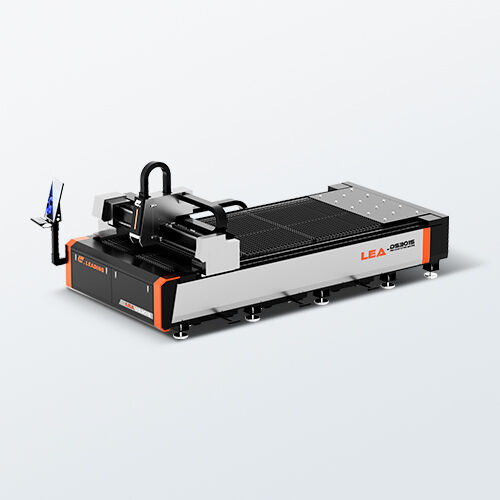
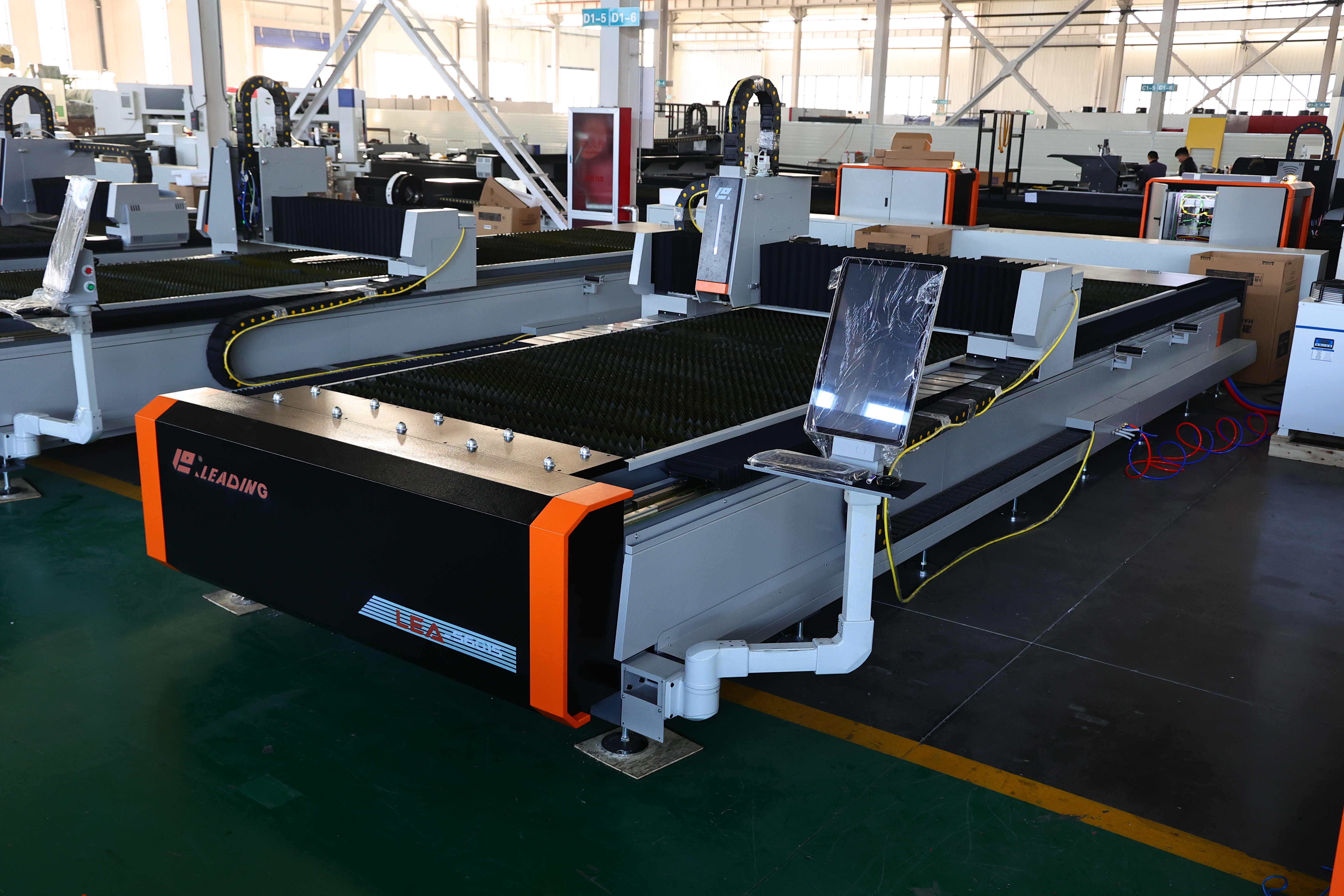
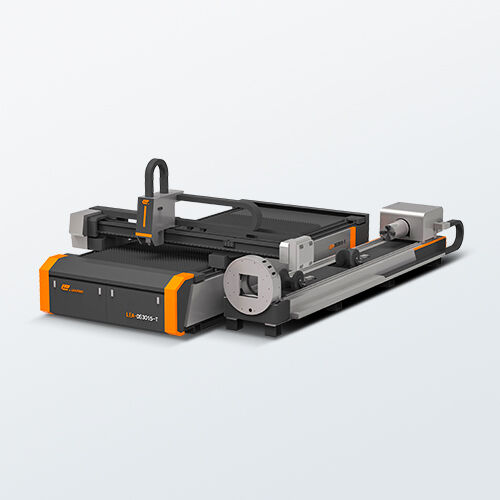
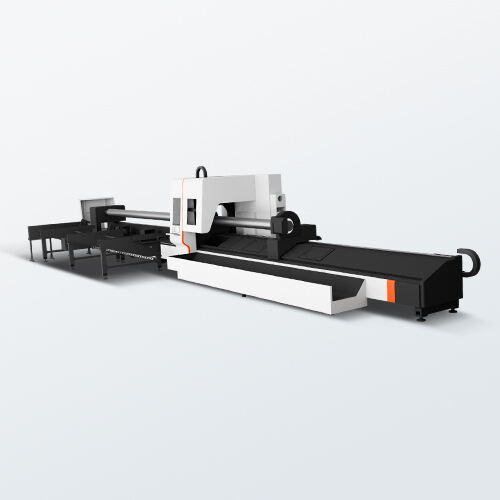
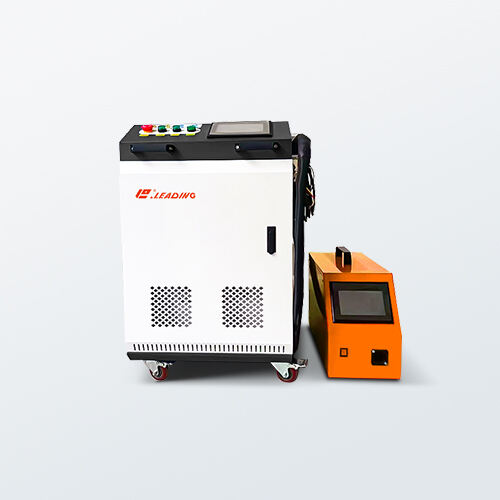
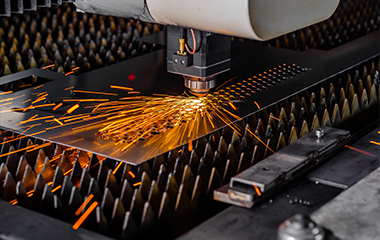
The portable laser cutting machine for metal represents a revolutionary advancement in precision manufacturing technology, offering unprecedented flexibility and efficiency for metalworking operations. This innovative equipment combines the power of laser technology with mobility features, enabling users to perform high-quality cutting tasks directly at job sites or in diverse workshop environments. The portable laser cutting machine for metal delivers exceptional precision, typically achieving cutting tolerances within 0.1mm, making it ideal for applications requiring exact specifications. The machine operates using a focused laser beam that melts, burns, or vaporizes metal materials through controlled thermal processes. Key technological features include advanced fiber laser sources that generate consistent beam quality, sophisticated cooling systems that maintain optimal operating temperatures, and intuitive control interfaces that simplify operation procedures. The equipment incorporates automatic height sensing technology that maintains consistent cutting distance, ensuring uniform results across varying material thicknesses. Modern portable laser cutting machines for metal feature compact designs weighing between 50-150 kg, making them significantly lighter than traditional stationary systems while maintaining professional-grade performance capabilities. These machines accommodate various metal types including stainless steel, carbon steel, aluminum, brass, and copper, with thickness capacities ranging from 0.5mm to 25mm depending on material density and laser power specifications. The cutting speed varies based on material properties and thickness, typically ranging from 0.5 to 15 meters per minute. Applications span multiple industries including automotive repair, construction, shipbuilding, HVAC installation, metal fabrication, jewelry making, and prototyping services. The portable laser cutting machine for metal proves particularly valuable for on-site modifications, emergency repairs, custom fabrication projects, and small-batch production runs where traditional cutting methods would be impractical or cost-prohibitive.

 EN
EN