Advanced Technology Integration That Drives Competitive Pricing
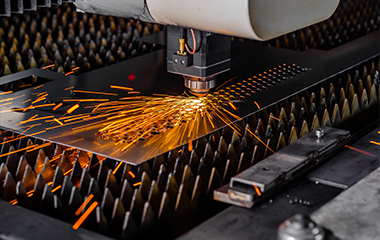
The stainless steel laser cutting price benefits significantly from advanced technology integration that optimizes operational efficiency while delivering superior results through automated systems and intelligent processing capabilities. State-of-the-art fiber laser sources provide exceptional beam quality with wall-plug efficiencies exceeding 30 percent, dramatically reducing energy consumption compared to older laser technologies while maintaining higher cutting speeds and improved cut quality. Integrated CAD/CAM software platforms streamline the entire production workflow from design import through finished part delivery, eliminating manual programming errors and reducing setup times that traditionally inflated processing costs. Automatic material handling systems minimize labor requirements while ensuring consistent material positioning and reducing cycle times between jobs, contributing to competitive pricing through improved operational efficiency. Real-time monitoring systems track cutting performance parameters including power output, cutting speed, assist gas pressure, and focal position, making continuous adjustments to maintain optimal processing conditions throughout extended production runs. Advanced sensors detect material variations, surface conditions, and cutting anomalies, automatically adjusting parameters or alerting operators to prevent quality issues before they impact production schedules or material waste. Predictive maintenance algorithms analyze machine performance data to schedule maintenance activities proactively, minimizing unexpected downtime that could disrupt production schedules and increase costs. Integration with enterprise resource planning systems enables automatic job scheduling, material tracking, and cost accounting that streamlines administrative overhead while providing accurate project cost analysis. Automated nesting software optimizes material utilization by intelligently arranging parts to minimize waste while considering cutting sequence optimization that reduces processing time and tool wear. Remote monitoring capabilities allow expert technicians to provide real-time support and parameter adjustments without on-site visits, ensuring consistent performance while reducing service costs. The technology integration extends to quality assurance through automated measurement systems that verify dimensional accuracy during or immediately after cutting, preventing costly quality issues from progressing through subsequent manufacturing operations. Cloud-based data analytics provide insights into operational performance trends, enabling continuous improvement initiatives that drive down costs while improving service quality. These technological advantages compound to create a competitive stainless steel laser cutting price structure that reflects reduced operational costs, improved efficiency, minimized waste, and enhanced quality assurance capabilities that traditional cutting methods cannot match in terms of overall value proposition.

 EN
EN