Advanced CNC Laser Sheet Metal Cutting Services - Precision Manufacturing Solutions

All Categories

Get a Free Quote

Our representative will contact you soon.
Name
Mobile
Email
Company Name
Message
0/1000

cnc laser sheet metal cutting

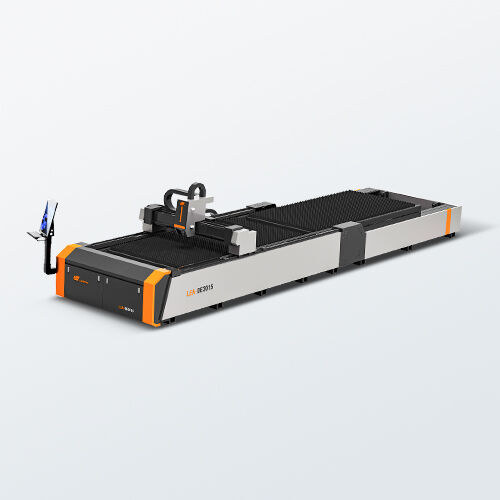
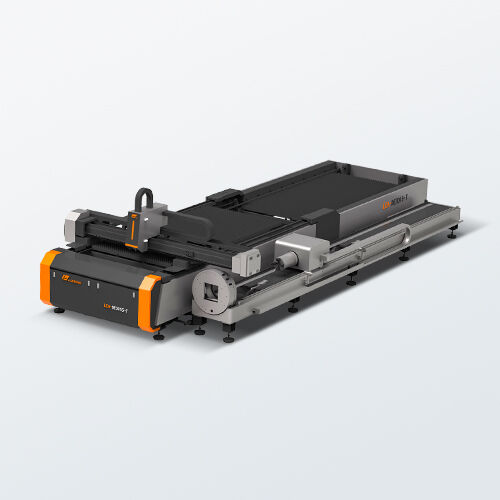
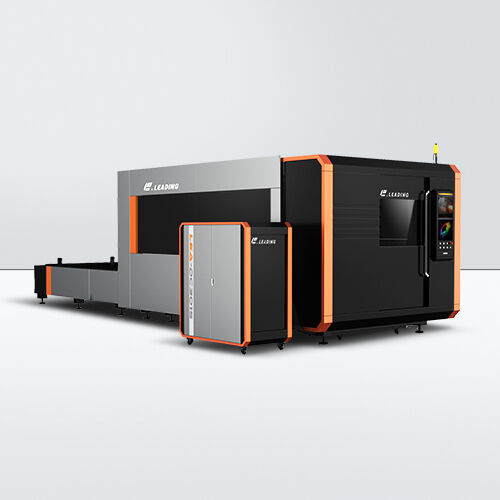
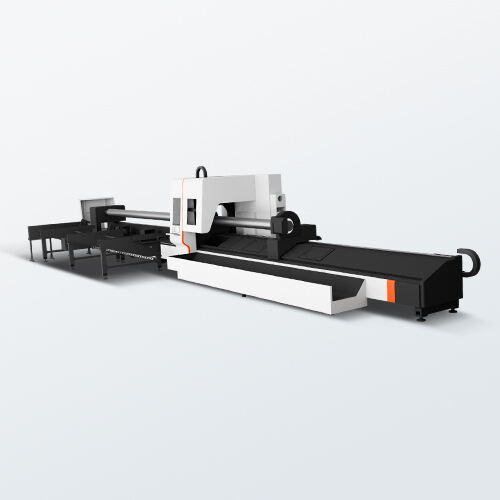
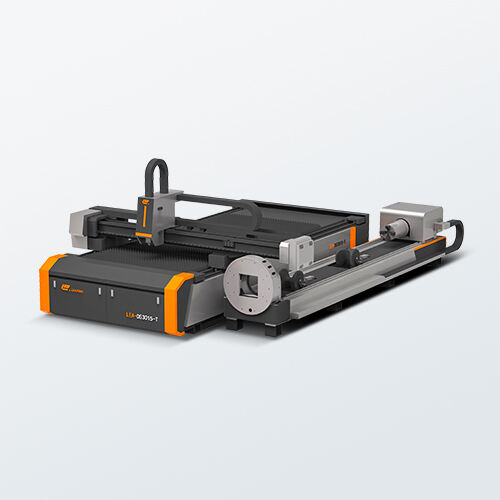
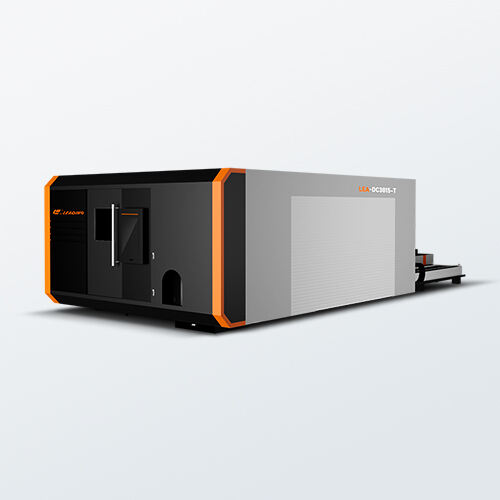
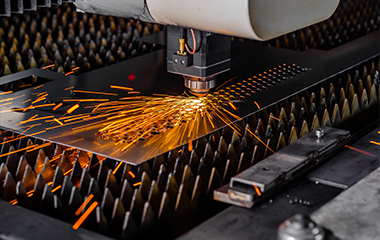
CNC laser sheet metal cutting represents a revolutionary manufacturing technology that combines computer numerical control systems with high-powered laser beams to achieve precise, efficient metal fabrication. This advanced cutting method utilizes concentrated laser energy to melt, vaporize, or burn through sheet metal materials with exceptional accuracy and speed. The CNC laser sheet metal cutting process operates through sophisticated software that controls the laser head movement, power settings, and cutting parameters to produce intricate designs and complex geometries that would be challenging or impossible with traditional cutting methods. The technology integrates powerful fiber or CO2 lasers with automated positioning systems, creating a seamless workflow that transforms digital designs into physical metal components. Modern CNC laser sheet metal cutting systems feature advanced beam delivery mechanisms, precision optical components, and real-time monitoring capabilities that ensure consistent cutting quality across various material thicknesses and types. The primary functions of CNC laser sheet metal cutting include profile cutting, piercing, engraving, and marking operations on diverse metal substrates including stainless steel, aluminum, carbon steel, copper, and specialty alloys. Technological features encompass automated material handling systems, dynamic focus control, adaptive cutting parameters, and intelligent nesting software that optimizes material utilization. The cutting process generates minimal heat-affected zones, preserves material integrity, and eliminates the need for secondary finishing operations in many applications. CNC laser sheet metal cutting finds extensive applications across automotive manufacturing, aerospace components, electronics enclosures, architectural panels, medical device fabrication, industrial machinery parts, decorative metalwork, and prototype development. The versatility of this technology enables manufacturers to process materials ranging from thin foils to thick plates while maintaining superior edge quality and dimensional accuracy throughout the production cycle.


New Products

CNC laser sheet metal cutting delivers exceptional precision that surpasses traditional cutting methods, achieving tolerances as tight as plus or minus 0.1mm consistently across production runs. This remarkable accuracy eliminates costly rework and reduces material waste significantly, translating into immediate cost savings for manufacturers. The technology operates at impressive speeds, completing complex cuts in minutes rather than hours, which dramatically increases production throughput and reduces labor costs. Unlike mechanical cutting processes, CNC laser sheet metal cutting produces smooth, burr-free edges that often require no secondary finishing, saving both time and additional processing expenses. The non-contact nature of laser cutting prevents tool wear and eliminates the recurring costs associated with blade replacement and maintenance found in conventional cutting methods. Manufacturers benefit from incredible design flexibility since CNC laser sheet metal cutting can execute intricate patterns, tight radius corners, and complex internal features without requiring specialized tooling or lengthy setup procedures. The technology accommodates rapid design changes and customization requests without incurring additional tooling costs, making it ideal for both prototype development and small-batch production. Material versatility represents another significant advantage, as CNC laser sheet metal cutting processes various metals and thicknesses using the same equipment setup. This capability reduces the need for multiple machines and specialized equipment, lowering capital investment requirements and floor space utilization. The automated nature of CNC laser sheet metal cutting reduces operator intervention, minimizing human error and ensuring consistent quality across all produced parts. Energy efficiency has improved substantially in modern systems, reducing operational costs while maintaining superior cutting performance. The technology generates minimal waste heat and requires no consumable cutting tools, further reducing operating expenses. Quality control benefits include real-time monitoring systems that detect and correct cutting parameters automatically, ensuring consistent results and reducing quality-related rejections. The clean cutting process produces minimal environmental impact compared to chemical or mechanical alternatives, supporting sustainable manufacturing practices while meeting increasingly strict environmental regulations.

Latest News

5 Undeniable Advantages of Fiber Laser Cutters Over CO2 & Plasma

20

Oct

5 Undeniable Advantages of Fiber Laser Cutters Over CO2 & Plasma

View More
Beyond Metal: Fiber Laser Cutting in Aerospace & Automotive Composites

20

Oct

Beyond Metal: Fiber Laser Cutting in Aerospace & Automotive Composites

View More
Your 5-Point Checklist for Choosing the Right Fiber Laser Cutter

20

Oct

Your 5-Point Checklist for Choosing the Right Fiber Laser Cutter

View More

Get a Free Quote

Our representative will contact you soon.
Name
Mobile
Email
Company Name
Message
0/1000

cnc laser sheet metal cutting

Unmatched Precision and Repeatability

Unmatched Precision and Repeatability

CNC laser sheet metal cutting stands apart from conventional fabrication methods through its extraordinary precision capabilities that consistently deliver dimensional accuracy within microscopic tolerances. The technology achieves this remarkable precision through advanced beam control systems that maintain consistent focal points and cutting parameters throughout the entire cutting process. Unlike traditional mechanical cutting methods that rely on physical contact and are subject to tool wear and deflection, CNC laser sheet metal cutting utilizes concentrated photon energy that remains perfectly consistent across unlimited cutting cycles. The precision advantage extends beyond simple dimensional accuracy to include exceptional edge quality characteristics that eliminate downstream finishing requirements in most applications. The laser beam creates smooth, perpendicular cuts with minimal heat-affected zones, preserving the structural integrity of the base material while achieving surface finishes that meet or exceed traditional machining standards. This precision capability enables manufacturers to produce complex assemblies with perfect fit and finish, reducing assembly time and eliminating the need for manual adjustments or rework operations. The repeatability factor proves especially valuable in high-volume production scenarios where consistency across thousands of identical parts becomes crucial for maintaining quality standards and meeting customer specifications. CNC laser sheet metal cutting systems maintain their precision capabilities regardless of production volume, ensuring that the first part matches the last part with identical dimensional characteristics and edge quality. Advanced feedback systems continuously monitor cutting parameters and automatically compensate for minor variations in material thickness, composition, or environmental conditions, maintaining consistent results throughout extended production runs. The precision advantages translate directly into cost savings through reduced scrap rates, eliminated rework requirements, and improved assembly efficiency. Manufacturers report significant improvements in downstream operations such as welding, bending, and finishing processes due to the superior edge quality and dimensional accuracy achieved through CNC laser sheet metal cutting technology.
Superior Speed and Efficiency

Superior Speed and Efficiency

The speed advantages of CNC laser sheet metal cutting revolutionize traditional manufacturing timelines by completing complex cutting operations in fractions of the time required by conventional methods. Modern fiber laser systems achieve cutting speeds that exceed traditional plasma or mechanical cutting methods by factors of two to five times, depending on material thickness and complexity. This dramatic speed improvement stems from the instantaneous nature of laser energy application and the absence of physical tool engagement that characterizes mechanical cutting processes. The efficiency gains compound when considering the elimination of tool changes, setup adjustments, and secondary operations typically required with conventional cutting methods. CNC laser sheet metal cutting maintains consistent high speeds across varying material types and thicknesses, unlike mechanical methods that require speed reductions for harder materials or increased thicknesses. The technology enables rapid acceleration and deceleration during direction changes, maintaining optimal cutting speeds through tight corners and intricate geometries that would force mechanical systems to operate at reduced speeds. Advanced cutting algorithms optimize the cutting path to minimize non-productive travel time while ensuring optimal cutting quality throughout the process. The speed advantages extend beyond raw cutting velocity to include rapid setup and changeover capabilities that eliminate lengthy preparation periods between different jobs or part geometries. CNC laser sheet metal cutting systems can transition between different cutting programs in seconds rather than hours, enabling efficient processing of small batches and custom orders without productivity penalties. The combination of high cutting speeds and rapid changeover capabilities enables manufacturers to achieve higher machine utilization rates and improved return on investment compared to traditional cutting equipment. Production scheduling becomes more flexible since CNC laser sheet metal cutting can accommodate rush orders and last-minute changes without disrupting overall production flow. The efficiency improvements translate into reduced labor costs, improved delivery times, and enhanced customer satisfaction through faster response to market demands and changing requirements.
Exceptional Material Versatility and Cost Effectiveness

Exceptional Material Versatility and Cost Effectiveness

CNC laser sheet metal cutting demonstrates remarkable versatility in processing diverse materials and thicknesses using a single equipment platform, eliminating the need for multiple specialized machines and reducing capital investment requirements. This technology effortlessly transitions between stainless steel, aluminum, carbon steel, copper, titanium, and exotic alloys without requiring tool changes or extensive setup modifications. The versatility extends across thickness ranges from ultra-thin foils measuring less than 0.5mm to substantial plates exceeding 25mm thickness, providing manufacturers with comprehensive cutting capabilities that address virtually any sheet metal fabrication requirement. The cost effectiveness of CNC laser sheet metal cutting emerges from multiple factors including reduced tooling expenses, minimal material waste, and eliminated secondary operations. Unlike mechanical cutting methods that require expensive consumable tools and regular replacement schedules, laser cutting utilizes only electrical energy and assist gases, dramatically reducing ongoing operational costs. The precision cutting capabilities minimize material waste through optimized nesting algorithms that maximize material utilization and reduce scrap generation. Advanced software automatically arranges parts to achieve maximum material efficiency while maintaining optimal cutting sequences and quality parameters. The elimination of secondary finishing operations represents significant cost savings since CNC laser sheet metal cutting produces finished edges that meet final specifications without additional processing. Traditional cutting methods often require grinding, deburring, or machining operations to achieve acceptable edge quality, adding time and expense to the manufacturing process. The non-contact nature of laser cutting prevents work hardening and material distortion, preserving the original material properties and eliminating stress-relief treatments. Maintenance costs remain minimal since laser cutting systems have fewer moving parts and consumable components compared to mechanical cutting equipment. The reliability and consistency of CNC laser sheet metal cutting reduce quality-related costs through lower rejection rates and improved first-pass yield. Energy efficiency improvements in modern fiber laser systems further enhance cost effectiveness through reduced electrical consumption and improved cutting speeds that increase overall productivity while minimizing operational expenses per processed part.

Get a Free Quote

Our representative will contact you soon.
Name
Mobile
Email
Company Name
Message
0/1000