Intelligent Automation and Smart Manufacturing Integration
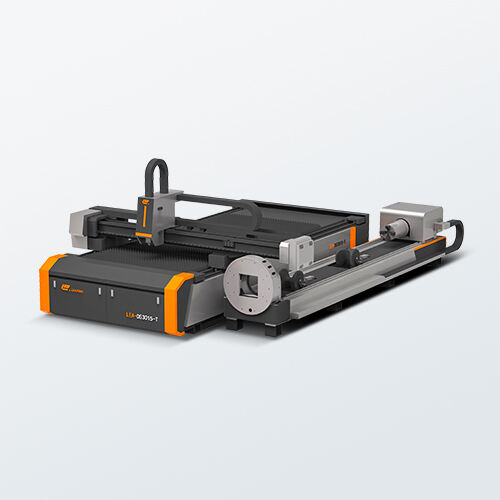
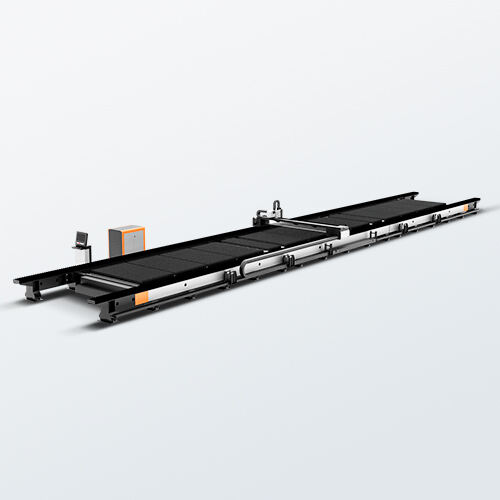
Intelligent automation capabilities embedded within contemporary laser cutting machine design revolutionize manufacturing workflows by seamlessly integrating artificial intelligence, machine learning algorithms, and Industry 4.0 connectivity features. These sophisticated systems automatically optimize cutting parameters based on material type, thickness, and desired edge quality, eliminating guesswork and reducing setup time significantly. The smart laser cutting machine design incorporates adaptive control systems that monitor cutting conditions in real-time and make instantaneous adjustments to maintain optimal performance throughout the cutting process. Advanced sensor arrays detect material variations, surface conditions, and potential quality issues before they affect the final product, ensuring consistent results across entire production runs. Machine learning algorithms analyze historical cutting data to predict optimal parameters for new jobs, continuously improving performance and efficiency over time. The integration of vision systems within the laser cutting machine design enables automatic part recognition, nesting optimization, and quality inspection without human intervention. These systems can detect and compensate for material distortions, ensuring accurate cutting even on warped or irregularly shaped sheets. Remote monitoring capabilities allow operators to oversee multiple machines simultaneously and receive real-time notifications about job completion, maintenance requirements, or potential issues. The smart laser cutting machine design includes predictive maintenance features that analyze vibration patterns, temperature variations, and power consumption to forecast component replacement needs before failures occur. This proactive approach minimizes unexpected downtime and reduces maintenance costs while maximizing equipment availability. Inventory management integration automatically updates material usage records and triggers reorder notifications when stock levels reach predetermined thresholds. The seamless connectivity with enterprise resource planning systems enables real-time production tracking, cost analysis, and delivery schedule optimization. Cloud-based data analytics provide insights into production efficiency, energy consumption patterns, and equipment utilization rates, enabling data-driven decisions for continuous improvement initiatives.

 EN
EN