Advanced Fiber Optic Laser Machine Technology - Precision Manufacturing Solutions

All Categories

Get a Free Quote

Our representative will contact you soon.
Name
Mobile
Email
Company Name
Message
0/1000

fiber optic laser machine

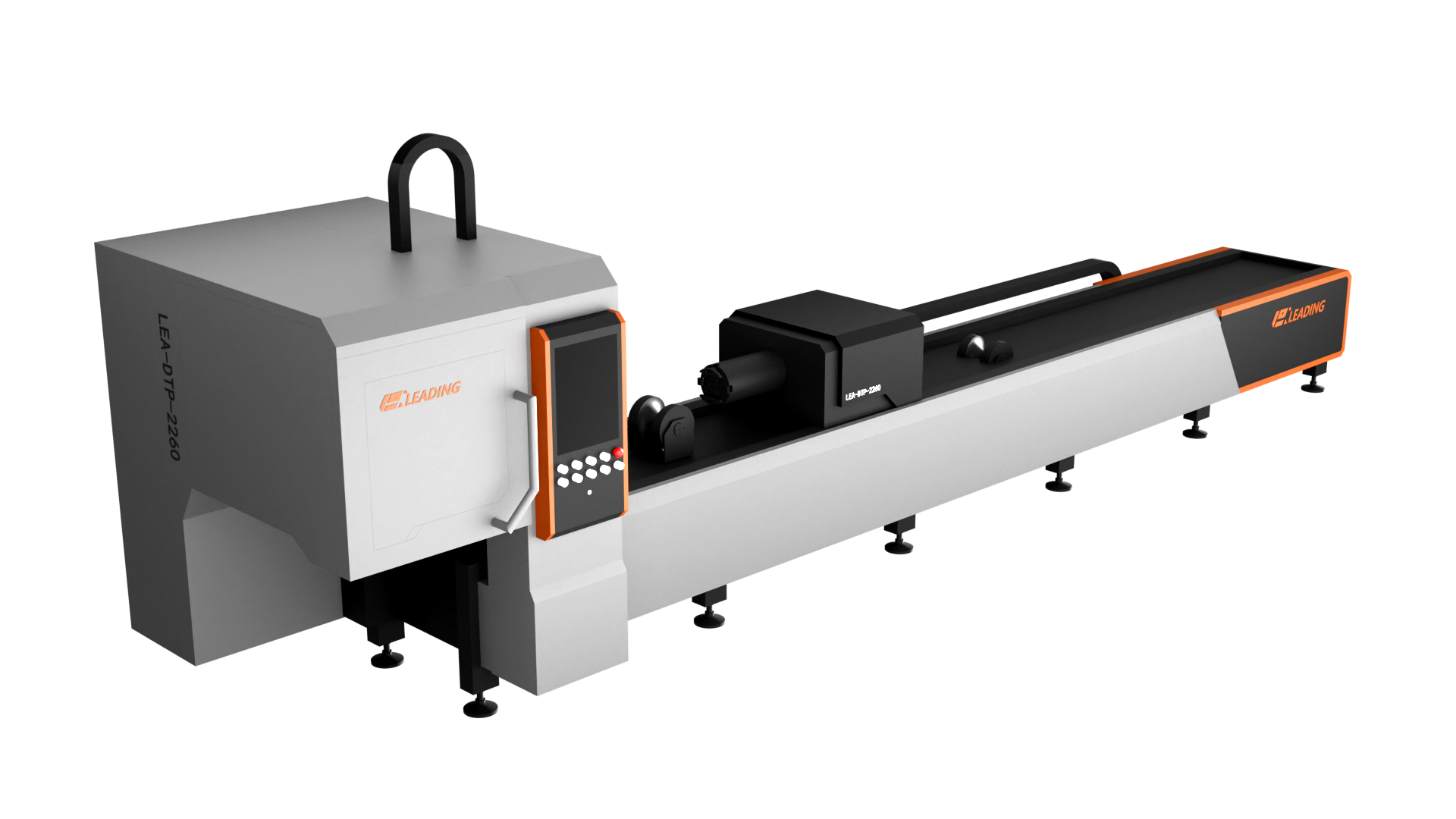
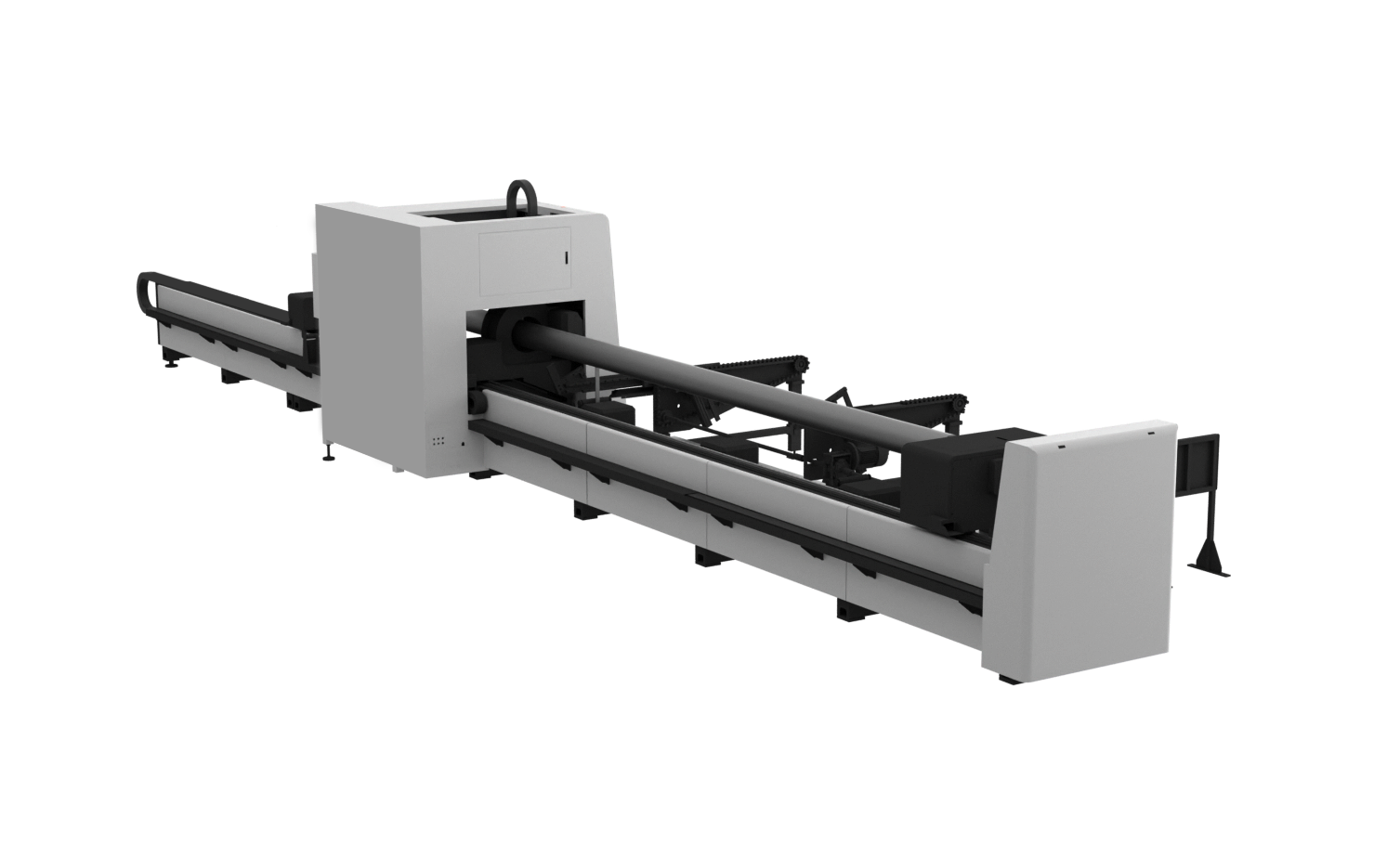
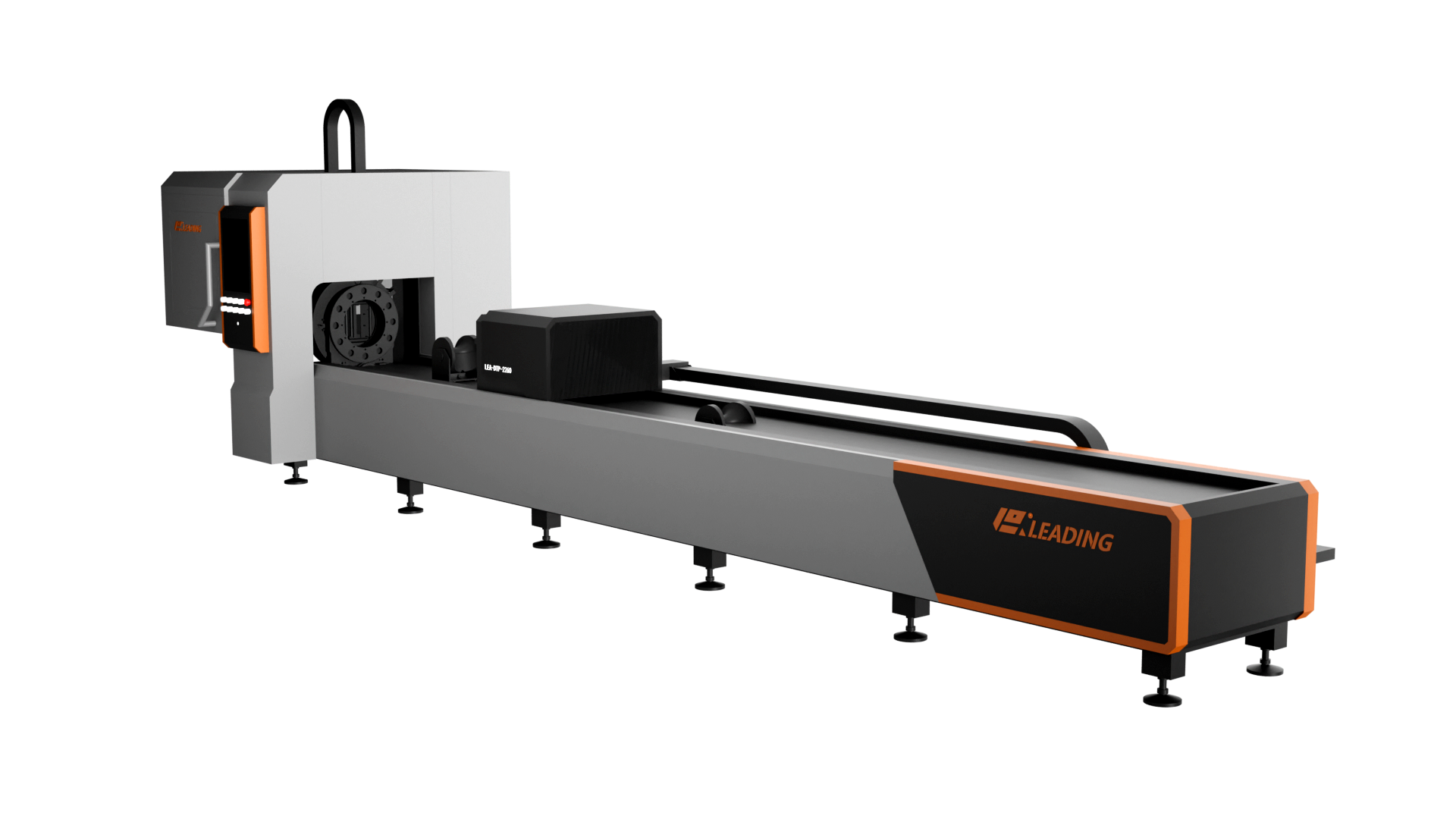
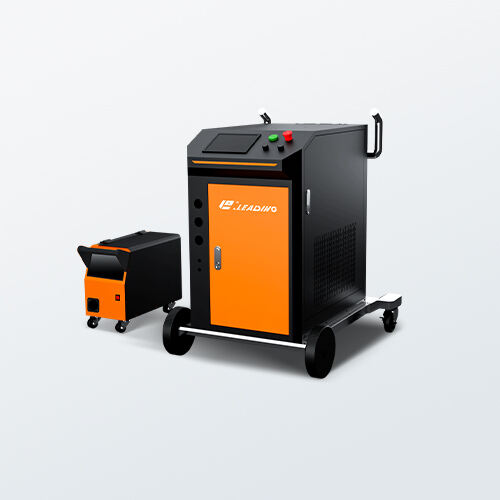
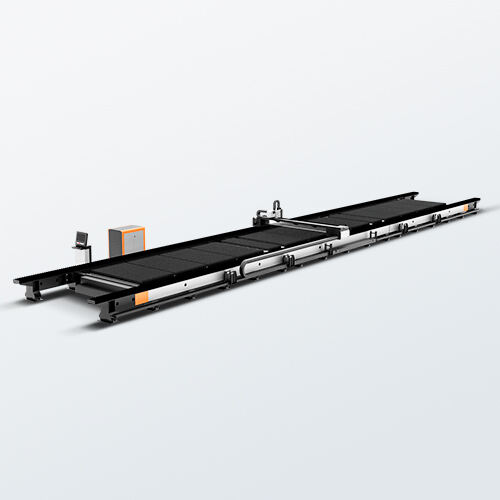
A fiber optic laser machine represents cutting-edge technology that harnesses the power of concentrated light beams to perform precise material processing tasks. This advanced equipment utilizes fiber optic cables to deliver laser energy with exceptional accuracy and efficiency. The core technology revolves around generating intense light through stimulated emission, which travels through specially designed optical fibers to reach the work surface with minimal energy loss. The fiber optic laser machine operates by converting electrical energy into coherent light beams that can cut, engrave, weld, and mark various materials with microscopic precision. These machines feature sophisticated control systems that allow operators to adjust power levels, speed settings, and beam focus to achieve desired results across different applications. The main functions include material cutting for industries ranging from automotive to electronics, surface engraving for product identification and decoration, welding operations for joining metal components, and marking tasks for traceability purposes. Technological features encompass high-powered laser sources capable of generating thousands of watts, computerized numerical control systems for automated operation, and advanced cooling mechanisms to maintain optimal performance. The fiber optic delivery system ensures consistent beam quality over long distances while minimizing maintenance requirements. Modern fiber optic laser machine models incorporate user-friendly interfaces with touchscreen controls, real-time monitoring capabilities, and safety interlocks to protect operators. These machines excel in processing metals, plastics, ceramics, and composite materials with thicknesses ranging from thin films to substantial plates. The applications span across manufacturing sectors including aerospace, medical device production, jewelry making, signage creation, and prototype development. Industries rely on fiber optic laser machine technology for its ability to produce clean cuts without mechanical stress, create intricate patterns impossible with conventional tools, and maintain consistent quality throughout production runs. The versatility of these systems makes them indispensable for both high-volume manufacturing and custom fabrication projects.

New Product Recommendations

The fiber optic laser machine delivers remarkable cost savings through reduced operational expenses and minimal waste generation. Unlike traditional cutting methods that require expensive consumable tools and frequent replacements, this technology operates with virtually no wear parts, significantly lowering long-term maintenance costs. Energy efficiency stands as a primary advantage, as fiber optic laser machine systems convert electrical power to laser output with exceptional efficiency rates exceeding 30 percent, substantially better than alternative laser technologies. This translates to lower electricity bills and reduced environmental impact for businesses prioritizing sustainability. Speed represents another compelling benefit, with fiber optic laser machine capabilities enabling rapid processing that dramatically increases productivity. These machines complete cutting tasks in fraction of the time required by mechanical methods, allowing manufacturers to meet tight deadlines and handle larger order volumes. Precision accuracy reaches microscopic levels, ensuring consistent quality that meets the most demanding specifications. The fiber optic laser machine produces smooth edges that often eliminate secondary finishing operations, saving additional time and labor costs. Versatility emerges as a significant advantage, as single fiber optic laser machine units can handle diverse materials and applications without requiring tool changes or extensive setup modifications. This flexibility reduces equipment investment needs and simplifies production planning. Safety improvements make fiber optic laser machine operation significantly safer than conventional alternatives, as the enclosed beam path and automated controls minimize operator exposure to hazards. The contactless nature of laser processing eliminates risks associated with mechanical cutting tools and reduces workplace injuries. Maintenance requirements remain minimal due to the solid-state design of fiber optic laser machine components, with most systems requiring only periodic cleaning and basic upkeep. This reliability ensures maximum uptime and consistent production schedules. Quality control benefits include repeatable results that eliminate variations common in manual processes, while the digital control systems enable precise documentation and traceability. Environmental advantages include reduced material waste through optimized cutting patterns and elimination of chemical processing requirements. The fiber optic laser machine technology also supports lean manufacturing principles by reducing inventory needs for cutting tools and consumables.

Tips And Tricks

5 Undeniable Advantages of Fiber Laser Cutters Over CO2 & Plasma

20

Oct

5 Undeniable Advantages of Fiber Laser Cutters Over CO2 & Plasma

View More
Beyond Metal: Fiber Laser Cutting in Aerospace & Automotive Composites

20

Oct

Beyond Metal: Fiber Laser Cutting in Aerospace & Automotive Composites

View More
Your 5-Point Checklist for Choosing the Right Fiber Laser Cutter

20

Oct

Your 5-Point Checklist for Choosing the Right Fiber Laser Cutter

View More

Get a Free Quote

Our representative will contact you soon.
Name
Mobile
Email
Company Name
Message
0/1000

fiber optic laser machine

Unmatched Precision and Quality Control

Unmatched Precision and Quality Control

The fiber optic laser machine achieves precision levels that surpass conventional manufacturing methods by delivering beam focus diameters as small as 0.1 millimeters, enabling intricate cuts and detailed engravings that would be impossible with mechanical tools. This exceptional accuracy stems from the stable beam characteristics inherent in fiber optic delivery systems, which maintain consistent power density and beam quality throughout the entire processing area. The precision capabilities of a fiber optic laser machine translate directly into superior part quality, with edge roughness measurements often achieving mirror-like finishes that eliminate the need for secondary machining operations. This level of accuracy proves invaluable for industries requiring tight tolerances, such as medical device manufacturing where component dimensions must meet stringent regulatory standards. The repeatability factor ensures that every part produced by the fiber optic laser machine matches specifications exactly, reducing quality control inspection time and minimizing rejection rates. Advanced beam control systems allow operators to adjust focus position dynamically during processing, enabling the creation of complex three-dimensional profiles and variable-depth engravings. The thermal control inherent in fiber optic laser machine operation prevents material distortion and maintains dimensional stability even when processing thin materials susceptible to warping. This precision extends to material utilization efficiency, as the narrow kerf width minimizes waste while maximizing the number of parts that can be produced from each sheet of raw material. Quality consistency remains constant regardless of production volume, whether manufacturing single prototypes or thousands of identical components. The digital nature of fiber optic laser machine controls enables precise documentation of processing parameters, supporting quality management systems and providing traceability for critical applications. Manufacturers benefit from reduced inspection requirements and lower scrap rates, while customers receive products with superior finish quality and dimensional accuracy that enhances their own manufacturing processes and final product performance.
Superior Energy Efficiency and Environmental Benefits

Superior Energy Efficiency and Environmental Benefits

Modern fiber optic laser machine technology revolutionizes industrial energy consumption through breakthrough efficiency improvements that significantly reduce operational costs while supporting environmental sustainability goals. The electrical-to-optical conversion efficiency of fiber optic laser machine systems reaches levels exceeding 30 percent, representing a dramatic improvement over traditional CO2 laser systems that typically achieve only 10-15 percent efficiency. This enhanced efficiency means that fiber optic laser machine operation requires substantially less electrical power to accomplish the same amount of work, resulting in lower utility bills and reduced carbon footprint for manufacturing facilities. The environmental advantages extend beyond energy savings, as fiber optic laser machine processing eliminates the need for chemical etching solutions, cutting oils, and other consumable materials that require disposal and can harm the environment. The contactless nature of laser processing means no physical tool wear occurs, eliminating metal waste from worn cutting tools and reducing the frequency of tool replacement and disposal. Heat-affected zones remain minimal during fiber optic laser machine operation, preserving material properties and reducing the thermal stress that can lead to part distortion or cracking. This controlled thermal input enables processing of heat-sensitive materials without damage, expanding application possibilities while maintaining material integrity. The precision cutting capability of fiber optic laser machine systems optimizes material utilization by enabling tight nesting patterns that minimize waste generation. Advanced software calculates optimal cutting paths that reduce processing time while maximizing material yield, contributing to both cost savings and waste reduction. Maintenance requirements for fiber optic laser machine equipment remain minimal due to the solid-state design of fiber laser sources, which contain no gas fills, mirrors requiring alignment, or other consumable components typical of alternative laser technologies. This reliability reduces maintenance-related waste and extends equipment service life, supporting sustainable manufacturing practices while ensuring consistent production capability and minimal downtime.
Exceptional Versatility and Operational Flexibility

Exceptional Versatility and Operational Flexibility

The fiber optic laser machine stands out for its remarkable ability to process an extensive range of materials and applications with minimal setup changes, making it an ideal solution for diverse manufacturing requirements and rapid production transitions. This versatility enables manufacturers to handle various metals including stainless steel, carbon steel, aluminum, copper, brass, and titanium, as well as non-metallic materials such as plastics, ceramics, composites, and even some organic materials. The adaptability of fiber optic laser machine technology allows for seamless switching between cutting, engraving, welding, and marking operations through simple parameter adjustments, eliminating the need for multiple specialized machines and reducing capital equipment investment. Thickness processing capabilities range from ultra-thin foils measuring micrometers to substantial plates several centimeters thick, providing manufacturers with the flexibility to handle diverse customer requirements using a single fiber optic laser machine system. The programmable nature of these machines enables rapid job changes through stored parameter sets, allowing operators to switch between different materials and applications in minutes rather than hours required for conventional equipment setup. Batch size flexibility represents another significant advantage, as fiber optic laser machine systems handle single prototype parts with the same efficiency as high-volume production runs, supporting both custom fabrication and mass manufacturing requirements. The compact design of fiber optic laser machine installations maximizes floor space utilization while providing access to the full range of processing capabilities, making these systems suitable for both large manufacturing facilities and smaller job shops with limited space. Integration capabilities enable seamless connection with existing manufacturing systems, including material handling equipment, quality control systems, and production management software. The modular design approach allows for system expansion and capability enhancement as business requirements evolve, protecting initial equipment investments while providing growth flexibility. Remote monitoring and control capabilities enable fiber optic laser machine operation from multiple locations, supporting modern manufacturing concepts such as lights-out production and remote diagnostics. This operational flexibility reduces labor requirements while maintaining production capability during off-hours, maximizing equipment utilization and return on investment for manufacturing operations.


Get a Free Quote

Our representative will contact you soon.
Name
Mobile
Email
Company Name
Message
0/1000