
 EN
EN
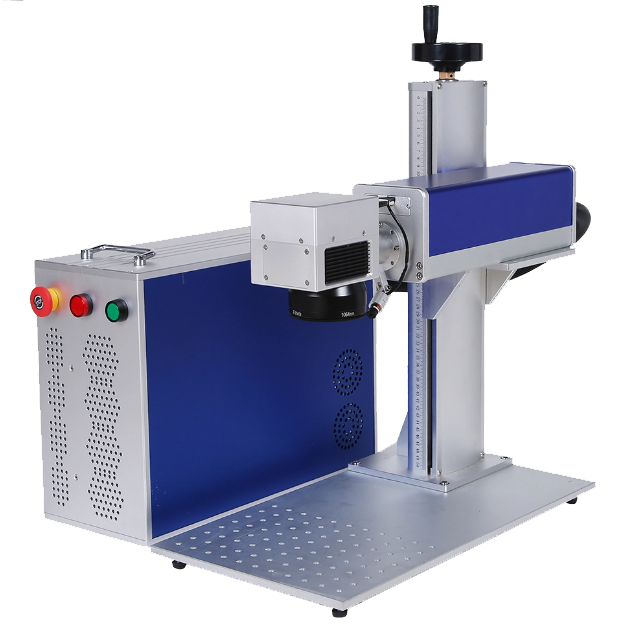
The precision and efficiency of laser marking metal have revolutionized manufacturing processes across industries in 2025. This advanced technology uses concentrated laser beams to create permanent markings on various metal surfaces without requiring direct contact or chemical processes. Modern laser marking metal systems deliver exceptional accuracy while maintaining the structural integrity of the base material, making them indispensable for applications ranging from aerospace components to medical devices.
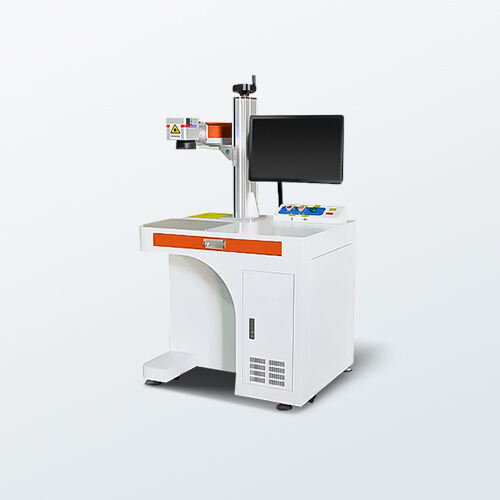
Understanding the Laser Marking Process
Fundamental Principles of Laser Interaction
The process of laser marking metal operates on the principle of controlled thermal energy transfer from a focused laser beam to the metal surface. When the laser beam contacts the metal, it rapidly heats a microscopic area, causing localized material modification. This thermal interaction can result in several marking mechanisms, including surface oxidation, material ablation, or color change, depending on the laser parameters and metal type.
The wavelength of the laser plays a crucial role in determining the absorption characteristics of different metals. Fiber lasers operating at 1064 nanometers are particularly effective for laser marking metal applications because most metals exhibit high absorption rates at this wavelength. The focused beam creates a heat-affected zone that is typically less than 50 micrometers in depth, ensuring minimal impact on the surrounding material structure.
Types of Laser Marking Mechanisms
Annealing represents one of the most sophisticated laser marking metal techniques, particularly effective on stainless steel and titanium. This process heats the metal surface below its melting point, causing controlled oxidation that creates a visible color change without removing material. The resulting marks are smooth and maintain the original surface texture while providing excellent readability.
Engraving involves removing material from the metal surface through vaporization, creating recessed marks with varying depths. This laser marking metal method produces highly durable markings that remain visible even under extreme environmental conditions. The depth of engraving can be precisely controlled by adjusting laser power and processing speed.
Advanced Technologies in Modern Laser Marking
Fiber Laser Technology Evolution
Contemporary laser marking metal systems predominantly utilize fiber laser technology, which offers superior beam quality and energy efficiency compared to traditional CO2 lasers. These systems generate laser light through rare-earth-doped optical fibers, producing exceptionally stable and focused beams ideal for precision marking applications.
The compact design of fiber laser systems enables integration into automated production lines while maintaining consistent marking quality. Modern units feature advanced beam control systems that can dynamically adjust focus and power distribution across the marking field, ensuring uniform results regardless of surface variations or part positioning.
Pulse Control and Beam Shaping
Advanced pulse control mechanisms in modern laser marking metal equipment allow for precise energy delivery optimization. Short pulse durations minimize heat transfer to surrounding material, reducing thermal stress and maintaining dimensional accuracy. Variable pulse frequency control enables adaptation to different metal types and marking requirements.
Beam shaping technologies further enhance laser marking metal capabilities by creating custom intensity profiles that optimize marking uniformity. Galvanometer scanning systems provide rapid beam positioning with exceptional accuracy, enabling complex pattern marking at high production speeds while maintaining consistent quality standards.
Material Compatibility and Processing Parameters
Ferrous Metal Applications
Steel and iron alloys respond exceptionally well to laser marking metal processes due to their favorable absorption characteristics and thermal properties. Carbon steel develops distinct oxidation patterns under controlled laser exposure, creating high-contrast markings that resist wear and corrosion. Stainless steel grades exhibit excellent annealing responses, producing vibrant color variations through controlled oxide layer formation.
Tool steels and hardened alloys require careful parameter optimization for effective laser marking metal operations. The high carbon content and complex microstructures demand precise power control to avoid undesirable metallurgical changes. Proper parameter selection ensures marking quality while preserving the mechanical properties of these critical materials.
Non-Ferrous Metal Processing
Aluminum and its alloys present unique challenges for laser marking metal applications due to their high thermal conductivity and reflectivity. Advanced fiber laser systems overcome these limitations through optimized wavelength selection and pulse characteristics, creating permanent markings through controlled surface texturing and oxidation.
Copper-based materials require specialized approaches for effective laser marking metal results. The high reflectivity of copper necessitates higher power densities and specific pulse parameters to achieve adequate energy absorption. Recent developments in laser technology have significantly improved marking capabilities on these traditionally difficult materials.
Industrial Applications and Quality Standards
Aerospace and Defense Requirements
The aerospace industry demands the highest standards for laser marking metal applications, particularly for component traceability and identification systems. Permanent marking of serial numbers, part numbers, and date codes must withstand extreme temperature variations, vibration, and chemical exposure throughout the component lifecycle.
Military specifications for laser marking metal often require specific mark characteristics including depth, contrast, and durability ratings. Advanced laser systems can achieve these stringent requirements while maintaining the structural integrity and fatigue resistance of critical components such as engine parts and structural elements.
Medical Device Manufacturing
Medical device manufacturing relies heavily on precise laser marking metal techniques for regulatory compliance and patient safety. Surgical instruments, implants, and diagnostic equipment require permanent identification markings that remain legible after repeated sterilization cycles and extended use in demanding environments.
Biocompatible marking solutions ensure that laser marking metal processes do not compromise the surface characteristics or introduce contaminants that could affect patient outcomes. Advanced parameter control enables marking without creating surface irregularities that could harbor bacteria or interfere with device functionality.
Process Optimization and Quality Control
Parameter Development Strategies
Successful laser marking metal operations require systematic parameter development based on material properties, marking requirements, and quality specifications. Power density, pulse frequency, scanning speed, and focus position must be optimized through controlled testing to achieve desired marking characteristics while maintaining process efficiency.
Statistical process control methods help maintain consistent laser marking metal quality by monitoring key parameters and identifying process variations before they affect product quality. Real-time feedback systems can automatically adjust laser parameters to compensate for material variations or environmental changes during production.
Quality Measurement Techniques
Modern quality control systems for laser marking metal incorporate advanced measurement technologies including optical profilometry and contrast analysis. These systems provide quantitative assessment of mark depth, width, and visibility to ensure compliance with specifications and standards.
Automated inspection systems can evaluate marking quality in real-time, rejecting parts that fail to meet specifications and providing immediate feedback for process adjustment. Integration with production management systems enables comprehensive quality tracking and statistical analysis of laser marking metal operations.
Future Developments and Technology Trends
Emerging Laser Technologies
Ultrashort pulse laser systems represent the next generation of laser marking metal technology, offering unprecedented precision and minimal thermal effects. Femtosecond and picosecond laser pulses enable marking with virtually no heat-affected zone, preserving material properties while creating extremely fine features.
Multi-wavelength laser systems provide enhanced versatility for laser marking metal applications by enabling wavelength selection based on material properties and marking requirements. This flexibility allows a single system to process diverse metal types with optimal efficiency and quality.
Industry Integration and Automation
Smart manufacturing integration continues to transform laser marking metal operations through advanced connectivity and data analytics. Internet of Things connectivity enables remote monitoring and predictive maintenance, reducing downtime and optimizing system performance.
Artificial intelligence applications in laser marking metal systems provide adaptive control capabilities that automatically optimize parameters based on real-time feedback and historical performance data. These intelligent systems continuously improve marking quality and efficiency through machine learning algorithms.
FAQ
What types of metals can be processed with laser marking systems
Laser marking metal systems can process virtually all metallic materials including steel, stainless steel, aluminum, titanium, copper, brass, and various alloys. Each material may require specific parameter optimization to achieve optimal marking results. The effectiveness depends on the material's absorption characteristics at the laser wavelength and its thermal properties.
How durable are laser markings on metal surfaces
Laser markings on metal surfaces are extremely durable and permanent. The marks resist wear, corrosion, and environmental exposure because they are created through material modification rather than surface coating. Properly executed laser marking metal processes can produce markings that last the entire lifetime of the component without degradation.
What factors affect the quality of laser marked metals
Several factors influence laser marking metal quality including laser power, pulse frequency, scanning speed, focus position, and material surface condition. Environmental factors such as temperature and humidity can also affect results. Proper parameter optimization and consistent process control are essential for achieving repeatable high-quality markings.
Can laser marking affect the mechanical properties of metals
When properly controlled, laser marking metal processes have minimal impact on mechanical properties. The heat-affected zone is typically very small and localized. However, inappropriate parameters or excessive energy input can cause unwanted metallurgical changes. Careful parameter selection and process validation ensure that marking does not compromise material performance.