
 EN
EN
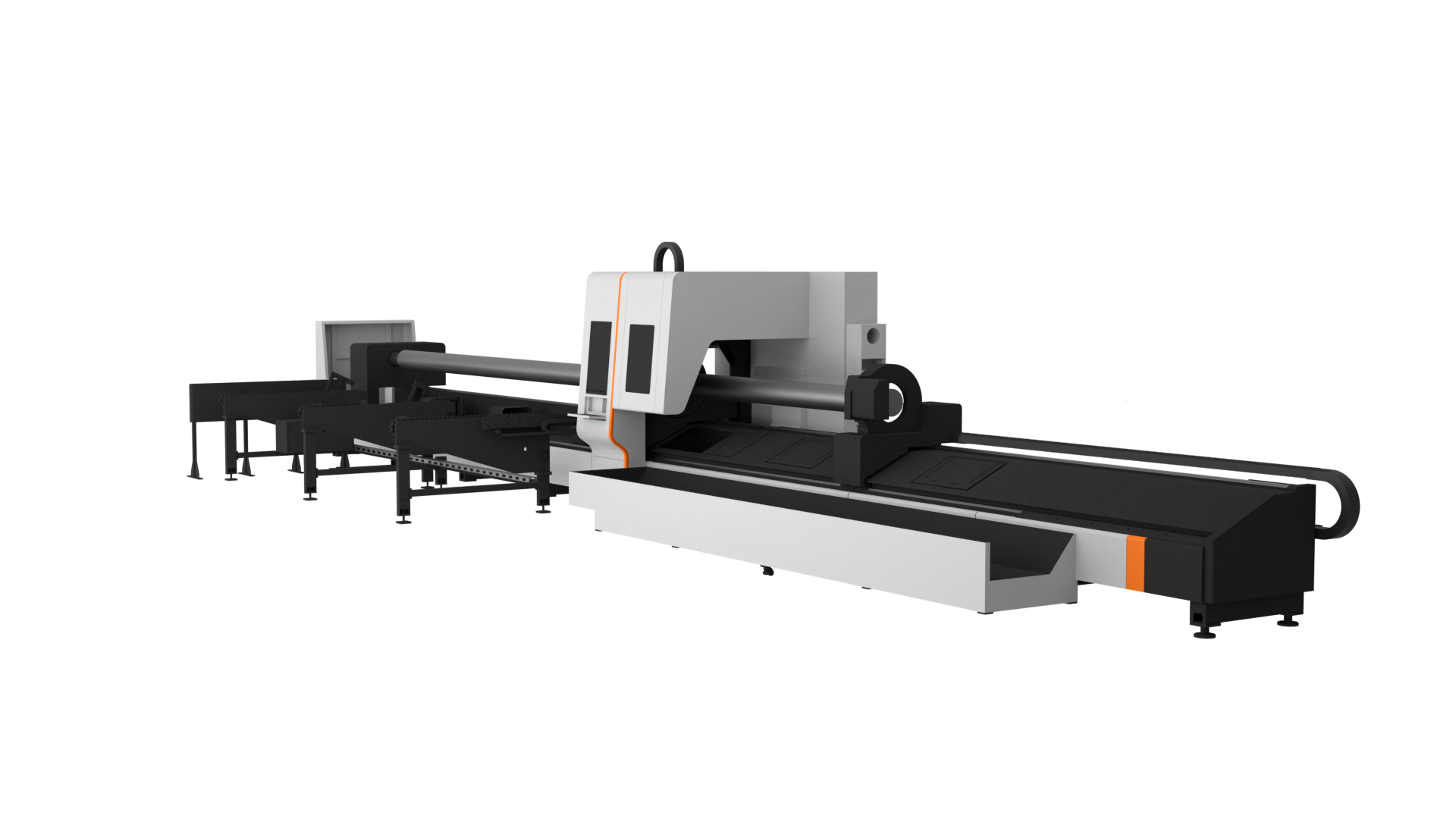
Manufacturing industries worldwide are experiencing unprecedented transformation as automation and precision technologies reshape production capabilities. Among the most significant advancements driving this revolution, the pipe laser cutting machine stands out as a cornerstone technology that has redefined how manufacturers approach tube and pipe fabrication. This sophisticated equipment combines the power of laser technology with computer-controlled precision to deliver unmatched accuracy, speed, and versatility in pipe processing operations.
As we advance through 2025, manufacturers across diverse sectors are increasingly recognizing the strategic advantages that pipe laser cutting technology brings to their operations. From automotive and aerospace to construction and energy infrastructure, the demand for precisely cut pipes and tubes continues to surge, making the adoption of advanced cutting solutions not just beneficial but essential for competitive advantage. The integration of artificial intelligence, enhanced automation features, and improved energy efficiency has made modern pipe laser cutting machines more accessible and profitable than ever before.
Advanced Technology Integration in Modern Pipe Laser Cutting Systems
Artificial Intelligence and Machine Learning Capabilities
The latest generation of pipe laser cutting machines incorporates sophisticated artificial intelligence algorithms that optimize cutting parameters in real-time. These intelligent systems analyze material properties, thickness variations, and environmental conditions to automatically adjust laser power, cutting speed, and gas flow rates. This technological advancement significantly reduces setup time while ensuring consistent quality across different pipe materials and dimensions.
Machine learning capabilities enable these systems to continuously improve their performance by analyzing historical cutting data and identifying patterns that lead to optimal results. The AI-driven optimization process minimizes material waste, reduces energy consumption, and extends the operational lifespan of critical components. Manufacturers benefit from predictive maintenance alerts that prevent unexpected downtime and costly repairs, making their pipe laser cutting machine operations more reliable and cost-effective.
Enhanced Automation and Industry 4.0 Integration
Modern pipe laser cutting systems seamlessly integrate with Industry 4.0 protocols, enabling comprehensive connectivity with enterprise resource planning systems and manufacturing execution software. This integration allows for real-time production monitoring, automatic material tracking, and synchronized workflow management across multiple production lines. The enhanced automation capabilities include advanced loading and unloading systems that can handle various pipe diameters and lengths without manual intervention.
The implementation of IoT sensors throughout the pipe laser cutting machine enables continuous data collection on performance metrics, energy usage, and maintenance requirements. This wealth of information empowers manufacturers to make data-driven decisions about production scheduling, resource allocation, and equipment upgrades. The seamless integration with digital twin technology allows operators to simulate cutting processes virtually before executing actual production runs, reducing trial-and-error time and material waste.
Superior Precision and Quality Standards
Micron-Level Accuracy in Complex Geometries
The precision capabilities of contemporary pipe laser cutting machines have reached unprecedented levels, with many systems achieving accuracy within micrometers for complex three-dimensional cuts. This exceptional precision is particularly valuable in industries where tight tolerances are critical, such as aerospace component manufacturing and medical device production. The advanced beam control systems ensure consistent cut quality regardless of pipe diameter, wall thickness, or material composition.
Sophisticated optical systems and precision mechanical components work in harmony to maintain cutting accuracy throughout extended production runs. The thermal management systems prevent heat-induced distortions that could compromise dimensional accuracy, while advanced feedback mechanisms continuously monitor and adjust the cutting process to compensate for any variations. This level of precision eliminates the need for secondary machining operations in many applications, reducing overall production costs and lead times.
Consistent Edge Quality and Surface Finish
One of the most significant advantages of using a pipe laser cutting machine is the exceptional edge quality it produces across different materials and thicknesses. The controlled energy delivery of laser cutting creates smooth, oxide-free edges that often require no additional finishing processes. This superior edge quality is particularly important for applications involving welding, where clean, precise cuts ensure strong, reliable joints without extensive preparation work.
The minimal heat-affected zone characteristic of laser cutting preserves the mechanical properties of the base material near the cut edge, maintaining structural integrity and performance characteristics. Advanced gas assist systems and optimized cutting parameters further enhance edge quality by preventing oxidation and minimizing dross formation. The consistency of edge quality across large production batches ensures predictable welding and assembly processes, reducing quality control requirements and improving overall manufacturing efficiency.
Economic Advantages and Return on Investment
Reduced Material Waste and Optimal Nesting
The sophisticated software accompanying modern pipe laser cutting machines incorporates advanced nesting algorithms that maximize material utilization and minimize waste. These intelligent systems analyze cutting patterns and automatically arrange them to achieve optimal material efficiency, often resulting in waste reduction of 15-25% compared to traditional cutting methods. The precise nature of laser cutting also eliminates the need for excessive material allowances, further contributing to cost savings.
The ability to cut intricate shapes and complex geometries without tooling changes or setup modifications reduces both material waste and production time. The pipe laser cutting machine can efficiently process mixed batches of different pipe sizes and profiles in a single production run, optimizing material usage across diverse product requirements. This flexibility is particularly valuable for manufacturers producing custom or low-volume parts where material efficiency directly impacts profitability.
Labor Cost Reduction and Productivity Enhancement
The high degree of automation inherent in pipe laser cutting systems significantly reduces labor requirements while increasing overall productivity. A single operator can manage multiple cutting operations simultaneously, monitoring progress through intuitive interfaces and addressing any issues that arise. The automated loading and unloading capabilities eliminate the need for manual material handling, reducing labor costs and improving workplace safety.
The rapid cutting speeds achievable with modern pipe laser cutting machines enable manufacturers to complete projects in fraction of the time required by conventional cutting methods. This increased throughput allows companies to take on more projects, reduce lead times, and improve customer satisfaction. The elimination of secondary operations such as deburring and edge preparation further reduces labor requirements and accelerates the overall production process.
Versatility and Adaptability Across Industries
Multi-Material Capability and Processing Range
Contemporary pipe laser cutting machines demonstrate remarkable versatility in processing various materials including stainless steel, carbon steel, aluminum, copper, brass, and even exotic alloys used in specialized applications. The ability to cut different materials without changing cutting heads or making significant adjustments makes these systems highly adaptable to diverse manufacturing requirements. This multi-material capability is particularly valuable for job shops and contract manufacturers serving multiple industries.
The processing range of modern systems encompasses pipe diameters from small tubes of a few millimeters to large-diameter pipes exceeding 300mm, with wall thicknesses ranging from thin-gauge materials to heavy-wall applications. This extensive range eliminates the need for multiple specialized machines, reducing capital investment and floor space requirements. The quick changeover capabilities between different material types and dimensions maximize machine utilization and improve overall manufacturing flexibility.
Complex Geometry and Feature Cutting Capabilities
The three-dimensional cutting capabilities of advanced pipe laser cutting machines enable the creation of complex features such as slots, holes, notches, and intersecting profiles with exceptional precision. These systems can perform beveling operations, create weld preparation edges, and execute intricate artistic cuts that would be impossible or extremely time-consuming with conventional methods. The ability to cut complex geometries in a single operation eliminates assembly requirements and reduces overall part count in many applications.
The sophisticated programming software allows operators to design and implement complex cutting patterns with ease, including parametric programming that automatically adjusts dimensions based on pipe diameter or other variables. This capability is particularly valuable for manufacturers producing architectural elements, decorative components, or specialized industrial fittings where unique geometries are required. The precision and repeatability of the pipe laser cutting machine ensure that complex features are reproduced accurately across large production quantities.
Environmental Sustainability and Energy Efficiency
Reduced Energy Consumption and Carbon Footprint
The latest generation of pipe laser cutting machines incorporates advanced energy management systems that significantly reduce power consumption compared to earlier models. Intelligent power modulation adjusts laser output based on cutting requirements, eliminating unnecessary energy waste during standby periods or when processing thinner materials. These efficiency improvements not only reduce operating costs but also contribute to corporate sustainability goals and environmental stewardship initiatives.
The elimination of consumable tooling associated with mechanical cutting methods reduces the environmental impact of pipe processing operations. Unlike plasma cutting or mechanical sawing, laser cutting produces no tool wear debris and requires minimal consumable materials beyond assist gases. The clean cutting process generates minimal waste heat and produces no chemical byproducts, making the pipe laser cutting machine an environmentally responsible choice for modern manufacturing operations.
Waste Minimization and Recycling Benefits
The precision and efficiency of laser cutting significantly reduce material waste, contributing to both cost savings and environmental benefits. The clean, precise cuts enable efficient material recycling, as offcuts and remnants maintain their material properties and can be easily reprocessed. The absence of heat-affected zones in most of the cut material ensures that recycled portions retain their original strength and characteristics.
The advanced nesting software continuously optimizes cutting patterns to minimize waste generation, while the flexibility to process mixed material batches reduces the need for separate cutting runs. The elimination of secondary processing operations such as grinding or machining reduces energy consumption and waste generation throughout the manufacturing process. These environmental benefits align with increasing regulatory requirements and corporate responsibility initiatives driving sustainability improvements across the manufacturing sector.
Quality Control and Consistency Advantages
Real-Time Monitoring and Process Control
Modern pipe laser cutting systems incorporate sophisticated monitoring technologies that provide real-time feedback on cutting quality, dimensional accuracy, and process parameters. Advanced sensor systems detect variations in material properties, surface conditions, or cutting performance, automatically adjusting parameters to maintain consistent quality. This continuous monitoring capability eliminates the need for frequent quality checks and reduces the risk of producing defective parts.
The integration of vision systems and measurement sensors enables in-process quality verification, ensuring that each cut meets specified tolerances before the part moves to subsequent operations. This real-time quality assurance capability significantly reduces scrap rates and eliminates the costs associated with rework or rejected parts. The comprehensive data logging capabilities of the pipe laser cutting machine provide complete traceability for quality audits and continuous improvement initiatives.
Repeatability and Process Standardization
The computer-controlled nature of pipe laser cutting ensures exceptional repeatability across production runs, with dimensional variations typically measured in hundredths of millimeters. This consistency is particularly valuable for manufacturers producing components that must interface with other parts or systems where precise dimensions are critical. The standardized cutting processes eliminate operator-induced variations and ensure consistent results regardless of shift changes or personnel assignments.
The digital storage and retrieval of cutting programs enables exact reproduction of previous jobs, ensuring consistency in repeat orders and facilitating efficient scaling of production quantities. The comprehensive parameter databases maintain optimized settings for different materials and applications, eliminating trial-and-error optimization periods when processing familiar materials. This standardization capability reduces setup time, improves first-part quality, and enhances overall manufacturing predictability.
Future Trends and Technological Developments
Emerging Laser Technologies and Beam Delivery Systems
The continued advancement of fiber laser technology promises even greater efficiency and capability improvements in pipe laser cutting applications. Emerging ultra-short pulse laser systems offer new possibilities for processing reflective materials and achieving even finer cut quality with minimal heat input. The development of multi-wavelength laser systems enables optimized processing of different materials within the same cutting head, expanding the versatility of pipe laser cutting machines.
Advanced beam shaping technologies are enabling new cutting techniques and improving process efficiency for challenging applications. The integration of adaptive optics systems allows real-time beam profile optimization based on material characteristics and cutting requirements. These technological advances continue to push the boundaries of what is achievable with laser cutting technology, opening new application possibilities and improving performance in existing applications.
Integration with Additive Manufacturing and Hybrid Systems
The convergence of subtractive and additive manufacturing technologies is creating new opportunities for hybrid pipe processing systems that combine laser cutting with 3D printing capabilities. These innovative systems can add material to create complex features while maintaining the precision cutting capabilities essential for pipe processing applications. The integration enables the creation of parts with internal features or complex geometries that would be impossible to achieve through cutting alone.
The development of intelligent material handling systems that can seamlessly transition between cutting and additive operations promises to revolutionize pipe manufacturing capabilities. The pipe laser cutting machine of the future may incorporate multiple processing capabilities within a single platform, enabling complete part fabrication from raw materials to finished components. This integration will further improve manufacturing efficiency and enable new product designs previously constrained by traditional manufacturing limitations.
FAQ
What are the main advantages of using a pipe laser cutting machine over traditional cutting methods?
Pipe laser cutting machines offer superior precision, faster cutting speeds, excellent edge quality, and the ability to cut complex geometries without tooling changes. They produce minimal heat-affected zones, reduce material waste through optimized nesting, and eliminate most secondary operations. The automation capabilities significantly reduce labor requirements while improving consistency and quality compared to plasma cutting, sawing, or mechanical cutting methods.
How does the cost of operating a pipe laser cutting machine compare to other cutting technologies?
While the initial investment in a pipe laser cutting machine is higher than conventional cutting equipment, the operating costs are typically lower due to reduced labor requirements, minimal consumables, lower energy consumption per part, and eliminated secondary operations. The improved material utilization and faster processing speeds result in higher throughput and better return on investment. Most manufacturers see payback periods of 2-4 years depending on production volume and application complexity.
What maintenance requirements are associated with pipe laser cutting machines?
Modern pipe laser cutting systems require relatively minimal maintenance compared to mechanical cutting equipment. Regular maintenance includes cleaning optical components, replacing assist gas filters, checking and adjusting cutting head alignment, and monitoring laser source performance. The absence of cutting tools eliminates tool wear and replacement costs. Predictive maintenance systems alert operators to potential issues before they cause downtime, making maintenance more efficient and cost-effective.
Can pipe laser cutting machines handle different materials and pipe sizes in the same production run?
Yes, advanced pipe laser cutting machines can process different materials and pipe sizes within the same production run without requiring tooling changes or extensive setup modifications. The intelligent material handling systems and automated parameter adjustment capabilities enable seamless transitions between different specifications. This flexibility is particularly valuable for job shops and manufacturers producing diverse product lines, as it maximizes machine utilization and reduces setup time between jobs.
Table of Contents
- Advanced Technology Integration in Modern Pipe Laser Cutting Systems
- Superior Precision and Quality Standards
- Economic Advantages and Return on Investment
- Versatility and Adaptability Across Industries
- Environmental Sustainability and Energy Efficiency
- Quality Control and Consistency Advantages
- Future Trends and Technological Developments
-
FAQ
- What are the main advantages of using a pipe laser cutting machine over traditional cutting methods?
- How does the cost of operating a pipe laser cutting machine compare to other cutting technologies?
- What maintenance requirements are associated with pipe laser cutting machines?
- Can pipe laser cutting machines handle different materials and pipe sizes in the same production run?