
 EN
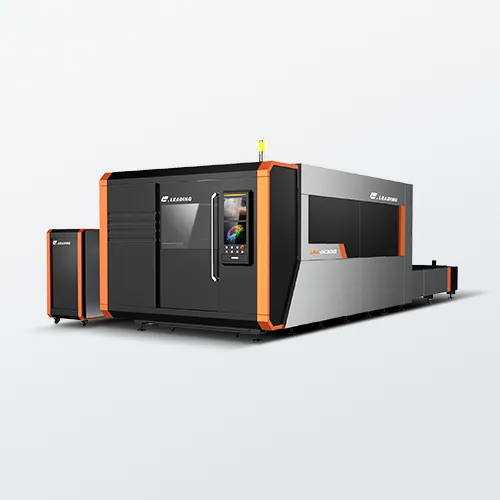
What Makes a Laser Cutting Machine Truly Reliable?
A reliable laser cutting machine does more than cut well on day one. It holds kerf width, edge squareness, and focal position steady over thousands of hours. Buyers should judge reliability by how the machine handles power, heat, and wear—not by a single demo cut.
Core Reliability Indicators: Power Stability, Thermal Management, and Component Lifespan
Power stability keeps cut quality consistent. If laser output drifts even ±2% during a shift, edge roughness and dross formation can increase on stainless steel and aluminum. Strong designs use closed-loop power monitoring and stable drive electronics. Many industrial fiber laser sources are rated for 30,000–50,000 operating hours before major service—a benchmark established by manufacturer life cycle data (2023). This doesn’t mean zero maintenance, but it reflects robust component engineering.
Thermal management is equally critical. The laser source, cutting head, and motion system all generate heat. Machines with active cooling for the resonator, optics, and servo motors hold the focal point in place during long production runs. Without it, thermal drift can alter cut gap, induce taper, or cause slag. The frame must also resist thermal stress: a stress-relieved bed and gantry preserve alignment as ambient workshop temperatures fluctuate.
Component lifespan determines long-term cost and uptime. Critical parts include the laser module, protective lens, nozzle, ceramic ring, and linear guides. Higher-quality machines specify clear service intervals and use hardened rails with sealed bearings. Lower-cost builds often conceal thin frames, low-grade motors, and substandard optics—savings that reappear later as frequent realignment, lens damage, and unpredictable failures. In a truly reliable system, power stability, thermal control, and component quality function as one integrated whole.
Maintenance Demand and Wear Patterns: Predicting Uptime Across 5+ Years
Every laser cutting machine needs regular care—but the workload should be predictable. Daily tasks should remain simple: clean the nozzle, inspect the protective window, and verify assist gas pressure. Monthly checks may include greasing linear rails, cleaning chiller filters, and confirming beam alignment. Requiring major realignment or part replacement within the first year signals underlying assembly or design flaws.
Wear patterns reveal long-term behavior. Linear rails, belts, and ball screws degrade with motion cycles; high-usage shops may replace them after several years. The frame and laser source, however, should outlast those components. Reliable machines locate wear items in accessible positions and use standard, widely supported parts—reducing both time and cost for routine replacement.
Uptime over five or more years hinges on planned maintenance hours. A well-integrated system typically requires 20–40 hours of preventive maintenance per year. A poorly built alternative may demand 100+ hours—and still suffer unannounced breakdowns. Before purchase, buyers should request the official service interval chart, full spare parts list, and documented local response time. Predictable wear supports planning. Random failure undermines it.
Matching Laser Cutting Machine Specifications to Your Metalworking Needs
Selecting a reliable laser cutting machine begins with aligning the laser source and verified specifications to your actual metal types and production demands. The two factors below determine whether a machine sustains edge quality, uptime, and manageable maintenance costs over years of service.
Fiber vs. CO₂ Lasers: Reliability Comparison for Mild Steel, Stainless, and Aluminum
Fiber and CO₂ technologies differ sharply in long-term stability on metal. Fiber sources use a sealed solid-state design with no mirrors or laser gas—eliminating common failure points like misalignment and gas degradation. CO₂ resonators require periodic mirror cleaning, beam path alignment, and gas replenishment, increasing scheduled downtime.
For mild steel, fiber lasers deliver consistent beam quality and faster cutting on thin and medium plate. CO₂ remains competitive only on plate over 20 mm due to superior edge finish at extreme thickness. For stainless steel, fiber offers quicker piercing and less oxide variation on thin sheets. CO₂ can cut stainless, but maintaining clean edges demands more operator intervention. For aluminum, fiber systems with back-reflection protection are significantly more reliable—high reflectivity stresses CO₂ optics and risks sudden failure. Crucially, fiber diodes degrade gradually, while CO₂ optics can fail abruptly after contamination or misalignment. Match source type to your metal mix—not just initial price.
| Material | Fiber Laser Reliability | CO₂ Laser Reliability | Key Selection Driver |
|---|---|---|---|
| Mild Steel | High; stable beam for thousands of hours | Moderate; mirror alignment and gas upkeep required | Fiber for speed; CO₂ for very thick plate |
| Stainless Steel | Very high; minimal dross and consistent edge | Good, but slower on thin gauge | Fiber for thin to medium sheet |
| Aluminum | High with back-reflection control | Moderate; reflective load stresses optics | Fiber preferred for reflective metals |
Must-Verify Specs: Beam Quality (M²), Focus Stability, and Duty Cycle for Consistent Cuts
Request the full specification sheet before purchase. Beam quality—reported as M²—directly affects kerf width and edge squareness. A lower M² means less beam divergence and a smaller focused spot. For metal cutting, reliable values are typically M² < 1.3 for fiber and < 1.2 for CO₂.
Focus stability is equally important. Thermal lensing in high-power optics can shift the focal point during extended runs—causing inconsistent cuts. Ask whether the machine includes automatic focus compensation or active cooling for the cutting head.
Duty cycle defines how long the machine can operate at maximum power without overheating. Many industrial fiber lasers support true continuous-duty operation. Some CO₂ tubes and budget chillers enforce mandatory rest periods. Confirm duty cycle ratings at both maximum rated power and your shop’s typical ambient temperature—not ideal lab conditions. Together, these three specs predict whether a laser cutter will deliver consistent, repeatable performance year after year.
Top Trusted Manufacturers of Laser Cutting Machines with Global Support
When choosing a laser cutting machine, prioritize global service reach over raw wattage. The market is projected to reach $5.3 billion by 2026, driven by demand for precision metal fabrication (MarketsandMarkets, 2021). Trusted suppliers fall into three groups: German, Swiss, and Japanese manufacturers lead in high-power sheet metal systems and automation; North American specialists excel in fiber laser sources and micro-machining; large Chinese producers offer economical high-power fiber platforms. All three groups include vendors with certified integrator networks.
Yet after-sales support often determines long-term reliability. Industry data suggest up to 30% of operational downtime stems from weak maintenance practices. Leading providers therefore invest in multilingual help desks, documented mean time to repair (MTTR), and regional training for both fiber and CO₂ systems. Some global suppliers also offer virtual and visual service options across 3kW to 20kW platforms. Procurement teams should compare these support signals—including remote diagnostics capability and local spare-part depots—before negotiating price.
Total Cost of Ownership: Why the Cheapest Laser Cutting Machine Isn’t the Most Reliable
TCO Breakdown: Energy Use, Consumables, Downtime, and Service Response Time
A laser cutting machine with a low sticker price often shifts real expense into energy, consumables, downtime, and delayed service. Industry TCO data show the initial purchase price represents only 35–45% of five-year ownership cost, while electricity accounts for 20–25% and assist gases for 15–20%. Consumables—including nozzles, lenses, and ceramic rings—add another 8–12%, and maintenance plus repairs account for 5–8%. Downtime acts as the hidden multiplier: inconsistent cut quality can increase scrap by 15%, quickly erasing any upfront savings.
A 2024 procurement analysis found that a $295,000 machine actually cost $319,200 after freight, commissioning, spare optics, and acceptance testing—while a transparent $318,000 all-in quote proved lower overall. Service response time matters equally: longer waits for technicians or parts keep production idle. Buyers should compare delivered and installed price, process validation, spare consumables, and quantified downtime risk—not just the first page of a quote.
FAQ
What are the key factors to consider when assessing the reliability of a laser cutting machine?
Key factors include power stability, thermal management, and component lifespan. Power stability ensures consistent cut quality, while effective thermal management prevents drift and misalignment during long operations. High-quality components with predictable maintenance schedules guarantee long-term performance.
How does fiber laser reliability compare to CO₂ lasers for different materials?
Fiber lasers are more reliable overall due to their sealed design, lack of mirrors or gas, and gradual diode degradation. While CO₂ lasers can remain competitive on very thick mild steel and extreme finishes, fiber lasers excel for stainless steel and aluminum due to less maintenance and better performance on reflective metals.
What specifications should I verify before purchasing a laser cutting machine?
Verify beam quality (M²), focus stability, and duty cycle. Beam quality impacts cut precision, while focus stability ensures consistent cutting during extended use. Duty cycle determines how long the machine can operate at maximum power without needing a cool-down period.
What maintenance demands should I expect over five years?
A reliable laser cutting machine typically requires 20-40 hours of preventive maintenance annually. Predictable maintenance such as cleaning nozzles, inspecting windows, and greasing rails is standard, while unplanned breakdowns often indicate poor machine quality.
Why is Total Cost of Ownership (TCO) more important than the initial purchase price?
An affordable machine may result in higher costs over five years due to energy consumption, consumables, higher downtime, and expensive service or parts. Comparing TCO ensures that you understand the overall financial impact of your purchase.
Table of Contents
- What Makes a Laser Cutting Machine Truly Reliable?
- Matching Laser Cutting Machine Specifications to Your Metalworking Needs
- Top Trusted Manufacturers of Laser Cutting Machines with Global Support
- Total Cost of Ownership: Why the Cheapest Laser Cutting Machine Isn’t the Most Reliable
-
FAQ
- What are the key factors to consider when assessing the reliability of a laser cutting machine?
- How does fiber laser reliability compare to CO₂ lasers for different materials?
- What specifications should I verify before purchasing a laser cutting machine?
- What maintenance demands should I expect over five years?
- Why is Total Cost of Ownership (TCO) more important than the initial purchase price?