
 EN
EN
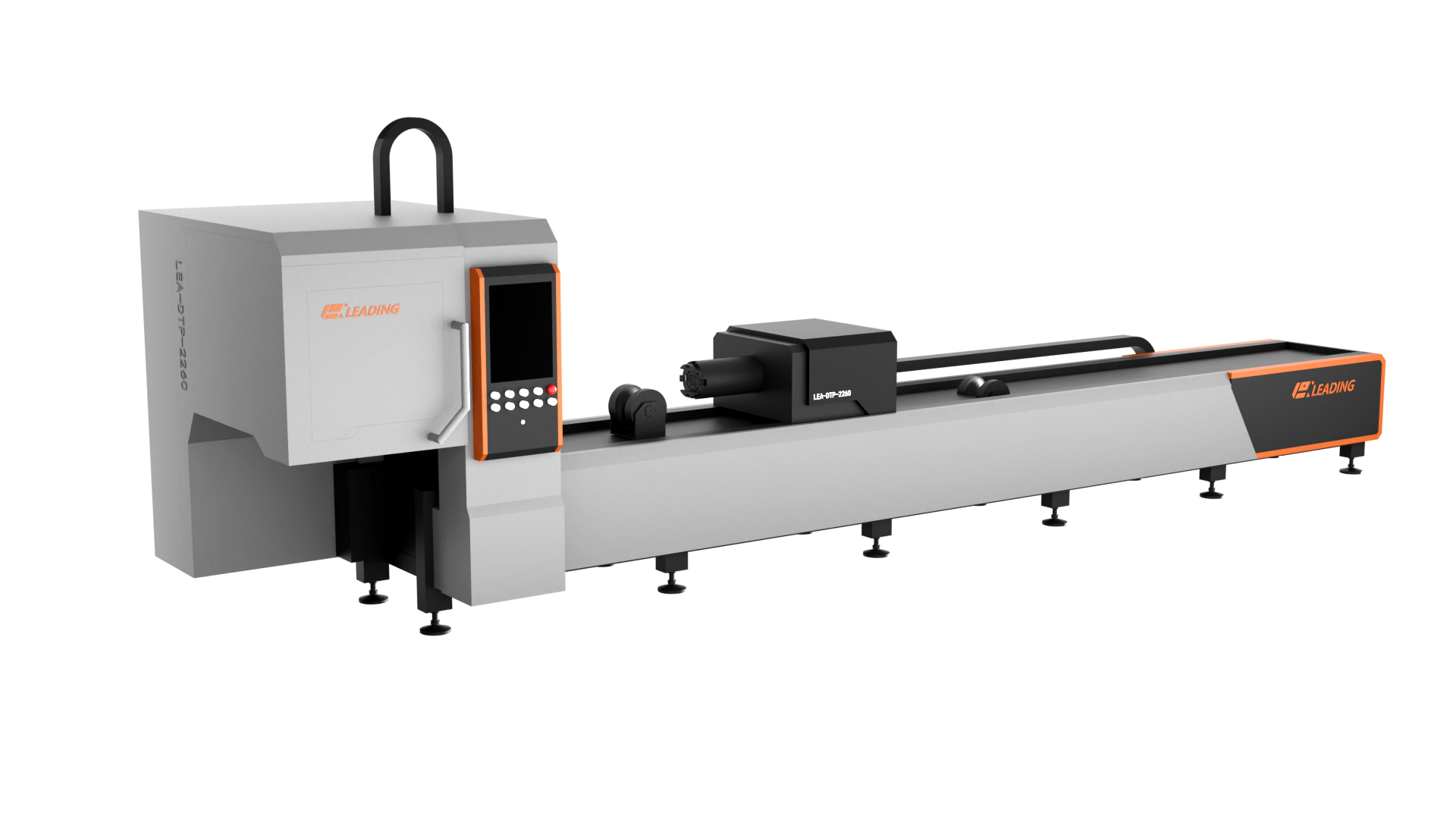
The manufacturing industry has witnessed remarkable advancements in precision cutting technology, with tube laser cutting emerging as a cornerstone solution for modern fabrication needs. Understanding the pricing structure of these sophisticated machines requires a comprehensive analysis of multiple factors that influence their market value. From laser power specifications to automation capabilities, each component contributes significantly to the overall investment required for acquiring this cutting-edge equipment.
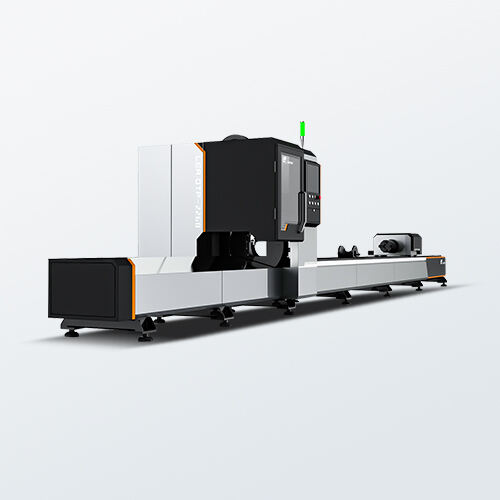
Laser Power Configuration and Technology
Power Output Specifications
The laser power rating represents one of the most significant cost determinants in tube laser cutting systems. Higher wattage lasers command premium pricing due to their enhanced cutting capabilities and faster processing speeds. Industrial-grade systems typically range from 1kW to 12kW, with each power increment substantially affecting the machine's price point. The relationship between power and cost is not linear, as advanced cooling systems and specialized components become necessary for higher power operations.
Fiber laser technology has revolutionized the tube laser cutting industry by offering superior beam quality and energy efficiency compared to traditional CO2 systems. The manufacturing complexity of fiber laser sources contributes to their higher initial cost, but this investment translates into reduced operational expenses and improved cutting precision. Manufacturers must carefully evaluate their production requirements to determine the optimal power configuration that balances performance needs with budget constraints.
Beam Quality and Cutting Precision
Superior beam quality directly correlates with cutting precision and edge finish quality, making it a crucial factor in machine pricing. High-end tube laser cutting systems incorporate advanced beam shaping technologies and precision optics that ensure consistent cut quality across various materials and thicknesses. These sophisticated optical components require precise manufacturing tolerances and premium materials, contributing significantly to the overall system cost.
The integration of adaptive beam control systems allows for real-time optimization of cutting parameters, enhancing both quality and efficiency. Such advanced features command higher prices but deliver exceptional value through reduced material waste and improved production throughput. Manufacturing facilities processing high-value materials or requiring exceptional cut quality must factor these premium technologies into their investment calculations.
Machine Construction and Build Quality
Structural Framework Design
The mechanical foundation of tube laser cutting machines significantly influences their pricing structure. Heavy-duty cast iron or welded steel frames provide the stability necessary for precision cutting operations, while lightweight alternatives may compromise accuracy under high-speed conditions. Premium manufacturers invest in advanced metallurgy and precision machining to create frameworks that maintain dimensional stability over extended operational periods.
Vibration dampening systems and thermal compensation mechanisms add complexity and cost to machine construction but ensure consistent cutting performance across varying environmental conditions. The integration of granite or polymer concrete components in critical areas demonstrates the manufacturer's commitment to precision, reflected in higher pricing tiers. These construction quality differences become apparent during long-term operation, affecting both maintenance requirements and production consistency.
Component Quality and Durability
Premium components from established suppliers command higher prices but deliver superior reliability and longevity in tube laser cutting applications. Linear guides, servo motors, and drive systems from tier-one manufacturers ensure smooth operation and maintain positioning accuracy over millions of cutting cycles. The selection of these components directly impacts the machine's price point while influencing long-term operational costs and productivity.
Advanced cooling systems and environmental protection features contribute to component longevity but increase initial investment requirements. Sealed bearing systems, protective bellows, and precision lubrication networks represent additional cost factors that distinguish premium machines from budget alternatives. Understanding these quality differentiators helps buyers make informed decisions based on their specific operational requirements and expected machine lifespan.
Automation and Software Capabilities
Control System Sophistication
Modern tube laser cutting systems incorporate sophisticated control platforms that manage cutting parameters, material handling, and quality monitoring functions. Advanced CNC controllers with multi-axis coordination capabilities enable complex cutting geometries and automated nesting optimization, directly impacting system pricing. The development and integration of these software solutions require substantial engineering investment, reflected in the machine's final cost.
Intelligent cutting parameter databases and adaptive control algorithms optimize cutting conditions for various materials and thicknesses, reducing setup time and improving cut quality. These software features represent significant intellectual property investments that manufacturers recover through premium pricing strategies. The complexity of software development and ongoing support requirements contribute to the overall value proposition of advanced tube laser cutting systems.
Material Handling Integration
Automated loading and unloading systems transform tube laser cutting operations from manual processes into fully integrated production lines. These automation solutions require sophisticated mechanical designs and coordinated control systems that substantially increase machine complexity and cost. The integration of robotic handling systems, conveyor networks, and part sorting mechanisms creates comprehensive manufacturing solutions that command premium pricing.
Bundle loading systems and automatic part removal mechanisms reduce labor requirements while improving production consistency and safety. The engineering complexity required to coordinate these systems with cutting operations represents a significant cost factor in modern tube laser cutting installations. Manufacturers must evaluate the labor cost savings and productivity improvements against the additional investment required for comprehensive automation solutions.
Market Positioning and Brand Reputation
Manufacturer Heritage and Support
Established manufacturers with proven track records in tube laser cutting technology typically command premium pricing based on their reputation for quality and reliability. The investment in research and development, manufacturing infrastructure, and global support networks requires substantial capital commitments that are reflected in machine pricing. Brand reputation serves as a quality indicator that influences purchasing decisions and justifies higher price points.
Comprehensive support services including training, maintenance programs, and technical assistance add value to the overall package while contributing to pricing structures. The availability of local service technicians and rapid parts delivery networks represents ongoing operational advantages that justify premium pricing for established brands. These support capabilities become crucial factors during equipment selection processes, particularly for mission-critical production applications.
Technology Innovation and Patents
Proprietary technologies and patent portfolios enable manufacturers to differentiate their tube laser cutting solutions and maintain premium pricing positions. Advanced cutting head designs, specialized nozzle technologies, and unique process control algorithms provide competitive advantages that justify higher investment levels. The costs associated with research and development, patent protection, and technology licensing are incorporated into machine pricing structures.
Exclusive features such as automatic focal position adjustment, real-time quality monitoring, and predictive maintenance capabilities represent technological differentiators that command premium pricing. These innovations often result from years of development investment and field testing, creating intellectual property assets that manufacturers protect through strategic pricing policies. Understanding these technology investments helps buyers appreciate the value proposition of advanced tube laser cutting systems.
Production Capacity and Throughput
Cutting Speed and Efficiency
The relationship between cutting speed capabilities and machine pricing reflects the engineering complexity required to achieve high-performance operation. Advanced tube laser cutting systems incorporate rapid acceleration capabilities, optimized motion control algorithms, and precision positioning systems that enable maximum throughput while maintaining cut quality. These performance enhancements require sophisticated engineering solutions that contribute significantly to overall system costs.
Multi-axis simultaneous cutting capabilities and advanced nesting algorithms maximize material utilization and reduce cycle times, providing operational advantages that justify premium pricing. The development of these productivity features requires extensive software engineering and mechanical design optimization that represents substantial investment by manufacturers. Production facilities must evaluate the productivity improvements against the additional investment required for high-speed tube laser cutting capabilities.
Versatility and Application Range
Machines capable of processing diverse tube profiles, material types, and thickness ranges command higher prices due to their enhanced versatility and broader application scope. The engineering complexity required to accommodate square, rectangular, round, and specialty profiles within a single platform represents significant design challenges that influence pricing structures. Advanced chuck systems and adaptive positioning mechanisms enable this versatility while adding complexity and cost to the overall system.
Multi-material cutting capabilities that handle steel, aluminum, stainless steel, and exotic alloys require sophisticated parameter control systems and adaptive cutting strategies. The development and validation of cutting parameters for diverse materials represents substantial engineering investment that manufacturers recover through premium pricing models. This versatility provides operational flexibility that justifies higher initial investment for facilities processing varied product lines.
Geographic and Economic Factors
Regional Manufacturing Costs
Manufacturing location significantly influences tube laser cutting machine pricing through variations in labor costs, material expenses, and regulatory compliance requirements. European and North American manufacturers typically command premium pricing due to higher production costs but offer advantages in quality control, precision manufacturing, and comprehensive support services. These regional cost differences reflect varying economic conditions and manufacturing standards that impact final machine pricing.
Currency fluctuations and international trade policies create pricing volatility that affects tube laser cutting equipment costs across different markets. Import duties, shipping expenses, and local certification requirements add complexity to pricing structures while influencing competitive positioning. Buyers must consider these economic factors when evaluating equipment options and planning capital investments in tube laser cutting technology.
Market Demand and Competition
Supply and demand dynamics within the tube laser cutting market influence pricing strategies and equipment availability. High demand periods often result in extended delivery schedules and premium pricing, while competitive market conditions may create opportunities for favorable pricing negotiations. Understanding market cycles helps buyers optimize their purchasing timing and negotiate competitive pricing arrangements.
Competitive pressure from emerging manufacturers and technological disruption continues to influence pricing strategies across the tube laser cutting industry. Established manufacturers must balance premium positioning with competitive pricing to maintain market share while recovering research and development investments. These market dynamics create opportunities for buyers to secure advanced technology at competitive pricing levels through strategic vendor selection and negotiation approaches.
FAQ
How much should I expect to invest in a tube laser cutting machine
Tube laser cutting machine investments typically range from $200,000 to over $1,500,000 depending on power levels, automation features, and manufacturer selection. Entry-level systems with 1-2kW power and basic automation start around $200,000-400,000, while high-performance systems with 6kW+ power and comprehensive automation can exceed $1,000,000. The specific investment required depends on your production requirements, material specifications, and desired automation level.
What ongoing costs should I consider beyond the initial purchase price
Beyond the initial tube laser cutting machine investment, consider annual maintenance costs of 8-12% of purchase price, consumables including cutting gases and replacement parts totaling $30,000-80,000 annually, and energy consumption costs varying by power level and usage patterns. Training programs, software updates, and potential facility modifications represent additional investment requirements that should be factored into total ownership cost calculations.
How do I determine the appropriate power level for my application
Selecting appropriate power levels for tube laser cutting applications depends on material types, thickness ranges, and required cutting speeds. Mild steel tubes up to 8mm typically require 2-3kW power, while thicker materials or stainless steel may need 4-6kW systems. Consider future production requirements and material diversification plans when determining power specifications, as upgrading later often requires complete system replacement rather than simple power increases.
Are financing options available for tube laser cutting equipment purchases
Most tube laser cutting equipment manufacturers and dealers offer comprehensive financing solutions including leasing programs, equipment loans, and flexible payment terms. Leasing options typically require 10-20% down payments with 3-7 year terms, while equipment loans may offer competitive interest rates for qualified buyers. Government programs and tax incentives for manufacturing equipment investments may provide additional financial benefits that reduce effective ownership costs.