Exceptional Material Versatility and Processing Range
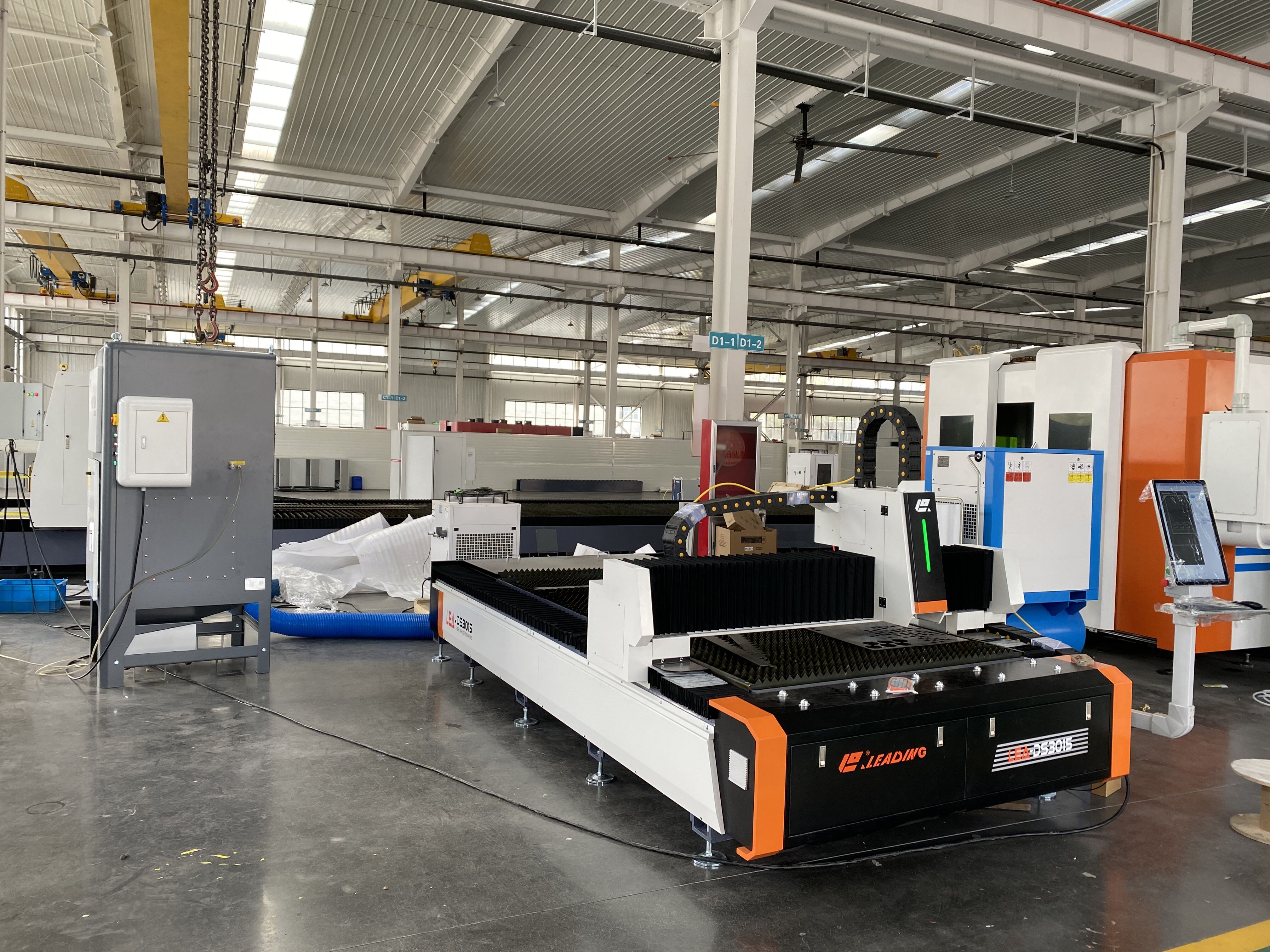
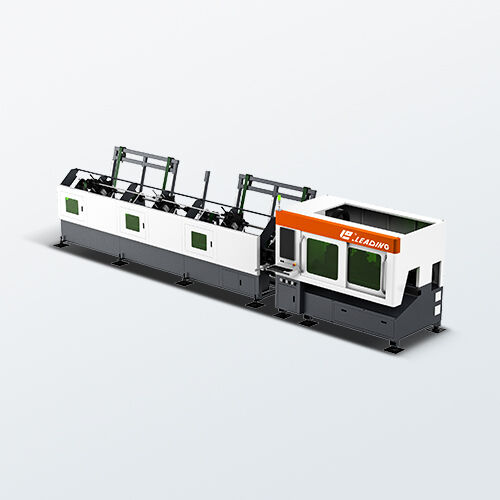
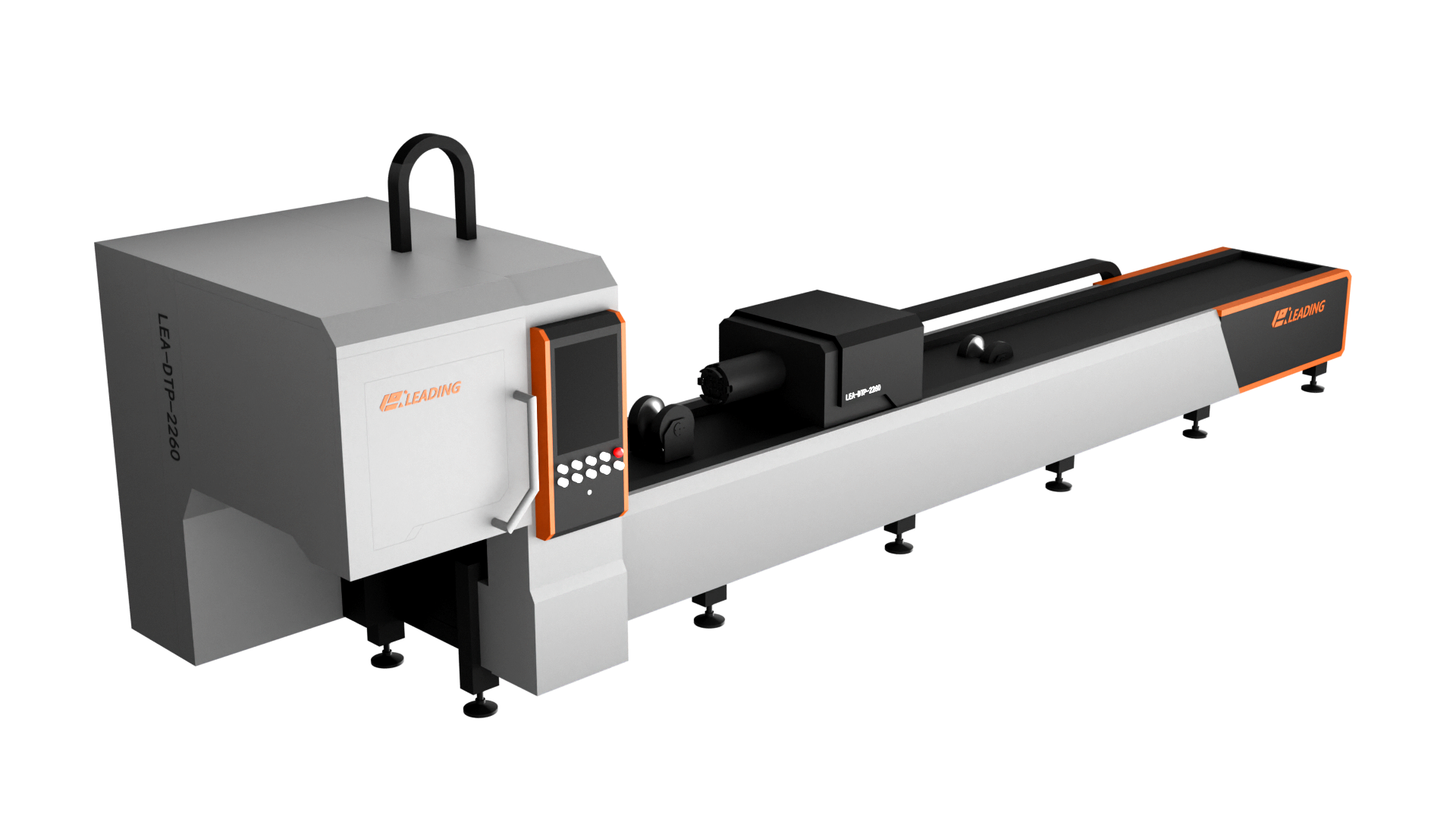
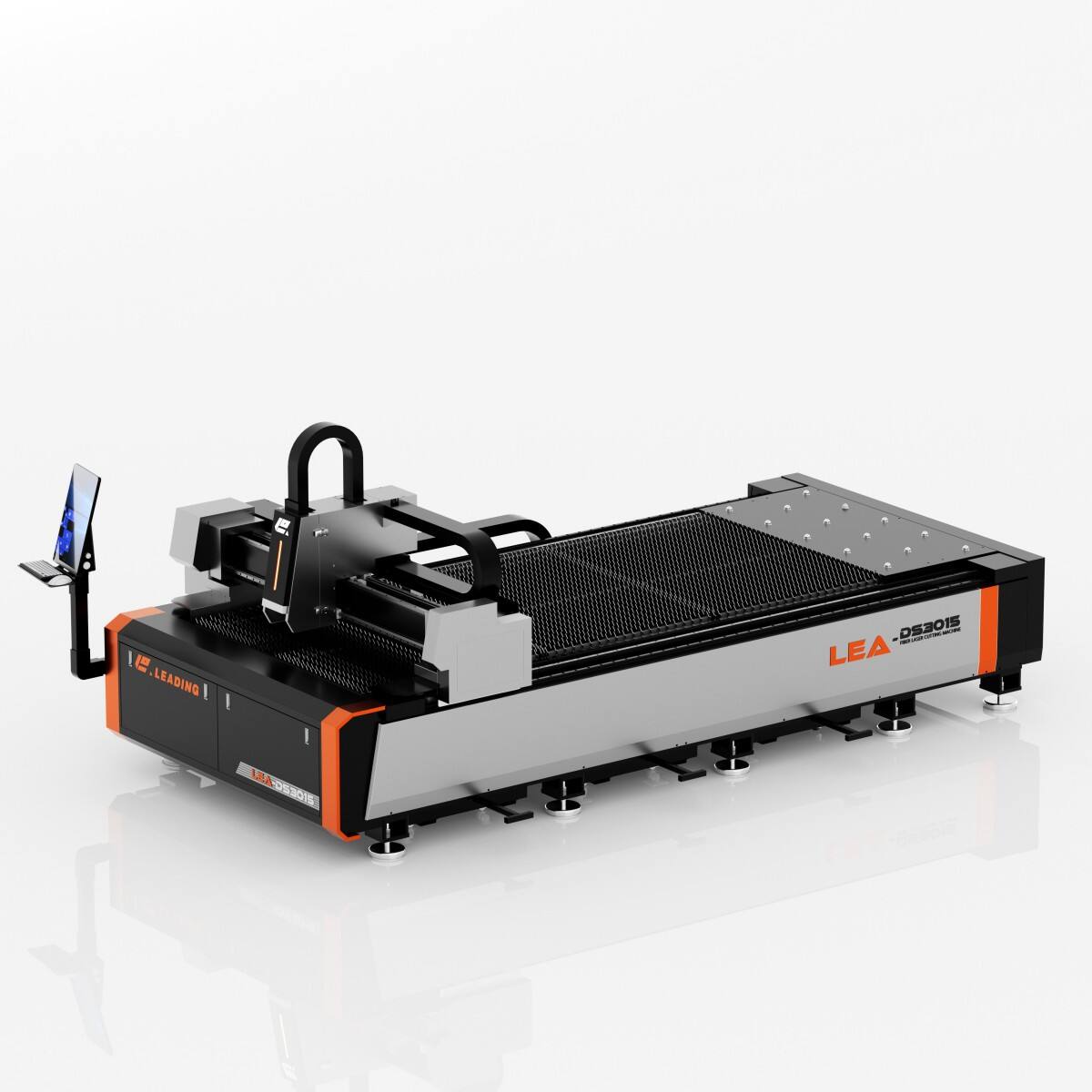
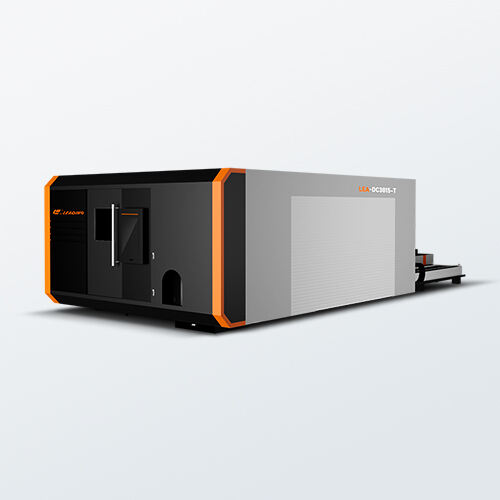
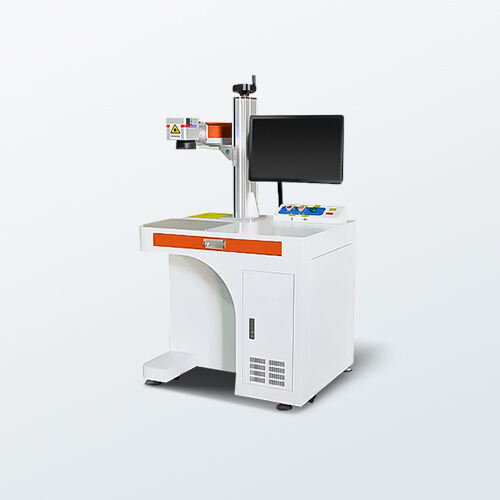
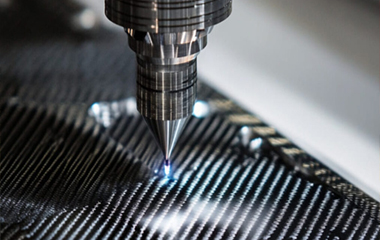
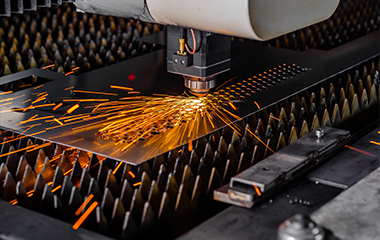
The laser beam cutting machine demonstrates remarkable material versatility that enables manufacturers to process an extensive range of materials using a single piece of equipment, providing exceptional flexibility and reducing capital equipment requirements across diverse manufacturing applications. This versatility spans metallic materials including stainless steel, carbon steel, aluminum, titanium, brass, copper, and exotic alloys, each requiring specific parameter optimization that modern laser systems accommodate through programmable cutting databases and automatic adjustment capabilities. The laser beam cutting machine excels in processing materials ranging from ultra-thin foils measuring 0.1mm thickness to substantial plates exceeding 25mm thickness, adapting cutting parameters automatically to maintain optimal quality standards across this extensive thickness range. Non-metallic materials expand the application possibilities further, encompassing technical plastics, composites, textiles, leather, wood, glass, ceramics, and advanced materials like carbon fiber reinforced polymers that challenge traditional cutting methods significantly. The ability to switch between vastly different materials without hardware modifications represents a substantial operational advantage, enabling job shops and manufacturing facilities to accept diverse customer requirements using existing equipment investments rather than purchasing specialized machinery for each material category. Advanced laser beam cutting systems incorporate material recognition technology that automatically adjusts cutting parameters based on material identification, eliminating operator guesswork while ensuring optimal cutting results consistently across different material specifications. The processing capabilities extend beyond simple cutting operations to include engraving, marking, and surface texturing applications, transforming the laser beam cutting machine into a comprehensive material processing center rather than a single-function cutting tool. Reflective materials like copper and brass, traditionally challenging for laser processing, become manageable with modern fiber laser technology and specialized cutting techniques that overcome previous limitations effectively. The clean processing characteristics produce minimal material distortion and heat-affected zones, preserving material properties essential for demanding applications in aerospace, medical device manufacturing, and precision engineering sectors. This material versatility enables manufacturers to diversify their service offerings, accept new market opportunities, and adapt quickly to changing customer requirements without significant additional capital investments, making the laser beam cutting machine a strategic asset for business growth and competitive positioning in dynamic manufacturing markets.

 EN
EN