jewelry laser welding machine price
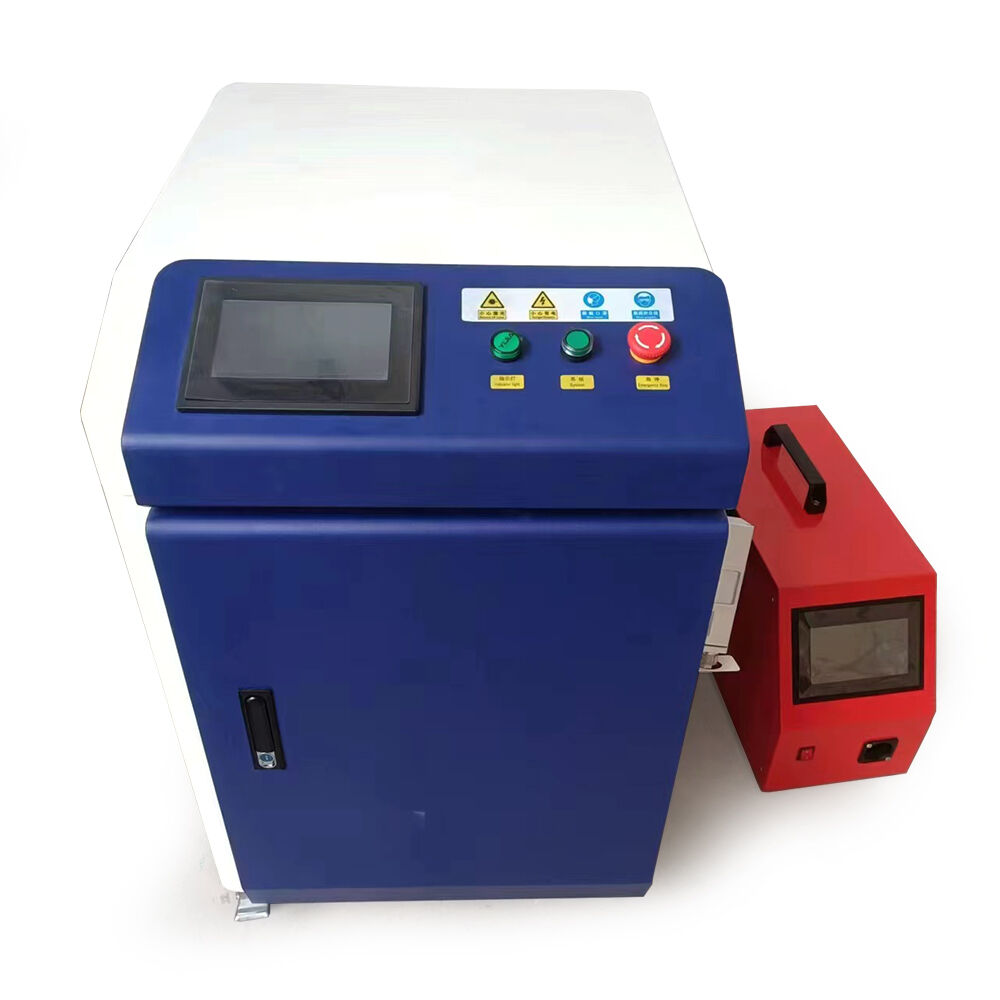
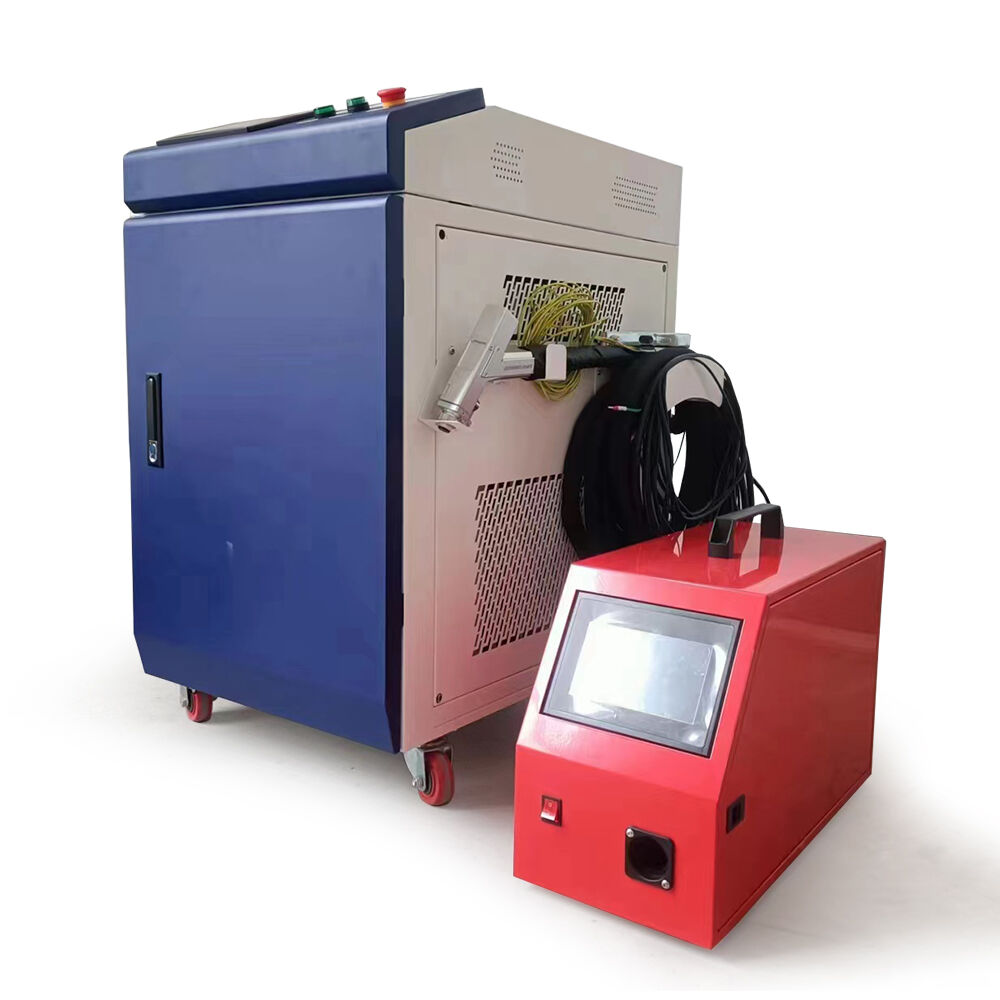
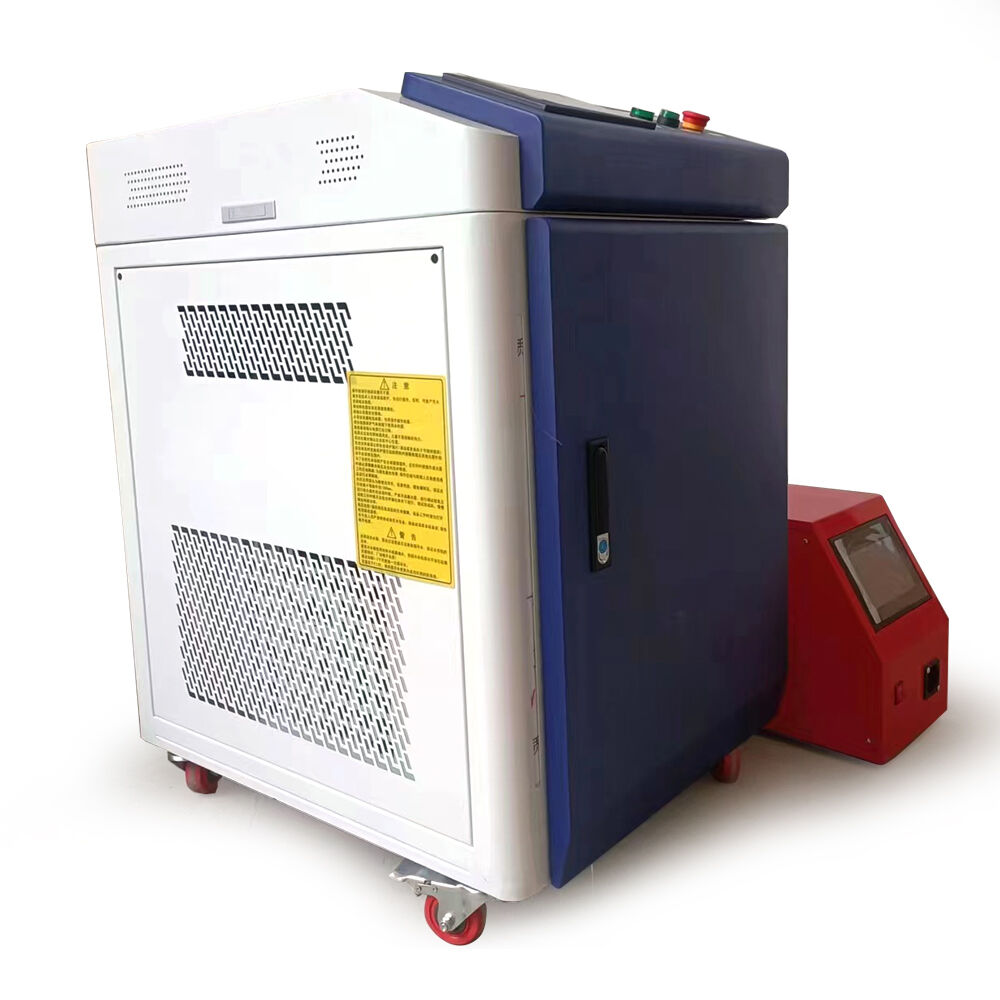
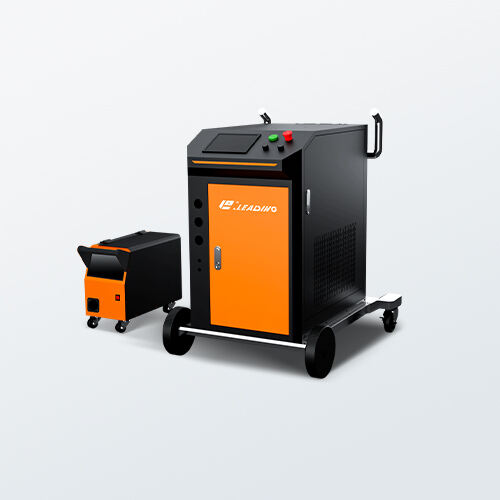
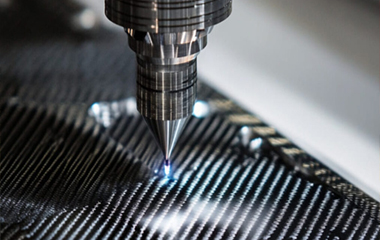
Jewelry laser welding machines represent a revolutionary advancement in precision metalworking technology, offering unparalleled accuracy and efficiency for jewelry repair, manufacturing, and customization. The jewelry laser welding machine price typically ranges from $15,000 to $80,000, depending on specifications, power output, and included features. These sophisticated devices utilize concentrated laser beams to create precise welds on precious metals including gold, silver, platinum, and titanium without compromising the integrity of surrounding gemstones or delicate components. The main functions encompass repair work such as prong retipping, chain link fixing, ring resizing, and surface crack restoration. Modern units feature adjustable pulse duration, energy control systems, and microscopic viewing capabilities that enable operators to perform intricate tasks with millimeter precision. Technological features include fiber laser sources, argon gas shielding systems, touchscreen interfaces, and programmable welding parameters that ensure consistent results across various materials. The jewelry laser welding machine price reflects advanced cooling systems, ergonomic design elements, and comprehensive safety mechanisms including protective enclosures and emergency shut-off controls. Applications extend beyond traditional repair services to include custom jewelry creation, prototype development, and mass production scenarios where traditional soldering methods prove inadequate. These machines excel in situations requiring minimal heat-affected zones, preventing thermal damage to heat-sensitive components like pearls, emeralds, or intricate filigree work. The investment in a quality laser welding system transforms workshop capabilities, enabling jewelers to accept previously impossible repair jobs and expand service offerings significantly. Understanding the jewelry laser welding machine price structure helps professionals make informed decisions about equipment selection, considering factors like workspace requirements, production volume expectations, and specific application needs that directly influence long-term profitability and operational efficiency.

 EN
EN