
 EN
EN
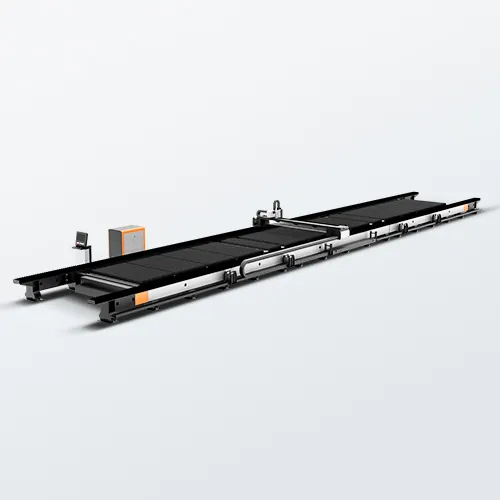
In metal fabrication, a workshop's fiber laser cutting machine functions as the primary driver of production capacity. It dictates project turnaround times, component complexity, and overall manufacturing margins. However, industrial laser technology evolves rapidly. Deciding when to decommission an aging system and upgrade to modern machinery is a critical capital expenditure (CAPEX) decision.
Retaining an obsolete platform for too long exposes a business to operational bottlenecks and competitive disadvantages. Conversely, a well-timed strategic upgrade enhances market responsiveness and lowers total operational costs. This guide analyzes the technical and economic indicators that signal it is time to transition to next-generation laser cutting technology.
Declining Efficiency, Technical Generational Gaps, and Rising OPEX
The most immediate indicator for a machinery upgrade is a measurable decline in workshop productivity paired with escalating operational expenditure (OPEX). If an industrial cutter has been in continuous service for over 5 to 8 years, it likely relies on legacy laser source architectures or outdated drive systems.
This technological gap manifests in several ways:
- Slower Linear Cutting Speeds: Older systems struggle to match the high acceleration and feed rates of modern fiber lasers, particularly when processing standard industrial gauges.
- Elevated Energy Consumption: Legacy power sources operate at significantly lower wall-plug efficiency, drawing more electricity per cut meter than current high-efficiency fiber units.
- Escalating Maintenance Interventions: Frequent component failures, mechanical backlash in aging gear racks, and declining beam quality lead to costly unplanned downtime.
When the financial resources required to maintain a legacy machine exceed its structural output, upgrading to a modern system becomes an economic necessity that directly restores profitability.
Constraints on Material Versatility, Thickness, and Geometric Tolerance
A fabrication business can only grow as fast as its mechanical capabilities. Turning down requests for quotation (RFQs) due to hardware limitations is a clear sign that an equipment upgrade is overdue.
Legacy cutters often struggle with high-reflectivity metals (such as copper, brass, and specific aluminum alloys) because older optics lack back-reflection protection systems, risking catastrophic laser source damage. Furthermore, entering high-precision markets requires maintaining tighter tolerances and flawless edge quality that older, vibrating machine beds simply cannot deliver.
Modern fiber laser cutting systems address these limitations through advanced beam profiling and dynamic focus control. Next-generation machines feature integrated automated process components—such as automatic nozzle changers and motorized focal adjustments—that instantly recalibrate based on material type and wall thickness. This agility allows shops to seamlessly transition from micro-fine cutting in thin sheets to heavy-plate carbon steel fabrication, unlocking new revenue streams.
Lagging Automation Capabilities and "Smart Factory" Integration
In modern manufacturing, labor dependency represents a significant operational risk. Relying on manual interventions for tasks like nozzle cleaning, head positioning, or sheet alignment limits a workshop's throughput.
An upgrade is strategically justified when local competitors achieve automated production while a shop's personnel are still tied to manual setups. Modern CNC laser processing platforms are designed to integrate directly into smart factory ecosystems via standardized software architectures.
Advanced systems utilize vision-based processing algorithms to optimize material yields. For instance, intelligent remnant layout software uses integrated cameras to scan irregular scrap sheet metal and automatically nests new cutting paths onto the remaining material.
Additionally, intelligent safety features—such as real-time non-contact sensing combined with path-avoidance algorithms—proactively prevent laser head collisions caused by tilted parts or warped material. Upgrading to a machine with these automated, software-driven capabilities minimizes material waste, reduces manual labor costs, and maximizes unattended machine uptime.
Hidden Costs of Unplanned Downtime and Operational Safety Risks
Operating end-of-life industrial machinery introduces compounding safety risks and unpredictable financial liabilities. Older fabrication equipment lacks the multi-layered sensor arrays and proactive collision-avoidance mechanisms standard in modern engineering. A single major cutting torch collision can cost thousands of dollars in replacement optics and result in days of halted production.
Furthermore, the hidden costs of unplanned downtime extend beyond repair bills; they damage customer relationships due to missed delivery schedules. Modern high-power laser machines mitigate these operational hazards through robust structural engineering and intelligent monitoring systems.
Partnering with an established manufacturer that provides standardized component sourcing and extensive lifetime technical guidance ensures that any required parameter calibrations are handled swiftly. This structural reliability provides the operational security necessary to maintain continuous, multi-shift manufacturing cycles.
Conclusion: Future-Proofing Production Through Strategic Investment
Upgrading a metal laser cutting system is not merely the replacement of a worn tool; it is a strategic decision to future-proof a manufacturing business. Rising maintenance costs, restricted material capabilities, manual labor bottlenecks, and operational safety liabilities all indicate that a legacy machine has reached the end of its economic lifecycle.
By investing in an advanced fiber laser platform equipped with automated nozzle systems, intelligent nesting algorithms, and real-time protective sensors, fabrication businesses optimize their capital allocation. This transition ensures the workshop remains highly competitive, operationally agile, and equipped to handle the rigorous demands of modern industrial manufacturing.
Table of Contents
- Declining Efficiency, Technical Generational Gaps, and Rising OPEX
- Constraints on Material Versatility, Thickness, and Geometric Tolerance
- Lagging Automation Capabilities and "Smart Factory" Integration
- Hidden Costs of Unplanned Downtime and Operational Safety Risks
- Conclusion: Future-Proofing Production Through Strategic Investment