
 EN
EN
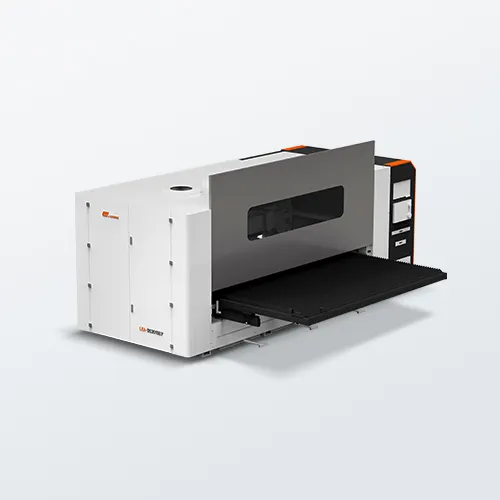
Evaluating Power Architecture in Modern Metal Fabrication
In industrial metal processing, selecting the optimal wattage for a CNC fiber laser cutting system is one of the most critical capital expenditure (CAPEX) decisions a fabrication business will make. Power capacity directly dictates a workshop's processing limits, linear cutting speeds, and daily energy efficiency. Improper power matching generally yields two costly outcomes: insufficient processing capacity that creates production bottlenecks, or excessive power capability that results in a massive waste of initial investment and operational energy. To achieve a balanced manufacturing ecosystem, choosing the right fiber laser wattage requires a calculated analysis of material thickness, production volume, and integrated machine dynamics.
Correlating Wattage with Material Type and Cutting Thickness
Material metallurgy and maximum thickness are the foundational metrics for determining laser power, as different metals possess distinct thermal conductivity and reflectivity that require specific energy densities to achieve clean, burr-free edges. For thin-gauge sheet metal processing and standard commercial fabrication, low-to-medium power configurations offer highly efficient and stable cutting dynamics for conventional carbon steel and stainless steel sheets while maintaining low electricity consumption. Conversely, heavy-duty manufacturing involving medium-to-thick plates demands high-power configurations that utilize dense energy profiles to vaporize thick metals rapidly, significantly narrowing the heat-affected zone (HAZ) and preventing structural edge deformation. Furthermore, processing highly reflective alloys—such as copper, brass, and specific aluminum variants—requires significantly higher initial energy thresholds. Advanced laser cutting machines overcome this thermal challenge by integrating specialized optics and back-reflection absorption mechanisms, allowing fabricators to process challenging materials safely without risking catastrophic laser source damage.
Balancing Laser Power with Production Efficiency and Workload
Beyond maximum thickness limits, a workshop's daily throughput requirements and production volume must guide the power selection process. For small-batch, highly customized production environments, medium-power systems are often optimal because the short cutting paths of intricate parts prevent high-wattage machines from reaching their maximum linear acceleration, creating a diminishing return on investment while increasing the risk of thermal deformation on fine geometries. Conversely, for continuous, high-volume manufacturing, maximizing laser wattage is the only viable method to compress production cycles and multiply workshop throughput. To maximize efficiency across varying workloads, advanced industrial laser cutters integrate intelligent features like automated nozzle changers. These systems swap and calibrate nozzle profiles dynamically based on active material and power parameters, ensuring seamless transitions between high-power mass production and low-power precision nesting.
Integrating Power Capacity with Machine Bed Rigidity
The performance of a high-power laser source cannot be analyzed in isolation; it must be supported by heavy-duty mechanical engineering. High-power processing generates extreme inertial forces during rapid directional changes, meaning that without a robust machine bed and synchronized motion components, a high-wattage laser cannot safely execute high-speed cutting. Therefore, premium laser machinery features heavy-duty, heat-treated welded steel frames and high-precision linear guides to absorb operational vibration and prevent structural distortion over decades of service. Additionally, smart software systems play a vital role in offsetting high-power operating costs; for instance, intelligent vision-based nesting algorithms scan irregular sheet remnants to generate optimized cutting paths, ensuring that high-speed, high-power execution translates into maximum material utilization and minimal scrap waste.
Projecting Long-Term Operational Expenditures (OPEX)
A common pitfall in equipment procurement is focusing solely on the upfront machine cost while ignoring long-term operational expenditures (OPEX) and technical support infrastructure. Higher wattage inherently changes a machine’s consumption profile, demanding increased auxiliary gas volume and high-specification consumables, such as protective windows and specialized cutting nozzles. Consequently, unauthorized downtime on a high-power production line incurs substantial financial penalties. Mitigating these financial risks requires partnering with a manufacturer that operates a direct-to-factory supply chain and provides comprehensive after-sales technical support. Lifelong technical guidance, rapid parameter calibration, and accessible component sourcing are essential to ensure high-power machinery maintains structural uptime and delivers a predictable return on investment (ROI).
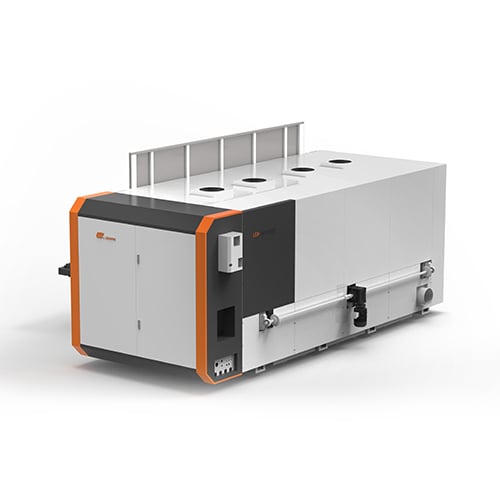
Strategic Power Planning for Future Market Expansion
Finally, power selection must align with an enterprise’s long-term business trajectory. Purchasing a machine that only satisfies current contracts frequently leads to secondary capital waste when market demands evolve. Fabrication businesses aiming to scale into heavy industrial sectors or structural steel processing should consider reserving power headroom during initial procurement. Many modern modular laser platforms offer technical configurations that allow for future power upgrades through targeted technical modifications, preventing complete machine obsolescence. For workshops with stable, niche production requirements, focusing on an optimized medium-power system paired with specialized cutting parameters offers the most mathematically sound cost-to-benefit ratio.
Conclusion: A Scientific Calibration of Power and Profit
Selecting the right metal laser cutting machine power is a scientific process of balancing capabilities, operational overhead, and business strategy. Blindly chasing the highest available wattage or prioritizing the lowest purchase price are both flawed methodologies. By systematically aligning laser power with material realities, mechanical structural limits, and future expansion objectives, manufacturing businesses secure a high-performance production asset that maximizes efficiency while driving down the overall cost-per-part.
Table of Contents
- Evaluating Power Architecture in Modern Metal Fabrication
- Correlating Wattage with Material Type and Cutting Thickness
- Balancing Laser Power with Production Efficiency and Workload
- Integrating Power Capacity with Machine Bed Rigidity
- Projecting Long-Term Operational Expenditures (OPEX)
- Strategic Power Planning for Future Market Expansion
- Conclusion: A Scientific Calibration of Power and Profit