
 EN
EN
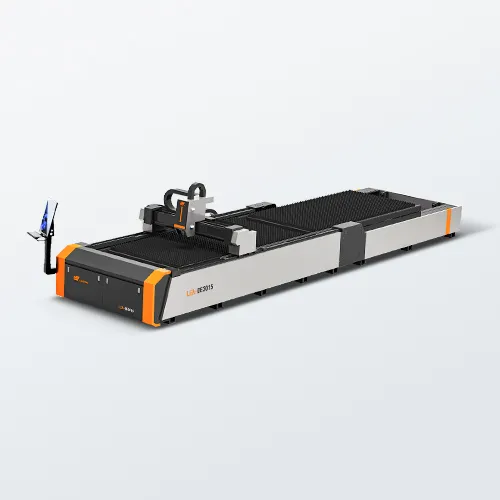
In modern metal fabrication, evaluating the cost of a pipe laser cutting machine involves looking far beyond the initial purchase price tag. Today’s fiber laser tube cutters function as highly integrated, automated cells within smart factory ecosystems. Therefore, severe cost-cutting on machinery often leads to hidden operational expenses, while a well-planned technology investment drastically reduces the total cost of ownership (TCO).
For serious fabricators, the objective is to understand how specific engineering components and software algorithms translate into long-term profitability, material savings, and consistent throughput.
Market Pricing Determinants: What Drives the Initial Investment?
In the industrial market, the capital expenditure (CAPEX) for a CNC pipe laser cutting machine is primarily driven by three core architectural variables:
- Laser Source Wattage: Power capacity scales with material requirements. While low-to-medium power systems (1kW to 3kW) are highly efficient for conventional sheet and thin-walled tube processing, heavy-duty applications involving thick carbon steel or high-reflectivity materials (such as aluminum and copper) demand high-power sources that command a higher upfront investment.
- Automation and Chuck Systems: Fully automatic loading systems and precision pneumatic or hydraulic chuck mechanisms increase the initial machine cost but directly eliminate manual material handling bottlenecks.
- CNC Software Architecture: Advanced control systems equipped with intelligent algorithms represent a different tier of investment compared to basic, manually configured cutters.
Direct Material Cost Optimization Through Intelligent Software
A major factor in calculating the return on investment (ROI) of a premium pipe laser cutting machine is its ability to minimize raw material waste. With fluctuating metal prices, the efficiency of a machine's software can save thousands of dollars annually.
Layout of Remaining Materials
Advanced systems utilize visual recognition algorithms to scan irregular scrap metal and leftover remnants. With a single click, the control system generates an optimized cutting layout directly on the irregular waste material. This secondary utilization turns expensive scrap into usable parts, directly offsetting energy costs and lowering the overall cost-per-part.
Non-Contact Sensing Protection
High-end machines integrate real-time, 360-degree servo-following sensors combined with path avoidance algorithms. This technology proactively prevents laser head collisions with tilted or deformed pipes during continuous cutting cycles. By eliminating the risk of costly mechanical damage and unplanned downtime, these proactive safety features protect the core asset and ensure stable workshop operations.
Labor Reduction and Throughput Efficiency
Operational expenditure (OPEX) is heavily influenced by machine uptime and labor dependencies. Modern tube processing technology shifts the focus from manual supervision to automated execution.
The integration of automated process components, such as automatic nozzle replacement systems, allows the machine to adapt dynamically to variations in material type and wall thickness without operator intervention. The system automatically selects and swaps the correct nozzle configurations based on predefined cutting parameters.
This automation delivers clear financial benefits:
- Minimized Setup Times: Eliminates manual calibration bottlenecks during job transitions.
- Consistent Part Quality: Reduces human error and guarantees identical tolerances across high-volume production runs.
- Optimized Labor Allocation: Frees operators to manage multiple workstations simultaneously, lowering overall labor costs.
Evaluating Long-Term Structural Value and Technical Support
A precise cut requires a mechanical foundation that resists thermal deformation and structural fatigue over decades of industrial use. Heavy-duty, heat-treated welded frames and premium linear guides ensure that micron-level accuracy is maintained even after thousands of hours of high-acceleration operation. Investing in a robust mechanical structure prevents the frame warping and edge imperfections common in lightweight, low-cost alternatives.
Furthermore, the total value of industrial machinery includes the manufacturer’s technical infrastructure. Evaluating a manufacturing partner requires verifying specific operational indicators:
- Production Scale and Specialization: Manufacturers with large-scale professional factories and a long-term industry focus provide greater manufacturing consistency and component standardization.
- Technical Service Infrastructure: Access to an experienced, professional technical support team ensures rapid global troubleshooting and parameter calibration.
- Lifecycle Security: Availability of direct factory replacement parts and continuous technical guidance minimizes the financial risks associated with unplanned production stoppages.
Conclusion: A Strategic Financial Decision
Selecting a pipe laser cutting machine power and configuration based solely on the lowest initial price represents an incomplete financial strategy. An accurate procurement decision balances the initial procurement costs with future production expansion plans and automated cost savings.
By prioritizing machines equipped with intelligent material utilization software, robust structural engineering, and reliable manufacturer support, fabrication businesses can optimize their capital expenditure while securing a highly productive, future-proof manufacturing asset.