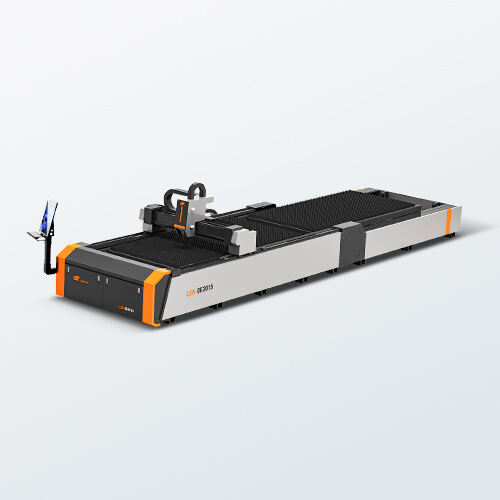
high power fiber laser cutting machine
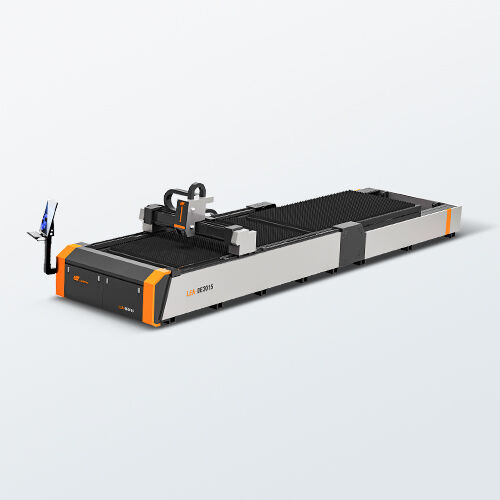
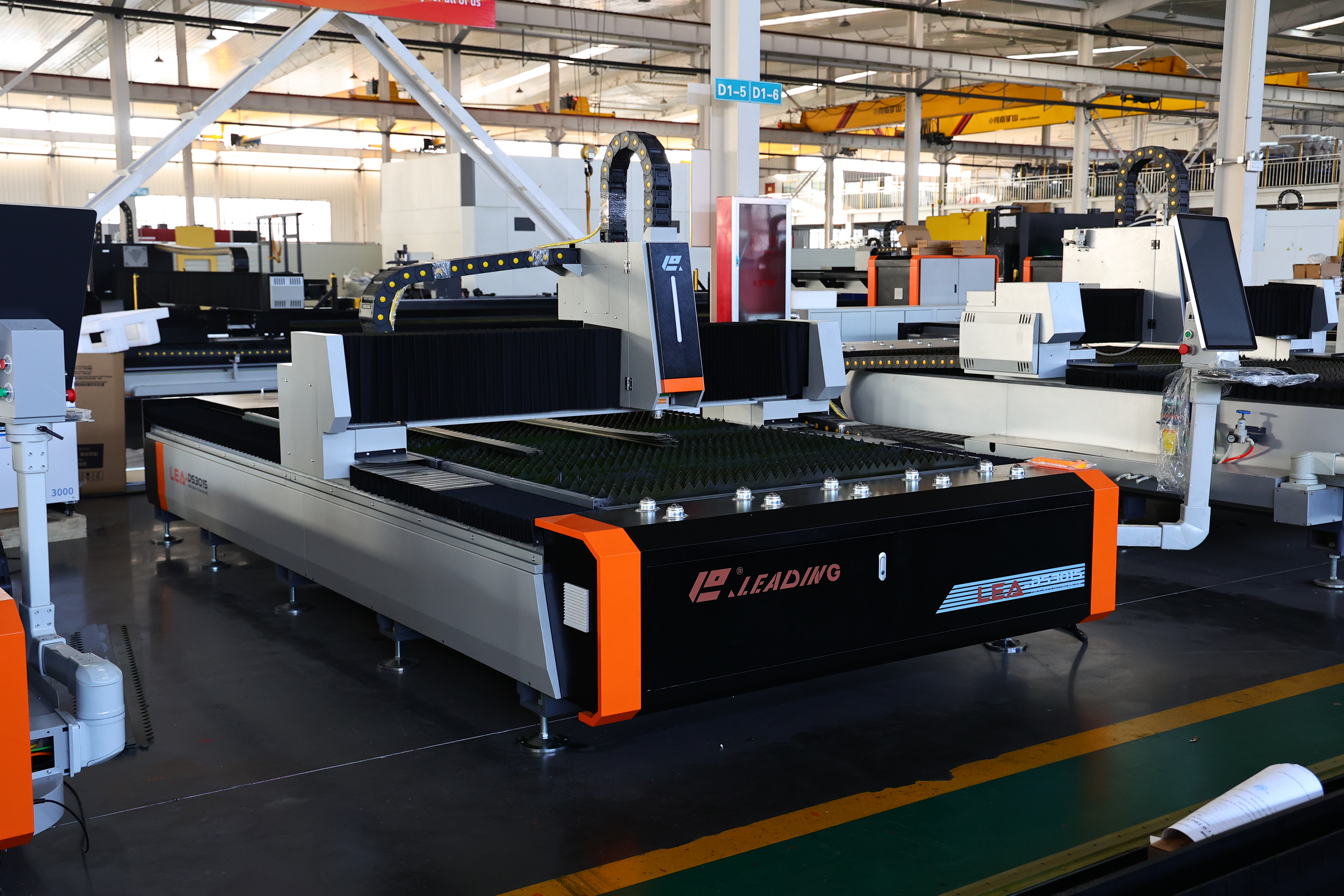
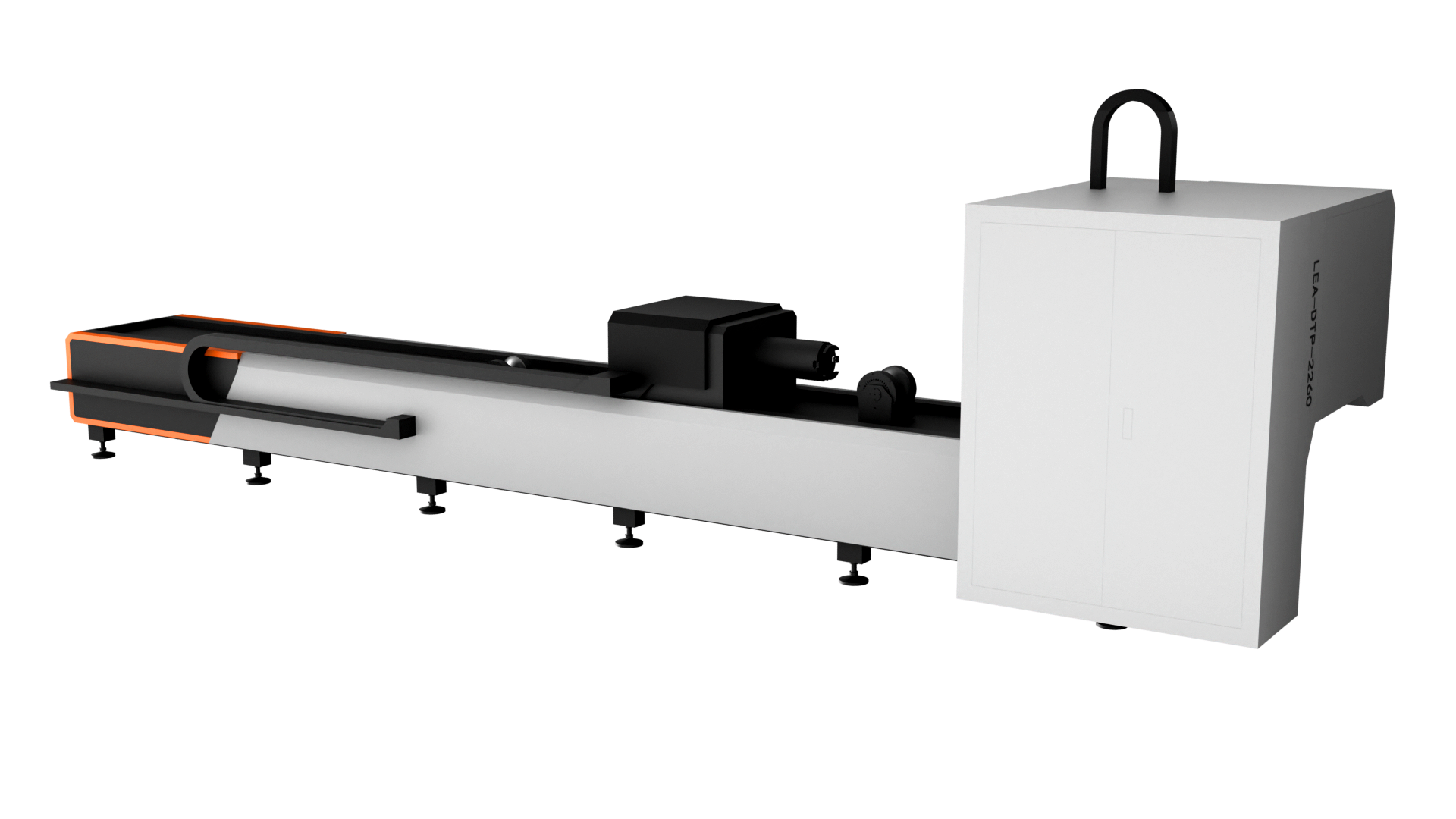
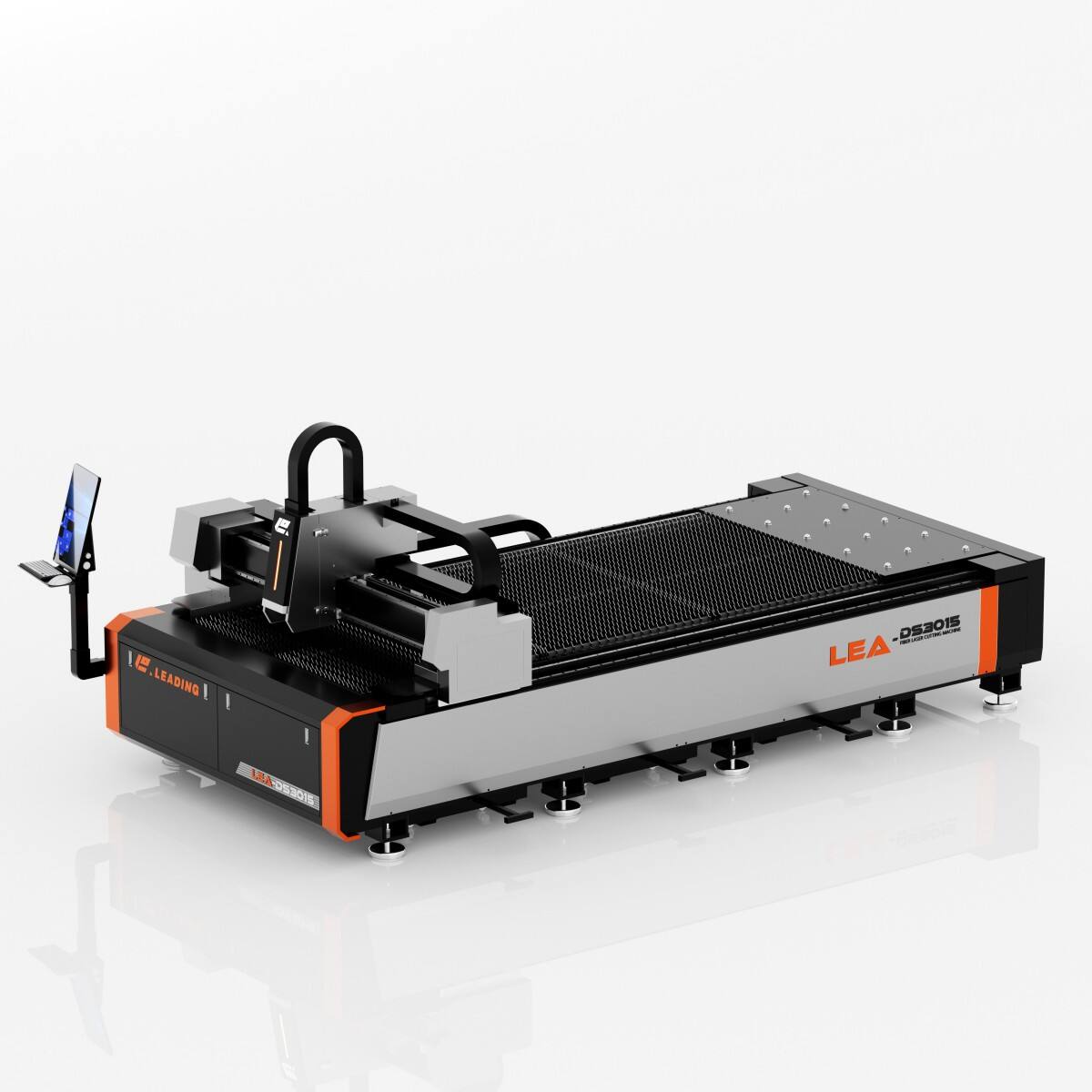
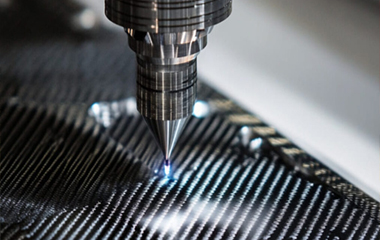
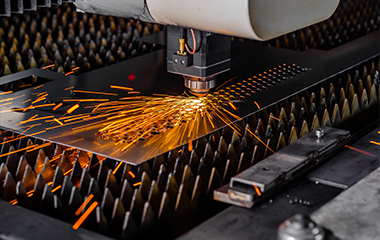
The high power fiber laser cutting machine represents a revolutionary advancement in industrial manufacturing technology, delivering exceptional precision and efficiency for metal fabrication processes. This cutting-edge equipment utilizes concentrated fiber laser beams to slice through various materials with remarkable accuracy, making it an indispensable tool for modern manufacturing facilities. The high power fiber laser cutting machine operates by generating an intense laser beam through optical fibers, which concentrates energy onto a microscopic focal point to achieve clean, precise cuts through metals of varying thicknesses. The main functions of this sophisticated machinery include cutting, engraving, and marking operations across diverse materials such as stainless steel, carbon steel, aluminum, brass, and copper. Its technological features encompass advanced beam delivery systems, computer numerical control programming, automatic material handling capabilities, and real-time monitoring systems that ensure consistent quality output. The high power fiber laser cutting machine incorporates state-of-the-art servo motors for precise positioning, high-resolution cameras for material recognition, and intelligent software that optimizes cutting parameters automatically. These machines feature robust construction with heavy-duty frames designed to minimize vibration and maintain stability during operation. The applications for high power fiber laser cutting machine technology span across multiple industries including automotive manufacturing, aerospace components, architectural metalwork, electronics enclosures, medical device production, and general fabrication services. Manufacturing facilities utilize these machines for creating intricate automotive parts, precision aerospace components, decorative architectural elements, and complex electronic housings. The high power fiber laser cutting machine excels in producing parts with tight tolerances, smooth edge finishes, and minimal heat-affected zones, making it ideal for applications requiring superior quality standards. Its versatility extends to processing both thin sheets and thick plates, accommodating diverse production requirements from prototype development to high-volume manufacturing runs.

 EN
EN